If you're researching an education franchise model in Maharashtra for 2026, you're probably not looking for generic franchise advice. You want to know how a skill-based training center actually works on the ground: student demand, course mix, trainer hiring, software lab setup, admissions follow-up, and where the margins really come from. Here's the thing: opening a technical training franchise is very different from opening a preschool or a tuition class. The buyer is more career-focused, the sales cycle is sharper, and your credibility matters from day one.

The video around ABC Trainings positions a skill-based education franchise as a practical entry into the education sector, especially for CAD, design, and engineering software training. That's a smart space to study because demand isn't random. Companies like Tata Technologies, Mahindra Engineering, L&T, Bosch, Siemens, Thermax, Kirloskar, Infosys, TCS, and KPIT Technologies keep hiring people with job-ready software skills. The good news is, if you already understand the basics of running a center, this guide goes deeper into the advanced side: center economics, batch architecture, trainer utilization, local market positioning, and the operating systems that separate stable centers from struggling ones.
What makes a skill-based education franchise profitable in Maharashtra?
What most people don't realize is that profitability doesn't come only from student count. It comes from course mix and utilization. A center in Pune, Chhatrapati Sambhajinagar, or Sangli should never depend on one flagship course alone. The advanced model is to build three layers of revenue.
First, you need core career programs such as AutoCAD, SolidWorks, CATIA, Creo, Revit, Python, Java, Data Analytics, and Power BI. These bring serious students who can pay ₹25,000 to ₹65,000 depending on duration and placement support. Second, add short upgrade modules for working professionals at ₹8,000 to ₹20,000. Third, create corporate or college tie-ups for weekend or finishing-school batches.
Trust me, this layered setup is what protects your center during seasonal dips. When fresh graduate admissions slow down after Diwali or exams, short-term upskilling and institutional batches keep revenue moving.
How should you choose courses for an education franchise center in 2026?
Don't select courses based on what sounds trendy. Select them based on local employer demand plus trainer availability. In Pune, manufacturing and IT both matter, so a strong mix could be AutoCAD, SolidWorks, CATIA V5, Creo, Revit, Python Full Stack, Java, Testing, and Data Analytics. In Chhatrapati Sambhajinagar, mechanical and civil demand often performs better with CAD, CAM, BIM, and project-oriented software training. In Sangli, you may start with a tighter portfolio and expand after the first 100 enrollments.
The advanced technique here is portfolio sequencing. Launch with 5 to 7 high-demand courses, not 20. Too many options confuse walk-ins and dilute trainer quality. Once inquiry data shows demand patterns, add advanced modules. For example, if AutoCAD students keep asking about product design roles, add SolidWorks and GD&T. If civil students ask about site coordination, add Revit and Navisworks-based modules later.
What is the best franchise center setup for CAD and IT training?
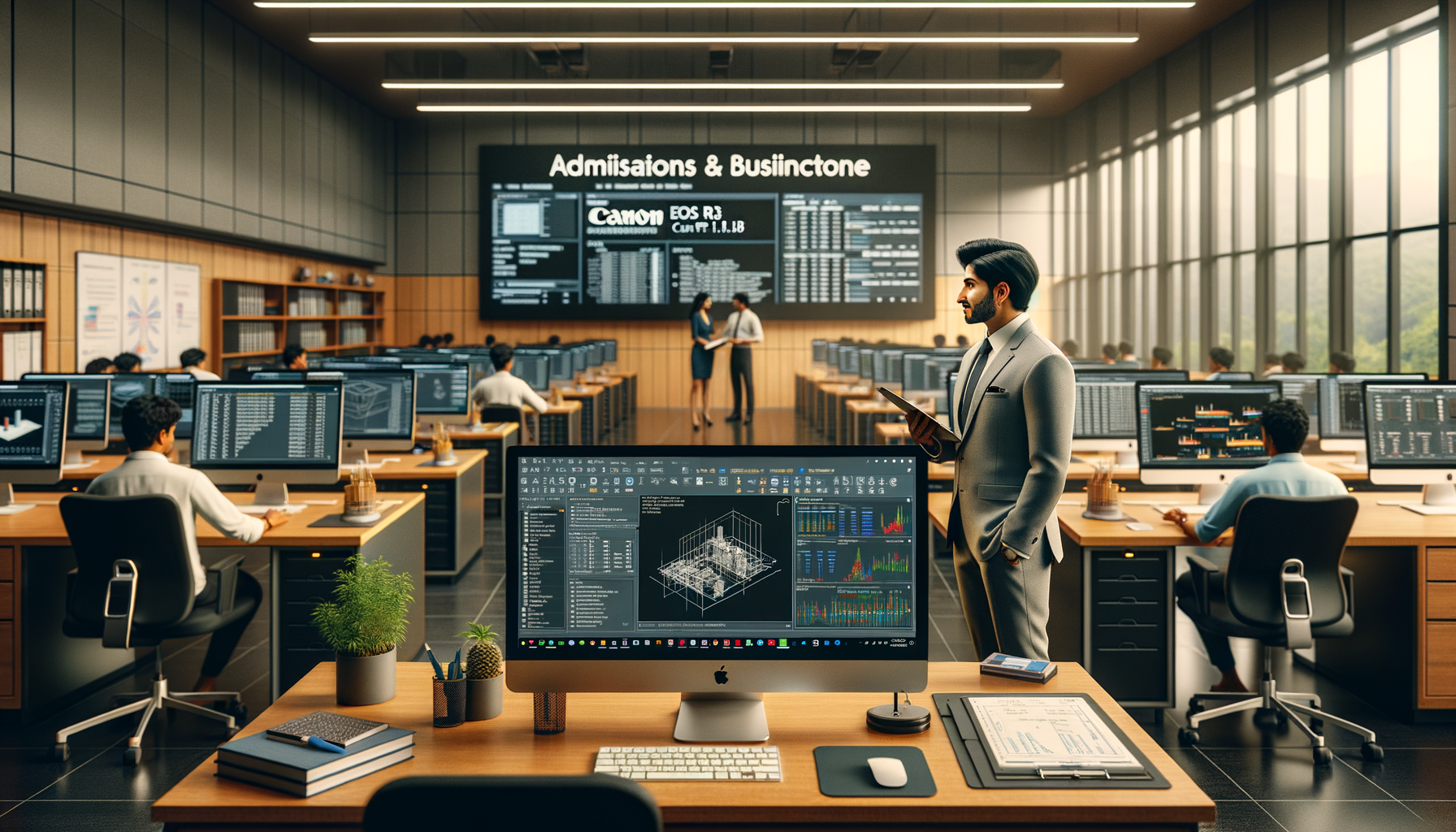
A power-user setup is not about expensive interiors. It's about operational flow. You need a reception and counselling zone, one theory room, one main lab, and if possible, a compact interview or counselling cabin. For CAD and design software, systems should be planned around actual software loads, not just basic browsing. If you're teaching AutoCAD 2026, SolidWorks 2025, CATIA V5, Creo 11, Revit 2025, or advanced rendering tools, underpowered PCs will hurt student experience and trainer speed.
A practical setup for a launch center is 12 to 20 systems, licensed or properly planned software deployment, dual-display trainer station if budget allows, projector or smart display, power backup, and stable internet. Here's the thing: many new owners overspend on branding and underspend on machines. Students forgive simple furniture. They don't forgive lagging systems.
Also standardize your lab image. One master system configuration, one software install checklist, one update calendar, one backup policy. That reduces downtime and keeps every batch consistent.
How do advanced franchise owners manage admissions and counselling better?
The average center loses admissions because follow-up is weak, not because demand is low. A skilled franchise operator treats enquiries like a pipeline. Every lead must be tagged by background: diploma, BE mechanical, civil graduate, working professional, job switcher, or final-year student. Then your counsellor maps each lead to a goal, not just a course.
For example, a BE Mechanical student in Pune asking about design jobs should not hear a generic pitch. They need a path: AutoCAD + SolidWorks + interview prep + portfolio support. A civil student from Chhatrapati Sambhajinagar may respond better to Revit + quantity takeoff + project workflow. Working professionals often prefer weekend batches with direct ROI language like salary jump from ₹2.8 lakh to ₹4.5 lakh annually after an upgrade.
Use a three-touch follow-up rhythm: same-day callback, 48-hour value follow-up, and a deadline-based closure call before the next batch starts. This sounds simple, but it's one of the biggest advanced operating habits in successful centers.
What trainer hiring model works best for a technical training franchise?
Trainer quality decides retention, reviews, and referrals. The best model is usually a hybrid trainer bench. Keep one or two stable full-time trainers for your highest-volume courses and add visiting experts for niche modules. If you try to hire only full-time staff for every software, your salary cost gets heavy too early.
In Maharashtra, a capable full-time CAD or IT trainer may cost ₹22,000 to ₹45,000 per month in smaller cities and ₹35,000 to ₹70,000 in Pune depending on software depth and placement involvement. Senior visiting experts can be paid per batch or per hour. What most people don't realize is that students value clarity and industry examples more than flashy lecture style. A trainer who can explain drawing standards used by Bajaj Auto or design documentation expectations similar to Tata Technologies has a huge edge.
Create SOPs for trainers: demo structure, assignment format, attendance discipline, doubt-clearing window, and project review checklist. That keeps quality stable even when faculty changes.
How do you price courses without undercutting the market?
Don't race to the bottom. Price based on outcome and delivery depth. If your course includes projects, assessments, interview support, and version-specific practice, your pricing should reflect that. In Pune, advanced software training often sells well when positioned as job preparation, not just software exposure.
A center may price short CAD modules around ₹12,000 to ₹18,000, job-oriented design tracks around ₹28,000 to ₹55,000, and premium multi-software bundles at ₹60,000+. IT courses can vary from ₹20,000 for focused modules to ₹75,000 for deeper full-stack or analytics tracks. The good news is, students will pay when the path is clear and the counsellor explains the return honestly.
Offer structured payment plans, but avoid confusing discount ladders. One early-bird offer, one combo offer, and one student referral benefit are usually enough.
Which metrics should franchise owners track every week?
If you want advanced control, monitor five numbers every week: enquiries, demo-to-admission conversion, batch occupancy, fee collection efficiency, and referral share. That's your operating dashboard.
A healthy center doesn't just count total admissions. It studies which campaigns bring serious students, which counsellor converts better, which trainer gets stronger completion rates, and which course creates the most referrals. For example, if a 20-seat batch runs with only 7 students, your margin drops sharply. If the same lab runs two compact batches with better timing, trainer utilization improves and per-seat economics become stronger.
This is where a proven network like ABC Trainings can help because systems, branding, and course demand frameworks reduce trial-and-error. If you want to evaluate the model in detail, you can contact ABC Trainings at 8698270088 or WhatsApp 7774002496.
Who is the right fit for a skill-based education franchise?
This model works best for three profiles. First, educators or trainers who understand student psychology but want a stronger business structure. Second, working professionals who want to build a parallel education business with process support. Third, local entrepreneurs who know their city well and can build trust quickly.
It's not ideal for someone expecting passive income in the first few months. A technical training center needs active involvement in branding, local outreach, counselling quality, and trainer management. But if you stay hands-on, the upside is real. A well-run center can build repeat admissions, college tie-ups, and local brand value much faster than many generic coaching businesses.
How can you scale from one training center to a stronger local brand?
Start with one center, one clear promise, and one reliable placement-oriented identity. Then scale by systems. Record your counselling scripts. Standardize demo classes. Create monthly seminar topics for colleges. Build alumni testimonials city-wise. Keep a placement tracker with salary results like ₹2.4 lakh, ₹3.6 lakh, ₹5.2 lakh, and ₹7 lakh packages so prospects can see real progression.
Trust me, local dominance comes from consistency. A center that delivers good projects, disciplined batches, and practical guidance will outperform louder competitors over time. If you're seriously evaluating a skill-based franchise in Maharashtra, study the operating model, not just the brochure. That's where the real business is built.
Is a skill-based education franchise better than a traditional coaching class in Maharashtra?
For many cities in Maharashtra, yes, especially if your focus is employability. Traditional coaching depends heavily on exam cycles, while skill-based centers can attract freshers, diploma students, engineers, and working professionals year-round. The business works best when courses are aligned with local industry demand in Pune, Chhatrapati Sambhajinagar, or Sangli. The key is strong counselling and trainer quality, not just classroom space.
How much investment is usually needed to start a technical training franchise?
The exact number depends on city, rent, interiors, system count, and course portfolio. A modest but serious setup with lab systems, branding, software planning, and launch marketing can require a few lakhs to a higher range if you want a larger center in Pune. Don't underestimate working capital for salaries and marketing during the first few months. It's better to plan for steady operations than spend everything on opening-day appearance.
Can a non-technical entrepreneur run a CAD or IT training franchise successfully?
Yes, but only if they respect the academic side and hire carefully. You don't need to be a CAD expert yourself, but you must understand course outcomes, trainer evaluation, and student expectations. A non-technical owner can do very well with strong process discipline, local marketing, and good counsellor management. Partner support and standard operating systems matter a lot in this case.
Which Maharashtra cities are best for a skill-based training franchise in 2026?
Pune remains one of the strongest markets because of manufacturing, IT, and student migration. Chhatrapati Sambhajinagar has solid potential for CAD, design, and engineering software due to regional demand and lower competition compared to metro zones. Sangli can also work well with a focused launch model and strong local outreach. The best city is usually the one where you can combine demand, trust, and active owner involvement.
Visit Our Centers
Chhatrapati Sambhajinagar
Corporate Office (HQ)
2nd Floor, Kandi Towers, Jalna Road, Amarpreet Chowk, Chhatrapati Sambhajinagar, Maharashtra 431001
Osmanpura Branch
Plot No 14, Shanya Sect, Near Sant Eknath Rang Mandir, Osmanpura, Chhatrapati Sambhajinagar, Maharashtra 431005
CIDCO Branch
Plot No 4, N-3, Cidco, Opp. High Court, Chhatrapati Sambhajinagar, Maharashtra 431003
Pune
Wagholi Branch
1st Floor, ABC Trainings, Laxmi Datta Arcade, Pune - Ahilyanagar Hwy, Wagholi, Pune, Maharashtra 412207
Hadapsar Branch
Bloom Hotel, ABC Trainings 1st Floor, S.no 156/3 Shree Tower Pune - Solapur Rd, Hadapsar, Pune, Maharashtra 411028
Sangli
Sangli Branch
2nd Floor, Vasant Market, Opp. City High School, Sangli, Maharashtra 416416
Start Your Career Journey Today
Join 10,000+ students who transformed their careers with ABC Trainings.
💬 WhatsApp: 7774002496📞 Call: 8698270088