
Engineering career goal planning in Maharashtra is one of the most important steps students ignore until final year. That's exactly where the problem starts. I've seen students from Chhatrapati Sambhajinagar, Pune, Sangli, Nashik, and Kolhapur spend four years attending lectures, passing exams, and then suddenly asking, “Now what?” Here's the thing: marks matter, but direction matters more. If you set your goal early, you'll choose the right software, the right projects, and the right training before graduation instead of panicking after it.
This is not about motivation talk. This is about advanced career planning for engineering students who already know the basics and want a smarter roadmap. If you want a design job, production role, BIM profile, automation job, or software-linked engineering career, your decisions in second and third year change your salary, interview confidence, and placement options. Trust me, students who plan early move faster.
Why do engineering students in Maharashtra struggle after graduation?
What most people don't realize is that many students don't fail because they are weak. They struggle because they keep everything vague. They say they want a “good job” but don't define whether that means design, site execution, testing, maintenance, coding, embedded systems, automation, or analysis. Without that clarity, they learn random tools and end up average in all of them.
Let's be practical. A mechanical student aiming for Tata Technologies, Bajaj Auto, Mahindra Engineering, or Kirloskar needs a very different skill plan than a civil student targeting L&T, a BIM consultancy, or a quantity surveying role. An electrical student preparing for Siemens, Bosch, Thermax, or an automation integrator needs different software and project exposure. If your goal is unclear, your preparation becomes scattered.
How early should engineering students set a career goal?
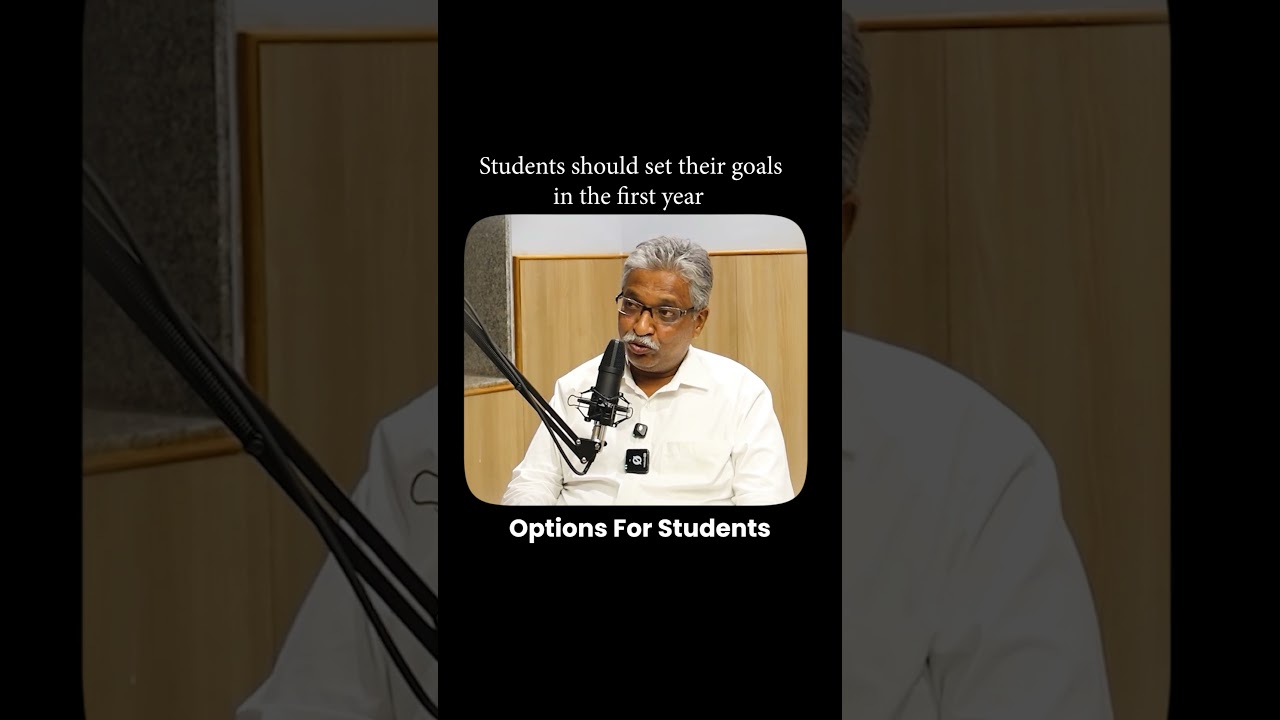
The good news is, you don't need to have your entire life figured out in first year. But by second year, you should know your broad direction. By third year, you should be building depth.
Here's a practical timeline I recommend:
- First year: Understand branches, industry roles, and your strengths.
- Second year: Choose a career track such as CAD design, BIM, automation, software, embedded, or data-focused engineering.
- Third year: Learn industry software, build 2 to 4 projects, improve technical communication, and start interview prep.
- Final year: Focus on portfolio, internships, mock interviews, and company-specific preparation.
If you wait until final semester, you'll still get opportunities, but you'll be competing with students who already have project depth and software confidence.
How do you choose the right engineering career path?
Start with role clarity, not course names. Students often ask, “Which software should I learn?” Wrong first question. Ask, “Which job role do I want?” The software comes after that.
Here are some examples:
- Mechanical design: SolidWorks 2025, CATIA V5, Siemens NX, GD&T, assembly design, drafting standards, basic FEA awareness.
- Manufacturing/production: CNC basics, process planning, quality tools, AutoCAD, industrial documentation.
- Civil design/BIM: AutoCAD 2025, Revit 2025, Navisworks Manage, quantity takeoff, clash understanding, drawing reading.
- Electrical/automation: PLC SCADA, panel design, AutoCAD Electrical, VFD basics, industrial troubleshooting.
- IT/software-linked path: Programming fundamentals, databases, web stack basics, cloud/dev tools depending on target role.
Trust me, when the role is clear, learning becomes faster because every tool has a purpose.
Which advanced career planning techniques actually help engineering students?
This is where serious students separate themselves. Basic planning is saying, “I want a job in design.” Advanced planning is building a role-based execution system.
1. Use a target company map
Pick 15 companies you would realistically apply to in Maharashtra. For example: Bajaj Auto in Pune, Tata Technologies, KPIT Technologies, Bosch, Siemens, Thermax, L&T, Infosys, TCS, and Mahindra Engineering. Then study common skills across these companies. You'll start seeing patterns. That's your real syllabus.
2. Build a skill stack, not a single skill
A student with only software knowledge is not enough. Industry wants combinations. Mechanical design means CAD + drafting + tolerancing + manufacturing awareness. BIM means modeling + documentation + coordination logic. Automation means PLC + wiring logic + troubleshooting mindset. What most people don't realize is that hiring managers pay more for combinations than isolated certificates.
3. Create a project ladder
Don't make one final-year project and stop there. Make a beginner project, then an applied project, then an industry-style project. For example, a mechanical student can move from part modeling to assembly design to production-ready drawing sets. A civil student can move from 2D drafting to 3D modeling to coordinated BIM deliverables. This progression shows maturity.
4. Track job descriptions every month
Read openings from Pune, Chakan, Hinjawadi, MIDC areas, and nearby industrial zones. Save recurring terms. If five companies mention GD&T, BOM, Revit families, PLC troubleshooting, or SQL basics, that is not random. That is market demand speaking clearly.
What skills should engineering students build before passing out?
You'll need three layers of preparation.
Technical tools
Learn the software your target role actually uses. Don't collect random certificates. One strong tool with project confidence is better than four shallow courses.
Execution skills
This includes reading drawings, creating documentation, checking errors, version control of files, naming conventions, revision handling, and presenting your work properly. Here's the thing: professionals are trusted because they work cleanly, not because they click fast.
Communication for interviews
You should be able to explain your project in simple English, describe your role clearly, and answer why you chose a particular path. Companies like TCS, Infosys, Bosch, Siemens, and L&T notice clarity. If your answer sounds confused, your profile feels weak even when your marks are decent.
What is the biggest mistake engineering students make while choosing training?
They choose training based on popularity instead of career fit. A friend joins one course, so they join the same. That's risky. The right training should match your branch, target role, software demand, and local job market.
For example, a civil student in Pune aiming for BIM coordination should not waste time in unrelated software just because it's trending. A mechanical student targeting product design should go deep into modeling strategy, assembly constraints, drawing standards, and industrial workflows. An electrical student planning automation should spend time on logic development and panel understanding, not just theory.
At ABC Trainings, this is the part we keep stressing with students: choose training that connects directly to jobs, projects, and interviews. If you need guidance on what path fits your branch and goals, call 8698270088 or WhatsApp 7774002496.
What salary can goal-focused engineering students expect in Maharashtra?
Let's keep expectations realistic. Freshers with no direction often start around ₹1.8 lakh to ₹2.4 lakh per year in weak roles. Students with a clear track, relevant software skills, and decent project presentation can target better openings.
- CAD/Design fresher: ₹2.4 lakh to ₹4.2 lakh per year
- BIM fresher: ₹2.8 lakh to ₹4.5 lakh per year
- PLC SCADA/automation fresher: ₹2.5 lakh to ₹4.8 lakh per year
- IT/software support or developer-track fresher: ₹3 lakh to ₹6 lakh per year depending on skills and company
In Pune, company type matters. A trained fresher with focused preparation can do much better than a student with only a degree. The good news is, salary growth also becomes faster when your foundation is aligned with a real role.
How should you build your personal roadmap from second year onward?
Use this simple advanced workflow:
- Pick one target role.
- List 10 companies hiring for that role.
- Write down required software, technical topics, and project expectations.
- Choose one training path that matches that demand.
- Build 3 portfolio projects with increasing complexity.
- Practice explaining your work in interview language.
- Review and refine every 60 days.
This sounds basic, but trust me, very few students do it properly. That's why average students stay stuck while focused students from the same college move into better jobs.
If you're serious about becoming job-ready before graduation, get proper guidance early. ABC Trainings works with students across Chhatrapati Sambhajinagar, Pune, and Sangli who want practical, industry-linked preparation instead of random learning.
When should I start career planning in engineering in Maharashtra?
You should start in first year by exploring options, but by second year your direction should become clear. That doesn't mean locking your entire future, but you should know whether you're moving toward design, BIM, automation, IT, or another role. In Maharashtra's competitive job market, early planning gives you time for software training and projects. Students who wait until final year usually rush and miss depth.
How do I know which software is right for my engineering career goal?
Start with the job role, not the software brand. If you want mechanical design, tools like SolidWorks, CATIA, or Siemens NX may matter. If you want civil design or BIM, AutoCAD and Revit are more relevant. Check job descriptions from Pune and nearby industrial hubs, then choose software that repeatedly appears in those listings.
Can average marks students still get good engineering jobs in Pune?
Yes, absolutely, if they have clear direction and practical skills. Many companies value software knowledge, project quality, communication, and problem-solving more than just marks. A student with 60% and strong CAD, BIM, automation, or coding skills can outperform a higher-mark student with no practical depth. Here's the thing: employability is not decided by marks alone.
Where can engineering students in Maharashtra get career guidance and job-focused training?
Look for institutes that connect training with actual job roles, projects, and interview preparation. Ask whether they guide you based on your branch and target company type rather than pushing one standard course. ABC Trainings supports students across Maharashtra with practical career guidance and job-focused technical training. You can call 8698270088 or WhatsApp 7774002496 to discuss the right path for your profile.
Visit Our Centers
Chhatrapati Sambhajinagar
Corporate Office (HQ)
2nd Floor, Kandi Towers, Jalna Road, Amarpreet Chowk, Chhatrapati Sambhajinagar, Maharashtra 431001
Osmanpura Branch
Plot No 14, Shanya Sect, Near Sant Eknath Rang Mandir, Osmanpura, Chhatrapati Sambhajinagar, Maharashtra 431005
CIDCO Branch
Plot No 4, N-3, Cidco, Opp. High Court, Chhatrapati Sambhajinagar, Maharashtra 431003
Pune
Wagholi Branch
1st Floor, ABC Trainings, Laxmi Datta Arcade, Pune - Ahilyanagar Hwy, Wagholi, Pune, Maharashtra 412207
Hadapsar Branch
Bloom Hotel, ABC Trainings 1st Floor, S.no 156/3 Shree Tower Pune - Solapur Rd, Hadapsar, Pune, Maharashtra 411028
Sangli
Sangli Branch
2nd Floor, Vasant Market, Opp. City High School, Sangli, Maharashtra 416416
Start Your Career Journey Today
Join 10,000+ students who transformed their careers with ABC Trainings.
💬 WhatsApp: 7774002496📞 Call: 8698270088