
Leadership habits for faculty teams in India matter a lot more than most people think. If you already understand basic team management, here's the thing: the real difference between an average institute and a respected one is not only curriculum, attendance, or reporting formats. It's what the leader does when the team is under pressure. In training institutes across Pune, Chhatrapati Sambhajinagar, and Sangli, the strongest faculty teams are usually built by leaders who don't sit at a distance and only review numbers. They step in, work with the team, and set the standard through action.
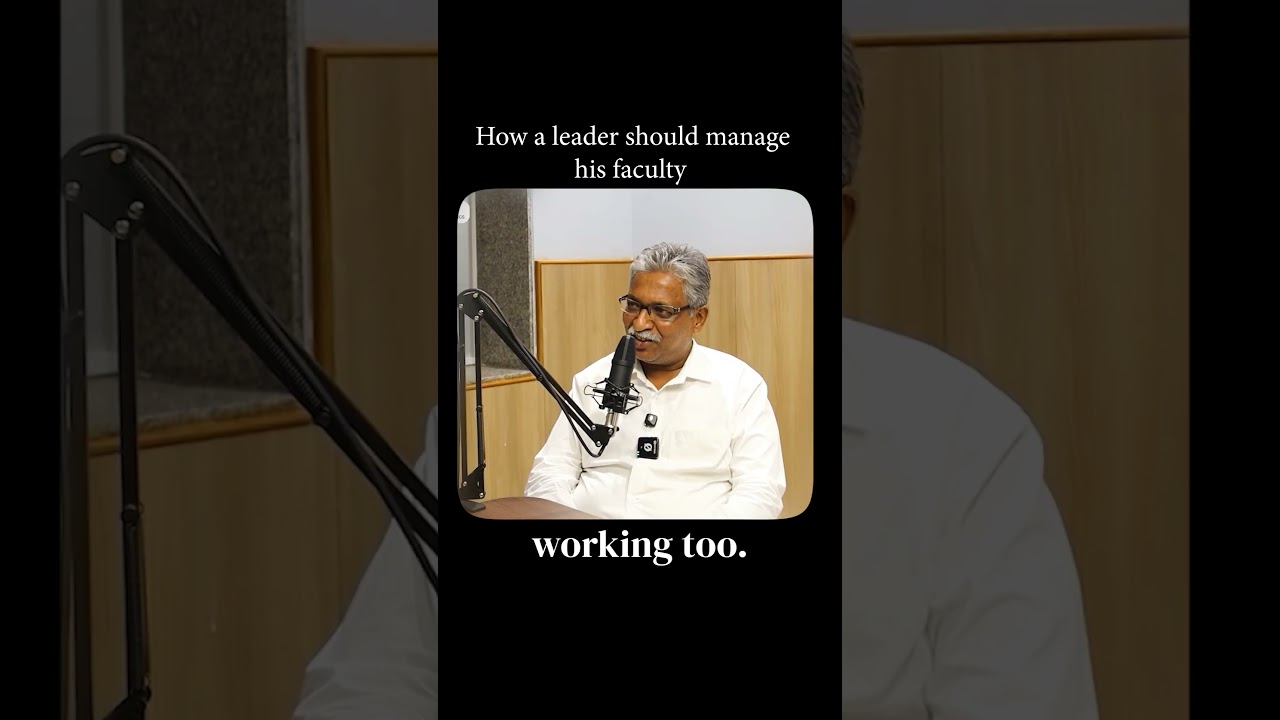
The video idea is simple but powerful: great leaders don't just give instructions, they lead by example. Trust me, this sounds basic until you see how differently teams behave when the leader is visible in daily work. Whether you're managing CAD trainers, IT faculty, placement coordinators, or lab instructors, this approach creates ownership, respect, and consistency. The good news is you don't need a fancy management system to start. You need better habits.
Why does leading by example work better than only giving instructions?
Because people copy behavior faster than they follow speeches. A faculty head can say, "Be on time, update LMS records, call absent students, review assignments properly," but if the team sees the leader skipping those same standards, the message dies immediately. What most people don't realize is that faculty teams are highly sensitive to fairness. They notice who is carrying the load, who is avoiding difficult batches, and who is only visible during meetings.
When a leader joins academic reviews, supports weak classes, helps with parent communication, or sits in on a difficult student counselling session, the team stops feeling managed and starts feeling supported. That's when accountability becomes natural instead of forced.
What are the advanced leadership habits that improve faculty performance?
Once the basics are in place, advanced leadership is about consistency under pressure. Here are the habits that actually change team output.
1. Work on the ground, not only on dashboards
If you're heading a faculty team, spend time where delivery happens. Sit in live sessions. Review lab flow. Observe how trainers handle slow learners. Join post-class discussions. In companies like Infosys, TCS, Siemens, and Tata Technologies, leaders who understand execution realities make better decisions. The same rule applies in education.
For example, if one faculty member is struggling with batch discipline, don't just ask for a report. Take one session with them. Watch the issue firsthand. Then coach with specifics.
2. Standardize visible behaviors
Advanced leaders don't leave quality to personality. They define visible standards: how attendance is taken, how doubts are handled, when assignments are checked, how practical sessions are closed, and how feedback is recorded. This matters especially in multi-trainer institutes.
Without standardization, one trainer becomes excellent, another becomes casual, and students get uneven outcomes. That's where team culture breaks.
3. Correct privately, appreciate publicly
Trust me, this one habit saves teams. If a faculty member makes an error in concept delivery, student handling, or reporting, correct it one-to-one. But when someone improves results, takes extra revision sessions, or handles a difficult batch well, appreciate it in front of the team. Public respect creates motivation. Public embarrassment creates silence.
4. Join difficult work first
Every institute has difficult tasks: low-performing batches, parent escalations, placement anxiety, student fee follow-ups, syllabus delays. Strong leaders don't push these downward first. They step in early. That sends a clear signal: nobody is alone when the work gets messy.
How do you build one team culture instead of isolated faculty silos?
This is where many institutes struggle. One trainer is good in technical delivery, another is strong in student handling, another is disciplined with reports. But they operate like separate islands. A real team culture needs shared ownership.
Start with common operating routines. Weekly review meetings should not be random updates. They should answer five things: batch progress, student risk list, practical completion, placement readiness, and support needed from leadership. Keep it short and direct.
Next, cross-observe classes. If one AutoCAD trainer, one PLC instructor, or one Python faculty member has a better way of teaching difficult topics, others should observe and adopt. At organizations like Bosch, Mahindra Engineering, and Kirloskar, process learning across teams improves output. Education teams should do the same.
Also, remove hero culture. If one faculty member becomes the only person who can handle advanced student doubts, scheduling becomes risky. Build backup capability. A strong team is not one star performer plus four dependent people. It's a group where standards survive even when one person is on leave.
What systems should faculty leaders use daily?
Advanced leadership is not only mindset. It's systems. Here's a practical stack that works well for training institutes in Maharashtra.
Daily 15-minute stand-up
Keep it crisp. Review today's batches, student concerns, pending practicals, and any attendance risks. Don't turn it into a lecture.
Shared progress tracker
Use Google Sheets, Microsoft Excel 2021, or a simple LMS dashboard. Track syllabus coverage, assignment completion, test scores, and placement readiness. If data is not visible, intervention comes too late.
Class observation checklist
Not a vague review. Use parameters: concept clarity, pace, student engagement, software demo accuracy, lab support, recap quality, and doubt handling. This helps coaching become objective.
Escalation rules
Define when a faculty member should involve the academic head: repeated absenteeism, low assessment performance, behavior issues, or placement panic. Clear escalation reduces confusion.
How does this leadership style affect salaries and career growth?
A faculty leader who can build team performance is far more valuable than someone who only teaches one subject well. In Maharashtra, senior trainer or academic coordinator roles in private institutes often range from ₹4.2 lakh to ₹7.5 lakh per year depending on city, domain, and team size. Academic managers and center operations leaders with strong people management can reach ₹8 lakh to ₹12 lakh annually in larger setups in Pune.
Why does this happen? Because institutes don't only pay for subject knowledge. They pay for smoother delivery, lower student complaints, stronger retention, and better placement outcomes. That's leadership impact.
If you're growing from trainer to team lead, start proving that you can improve other people's performance, not just your own batch results.
What mistakes do faculty leaders in Maharashtra commonly make?
The first mistake is acting important instead of being useful. The second is over-monitoring weak faculty but under-coaching them. The third is inconsistency: strict one week, absent the next. The fourth is solving every problem alone instead of building second-line ownership.
Here's the thing: respect in a faculty team doesn't come from title alone. It comes from credibility. When your team knows you'll step in, stay fair, protect standards, and support them during pressure, they work differently.
How can training institutes apply this in real life?
Let's make it practical. Suppose you're running a technical institute like ABC Trainings and managing CAD, IT, or engineering faculty. One batch is falling behind. Another has weak attendance. One trainer is good technically but poor in classroom control. Don't respond only with warnings. Sit with each issue. Take one revision session yourself. Review lesson planning. Help the trainer structure class flow. Speak with students if needed. Then monitor improvement for one week.
This is the kind of operational leadership that creates strong teams over time. At ABC Trainings, students and parents usually trust institutes more when they see structure, seriousness, and real involvement from senior staff. If you want to discuss trainer development or institute-level process improvement, you can connect with ABC Trainings at 8698270088 or WhatsApp 7774002496.
What should an advanced faculty leader focus on in 2026?
Focus on three things: visible involvement, repeatable systems, and team trust. That's the combination that scales. Whether your institute is in Pune, Chhatrapati Sambhajinagar, Sangli, or another Maharashtra city, the leadership principle stays the same. Don't stand outside the work and comment on it. Step into the work and improve it.
The good news is that when leaders do this consistently, faculty members become more responsible on their own. Meetings become shorter. Escalations become smarter. Student outcomes improve. And the team starts acting like one unit instead of separate individuals sharing the same building.
How can a faculty leader motivate trainers without sounding bossy?
Use action before instruction. If trainers see you joining difficult tasks, helping with student issues, and following the same standards you expect from them, motivation improves naturally. In Indian institutes, especially in cities like Pune and Sambhajinagar, faculty respond better to fairness and support than constant pressure. Keep expectations clear, but stay involved.
What is the best daily routine for managing a faculty team?
A simple structure works best: a 15-minute morning review, visible batch tracking, one class observation, and one follow-up discussion by end of day. This keeps the team aligned without creating meeting fatigue. Use Google Sheets or Excel for tracking and keep escalation rules clear. Consistency matters more than complexity.
Can a senior trainer become an academic manager without an MBA?
Yes, absolutely. Many academic managers in Maharashtra grow from trainer roles because they prove they can handle people, systems, and student outcomes. If you can standardize teaching quality, coach other trainers, and manage difficult academic situations, you already have the core leadership skills. Formal management degrees can help, but execution matters more in most private institutes.
How do institutes in Maharashtra identify strong faculty leaders?
They look for more than subject expertise. Strong leaders improve team discipline, reduce student complaints, support weak trainers, and maintain delivery quality even under pressure. Institutes value those who can handle operations calmly and keep teams united. That's why leadership-ready candidates often move faster into higher-paying coordination and center-level roles.
Visit Our Centers
Chhatrapati Sambhajinagar
Corporate Office (HQ)
2nd Floor, Kandi Towers, Jalna Road, Amarpreet Chowk, Chhatrapati Sambhajinagar, Maharashtra 431001
Osmanpura Branch
Plot No 14, Shanya Sect, Near Sant Eknath Rang Mandir, Osmanpura, Chhatrapati Sambhajinagar, Maharashtra 431005
CIDCO Branch
Plot No 4, N-3, Cidco, Opp. High Court, Chhatrapati Sambhajinagar, Maharashtra 431003
Pune
Wagholi Branch
1st Floor, ABC Trainings, Laxmi Datta Arcade, Pune - Ahilyanagar Hwy, Wagholi, Pune, Maharashtra 412207
Hadapsar Branch
Bloom Hotel, ABC Trainings 1st Floor, S.no 156/3 Shree Tower Pune - Solapur Rd, Hadapsar, Pune, Maharashtra 411028
Sangli
Sangli Branch
2nd Floor, Vasant Market, Opp. City High School, Sangli, Maharashtra 416416
Start Your Career Journey Today
Join 10,000+ students who transformed their careers with ABC Trainings.
💬 WhatsApp: 7774002496📞 Call: 8698270088