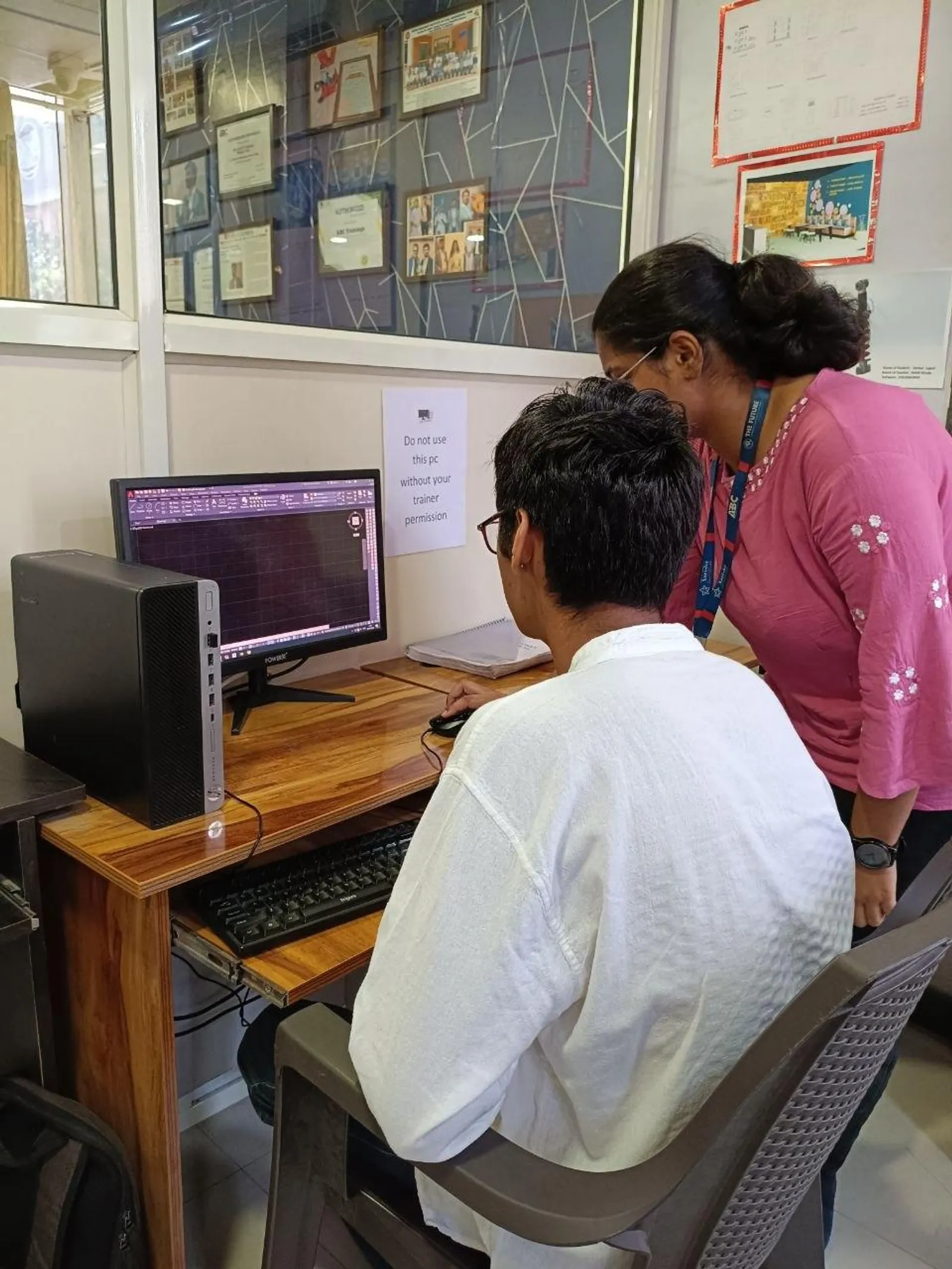
Choosing the right career path is one of the most important decisions an engineering student will make. With so many branches, technologies, and industries evolving rapidly, many students feel confused about what to pursue after graduation. Some follow trends, some follow friends, and others simply go where the market seems to be moving.
However, a successful engineering career is not built on guesswork—it requires planning, self-awareness, and the right guidance. By focusing on a few essential principles, engineering students can make smarter career decisions and position themselves for long-term success.
In this guide, we’ll explore four essential things every engineering student should follow to choose the right career path.
1. Understand Your Strengths and Interests

One of the biggest mistakes engineering students make is choosing a career based solely on salary trends or peer influence. While market demand is important, your interests and strengths should always come first.
Engineering offers many career options such as:
Software Development
Data Science & Artificial Intelligence
Cyber Security
Cloud Computing
Networking
Embedded Systems
Mechanical Design
Civil Project Management
Every field requires different skills and problem-solving approaches.
Ask Yourself These Questions
Do you enjoy coding and logical problem solving?
Are you interested in data analysis and AI technologies?
Do you like designing machines or systems?
Are you good at mathematics and algorithms?
Understanding what excites you will help narrow down your career options.
Tip for Students
Start experimenting early by:
Learning basic programming
Trying mini projects
Participating in hackathons
Watching real industry project demonstrations
Exploring multiple fields during college will help you discover what truly fits you.
2. Research Industry Demand and Future Trends
Technology evolves rapidly, and engineering careers must evolve with it. Students should always research which skills are in demand globally and in India.
Some of the fastest-growing engineering domains include:
Artificial Intelligence
Data Science
Cloud Computing
Cyber Security
Full Stack Development
DevOps
Machine Learning
These fields are transforming industries such as finance, healthcare, manufacturing, and e-commerce.
Why Industry Research Matters
Many students graduate with only theoretical knowledge. Companies, however, look for practical skills and industry-ready expertise.
Understanding market demand helps you:
Choose the right specialization
Learn relevant tools and technologies
Build a strong portfolio
Increase job opportunities
Example
A computer engineering student who learns:
Python
SQL
Machine Learning
Data Visualization
can build a strong career in Data Science, which is one of the most sought-after roles today.
3. Focus on Practical Skills, Not Just Degrees

A degree alone is no longer enough to secure a strong engineering job. Employers today prioritize hands-on experience, project work, and real technical skills.
Many engineering graduates struggle during placements because they lack practical exposure.
Skills That Matter in Today’s Job Market
Employers look for students who can:
Build real applications
Solve technical problems
Work with modern tools
Collaborate in teams
Adapt to new technologies
How Students Can Build Practical Skills
You can gain real experience through:
Industry training programs
Internship opportunities
Real-world projects
Technical workshops
Coding competitions
Training programs that focus on live projects and practical implementation significantly improve employability.
ABC Trainings, a Government Affiliated Training Company, MSME, ISO, provides industry-focused programs designed to help engineering students gain real-world skills and prepare for high-demand technology careers.
Students looking for guidance or training can contact:
📞 7039169629
📱 WhatsApp: 7039169629
4. Seek Career Guidance and Mentorship
Many engineering students feel lost because they try to make career decisions alone. The truth is that career guidance from experienced mentors can make a huge difference.
Mentors can help students:
Understand industry expectations
Choose the right specialization
Build a strong resume
Prepare for technical interviews
Plan long-term career growth
Where to Find Mentors
Students can seek guidance from:
Industry professionals
Training institutes
Senior engineers
Professors with industry exposure
Technical communities
A mentor can help you avoid common mistakes and accelerate your career journey.
Importance of Early Career Planning
Students who start planning their careers during the second or third year of engineering often perform better during placements compared to those who start late.
Early planning allows you to:
Build stronger technical foundations
Complete multiple projects
Gain internship experience
Develop confidence in interviews
Final Thoughts
Engineering offers incredible career opportunities, but success depends on making informed decisions early in your journey.
By following these four important steps, students can confidently choose the right path:
Understand your interests and strengths
Research industry trends and demand
Develop practical skills through real projects
Seek mentorship and career guidance
Students who combine technical knowledge, practical experience, and the right guidance will always stand out in the competitive engineering job market.
If you are an engineering student looking to build a strong technology career, industry-focused training and mentorship can help you gain the skills that companies truly value.