5 Steps to Design a PLC Control Panel (Updated May 2026) (Updated May 2026)
Here's the thing — most electrical engineering graduates know what a PLC is, but they can't tell you how an actual control panel gets built from scratch. That gap is exactly why automation companies in Pune and Sambhajinagar struggle to find job-ready engineers. With AURIC attracting ₹71,343 crore in investment and creating 62,405 jobs in the Sambhajinagar industrial corridor, demand for engineers who understand PLC panel design has never been higher. I've trained hundreds of students over the past decade, and the ones who got placed fastest were those who could walk into a panel shop and know exactly what they were looking at. This guide walks you through all five steps — the same sequence used by panel builders at Siemens, Bosch, and L&T's automation divisions.

- Step 1: Map control requirements by reading the P&ID and machine spec
- Step 2: Select PLC brand, CPU, and I/O modules based on signal count
- Step 3: Design panel layout — DIN rail, cable ducts, earthing bus
- Step 4: Wire all components and write ladder logic on TIA Portal or RSLogix
- Step 5: Do loop testing, FAT, and create as-built drawings before handover
- Automation engineers with panel design skills earn ₹3.5–7 LPA in Pune
What Makes a PLC Control Panel Different from a Normal Electrical Panel
A standard electrical panel distributes power. A PLC control panel does something far more interesting — it makes decisions. Inside, you'll find the PLC CPU, I/O modules, power supply, circuit breakers, contactors, relays, terminal blocks, and cable management all working together. The PLC reads inputs from sensors and switches, runs your logic program, and fires outputs to drive motors, solenoids, and alarms. What most people don't realize is that the physical design of the panel — how components are laid out, how cables are routed, how heat escapes — is just as important as the programming. A poorly designed panel creates noise, heat failures, and maintenance nightmares. A well-designed one runs for 15–20 years without issues.
Step 1 — Map Your Control Requirements Before You Touch a Single Component
Start with the machine specification and P&ID. Count every digital input (DI), digital output (DO), analog input (AI), and analog output (AO). Add 20% spare capacity — the engineer who designed the panel that needs a field modification next year will thank you. Document the control narrative: what happens when the start button is pressed? What interlocks exist? What alarms should trigger and in what sequence? Write this as a functional description before selecting any hardware. Trust me, skipping this step is the single biggest cause of PLC panel rework I've seen in training batches.
| PLC Brand | Series | Best For | Approx Cost (INR) | Industry Use |
|---|---|---|---|---|
| Siemens | S7-1200 / S7-1500 | Mid to large automation | ₹18,000–₹65,000 | Bosch, L&T, Siemens India |
| Allen Bradley | Micro820 / CompactLogix | Process and motion control | ₹22,000–₹80,000 | Tata Motors, KPIT |
| Mitsubishi | FX5U / iQ-R | Manufacturing lines | ₹14,000–₹55,000 | Toyota Kirloskar, Force Motors |
| Delta | DVP-SS2 / AS Series | Small machines, low cost | ₹6,000–₹20,000 | MSME units, Kupwad MIDC |
Step 2 — Choose the Right PLC, CPU, and I/O Modules
Once you know your I/O count, select your PLC family. For small machines under 32 I/O, a Siemens S7-1200, Mitsubishi FX5U, or Delta DVP-SS2 works well. For larger systems, Siemens S7-1500 or Allen Bradley CompactLogix is industry standard. Choose the right CPU scan time for your application — motion control needs faster CPUs than simple conveyor control. Add the correct I/O modules: sourcing vs sinking matters for sensor compatibility. Always check the power budget — your 24VDC supply must handle all I/O modules plus field devices.

Step 3 — Design the Panel Layout for Safety and Heat Management
Now open AutoCAD Electrical or EPLAN and start your panel layout drawing. Place the PLC and I/O modules on the left DIN rail. Group related components: circuit breakers at the top, power supplies next, PLC modules, then output relays or contactors. Leave at least 25mm between heat-generating components. Plan your cable duct routing — 25% fill rule gives you room for modifications. The earthing bus must be solid copper, bolted to the panel enclosure. Draw the main panel door with HMI, emergency stop, and indicator lights. Generate your BOM from the drawing — this feeds directly into your purchase requisition.
Step 4 — Wire the Panel and Write Ladder Logic
Physical wiring follows your schematic drawings. Use different wire colors: black for AC power, red for DC 24V positive, blue for DC negative, yellow-green for earth. Ferruled end sleeves on every wire end — no bare copper in a professional panel. Label every wire with the same numbering as your drawing. Once wiring is complete, write your ladder logic in TIA Portal (Siemens), RSLogix 5000 (Allen Bradley), or GX Works3 (Mitsubishi). Organize your logic in function blocks: motor control, alarm handling, communication, HMI. Add comments to every rung — the maintenance engineer who troubleshoots this at 2 AM will be grateful.
Step 5 — Test, Commission, and Document the Panel
Loop testing verifies each I/O point: short the input terminals, confirm the PLC sees it, activate each output and confirm field device response. Factory Acceptance Test (FAT) runs the complete sequence with the client present. Document any deviations and get sign-off. After installation on site, Site Acceptance Test (SAT) confirms everything works under real conditions. As-built drawings must be updated with any site changes. Complete a wiring record sheet listing every wire number, from-to, and color. Hand over the full documentation package: drawings, BOM, PLC program backup, ladder logic printout, and spare parts list.
Who's Hiring PLC Panel Design Engineers Near You
The good news is that Pune and Sambhajinagar's manufacturing boom means strong demand right now. Bajaj Auto Chakan (Plot No. L-1, MIDC Chakan) regularly hires automation engineers with panel wiring and PLC programming skills at ₹3.5–5 LPA for freshers. Bosch Rexroth Pune (Hinjewadi Phase 2) looks for engineers with Siemens TIA Portal experience at ₹4.5–7 LPA. In Sambhajinagar, Skoda VW Shendra (Plot A-1/1, AURIC) and Bajaj Waluj (Plot G-137, Waluj MIDC) hire panel design engineers through the year. Endurance Technologies (Plot E-92, Waluj) and Toyota Kirloskar's AURIC facility have ongoing automation expansion backed by ₹71,343 crore in AURIC investment. Sangli's Kupwad MIDC also has 250+ MSME units needing maintenance engineers with PLC skills.
How to Get Job-Ready in PLC Panel Design at ABC Trainings
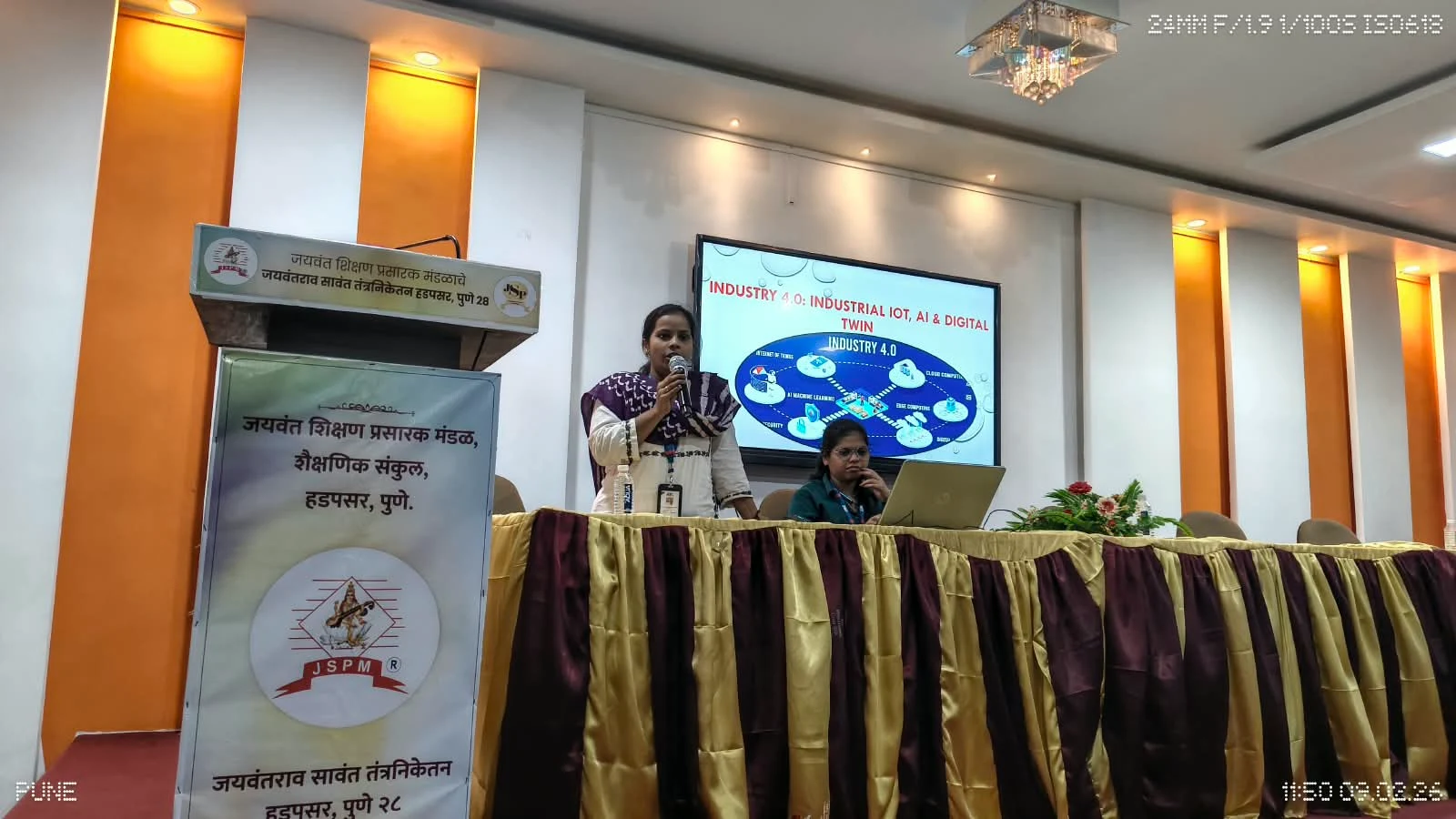
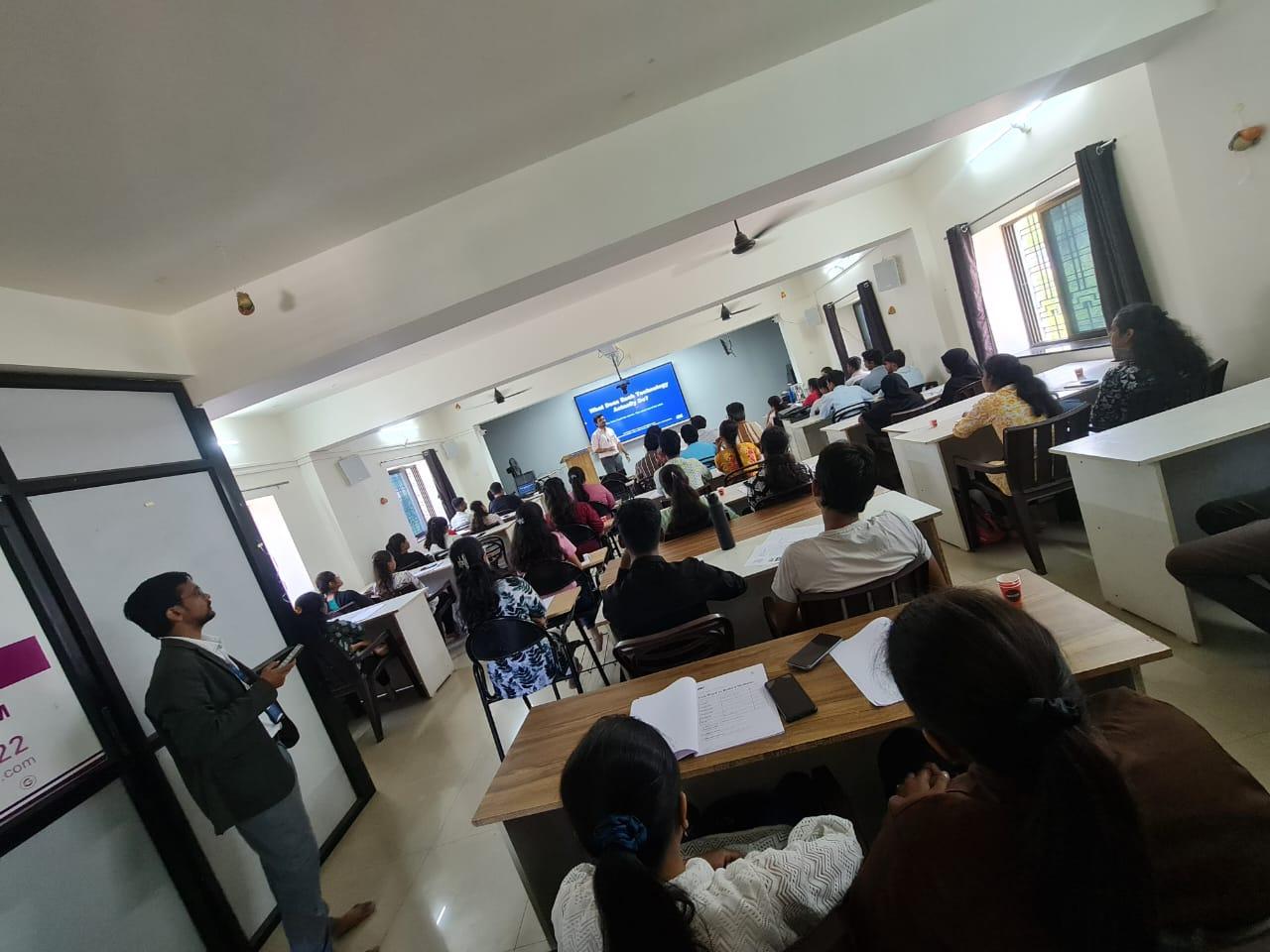
Our Industry 4.0 with AI and Industrial Automation workshop at ABC Trainings covers PLC panel design from P&ID reading through commissioning. You get hands-on practice on Siemens S7-1200 and Delta PLCs, AutoCAD Electrical for schematic drawing, and real panel assembly on our training rigs. Students complete 2–3 panel projects during the course. We connect trained candidates with placement partners in Pune Wagholi, Hadapsar, and CIDCO Aurangabad. Call us at +91 7039169629 or WhatsApp 7774002496 to schedule a free demo.
Engineering students in Maharashtra can apply for the Mukhyamantri Yuva Karya Prashikshan Yojana (CMYKPY) — a state scheme offering ₹6,000–₹10,000 monthly stipend during on-job training. Completing a recognized PLC/automation course from ABC Trainings strengthens your CMYKPY application and makes you eligible for stipend-supported industrial placements at Pune and Sambhajinagar MIDC units.Get the Industrial Automation Brochure + Fees + Batch Dates on WhatsApp
Free 1:1 counselling. Placement track record. CMYKPY/PMKVY eligibility check.
💬 Get Brochure on WhatsApp📞 Call 7039169629About the author: Rutuja Maske, Electrical & Automation Trainer, ABC Trainings.
Visit Our Centers
- Wagholi (Pune): 1st Floor, Laxmi Datta Arcade, Pune-Ahilyanagar Highway. Call 7039169629
- Hadapsar (Pune HQ): 1st Floor, Shree Tower, opp. Vaibhav Theater, Magarpatta. Call 7039169629
- Cidco (Chh. Sambhajinagar): Kalpana Plaza, opp. Eiffel Tower, N-1 Cidco. Call 7039169629
- Osmanpura (Chh. Sambhajinagar): S.S.C Board to Peer Bazar Road, near Jama Masjid. Call 7039169629
- Sangli: Shubham Emphoria, 1st Floor, Above US Polo Assn., Sangli-Miraj Rd, Vishrambag. Weekend batches available. Call 7039169629
FAQs
What is the basic layout of a PLC control panel?
A standard PLC control panel layout includes: incoming MCB/RCCB at the top, 24VDC SMPS power supply, PLC CPU and I/O modules on DIN rails, output relays or contactors, terminal blocks, and cable management ducts. The panel door typically mounts the HMI, emergency stop, selector switches, and pilot indicators.
How long does it take to design a PLC control panel from scratch?
For a small machine panel under 32 I/O, an experienced engineer takes 3–5 days for layout, wiring drawings, and BOM. A medium-sized panel (64–128 I/O) typically takes 2–3 weeks including schematic, BOM, and loop test documentation. At ABC Trainings, students complete their first small panel design project within 4–5 weeks of starting the course.
Which software is used for PLC panel schematic drawing?
AutoCAD Electrical and EPLAN are the two most widely used tools for PLC panel schematics in India. Siemens TIA Portal includes a hardware configuration tool for component selection. Most Pune automation companies — including Bosch and L&T — use AutoCAD Electrical for client deliverables, making it the most practical skill to learn first.
What salary can a PLC panel design engineer expect in Pune?
A fresher with PLC panel design and wiring skills can expect ₹3–4.5 LPA in Pune, Sambhajinagar, or Sangli MIDC. With 2–3 years of experience in Siemens TIA Portal or Allen Bradley RSLogix, salaries typically reach ₹5–8 LPA. Automation engineers at Bosch Rexroth and L&T typically earn ₹6–10 LPA at senior levels, per PayScale India data.