A Day in the Life of a PLC Programmer at a Pune Automotive Plant (Updated July 2026) (Updated July 2026)
Updated July 2026. "What will I actually do on day one?" — this is the question every student asks after finishing their PLC SCADA course. The honest answer: it depends heavily on the plant and employer. But for a Pune automotive plant (think Tier-1 supplier in MIDC Chakan, Ranjangaon, or Bhosari), there's a fairly predictable daily rhythm. I've trained engineers who went on to work at Bajaj Auto, Endurance Group, Tata AutoComp, Bosch Pune, and dozens of MIDC suppliers — and here's the real picture of what their working day looks like.
- PLC programmers at Pune automotive plants typically work 8-hour shifts (day: 7am-3pm, night: 11pm-7am) with weekend schedules.
- The first two hours of every shift are diagnostic — checking panel alarms, reviewing night-shift logs, doing a walk-round.
- Programming tasks (new rungs, parameter changes, HMI updates) happen during production downtime or planned maintenance windows.
- Most day-to-day work is troubleshooting and documentation — less glamorous than programming, but critical for plant continuity.
- Senior PLC programmers spend more time on project work and less on day-to-day support as juniors handle routine tasks.
What Type of Plants Hire PLC Programmers in Pune?
Pune's industrial belt hosts three main types of plants that employ PLC programmers. Automotive OEMs and Tier-1 suppliers (Tata Motors Ranjangaon, Bajaj Auto Akurdi/Waluj, Bosch Pune, Continental, Brose, Mahindra Tech) have large, complex PLC networks on assembly lines, body shops, and paint shops. Here, PLC programmers work alongside production, quality, and maintenance teams. System integrators and machine builders (ISIMAT, Coimbatore-based transfer line companies, local MIDC panel builders) hire PLC programmers to commission new machines both at their workshop and at customer sites — more travel, more variety. Pharmaceutical and process plants (Sun Pharma, Cipla Kurkumbh, Bajaj Healthcare) use PLC for batch control, HVAC, and utility systems — more SCADA-heavy, cleaner environment, often require GMP documentation skills. This guide focuses on the automotive OEM/Tier-1 experience, which is the most common first job for Pune-trained automation engineers.
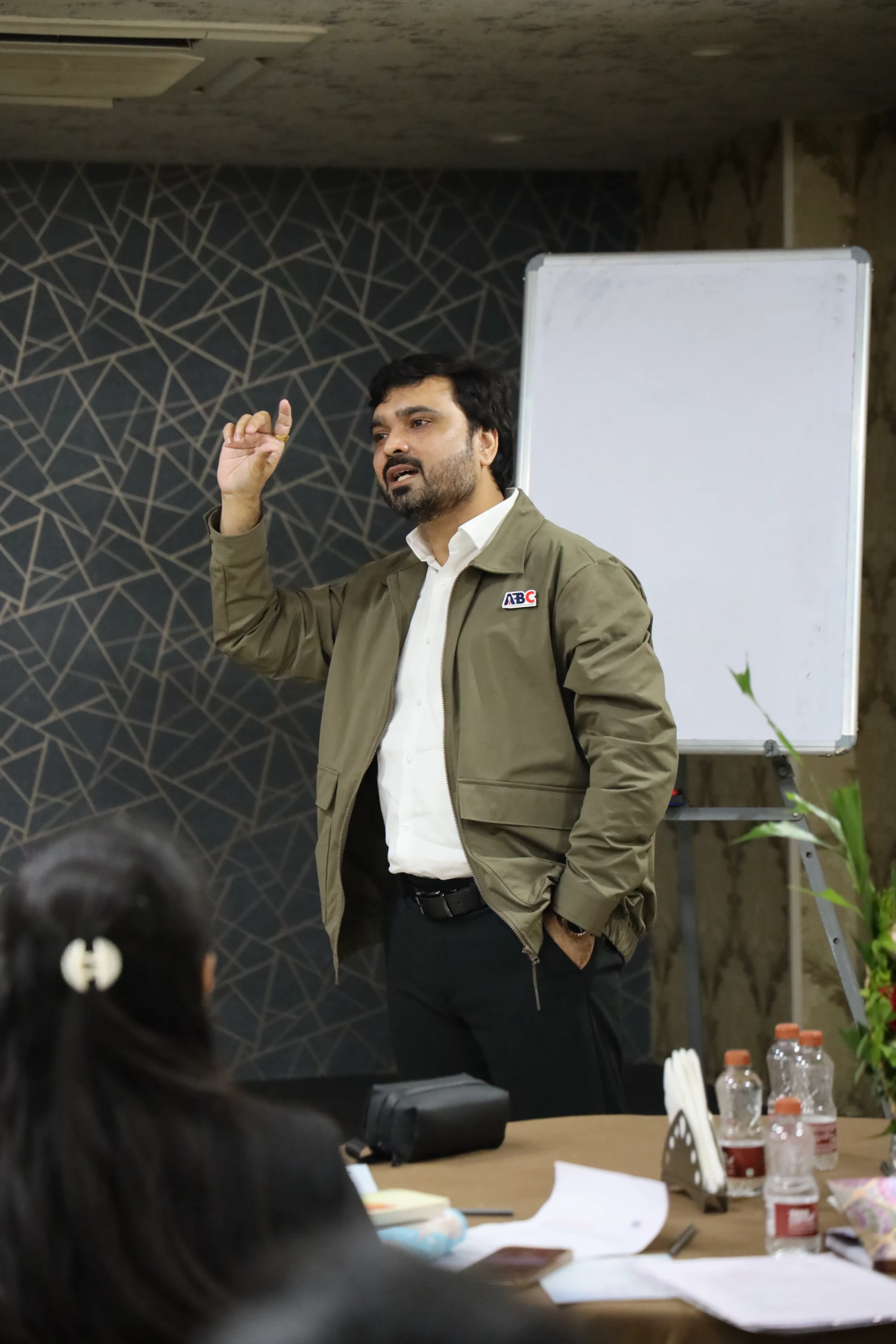
The Morning Shift: 7:00 AM to 10:00 AM — Diagnostics and Handover
The shift starts with handover from the outgoing operator or engineer. A well-run plant has a shift logbook — either paper or a DCS/SCADA shift report — that lists every fault, every manual override, every production stoppage from the previous 8 hours. Your first task is reading that log and physically inspecting any affected panel. Then comes the panel walk-round: check every PLC CPU's status LED (green = running, red = fault), check E-stop status, verify SCADA alarm summary, confirm all drives are running without fault. In a plant with 15-20 panels, this walk takes 30-45 minutes. If everything is green: you check the day's production schedule and attend the 8am production meeting. If there are open alarms: you triage immediately — can it wait for scheduled downtime, or does it need immediate action? The first two hours set the tone of your entire shift.
| Time | Typical Activity | Tools/Systems Used |
|---|---|---|
| 7:00-8:00 AM | Shift handover, log review, panel walk | SCADA alarm summary, shift logbook |
| 8:00-10:00 AM | Production meeting, first-hour fault response | TIA Portal online monitor, drive HMI |
| 10:00 AM-1:00 PM | Troubleshooting, planned modifications | TIA Portal, Studio 5000, SCADA client |
| 1:00-2:00 PM | Lunch break | — |
| 2:00-3:00 PM | Documentation, HMI updates, shift prep notes | SAP PM, CMMS, Excel, SCADA historian |
| 3:00 PM | Shift handover to afternoon/night team | Shift logbook, open ticket summary |
Mid-Morning: 10:00 AM to 1:00 PM — Troubleshooting and Modifications
This is the core of the PLC programmer's day: reactive troubleshooting and planned modifications. Reactive troubleshooting means a machine stopped, an alarm fired, or a conveyor is running at wrong speed. You go to TIA Portal (or Studio 5000, or GX Works3), open the program, force-online-monitor the relevant network, find the fault condition, diagnose whether it's a PLC program issue, a sensor issue, or a mechanical issue, and coordinate with electricians and mechanics to fix it. Planned modifications — the more interesting part — happen during production downtime or planned maintenance. Example tasks: adding a new I/O point (proximity sensor for a new fixture), modifying a timer value because a welding gun cycle time changed, updating an HMI screen to show a new quality parameter, setting up a new recipe for a different vehicle variant. These modifications require proper MOC (Management of Change) documentation — you don't modify live plant programs casually. Most automotive plants require supervisor approval before uploading any PLC program change.
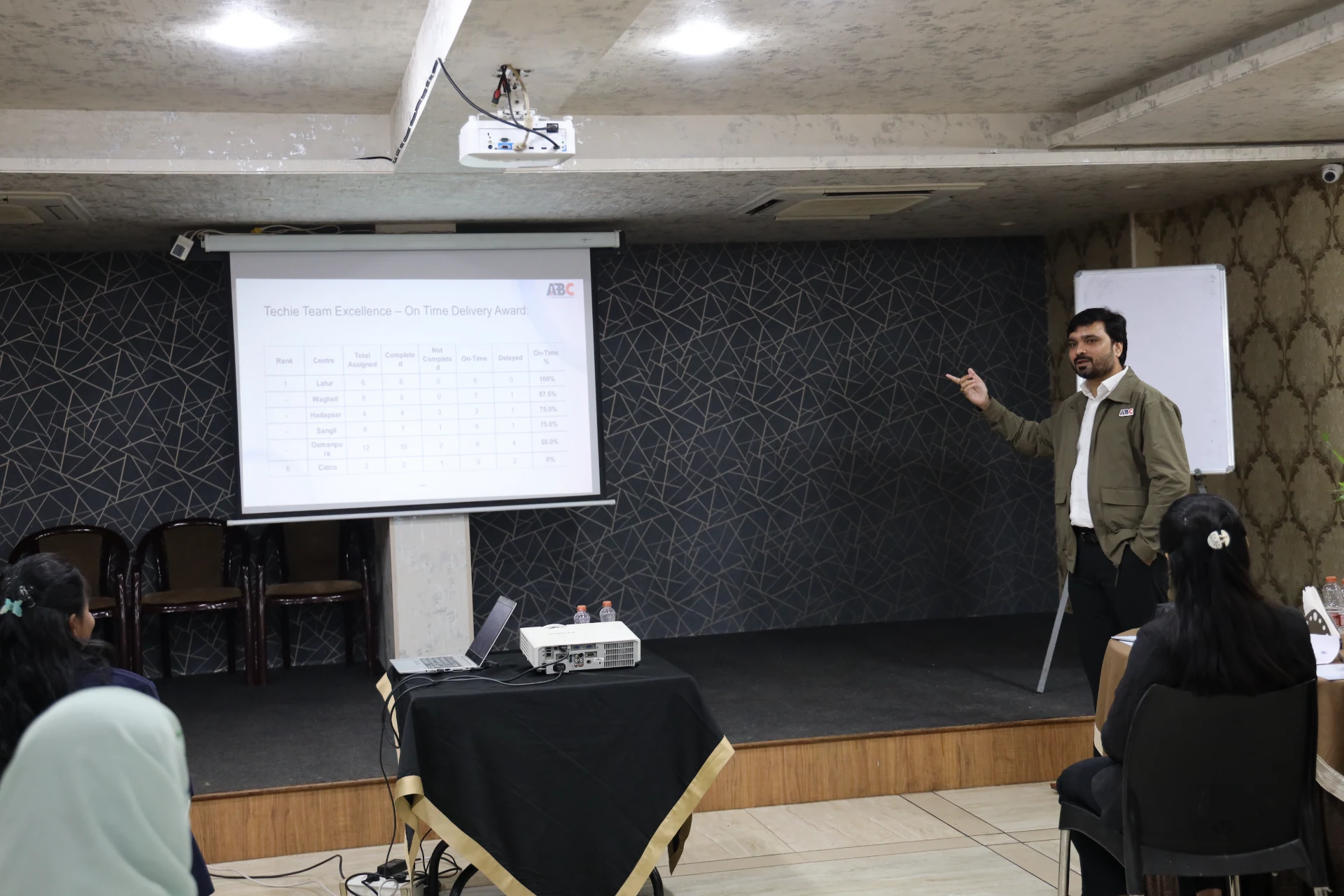
Afternoon: 1:00 PM to 3:00 PM — Documentation, HMI Work, and Planning
Paperwork is a bigger part of the PLC programmer's job than most students expect. You're expected to maintain: As-built drawings (updated P&IDs, wiring diagrams, I/O lists whenever the hardware changes), backup archives (PLC programs must be backed up to server after every change — this is non-negotiable in ISO-certified plants), maintenance tickets (every fault gets logged in a CMMS like SAP PM or TigerEAM with root cause and corrective action), and preventive maintenance checklists (monthly checks on UPS battery, panel AC, terminal torques). HMI work in the afternoon: updating SCADA trend historian configurations, adding new graphics for process monitoring, or testing new alarm setpoints. For engineers who did their PLC training properly, this documentation work is manageable. For those who only learned to program in simulation, the documentation reality can be surprising.
When Things Go Wrong: Emergency Troubleshooting Scenarios
The plant floor is unpredictable. Three common emergency scenarios and how they play out. Scenario 1 — Production line stoppage: A conveyor motor tripped. Within 60 seconds, you're at the panel with your laptop. You go online to the PLC, find the network that monitors the motor drive fault output, check what fault code the drive is showing (E.g., overcurrent = mechanical jam, ground fault = motor winding issue), call the maintenance electrician, document the fault. If it's a drive parameter issue you can fix from the HMI, you do it. If it's mechanical, you isolate and hand over. Estimated resolution time: 15 minutes to 2 hours. Scenario 2 — Safety circuit trip: An E-stop was hit somewhere on a 200-meter line. You check the safety PLC (SIMATIC ET 200SP or GuardLogix) for the specific E-stop address, physically verify reset, restart the safety circuit. This requires knowing the safety logic architecture — which is why safety PLC knowledge is a premium skill. Scenario 3 — SCADA communication loss: A PLC is offline on the SCADA network. Check the Profinet/EtherNet-IP connection, check switch ports, ping the PLC IP, restart the CPU if needed. Most plants have redundant network paths; single-point failures should be rare.
What a PLC Programmer's Week Actually Looks Like
A typical week for a PLC programmer at a Pune automotive plant (day shift): Monday — production meeting, review weekend maintenance work, clear backlog from weekend shifts. Tuesday-Thursday — steady state: troubleshooting during production, planned modifications during breaks. Friday — often the busiest day because the weekend planned maintenance shutdown is being scoped. Saturday — half the plant is running (if shift production target), and engineering teams use it for planned modifications. Sunday — full plant stop: PLC upgrades, panel wiring changes, major modifications. Senior programmers participate in weekend shutdowns for major program changes. Freshers start on monitoring and documentation, graduate to modifications within 3-6 months. Remote access is common in 2026: many plants have VPN access so on-call engineers can diagnose PLC faults from home without driving in at 2am for minor issues.
Career Growth Pathways from a PLC Programmer Role at a Pune Plant
A PLC programmer role at a Pune plant is a strong launchpad for several career directions. Technical specialist path: deepen into a specific platform (Siemens Safety PLCs, Rockwell motion control, Yokogawa DCS) and become the go-to expert — leads to System Architect or Solution Specialist roles at Rs 12-20 LPA by year 6-8. Project engineering path: move from maintaining systems to designing and commissioning new ones — join an automation system integrator or EPC company, work on greenfield projects across India and internationally. Management path: within 5-7 years, shift from hands-on programming to leading automation teams — Automation Manager, Engineering Manager at Rs 15-25 LPA. IIoT/Industry 4.0 path: use your PLC connectivity experience to build OPC-UA gateways and cloud dashboards — this is the fastest-growing niche in 2026 and pays Rs 10-18 LPA even at 3-5 years of experience. ABC Trainings prepares students for all these paths. WhatsApp 7774002496 to check the current batch schedule.
If you're a Maharashtra resident aged 18-35 preparing to enter the automotive automation industry, CMYKPY (Chief Minister Yuva Karya Prashikshan Yojana) can provide a Rs 6,000-10,000/month stipend while you complete your PLC SCADA training at ABC Trainings. WhatsApp 7774002496 to check your eligibility.Get the Industrial Automation Brochure + Fees + Batch Dates on WhatsApp
Free 1:1 counselling. Placement track record. CMYKPY/PMKVY eligibility check.
💬 Get Brochure on WhatsApp📞 Call 7039169629About the author: Rutuja Maske, Electrical & Automation Trainer, ABC Trainings.
Visit Our Centers
- Wagholi (Pune): 1st Floor, Laxmi Datta Arcade, Pune-Ahilyanagar Highway. Call 7039169629
- Hadapsar (Pune HQ): 1st Floor, Shree Tower, opp. Vaibhav Theater, Magarpatta. Call 7039169629
- Cidco (Chh. Sambhajinagar): Kalpana Plaza, opp. Eiffel Tower, N-1 Cidco. Call 7039169629
- Osmanpura (Chh. Sambhajinagar): S.S.C Board to Peer Bazar Road, near Jama Masjid. Call 7039169629
- Sangli: Shubham Emphoria, 1st Floor, Above US Polo Assn., Sangli-Miraj Rd, Vishrambag. Weekend batches available. Call 7039169629
FAQs
Do PLC programmers at automotive plants work night shifts?
Yes. Most automotive plants operate on rotating or fixed shifts. Freshers often start on day shift (7am-3pm or 8am-4pm) and may rotate to afternoon (3pm-11pm) or night shift (11pm-7am). Night shift work at an automation salary is standard in manufacturing — the PLC team is needed around the clock for production continuity. Most plants pay a 20-30% night shift allowance on top of basic salary.
How much does a PLC programmer earn at a Pune automotive plant in 2026?
Freshers joining Pune automotive plants (Tier-1 suppliers, OEM sub-contractors) earn Rs 2.8-4.5 LPA in 2026. Direct OEM roles (Bosch, Continental, Brose) start at Rs 3.5-5 LPA. After 2-3 years with multi-platform PLC skills and commissioning experience, Rs 6-9 LPA is typical. Senior PLC programmers with 6-8 years at major OEMs earn Rs 10-18 LPA (AmbitionBox, 2026).
What software should I know before joining a Pune automotive plant as a PLC programmer?
For Pune automotive plants, Siemens TIA Portal (S7-1200/1500 series) is the most common PLC platform — cover this first. Allen-Bradley Studio 5000 (for Bosch, Continental, some American OEM suppliers) is second priority. WinCC or AVEVA InTouch for SCADA. Profinet networking for industrial communications. You don't need all of these before day one — just TIA Portal and basic SCADA operation will get you started; add the others on the job.
Is PLC programming work stressful at an automotive plant?
It can be. Production line stoppages are high-pressure situations — a stopped line at an automotive plant can cost Rs 5-20 lakh per hour in lost production. PLC programmers are expected to diagnose and resolve issues quickly, sometimes with senior management watching. However, routine days are quite manageable. The stress level scales down significantly as you gain experience and know the plant system deeply. Engineers who've been at a plant for 2-3 years handle the same emergencies with much less stress because they know exactly where to look.