If you already know the basics of Autodesk Construction Cloud, this is where things get serious. Autodesk Construction Cloud best practices are what separate a clean, scalable project from a total mess of duplicate files, broken permissions, missing RFIs, and coordination chaos. I've seen this across Pune, Chhatrapati Sambhajinagar, Sangli, and on projects tied to firms like L&T, Tata Technologies, Siemens, and Thermax. Here's the thing: most teams don't fail because they don't know the buttons. They fail because their setup is weak. This guide is for power users, BIM coordinators, site engineers, and document controllers who want professional-level control in 2026.

What Are the Best Practices for Autodesk Construction Cloud Implementation?
The best practices for Autodesk Construction Cloud implementation start with a phased rollout — begin with a pilot project, lock down your folder structure and permission matrix before uploading any data, and run issue and RFI workflows on a live project before rolling out company-wide. That sequence prevents the most common and costly mistakes: folder chaos, broken permission groups, and teams reverting to email because the digital workflow was not established before data arrived. The second non-negotiable: assign a dedicated Project Admin (not just an Account Admin) for each live project from day one — this person owns the configuration, onboards new team members, and audits access monthly. Implementation without a named owner almost always drifts into unmanaged state within 90 days.
Change Management and Team Adoption: The Missing Link in Most ACC Implementations
Here is the thing: the #1 reason Autodesk Construction Cloud implementations fail in Indian AEC firms is not technical — it is adoption. The software is set up correctly, but site engineers continue using WhatsApp, the architect sends drawing revisions over email, and the project manager keeps a parallel Excel tracker because nobody trained them properly and the new workflow feels like extra work. Change management has to start before go-live, not after. What works: involve end users in the folder structure decision — when the structural team helps name the STR folder, they feel ownership and actually use it. Run role-specific training sessions (15-minute sessions per role, not one 3-hour all-hands that nobody retains). Create a one-page quick reference card for each role — what to do, which buttons to click, nothing more. Set a firm cutoff date for the old system: parallel running (ACC AND email) delays adoption by months. Define consequences for non-compliance in the BIM Execution Plan — not as a punitive measure, but to signal that the new process is the actual process. For teams at L&T, AECOM, Siemens, and Mahindra Engineering who have successfully adopted ACC, the pattern is consistent: one internal ACC champion with real authority to enforce the workflow, trained by the platform, and empowered to say no to workarounds.
What are the most important Autodesk Construction Cloud best practices?
If I had to train an experienced team in one session, I'd focus on 19 practical habits that prevent 80% of project headaches.
1. Start with a project template
Don't build every project from scratch. Create a standard folder structure, naming convention, issue types, review workflow, and permission matrix. What most people don't realize is that consistency saves more time than any shortcut key.
2. Lock down permissions early
Too many Indian project teams give broad edit access in week one and regret it by week three. Use role-based permissions for architects, structural teams, MEP consultants, contractors, and client reviewers. Keep write access limited.
3. Separate WIP, Shared, and Published logic
Even if your team is small, maintain clear work-in-progress and approved information zones. Trust me, this one habit prevents accidental use of unfinished models on site.
4. Use naming standards that survive handover
A file named Final_Revision_Latest_UseThis.rvt is not a standard. Use project code, discipline, zone, level, package, revision, and date where needed. Make names readable for site teams too.
5. Standardize issue types and subtypes
If one engineer logs an issue as clash, another as design error, and a third as site comment, reporting becomes useless. Define issue categories before coordination begins.
6. Set review deadlines inside the platform
Don't rely on WhatsApp alone. Keep due dates, assignees, and status updates inside ACC so accountability is visible.
7. Use transmittals carefully
For formal submissions, transmittals matter. They're especially useful when working with clients, PMCs, and vendors across Mumbai, Pune, and Nashik.
8. Keep RFIs structured
Write one question per RFI. Add markups, exact locations, and due dates. A vague RFI slows everyone down.
9. Don't overload every user with notifications
Notification fatigue is real. Configure alerts so users get what matters, not every minor update.
10. Use version history instead of duplicate uploads
ACC already tracks versions. Don't create File_v2, v3, v7_final. Upload properly and maintain one source of truth.
11. Run clash meetings with issue ownership
Coordination only works when each clash has an owner, due date, and closure path. Navisworks exports alone aren't enough.
12. Create package-based review cycles
Review by area, floor, or service package. Large hospital, factory, and commercial projects become manageable this way.
13. Use mobile workflows for field teams
Site engineers should access current drawings, snag lists, checklists, and photos on mobile or tablet. The good news is ACC works best when office and site data stay connected.
14. Audit folder access monthly
Projects change. Consultants leave. Vendors get replaced. Review access every month.
15. Train teams on status discipline
Open, in review, answered, closed, void - these should mean the same thing to everyone.
16. Keep markups readable
Use standard colors and short comments. Long unclear markups waste review time.
17. Track model coordination trends
Don't just count clashes. Track repeat disciplines, recurring zones, and unresolved patterns.
18. Use approval workflows for critical documents
Method statements, IFC drawings, and vendor submittals should not move informally.
19. Document lessons learned at project closeout
This becomes your next project template. That's how mature teams improve.
How should advanced users set up folders, permissions, and naming standards?
Here's the setup I recommend for Indian AEC teams handling real projects. At the top level, keep folders such as 01_WIP, 02_Shared, 03_Published, 04_Site_Records, 05_RFIs, 06_Submittals, and 07_Closeout. Inside Shared, divide by discipline: ARC, STR, MEPF, QS, QAQC, and Vendor Docs.
For permissions, avoid giving all consultants upload rights everywhere. Architects don't need to overwrite structural packages. Site contractors don't need access to internal design review folders. On a live project, one bad permission setting can cost days. I've seen teams in Pune MIDC and Chakan lose track of approved drawings because everyone had edit access.
For naming, use a rule like: PRJ-DIS-ZONE-LEVEL-TYPE-NUM-REV. For example: THX-MEP-B1-L02-DRG-104-R2. It's boring, yes. But it works when 2000 files pile up.
How do you troubleshoot common Autodesk Construction Cloud problems?
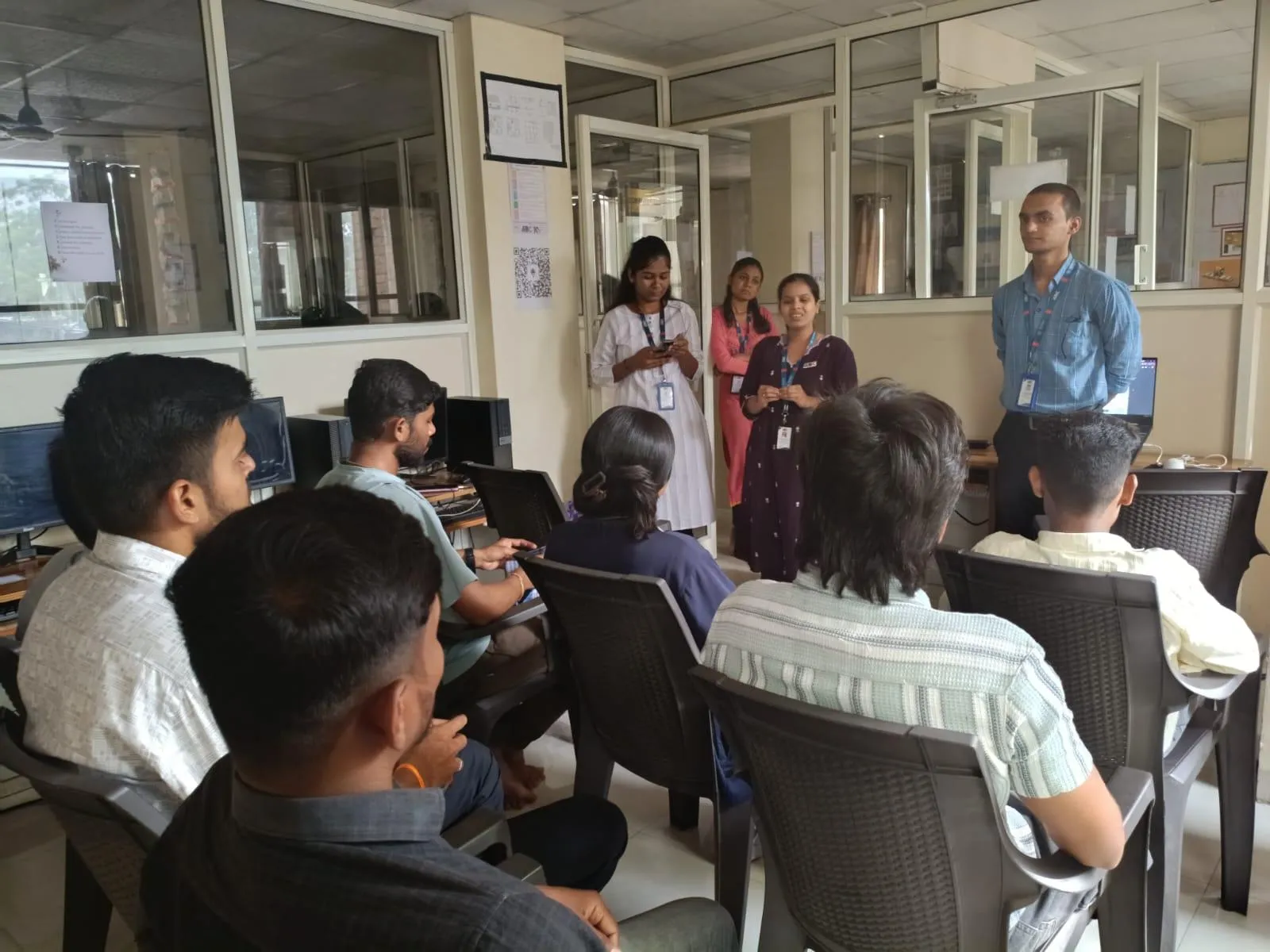
Most troubleshooting comes down to process, not software failure. Let's break down the common ones.
Why can't a user see files?
Check folder permissions first, then company membership, then role assignment. In many cases, the file exists but the user is in the wrong permission group.
Why are teams working on the wrong drawing revision?
This usually happens when Published and Shared folders are mixed up, or when PDF exports are downloaded to desktop and circulated manually. Keep the approved sheet in one obvious location.
Why are issues not getting closed?
Because the assignee is unclear, due dates are missing, or issue types are too vague. Make issue fields mandatory for discipline, location, responsible party, and target date.
Why is coordination taking too long?
Because clashes are being dumped in bulk without prioritization. Group clashes into high, medium, and low impact. Focus first on structure vs MEP, ceiling congestion, shaft conflicts, and equipment access zones.
Why do field teams stop using ACC?
Usually because the mobile workflow was never simplified. Give site teams only what they need: latest drawings, punch items, checklists, and photo evidence capture. Don't force them through a desktop-style process.
What are the best ACC workflows for BIM managers and coordinators?
If you're already handling coordination, here's where you become more efficient.
Run a weekly cycle. Monday: model upload cutoff. Tuesday: clash review and issue assignment. Wednesday: discipline fixes. Thursday: validation run. Friday: dashboard and pending summary. This rhythm works well for consultants and contractors working with firms like Bosch, Mahindra Engineering, Kirloskar, and Bajaj Auto on industrial and building projects.
Use dashboards to report only actionable metrics: open issues by discipline, overdue RFIs, pending reviews, and top clash zones. Don't flood management with 25 charts nobody reads.
Also, create a short onboarding SOP for every new project member. Ten minutes of training can prevent ten days of confusion.
What skills help you get better ACC jobs in Maharashtra?
Companies don't pay more just because you've heard of BIM 360 or ACC. They pay for control, speed, and reliability. If you can set up permissions, manage Docs, run issue workflows, organize reviews, support site teams, and troubleshoot coordination problems, you're valuable.
In Maharashtra, an entry-level coordinator with basic ACC exposure may start around ₹18,000 to ₹28,000 per month. A solid BIM coordinator using Autodesk Construction Cloud properly can earn ₹35,000 to ₹55,000. Advanced BIM managers and ACC workflow specialists in Pune, Mumbai, or large EPC environments can reach ₹60,000 to ₹1.2 lakh per month depending on project complexity.
If you want hands-on practice instead of only theory videos, ABC Trainings helps learners build real project workflows, not just software familiarity. You can call 7039169629 or WhatsApp 7774002496 to check current CAD and BIM batches.
Is Autodesk Construction Cloud worth learning deeply in 2026?
Absolutely, if you want to work on serious projects. L&T, Infosys campus projects, Tata-linked engineering environments, Siemens vendors, and large contractor ecosystems increasingly expect structured digital collaboration. Here's the thing: software knowledge gets you shortlisted, but workflow maturity gets you hired and promoted.
The good news is you don't need to master everything at once. Go deeper into Docs, issue control, approvals, RFIs, and coordination reporting. That's where most professionals move from basic user to trusted project person. And trust me, that shift is what employers notice.
Is Autodesk Construction Cloud better than basic file sharing for construction teams in India?
Yes, because it gives version control, permissions, issues, RFIs, approvals, and traceability in one place. Basic file sharing tools may store drawings, but they don't control project communication properly. On Indian projects with multiple consultants and contractors, that lack of control creates rework fast.
Which ACC module should I master first after learning the basics?
Start with Autodesk Docs, then move to issue management, reviews, RFIs, and coordination workflows. Docs is the foundation because if your file control is weak, everything else becomes messy. Once that is stable, your productivity improves quickly.
What salary can I expect after learning Autodesk Construction Cloud in Maharashtra?
For freshers with practical ACC exposure, ₹18,000 to ₹28,000 per month is common. With real project coordination skills, many professionals move to ₹35,000 to ₹55,000. Senior BIM coordinators and managers in Pune or Mumbai can earn ₹60,000 and above when they handle live workflows confidently.
Where can I learn Autodesk Construction Cloud with practical workflow training?
Look for training that includes folder setup, permissions, issue tracking, RFIs, approvals, and real coordination scenarios. That's far more useful than a feature-only demo. ABC Trainings offers job-focused CAD and BIM learning support in Maharashtra; call 7039169629 or WhatsApp 7774002496 for batch details.
Visit Our Centers
Chhatrapati Sambhajinagar
Corporate Office (HQ)
2nd Floor, Kandi Towers, Jalna Road, Amarpreet Chowk, Chhatrapati Sambhajinagar, Maharashtra 431001
Osmanpura Branch
Plot No 14, Shanya Sect, Near Sant Eknath Rang Mandir, Osmanpura, Chhatrapati Sambhajinagar, Maharashtra 431005
CIDCO Branch
Plot No 4, N-3, Cidco, Opp. High Court, Chhatrapati Sambhajinagar, Maharashtra 431003
Pune
Wagholi Branch
1st Floor, ABC Trainings, Laxmi Datta Arcade, Pune - Ahilyanagar Hwy, Wagholi, Pune, Maharashtra 412207
Hadapsar Branch
Bloom Hotel, ABC Trainings 1st Floor, S.no 156/3 Shree Tower Pune - Solapur Rd, Hadapsar, Pune, Maharashtra 411028
Sangli
Sangli Branch
2nd Floor, Vasant Market, Opp. City High School, Sangli, Maharashtra 416416
The First 90 Days: Your ACC Implementation Roadmap for Indian Construction Teams
Before your first project goes live on Autodesk Construction Cloud, the most common mistake Indian teams make is skipping the organisational readiness phase — treating it as a software deployment rather than a change management exercise. In days 1 to 30, focus on: defining your project folder structure and naming conventions (a decision that is nearly impossible to change cleanly after data is uploaded), setting up your BIM Execution Plan for at least one pilot project, assigning Account Admin and Project Admin roles with a clear RACI matrix, and running a discovery session with your key stakeholders — architects, structural engineers, MEP consultants, and the client-side project manager — to align on who reviews what, who has sign-off authority, and what the issue escalation path looks like. Teams that skip this phase and jump straight to uploading drawings typically spend weeks 4 to 12 untangling permission conflicts and folder chaos.
In days 31 to 60, run one real project through the full ACC workflow before rolling it out across your portfolio. Pick a project with an active design phase. The goal of the pilot is to stress-test your workflows on Issues (logging site problems with photos, assigning owners, closing loops), RFIs (formal requests for information with tracked response times), and Submittals (material approval workflows with review status logging). Common friction points for Indian teams during the pilot: date formats (ACC defaults to US format — set this in admin settings early), connectivity issues at remote site offices (set up offline access before field teams go live), and notification fatigue when everyone on the project is tagged on every issue. Document every friction point — these become your SOP for the broader rollout. The pilot also shows you which roles actually need full edit access versus read-only — a permission decision that is much easier to make with evidence from a live project than from a configuration document.
In days 61 to 90, roll out to the rest of your active projects while locking in the configuration decisions from the pilot phase. Migrate active projects from your previous document management system — Aconex, BIM 360 legacy, SharePoint, or a file server each has a different migration pathway, and doing this without a plan is where most Indian firms lose two to four weeks. Run role-specific training sessions rather than all-hands sessions: field team training is different from design team training in both content and duration. Finally, establish your KPI baseline — RFIs per week, average RFI response time, open issues per project — in the final two weeks of the 90-day window. This baseline is what demonstrates ROI to leadership and justifies continued investment in the platform. ABC Trainings' ACC module covers the full implementation sequence, from account setup and pilot workflows to organisational readiness, built around how Indian construction companies actually work. Call 7039169629 for batch dates at our Pune, Sambhajinagar, and Sangli centres.
Start Your Career Journey Today
Join 10,000+ students who transformed their careers with ABC Trainings.
💬 WhatsApp: 7774002496📞 Call: 7039169629