AWS and DevOps Training in Aurangabad 2026
AWS and DevOps training in Aurangabad is no longer just for students in Pune, Hyderabad, or Bengaluru. Chhatrapati Sambhajinagar's IT sector is growing, local companies are hiring for cloud support and deployment roles, and many students are now targeting remote jobs with firms across Maharashtra and India. I've trained 1000+ students over the years, and here's the thing: most beginners don't fail because AWS or DevOps is too hard. They fail because they learn in the wrong order, skip hands-on work, and treat tools like theory subjects.
If you're from Aurangabad, Waluj, CIDCO, Beed Bypass, or nearby areas and want to build a cloud career, this guide will save you months of confusion. Trust me, the students who get placed are rarely the ones who know the most buzzwords. They're the ones who can actually deploy, troubleshoot, explain, and stay consistent.
What mistakes do beginners make in AWS and DevOps training?
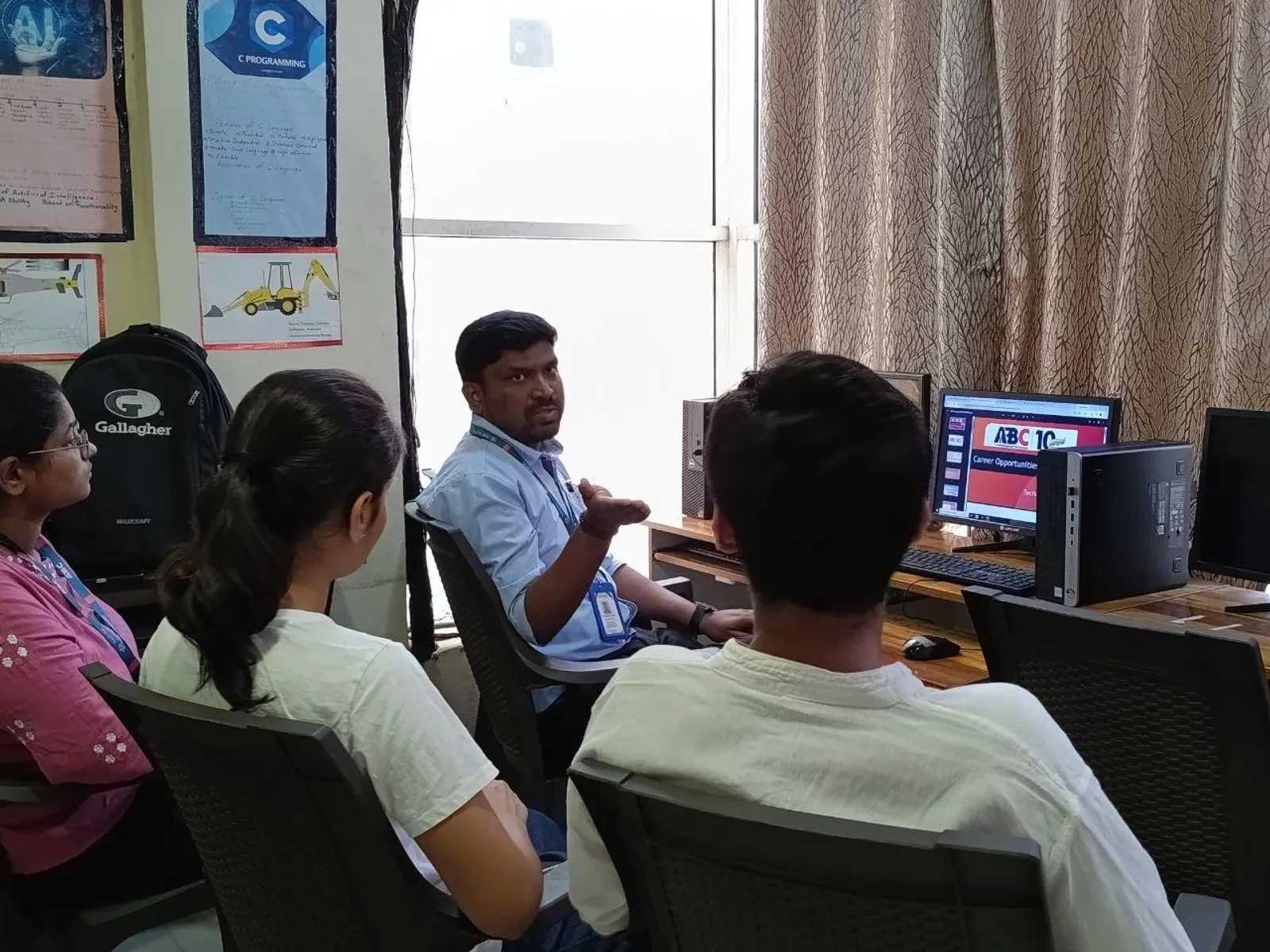
The first mistake is trying to learn everything at once. A student watches one YouTube video on AWS, another on Docker, then jumps to Kubernetes, Terraform, GitHub Actions, and Linux administration. After two weeks, nothing is clear. What most people don't realize is that DevOps is not one software. It's a working chain. If your Linux basics are weak, your AWS practice suffers. If you don't understand Git, Jenkins pipelines will feel confusing. If Docker isn't clear, Kubernetes will look impossible.
The second big mistake is avoiding the command line. Many students want cloud careers but panic when they see a terminal. The companies hiring for entry-level cloud and DevOps roles expect basic comfort with Linux commands, file permissions, package installation, SSH, logs, and service status checks. Whether you later work with Infosys, TCS, KPIT Technologies, Bosch, Siemens, or a smaller product company, nobody will pay you to click around without understanding what is happening.
The third mistake is copying projects without understanding them. Students paste commands from blogs, deploy an EC2 instance, install Jenkins, and say they know DevOps. Then in interviews, one simple question breaks them: Why did you choose this security group rule? What is the difference between a private subnet and a public subnet? Why use Docker instead of installing directly on the server? Silence.
How should a beginner in Sambhajinagar actually start AWS and DevOps?
Start with the base, not the glamour. The good news is you don't need to master ten tools in month one. Here's a sequence I recommend because it works.
First, learn Linux basics properly. Not just ls, cd, and mkdir. Learn users, groups, permissions, package managers, services, logs, networking basics, disk usage, and shell commands. Second, learn Git and GitHub. Every serious DevOps workflow starts there. Third, move to AWS core services like EC2, S3, IAM, VPC, CloudWatch, and RDS. Fourth, learn Docker. Fifth, understand CI/CD using Jenkins or GitHub Actions. Then move to Kubernetes basics. After that, infrastructure as code with Terraform becomes much easier.
I've seen students from non-IT backgrounds do very well with this order, including BSc, BCA, diploma, BE, and even working professionals from support roles. The students who try to start directly with Kubernetes in 2026 usually come back frustrated.
What skills separate placed students from students who don't get selected?
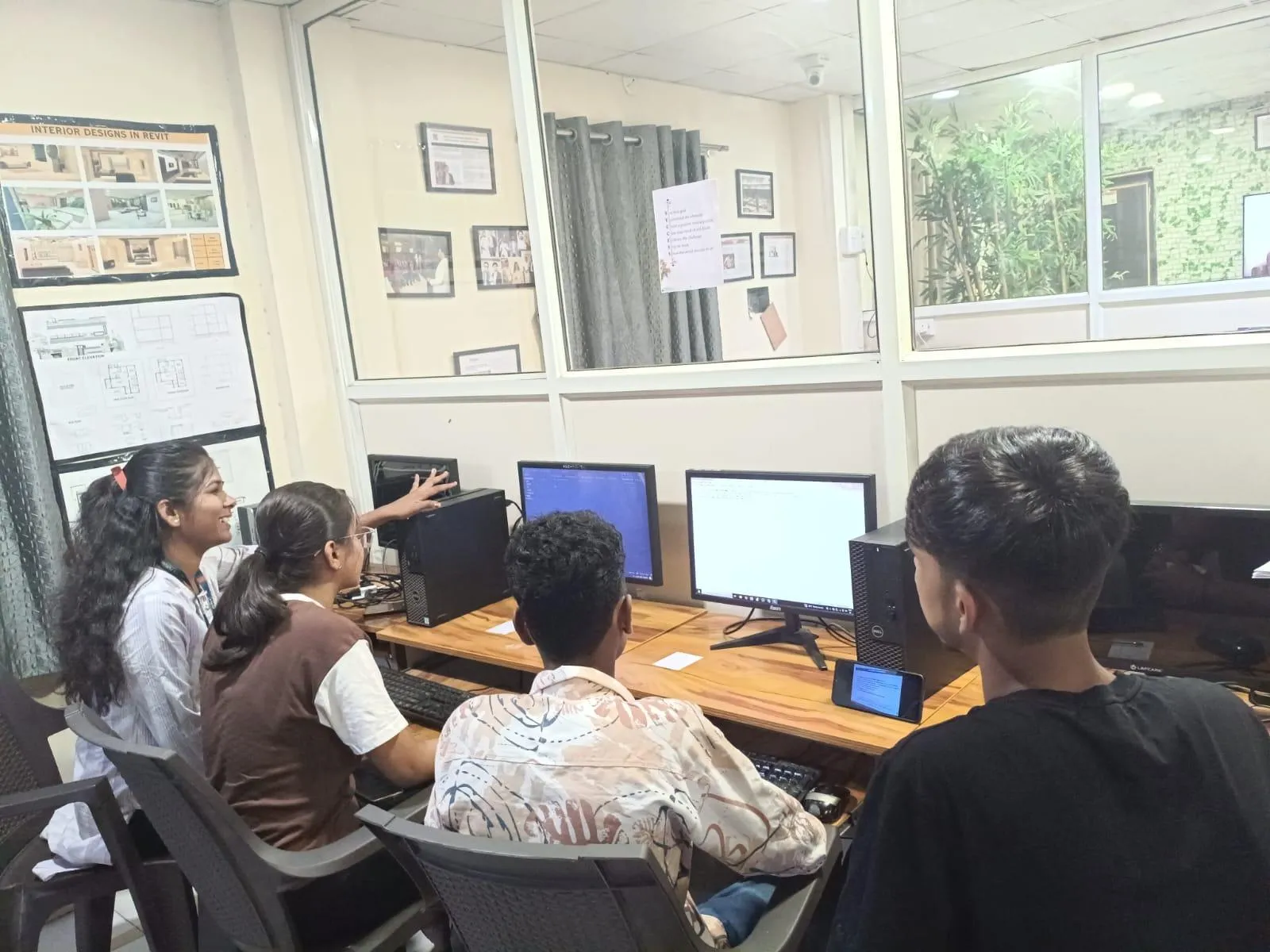
This is where experience matters. After watching batches for years, I can tell you exactly what separates the two groups.
Placed students build small but complete projects
They don't just say, "I learned AWS." They show a project: a static website hosted on S3, a web app deployed on EC2 with Nginx, a CI/CD pipeline using Jenkins, a Dockerized application pushed through GitHub, monitoring through CloudWatch, and basic alerts configured. That's enough to start conversations in interviews.
Placed students can explain what they did
Trust me, interviewers don't expect a fresher from Aurangabad to run a production system like a senior engineer at Tata Technologies or Mahindra Engineering. But they do expect clarity. If you can explain architecture, deployment steps, common errors, and why you chose a service, you already look stronger than most freshers.
Placed students practice troubleshooting
What most people don't realize is that cloud jobs are not about perfect demos. They're about fixing broken things. Security group issue? Permission denied? Jenkins plugin failure? Docker port conflict? Kubernetes pod crash? Students who stay calm and debug logically get shortlisted faster.
Placed students keep their resume focused
One page. Relevant tools only. Real project work. No fake experience. No random list of 40 technologies. If you've practiced Linux, AWS, Git, Docker, Jenkins, and basic Kubernetes, say that clearly. Don't add Ansible, Terraform, Prometheus, Grafana, and Azure just because they sound impressive.
Which tools should you learn first for AWS and DevOps jobs in 2026?
For freshers in Maharashtra, I recommend focusing on tools that regularly appear in entry-level openings and interview rounds. Learn Linux, Git, GitHub, AWS EC2, IAM, S3, VPC, CloudWatch, Docker, Jenkins, and Kubernetes basics. If time permits, add Terraform. For versions, practice with Docker 27, Kubernetes 1.31 concepts, Jenkins LTS, Git 2.x, and current AWS console workflows.
Don't chase every new tool. A student who knows six tools deeply is more employable than someone who has touched fifteen tools once. That's true whether you're applying in Sambhajinagar, Pune, Hinjawadi, Kharadi, Nashik, or remote support roles for companies working with clients in India and abroad.
What salary can AWS and DevOps freshers expect in Aurangabad and Maharashtra?
Let's be practical. Freshers trained well in AWS and DevOps can expect around ₹2.8 lakh to ₹4.5 lakh per year in entry-level support, cloud operations, junior DevOps, or deployment roles. In Pune, stronger candidates with solid projects and interview skills may start at ₹4.5 lakh to ₹6.5 lakh. Candidates who move into product firms or strong service teams after 1 to 2 years can reach ₹6 lakh to ₹9 lakh.
I've also seen students start in system admin or cloud support roles and then transition into DevOps. That's a smart move, not a compromise. Companies like Infosys, TCS, Siemens, Bosch, KPIT Technologies, Thermax, and Kirloskar often value practical support and deployment exposure more than flashy certificates with no skill behind them.
What should you never do during AWS and DevOps preparation?
Don't memorize interview answers without practice. Don't spend all your time collecting certificates. Don't ignore networking basics. Don't avoid Linux. Don't put fake internship experience on your resume. And please don't say you're a DevOps engineer after completing one weekend workshop.
Here's the thing: employers can spot shallow learning in five minutes. If you don't know how DNS works, what an IAM role does, why a build fails, or how a container differs from a virtual machine, your confidence will collapse under basic questioning.
How can students in Aurangabad prepare for placement faster?
Use a 60 to 90 day plan. Spend the first few weeks on Linux, Git, and networking basics. Then move to AWS core services. After that, build one deployment project and one CI/CD project. Record your own deployment steps in a notebook. Maintain command history. Keep screenshots. Create a GitHub repository. Practice explaining your project in simple English and simple technical language.
At ABC Trainings, this is exactly where many students improve fast: structured practice, trainer feedback, mock interviews, and project correction. One natural advantage local students have is lower distraction compared to city rush. If you use that well, you can compete with candidates from bigger markets. For details, you can call 8698270088 or WhatsApp 7774002496.
The good news is that Sambhajinagar students do not need to relocate on day one to build cloud skills. You need the right sequence, real hands-on work, and honest preparation. I've seen average students become job-ready once they stop chasing shortcuts and start practicing daily. That's what gets placement results, not hype.
Is AWS and DevOps a good career option for students in Aurangabad in 2026?
Yes, especially if you're willing to build practical skills. Cloud, deployment, automation, and support roles are growing across Maharashtra, and many companies now hire remotely or from tier-2 cities. Students from BCA, BSc IT, BE, MCA, and diploma backgrounds can enter this field if their Linux, AWS, and project work are strong. The job market rewards hands-on ability more than theory.
Can a non-IT student learn AWS and DevOps in Sambhajinagar?
Yes, but you must be disciplined. Non-IT students usually need a little extra time for Linux, networking, and basic software concepts, but they can still succeed. I've seen mechanical, electrical, and diploma students shift into cloud support and DevOps roles by following a proper roadmap. Start with fundamentals and don't compare your week 2 with someone else's year 2.
Which AWS and DevOps tools are enough for a fresher resume?
For a fresher, Linux, Git, GitHub, AWS EC2, S3, IAM, VPC, CloudWatch, Docker, Jenkins, and Kubernetes basics are enough if you can actually use them. Add Terraform only after your core stack is clear. Keep your resume honest and project-based. One strong deployment project is better than ten copied mini tasks.
Where can I join AWS and DevOps training in Aurangabad with placement support?
You should look for training that includes hands-on labs, projects, interview preparation, and trainer feedback instead of only recorded content. ABC Trainings is one option students in Chhatrapati Sambhajinagar consider for practical IT training and career guidance. Before joining anywhere, ask about project work, mock interviews, batch size, and whether trainers explain troubleshooting, not just commands. You can contact ABC Trainings at 8698270088 or WhatsApp 7774002496.
Visit Our Centers
Chhatrapati Sambhajinagar
Corporate Office (HQ)
2nd Floor, Kandi Towers, Jalna Road, Amarpreet Chowk, Chhatrapati Sambhajinagar, Maharashtra 431001
Osmanpura Branch
Plot No 14, Shanya Sect, Near Sant Eknath Rang Mandir, Osmanpura, Chhatrapati Sambhajinagar, Maharashtra 431005
CIDCO Branch
Plot No 4, N-3, Cidco, Opp. High Court, Chhatrapati Sambhajinagar, Maharashtra 431003
Start Your Career Journey Today
Join 10,000+ students who transformed their careers with ABC Trainings.
💬 WhatsApp: 7774002496📞 Call: 8698270088