Introduction to BIM in Aurangabad
Building Information Modeling (BIM) is transforming the way we approach construction and infrastructure projects. In Aurangabad, a city renowned for its burgeoning civil engineering industry, the demand for skilled BIM professionals is on the rise. Whether you're a student or a working professional looking to upskill, choosing the right BIM institute is crucial for your career growth.
Criteria for Choosing the Best BIM Institute
When selecting a BIM institute in Aurangabad, consider the following factors:
Accreditation and Reputation
Ensure the institute is accredited and has a strong reputation in the industry. Look for reviews and testimonials from former students to gauge the quality of education provided.
Experienced Faculty
Experienced and knowledgeable instructors are key to mastering BIM techniques. Check the qualifications and industry experience of the faculty to ensure you're learning from experts.
Comprehensive Curriculum
A good BIM course should cover both theoretical concepts and practical applications. The curriculum should include software training, project management, and hands-on projects.
State-of-the-Art Facilities
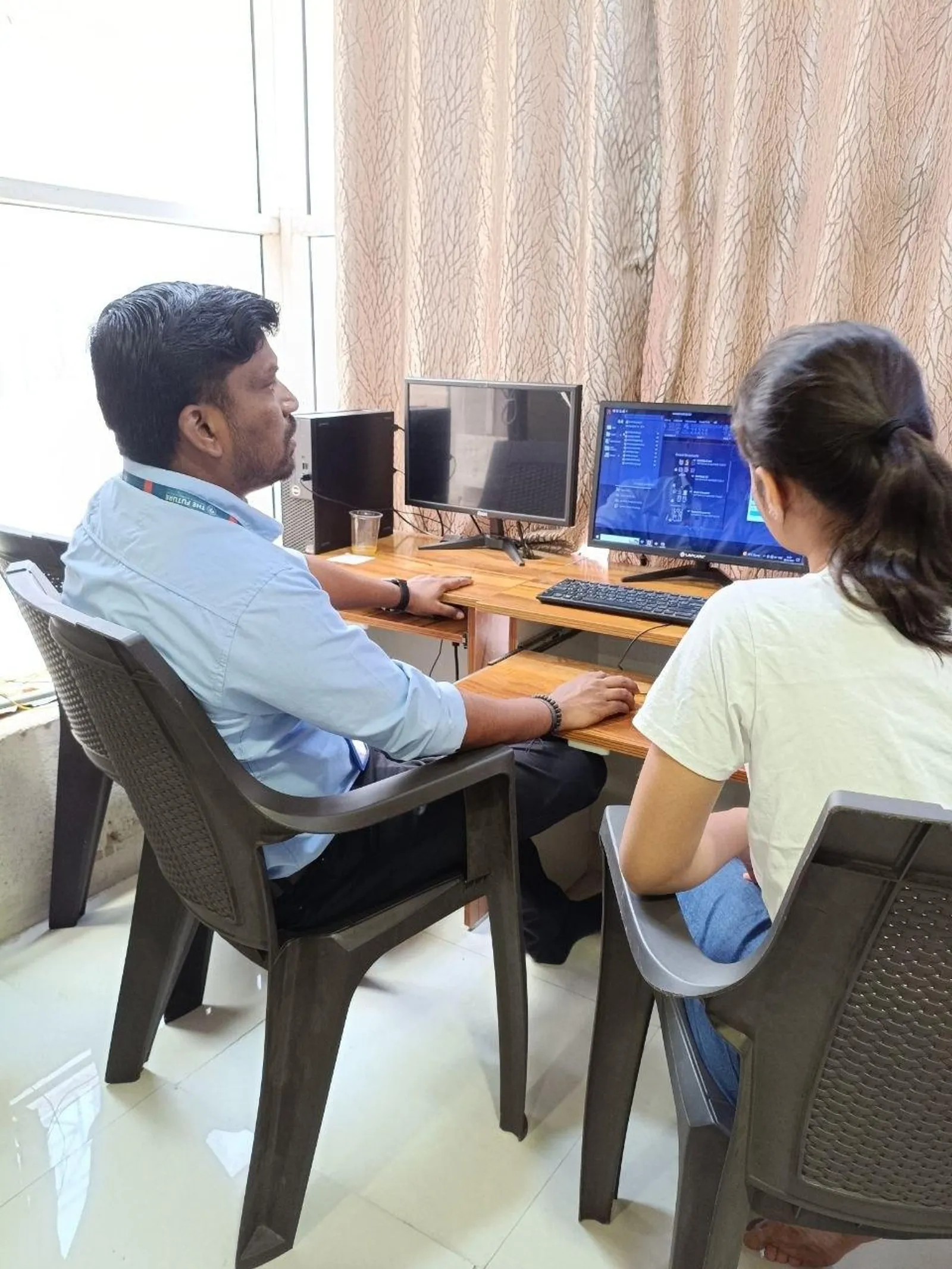
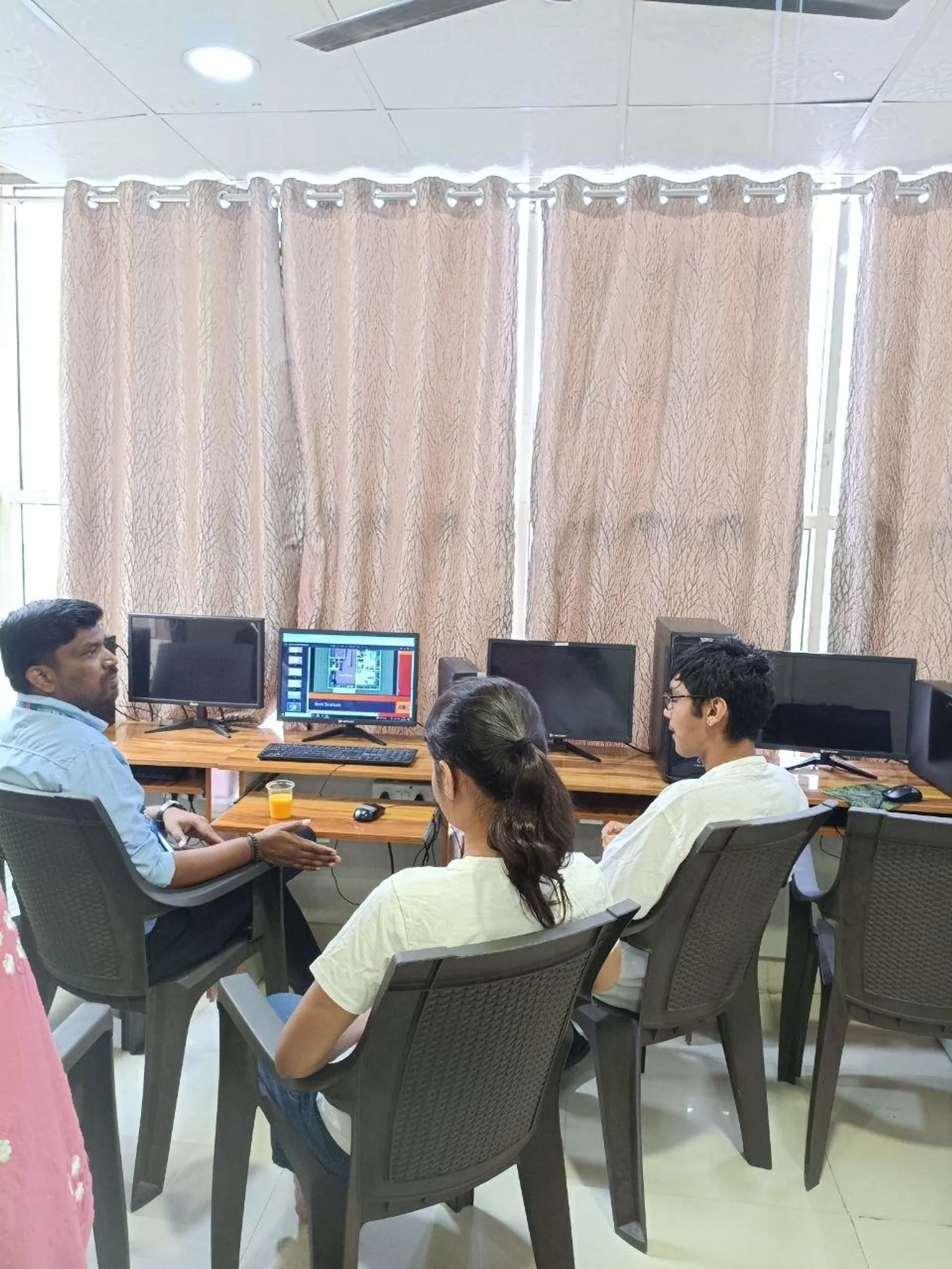
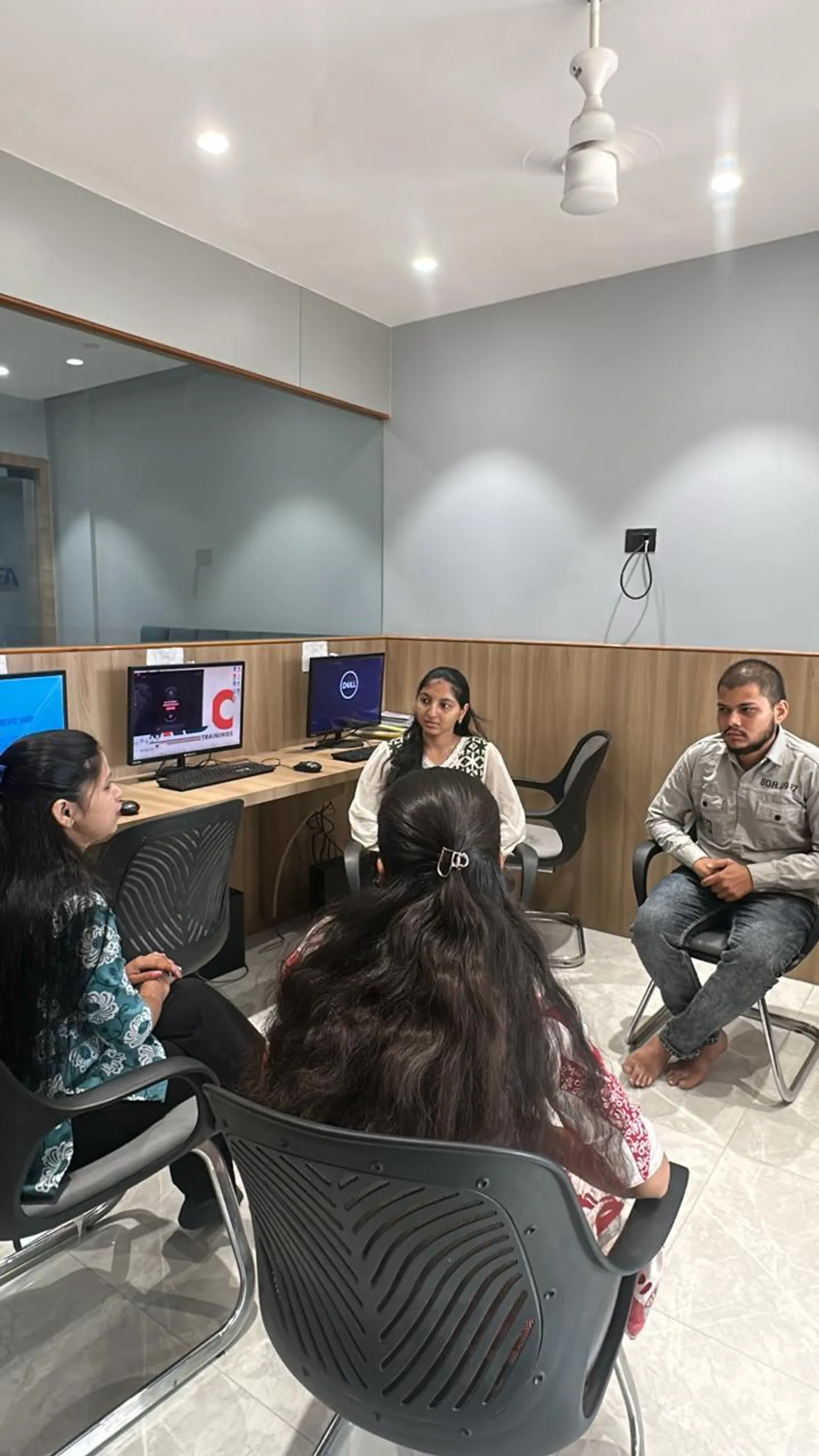
Modern labs equipped with the latest software and technology are important for an effective learning experience. Visit the institute to check their facilities before enrolling.
Red Flags to Avoid
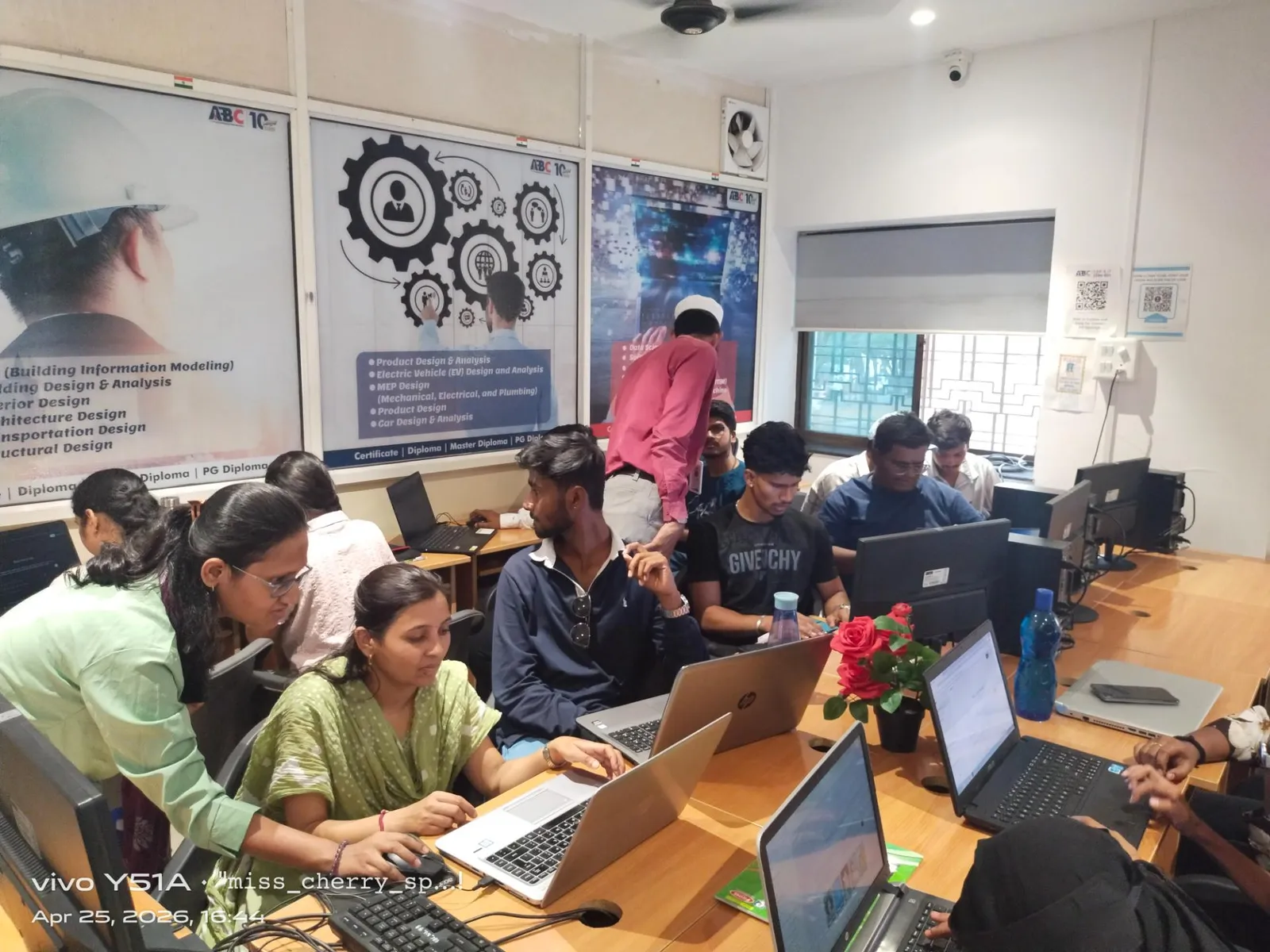
While searching for BIM institutes, be wary of these red flags:
Unrealistic Job Placement Guarantees
Be cautious of institutes that promise guaranteed job placements. A reputable institute will assist with placements but cannot guarantee jobs.
Lack of Transparency
If an institute is not transparent about its fees, curriculum, or faculty credentials, it might not be trustworthy.
Outdated Curriculum
Ensure the curriculum is updated regularly to include the latest industry standards and technologies.
BIM for Civil Engineers: Career Paths in Marathwada
For civil engineers in Marathwada, mastering BIM opens up several lucrative career paths. Here are five roles that offer starting salaries between ₹6 – 15 LPA:
BIM Coordinator
As a BIM Coordinator, you'll manage and coordinate BIM models and ensure collaboration between different stakeholders in a project.
BIM Manager
A BIM Manager oversees the implementation of BIM processes across projects and teams, ensuring compliance with industry standards.
BIM Consultant
BIM Consultants provide strategic advice to organizations on how to integrate BIM processes into their workflows for improved efficiency.
Project Manager
With BIM expertise, project managers can better plan, execute, and monitor construction projects, leading to more successful outcomes.
Design Engineer
Design Engineers use BIM tools to create detailed models and simulations, enhancing the design and analysis of infrastructure projects.
Conclusion
Choosing the right BIM institute in Aurangabad can significantly impact your career prospects in the civil engineering field. By considering the factors mentioned above and avoiding the red flags, you can make an informed decision that sets you on a path to success.
BIM Career Roles Compared
The five roles described above suit different temperaments and different starting points, so it helps to see them side by side before you pick a course.
| Role | What the work centres on | Who it tends to suit | What your training should cover for it |
|---|---|---|---|
| BIM Coordinator | Managing BIM models and keeping different stakeholders on a project working from the same information. | Freshers and early-career engineers who are patient with detail and comfortable chasing people for updates. | Hands-on model coordination and clash checking across more than one discipline, not just single-discipline modelling. |
| BIM Manager | Overseeing how BIM processes are implemented across projects and teams, including compliance with industry standards. | Engineers who already have site or delivery experience and want to move into process ownership. | Standards and information-management modules, plus template, library and naming-convention setup. |
| BIM Consultant | Advising organisations on how to fit BIM into their existing workflows for better efficiency. | People who can explain and document a process clearly, in writing and in front of a client. | Workflow mapping and exposure to more than one software stack, so you are not tied to a single vendor. |
| Project Manager | Planning, executing and monitoring construction projects using BIM outputs for better decisions. | Those aiming at the delivery and commercial side rather than the modelling seat. | Linking model data to programme and cost, alongside project-management fundamentals. |
| Design Engineer | Creating detailed models and simulations to improve design and analysis of infrastructure projects. | Anyone with strong drafting and design fundamentals who enjoys deep software work. | Authoring depth in your discipline, and producing drawings and schedules directly from the model. |
Key Takeaways
- Judge an institute on four things before anything else: accreditation and reputation, faculty experience, curriculum depth, and the state of the labs.
- Visit the campus and see the facilities yourself before you enrol; a brochure will not tell you what the machines and software are actually like.
- Treat a guaranteed job as a red flag. A credible institute helps you with placement, but nobody can promise employment.
- If fees, syllabus or trainer credentials are not shared openly, that lack of transparency is your answer.
- A syllabus that is not revised regularly leaves you working to standards and tool versions the industry has moved past.
- For civil engineers in Marathwada, BIM skills open at least five routes: coordinator, manager, consultant, project manager and design engineer.
Questions Worth Asking Before You Pay the Fee
Transparency is easy to talk about and harder to test. The simplest test is a list of direct questions, asked before any money changes hands, with the answers in writing or on email rather than only across a counsellor's desk.
- Can I see the full syllabus, module by module, with the hours against each? A one-page bullet list is a warning sign; a real syllabus tells you how long you spend on each topic.
- Which software will I actually use, and which version? Ask whether you will work on the software yourself or watch a demonstration, and whether the licences are current.
- Who is teaching my batch, specifically? Institutes often advertise their most experienced trainer and staff junior batches with someone else. Ask for the name and the projects that person has worked on.
- How many students per batch, and how many workstations? One machine per student for the whole session is very different from sharing a machine in turns.
- What exactly does placement support include? Resume help, mock interviews and referrals are real support. Ask for the list, and note that this is help, not a guarantee.
- What is the total cost? Ask whether certification, exam or software charges sit outside the quoted fee, and what the policy is if you miss classes or need to repeat a module.
What a Serious BIM Syllabus Covers
"Software training" on a brochure can mean almost anything, so it is worth knowing what the field actually runs on. Revit is Autodesk's BIM authoring software and is the usual starting point for modelling buildings. Navisworks, also from Autodesk, is used to combine models from different disciplines and run clash detection on them. AutoCAD remains the standard for 2D drafting and drawing output, while Civil 3D is Autodesk's tool for civil and infrastructure design. On the structural side, Tekla Structures from Trimble is widely used for detailing, and ArchiCAD from Graphisoft is a long-established architectural BIM tool.
Tools alone are not BIM, though. A course that only teaches buttons will leave you stuck the first time a project runs differently from the tutorial. Look for the surrounding concepts as well: IFC, the open exchange format maintained by buildingSMART, which lets models move between different software; the ISO 19650 series, the international standards for managing information across a built-asset project; the idea of a common data environment where project information is stored and shared; and file naming and structuring conventions, which is what stops a coordinated model from falling apart. Ask also whether the course covers linking the model to schedule and cost information, since that is where BIM starts affecting decisions rather than just drawings.
Finally, check that the course ends with drawing production. Being able to generate sheets, sections and schedules out of the model is what employers see as the difference between someone who has watched a course and someone who can be handed work.
Judging Quality by the Work, Not the Brochure
The most reliable signal of a good institute is what its students produce. Ask to see two or three finished projects from recent batches. A genuine one has a complete model in your discipline, coordination against at least one other discipline, drawing sheets and schedules generated from that model, and a clash report showing issues found and resolved. If every student's project looks identical, you are looking at a tutorial that was followed step by step, not a project that was worked through.
Sit in on a demonstration class if the institute allows it, and watch how the session is run. A trainer who works live in the software, makes a mistake and fixes it in front of you is teaching. A trainer reading from slides is not. Speak to two current students you find yourself rather than the ones the counsellor introduces, and ask them what they were doing in class last week.
Reviews are useful only when they are specific. Comments that name the trainer, the software covered or the project built carry weight; generic praise does not. The same applies to faculty claims, which you can usually cross-check against a trainer's own professional profile and project history.
Whatever you choose, plan your own portfolio from day one. One building or infrastructure project modelled end to end, coordinated and documented properly, will do more for you in an interview than five half-finished exercises. Keep the clash report and the drawing set; those are the artefacts an interviewer can actually assess.