BIM Career Scope in India 2026: Salary, Jobs & Course
BIM career scope in India is growing fast in 2026, especially for civil engineers, architects, MEP professionals, and site teams who want better-paying roles beyond basic drafting. If you're checking BIM salary, BIM jobs, and which course actually helps you get hired, you're asking the right questions. Here's the thing: many students learn one software, add it to their resume, and expect results. That's not how the market works anymore. Companies want people who understand models, coordination, drawings, quantities, and project workflows.
The good news is, BIM has opened strong career paths in Pune, Mumbai, Navi Mumbai, Thane, Nagpur, Nashik, Chhatrapati Sambhajinagar, and even smaller construction markets linked to metro, industrial, hospital, and commercial projects. Trust me, if you choose the right BIM course and learn it properly, you can move from trainee-level work to coordination roles much faster than in traditional CAD-only paths.
What is the BIM career scope in India in 2026?
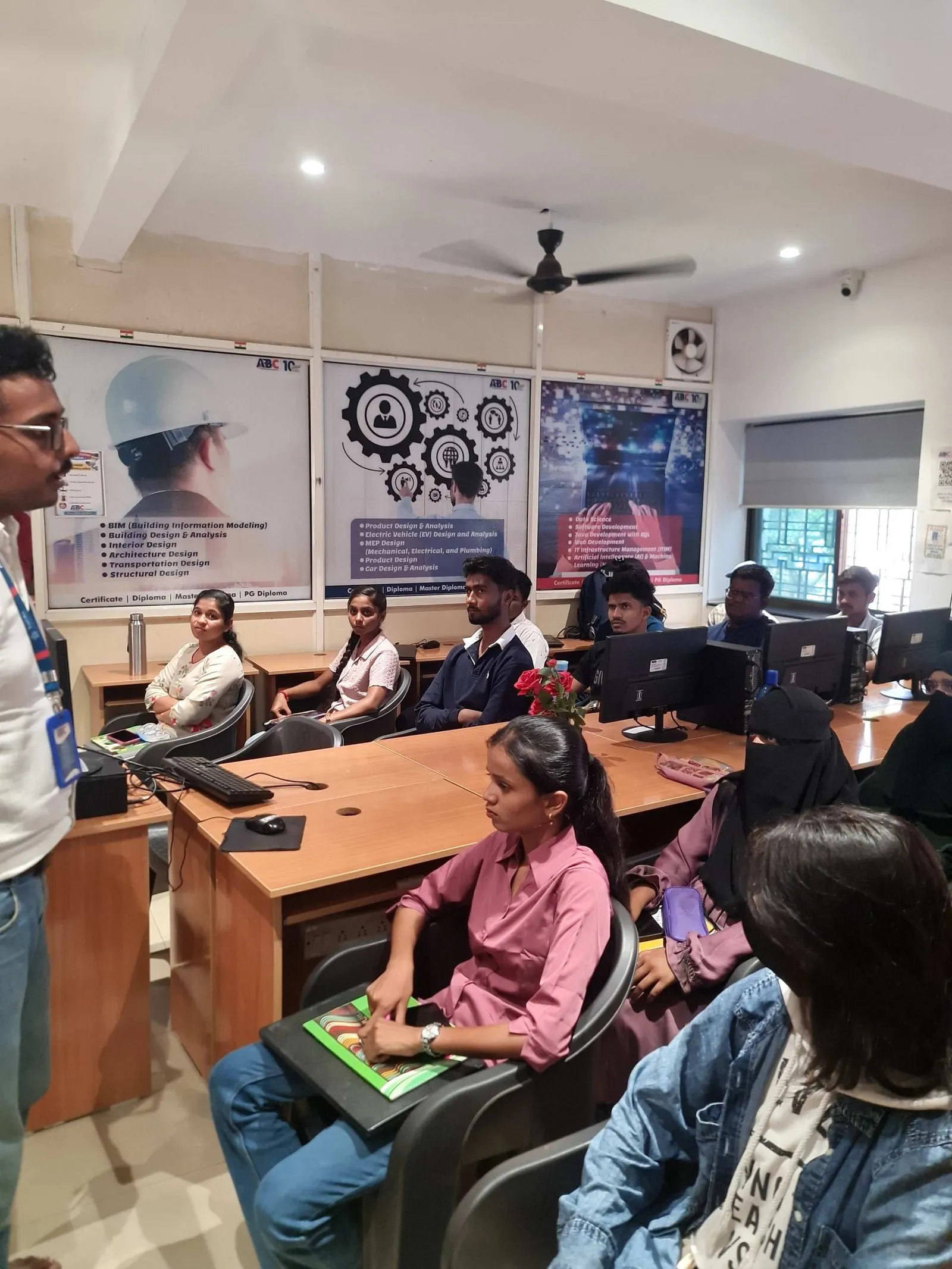
BIM is no longer limited to fancy 3D models. In India, companies are using BIM for design coordination, clash detection, shop drawings, quantity takeoff, BOQ support, scheduling inputs, and project communication. Real demand is coming from EPC firms, consultants, contractors, infrastructure companies, and global delivery centers.
Top recruiters and related employers include L&T, Tata Technologies, Mahindra Engineering, Siemens, Bosch, Thermax, Kirloskar, and large design consultants working on Indian and Middle East projects. Some IT-engineering service companies like Infosys, TCS, and KPIT Technologies also hire for digital engineering, smart infrastructure, and project technology support roles where BIM knowledge becomes a strong advantage.
What most people don't realize is that BIM jobs are not only for architects. Civil diploma holders, BE civil graduates, site engineers, quantity surveyors, MEP engineers, and even experienced AutoCAD users can shift into BIM if they train in the right workflow.
What BIM jobs can you get after a course?
Your role depends on your background and software depth. Common entry and growth roles in India include:
- BIM Modeler
- Revit Structure Modeler
- Revit Architecture Technician
- BIM Engineer
- BIM Coordinator
- Navisworks Coordinator
- MEP BIM Modeler
- Quantity Takeoff / Estimation Support Engineer
- CAD to BIM Conversion Specialist
- Project Documentation Engineer
Freshers usually start with modeling and drawing extraction. After 1 to 3 years, they move into clash coordination, team handling, standards, and client coordination. If you understand Revit 2025, Navisworks Manage, AutoCAD, and project documentation properly, your growth becomes much more practical.
What salary can you expect in BIM jobs in India?
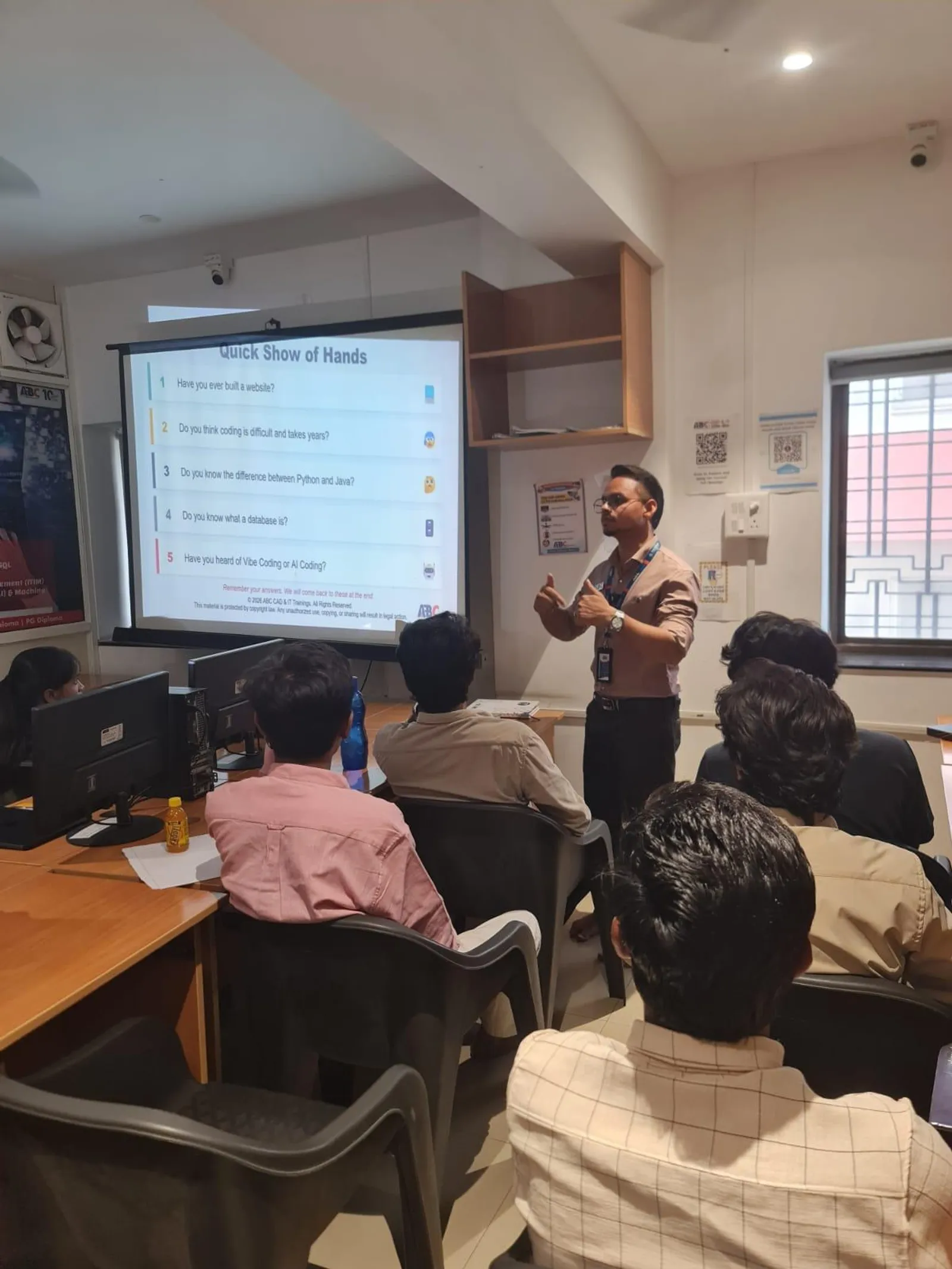
Let's keep this realistic. Salary depends on city, software skills, interview performance, and whether you can actually work on project tasks.
- Fresher BIM Modeler: ₹2.4 lakh to ₹4.2 lakh per year
- Revit / BIM Engineer with 1-2 years: ₹3.8 lakh to ₹6.5 lakh per year
- BIM Coordinator with 3-5 years: ₹6 lakh to ₹10 lakh per year
- MEP or multidisciplinary BIM specialist: ₹5.5 lakh to ₹9 lakh per year
- BIM Manager in larger firms: ₹10 lakh to ₹18 lakh+ per year
In Pune and Mumbai, pay is usually better than smaller cities, but expectations are also higher. If you're applying to contractor-side BIM roles on industrial and commercial projects, practical coordination skills matter more than certificates. That's why course selection is critical.
Should you learn BIM online or offline?
This is where many students get confused. Online learning looks cheaper and more flexible. Offline training gives structure, software practice, and trainer access. Which one is right for you depends on how you learn.
When online BIM training works well
Online is a good option if you already work in design or construction, have a decent laptop, strong self-discipline, and can practice daily. It's useful for working professionals in Pune, Sangli, Kolhapur, Solapur, or Aurangabad region who can't travel regularly.
When offline BIM training is better
Offline is better if you're a fresher, diploma student, final-year civil student, or someone switching from AutoCAD to BIM. You'll get live doubt-solving, lab support, peer learning, and trainer correction on actual assignments. Trust me, for most beginners, offline training leads to better retention and confidence.
Here's the thing: BIM is not just button-clicking. You need to understand levels, grids, families, views, sheets, linking, clash review, and model-based documentation. Many students think recorded videos are enough. Then they struggle in interviews when asked to explain workflow.
How do you choose the right BIM course in Maharashtra?
Before joining any institute, check these six things.
1. Does the course cover workflow, not just software menus?
A good BIM course should include AutoCAD basics if needed, Revit Architecture or Structure, project setup, family basics, sheets, schedules, quantity extraction, Navisworks Manage for clash review, and documentation standards.
2. Are there live projects or only demo files?
If all they show you is one small bungalow model, that's a warning sign. You should practice on real building components, multi-floor projects, and coordination-style exercises.
3. Is the trainer from actual project background?
You want a trainer who has worked on drawings, revisions, client comments, and coordination issues. A trainer with only software certificate knowledge won't prepare you for job interviews.
4. Is placement support specific?
Don't settle for vague promises like 100% placement. Ask which companies hire, what roles students got, whether interview preparation is included, and whether resume and portfolio support are given.
5. Are software versions current?
Make sure they train on tools used in industry, such as Revit 2024 or Revit 2025, Navisworks Manage, and AutoCAD. Old versions are not always a problem, but outdated teaching usually is.
6. Is there enough practice time?
A 10-day crash course may look attractive, but it rarely builds skill. For most students, 2 to 4 months of guided training is more realistic for job readiness.
What are the red flags to avoid in a BIM institute?
- Only certificate marketing, no project work
- No trainer interaction, only prerecorded sessions
- No clarity on software modules
- No portfolio, resume, or interview support
- Very low fees with no lab access or weak systems
- Claims that BIM guarantees a high salary immediately
What most people don't realize is that a weak course wastes more than money. It wastes your time, confidence, and job season.
What should a good BIM course cover?
A practical BIM course for civil engineering students should cover:
- Construction drawing basics
- AutoCAD for drafting support
- Revit Architecture or Revit Structure modeling
- Levels, grids, walls, slabs, columns, beams, stairs, roofs
- Views, sections, sheets, annotations, schedules
- Families and template basics
- Quantity extraction and documentation
- Navisworks Manage for clash review and coordination
- Project standards and file management
- Resume, portfolio, and interview preparation
Depending on your goal, MEP modules and quantity takeoff support can also be added. The good news is, you don't need to learn every advanced tool on day one. Start with the workflow that gets you employable.
How long does it take to become job-ready in BIM?
For most civil engineering students and freshers, 8 to 16 weeks is a practical training window. If you're already comfortable with drawings and AutoCAD, you may learn faster. If you're completely new, give yourself extra practice time. A serious learner who spends 1.5 to 2 hours daily can build a strong foundation within 3 months.
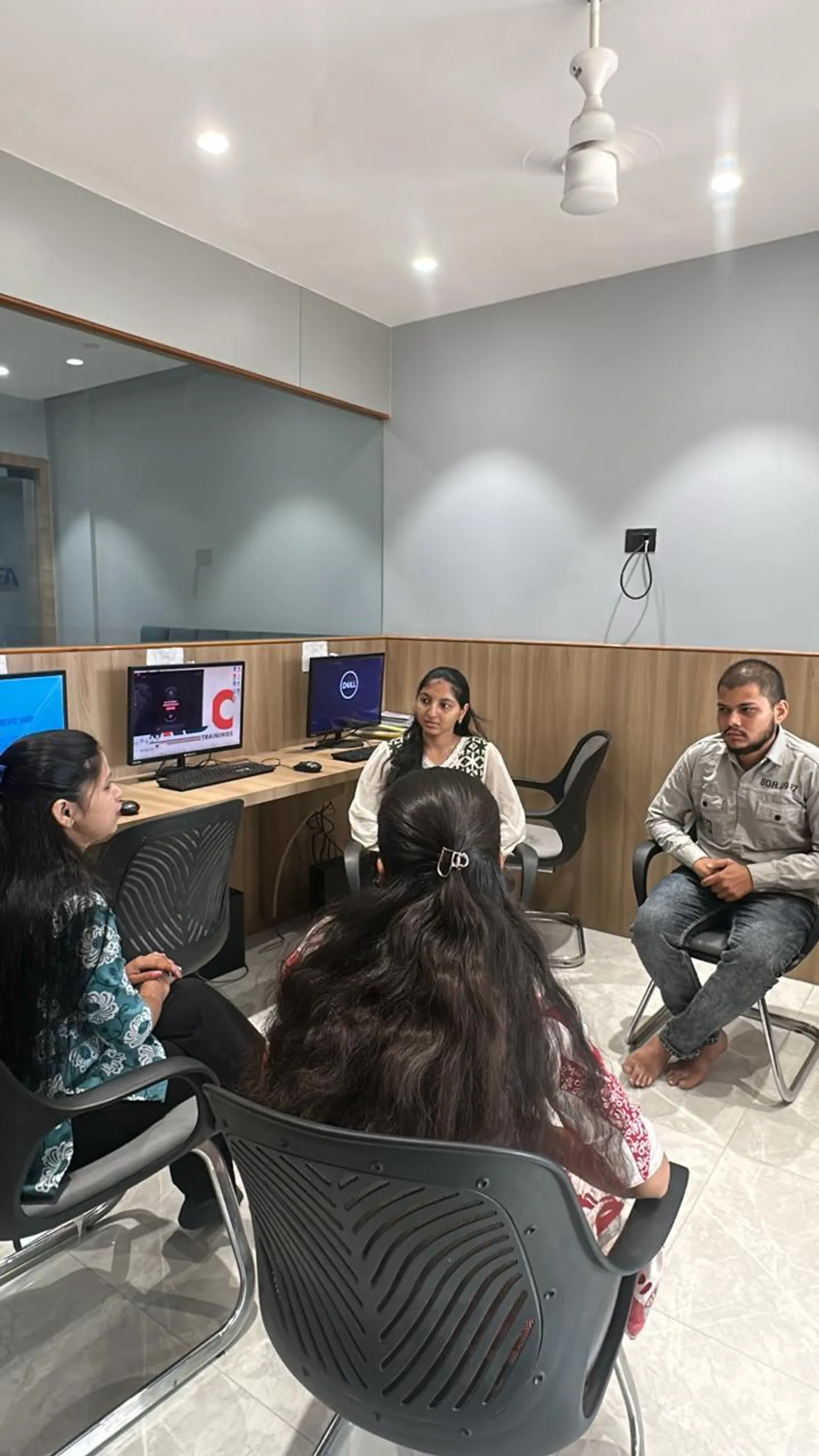
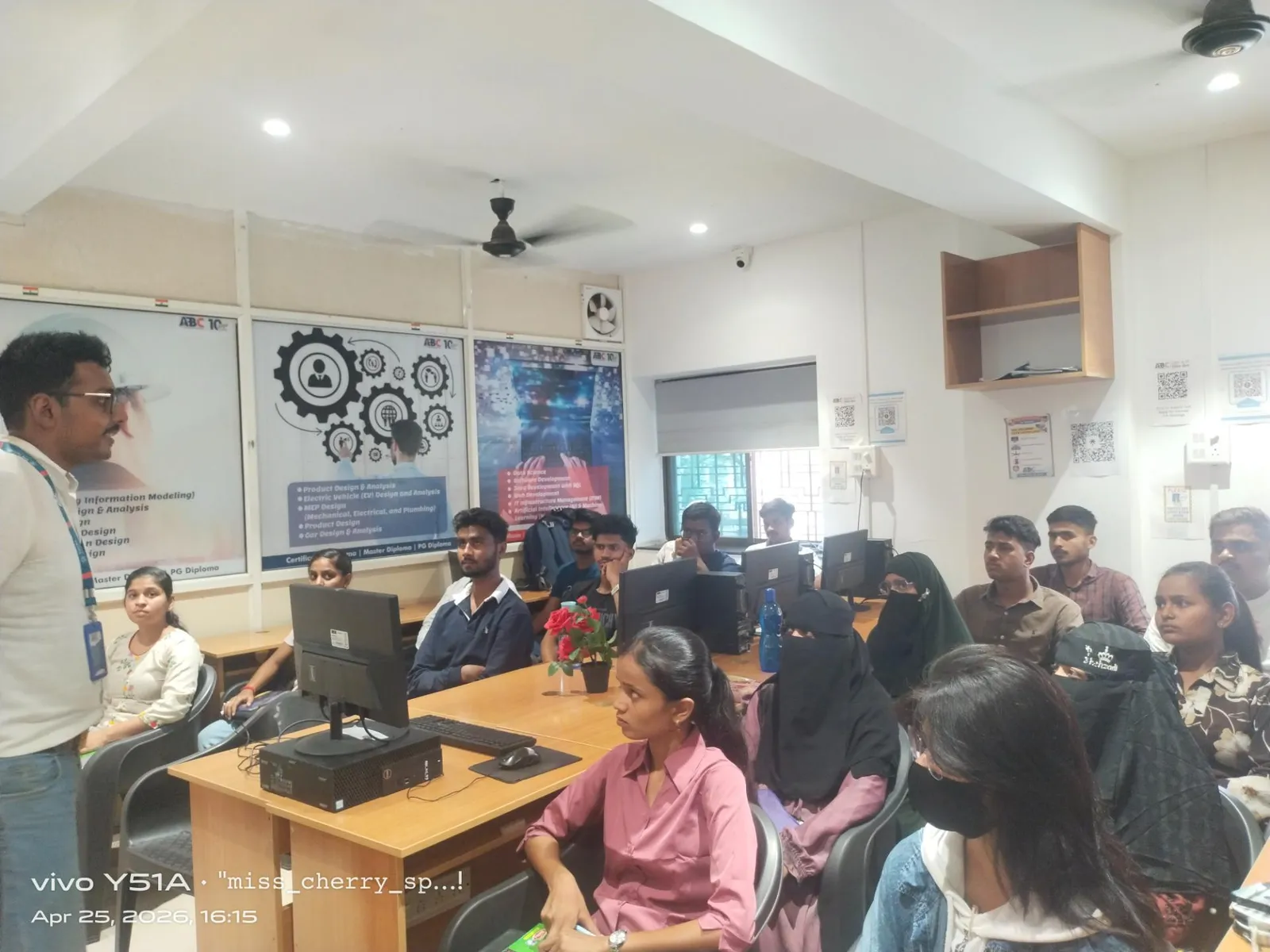
At ABC Trainings, students are guided step by step with practical assignments, trainer support, and job-oriented preparation so they don't just finish the syllabus—they understand how BIM work is done in real companies. If you want course details, you can call 7039169629 or WhatsApp 7774002496.
Why do students choose ABC Trainings for BIM?
ABC Trainings stands out because the focus stays on employability, not just software completion. Students from Pune, Chhatrapati Sambhajinagar, and Sangli often ask the same thing: which institute will actually help me learn and get interview-ready? That's the right question.
With ABC Trainings, the difference is in the teaching approach—practical sessions, trainer-led explanation, project-based learning, and support that matches what companies expect. If your target is BIM roles in firms connected to L&T, Tata Technologies, Siemens, Thermax, or contractor and consultant networks in Maharashtra, you need training that builds confidence in real tasks, not just theory.
Is BIM a good career after civil engineering in India?
Yes, especially if you want to move beyond routine site follow-up or low-growth drafting work. BIM offers a stronger long-term path because it connects design, documentation, coordination, and digital construction processes. As more Indian projects shift toward model-based workflows, demand will continue to grow.
If you're serious, don't ask only, “Which BIM software should I learn?” Ask, “Which course will help me do actual project work?” Trust me, that one question can save you months.
Is BIM better than AutoCAD for civil engineering students in India?
BIM is usually better for long-term career growth because it goes beyond drafting and includes modeling, documentation, coordination, and quantity support. AutoCAD is still useful and often needed, but BIM roles generally offer better growth after you build project skills. Many companies expect both, especially for entry-level hiring in Pune and Mumbai. So the smart move is to learn AutoCAD basics and then build strong BIM workflow skills.
Can a diploma civil student get a BIM job in Maharashtra?
Yes, diploma civil students can get BIM modeler and drafting-related roles if they learn Revit, documentation, and project workflow properly. Employers often care more about your practical output than your degree title for entry-level positions. A strong portfolio, clear concepts, and interview confidence matter a lot. Cities like Pune, Nashik, and Mumbai offer better opportunities, but skills are the real deciding factor.
What is the best BIM course duration for freshers?
For most freshers, 2 to 4 months is ideal. That's enough time to learn software basics, complete assignments, understand project standards, and prepare for interviews without rushing. Very short crash courses usually don't give enough practice. If you're learning from zero, choose a course with trainer support and lab practice.
Which BIM software should I learn first for jobs in India?
Start with Revit because it's widely used for BIM modeling and documentation in architecture, structure, and MEP workflows. AutoCAD is still important as a support skill, and Navisworks Manage is valuable for clash detection and coordination. If you're a civil engineering student, a course that combines AutoCAD, Revit, and Navisworks gives you a stronger job-ready base. The exact order matters less than learning the workflow properly.
What is IS 17825 and Why Does It Matter for BIM in India?
If you've been researching BIM in India, you've likely come across the term "IS 17825." Here's a direct answer: IS 17825 is the Bureau of Indian Standards (BIS) adoption of the ISO 19650 series for Building Information Modelling — India's national BIM standard for managing information about construction works throughout the asset lifecycle. It was published by BIS in phases and aligns with the ISO 19650 international framework while addressing India-specific procurement and project delivery contexts.
What Does IS 17825 Cover?
- IS 17825-1: Concepts and principles — how information should be organised, named, classified, and shared across BIM workflows on Indian projects.
- IS 17825-2: Delivery phase — information management during design and construction contracts, aligned with India FIDIC/EPC procurement models.
The standard covers the Common Data Environment (CDE), Employer's Information Requirements (EIR), BIM Execution Plans (BEP), information containers (IFC/COBie), Level of Information Need (LOIN), and roles like the Information Manager — all terms you'll encounter in L&T, AECOM, and CPWD project briefs in 2026.
Why Is IS 17825 / BIM Mandatory for Indian Infrastructure Projects?
CPWD and MoHUA have mandated BIM adoption for projects above Rs 100 crore. The Pune Metro Line 3 (May 2026), Navi Mumbai International Airport, and RERA-registered developments require IS 17825 compliance. Engineers who can set up ISO 19650/IS 17825-compliant workflows in Revit and Navisworks earn Rs 2-4 LPA more than software-only candidates (AmbitionBox, 2026).
Does the ABC Trainings BIM Course Cover IS 17825?
Yes — our curriculum was updated Q2 2026 to include IS 17825/ISO 19650 fundamentals as a dedicated module. Students learn to structure a CDE, create a BIM Execution Plan (IS 17825-2), and interpret LOIN schedules used in L&T and AECOM project briefs — making our graduates immediately relevant for CPWD and MMRDA tenders in Maharashtra.
Visit Our Centers
Chhatrapati Sambhajinagar
Corporate Office (HQ)
2nd Floor, Kandi Towers, Jalna Road, Amarpreet Chowk, Chhatrapati Sambhajinagar, Maharashtra 431001
Osmanpura Branch
Plot No 14, Shanya Sect, Near Sant Eknath Rang Mandir, Osmanpura, Chhatrapati Sambhajinagar, Maharashtra 431005
CIDCO Branch
Plot No 4, N-3, Cidco, Opp. High Court, Chhatrapati Sambhajinagar, Maharashtra 431003
Pune
Wagholi Branch
1st Floor, ABC Trainings, Laxmi Datta Arcade, Pune - Ahilyanagar Hwy, Wagholi, Pune, Maharashtra 412207
Hadapsar Branch
Bloom Hotel, ABC Trainings 1st Floor, S.no 156/3 Shree Tower Pune - Solapur Rd, Hadapsar, Pune, Maharashtra 411028
Sangli
Sangli Branch
2nd Floor, Vasant Market, Opp. City High School, Sangli, Maharashtra 416416
Start Your Career Journey Today
Join 10,000+ students who transformed their careers with ABC Trainings.
💬 WhatsApp: 7774002496📞 Call: 7039169629