BIM and Digital Twin Technology for Pune Smart Infrastructure 2026: From Construction to Facility Management
Introduction: Digital Twins Revolutionizing Pune's Smart City Projects
Pune, India's fastest-growing metropolitan area, is undergoing a significant transformation through the Pune Smart City Mission. BIM digital twin technology is emerging as a game-changer for construction professionals, facility managers, and smart city planners. From the ambitious Pune Metro expansion to smart buildings across IT parks in Hinjewadi and Viman Nagar, organizations are increasingly seeking experts who can bridge the gap between physical construction and virtual asset management.
Understanding Digital Twin Technology and Its Relationship with BIM
What is a Digital Twin?
A digital twin is a virtual replica of a physical asset, system, or process that is created and continuously updated using real-time data. Unlike traditional 3D models that remain static, a digital twin is dynamic and interactive, allowing professionals to simulate, analyze, and optimize real-world conditions.
How BIM Serves as the Foundation for Digital Twins
BIM provides the foundational 3D geometric and semantic data required to create digital twins. While BIM is primarily a design and construction tool, digital twin technology extends BIM's capabilities by incorporating real-time operational data and enabling predictive analytics throughout an asset's lifecycle.
Key Differences
- BIM: Primarily used during design and construction phases; static models focusing on project delivery
- Digital Twins: Utilized throughout the asset's entire lifecycle; dynamic and continuously updated for operational optimization
- Integration: BIM models are converted and enriched into digital twins incorporating real-time sensor data
Creating Digital Twins from BIM Models
The conversion process involves exporting BIM models to standardized formats (IFC or COBie), semantic enrichment defining relationships between components, and integration with IoT sensors and building management systems. Best practices include using standardized data exchange formats, establishing clear naming conventions, planning sensor placement during design, and implementing version control protocols.
IoT Sensor Integration and Real-Time Data Collection
IoT sensors deployed throughout Pune's infrastructure continuously collect data on temperature, humidity, structural stress, energy consumption, and occupancy. Common sensors include environmental sensors, structural sensors (accelerometers, strain gauges), energy smart meters, occupancy sensors, safety sensors, and utility monitoring devices.
Real-Time Monitoring of Pune Infrastructure
Smart buildings across Pune's IT parks in Hinjewadi, Viman Nagar, and Kharadi utilize digital twins to optimize energy consumption, maintain occupant comfort, and predict equipment failures. The Pune Metro system benefits from digital twin technology monitoring track conditions, train performance, and passenger flow.
Digital Twin Applications for Pune Metro and Smart City
Beyond Metro, digital twins are deployed for traffic management, utility management (water, sewage, power), emergency response, and urban planning simulation of proposed developments.
Key Applications: Building Operations, Energy Management, and Predictive Maintenance
Digital twins enable automated HVAC adjustment based on occupancy, dynamic lighting control, energy-intensive zone identification, and condition-based predictive maintenance that reduces downtime and extends asset life.
Leading Software Tools and Platforms
- Autodesk Tandem: Purpose-built for creating digital twins from BIM models with seamless Revit integration
- Bentley iTwin: Enterprise-scale platform for large infrastructure projects like Pune Metro
- Microsoft Azure Digital Twins: Flexible cloud-native platform for custom digital twin solutions
- Siemens MindSphere, GE Digital Predix, Oracle Digital Twin, IBM Maximo
Career Opportunities and Salary Expectations in Pune
- BIM Manager: Rs 12-18 LPA
- Digital Twin Developer: Rs 14-20 LPA
- BIM Coordinator: Rs 8-12 LPA
- Facility Management Specialist (Digital): Rs 10-16 LPA
- IoT Integration Engineer: Rs 13-19 LPA
- Solutions Architect (BIM/Digital Twins): Rs 18-28 LPA
Major employers include Infosys BIM Division, TCS, L&T Technology Services, and Bentley Systems.
Learn Digital Twin and BIM at ABC Trainings
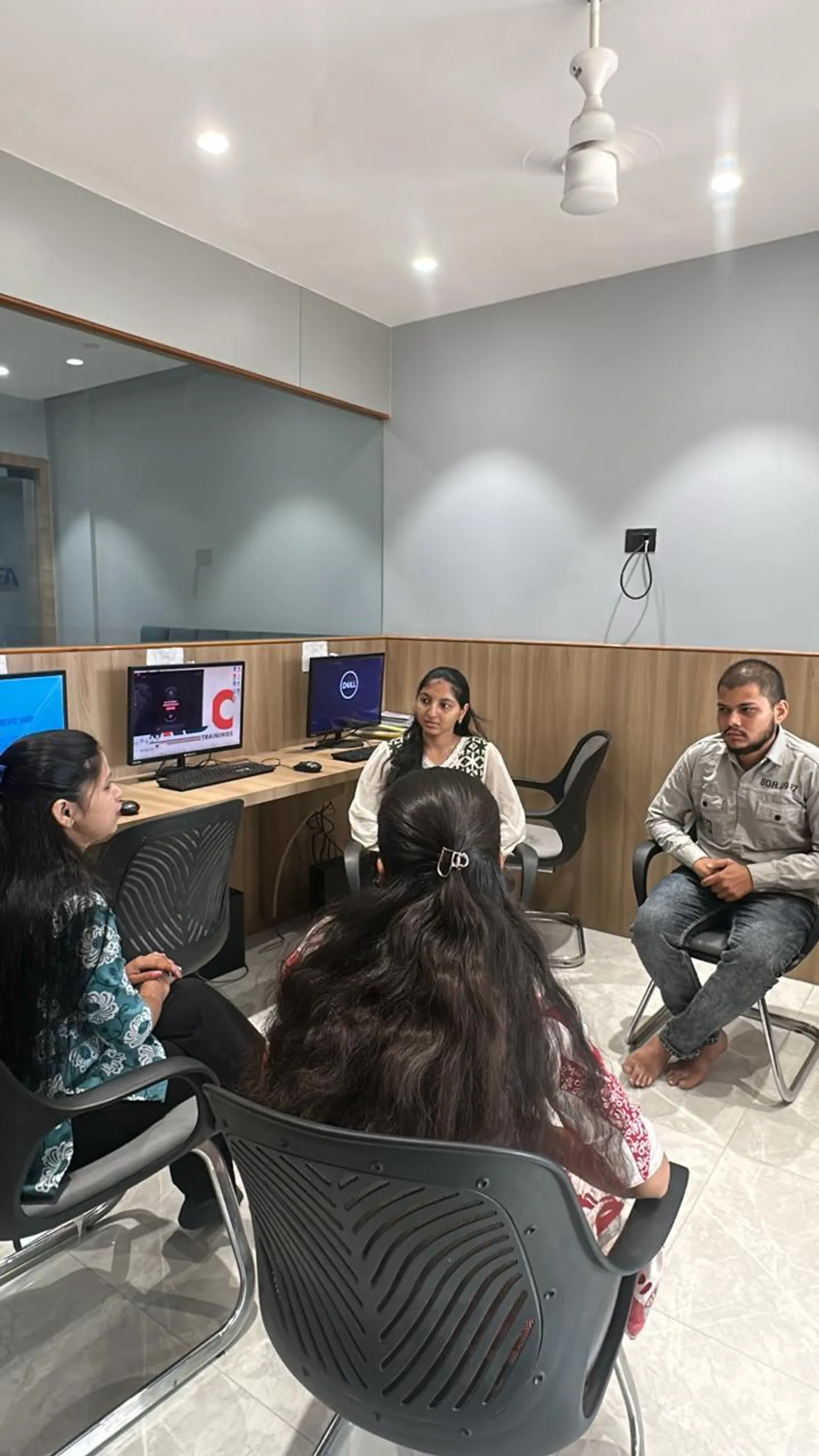
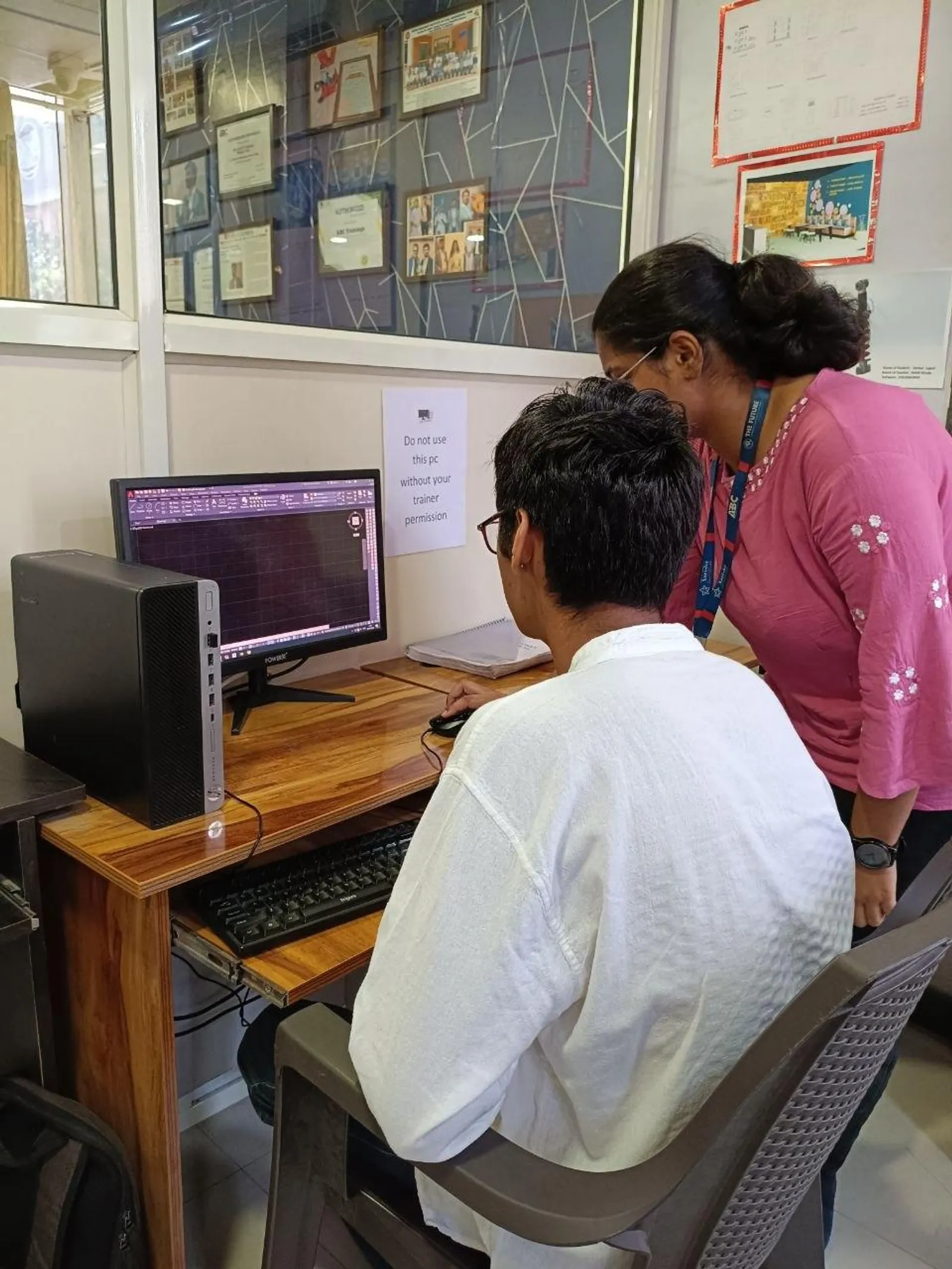
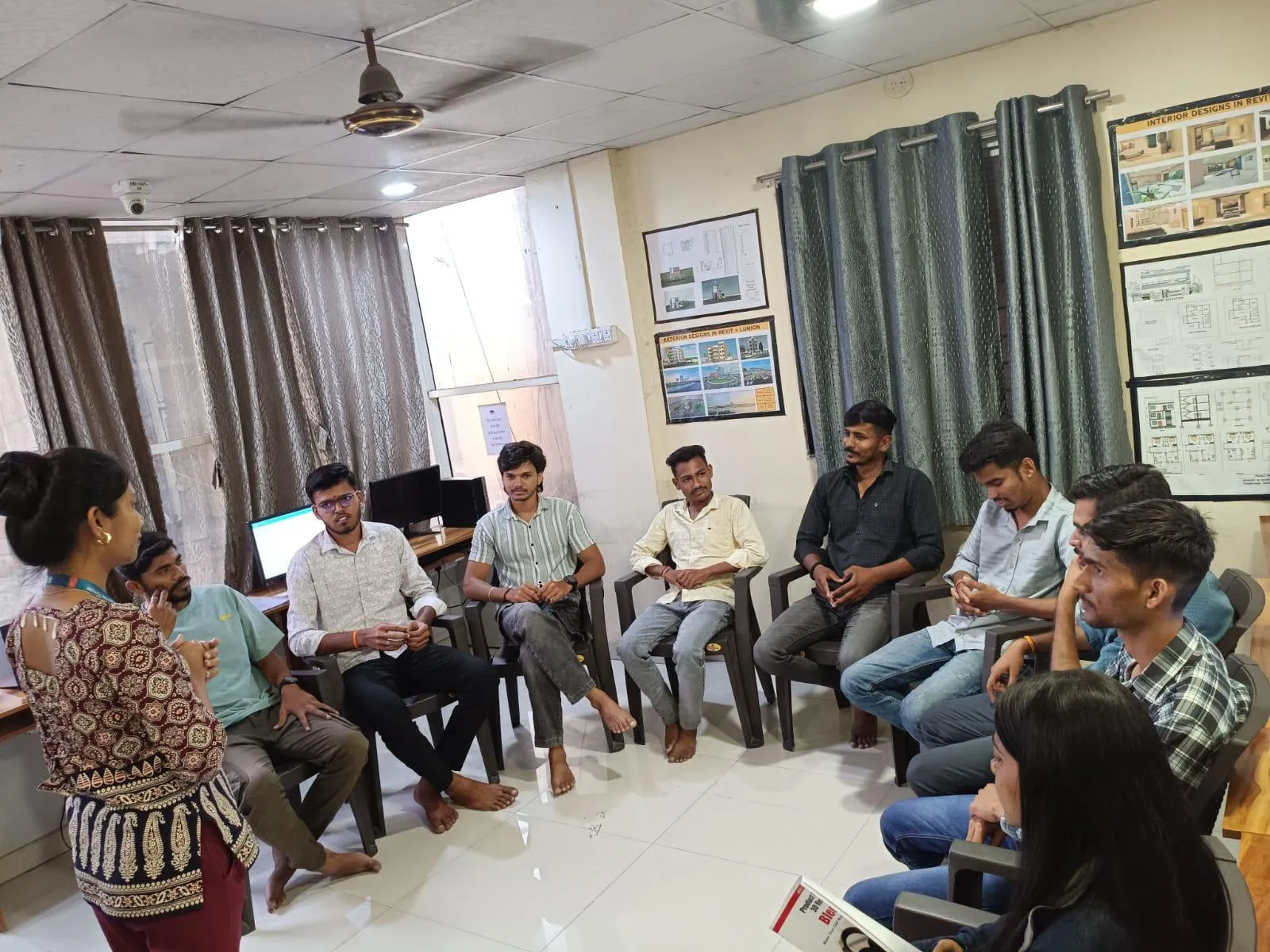
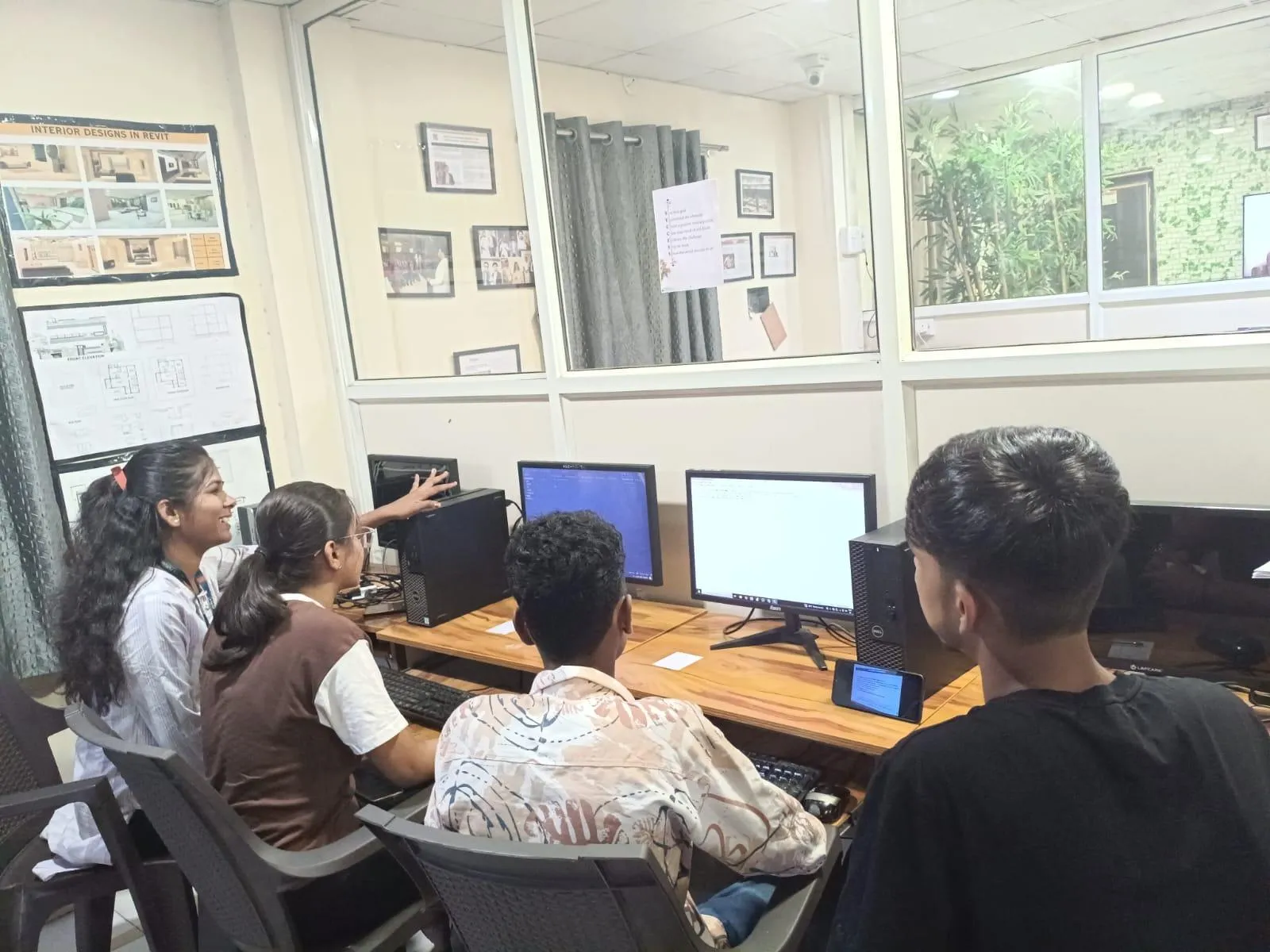
Master BIM and digital twin technology at ABC Trainings. Our programs cover BIM modeling in Revit, digital twin platform training (Autodesk Tandem, Bentley iTwin, Azure), IoT integration, facility management, and real-world Pune Smart City case studies.
Frequently Asked Questions
Q1: What is the difference between BIM and a digital twin?
BIM creates detailed information models during design and construction. A digital twin extends this by continuously incorporating real-time operational data from IoT sensors, enabling dynamic monitoring and predictive capabilities throughout an asset's lifecycle.
Q2: How long does it take to create a digital twin from a BIM model?
A simple building takes 4-8 weeks; large infrastructure projects may require several months. Starting with a comprehensive BIM model significantly accelerates the process.
Q3: What are the main challenges in implementing digital twins for Pune Smart City?
Key challenges include data standardization, IoT sensor deployment costs, data security, personnel training, and managing complex integrations. Long-term operational savings typically justify initial investments.
Q4: Which platform should I learn?
Autodesk Tandem for commercial buildings, Bentley iTwin for large infrastructure like Pune Metro, Azure Digital Twins for enterprise flexibility. Gain foundational knowledge across all three.
Conclusion
The convergence of BIM and digital twin technology is reshaping Pune's infrastructure. Whether you're a civil engineer, facility manager, or IT professional, expertise in BIM and digital twins positions you at the forefront of Pune's infrastructure revolution. Enroll at ABC Trainings today.
Connect on WhatsApp: Chat on WhatsApp
Get Brochure + Fees + Batch Dates on WhatsApp
Free 1:1 counselling. Placement track record. CMYKPY/PMKVY eligibility check.
💬 WhatsApp 7774002496📞 Call 7039169629Visit Our Centers
- Wagholi (Pune): 1st Floor, Laxmi Datta Arcade, Pune-Ahilyanagar Highway. Call 7039169629
- Hadapsar (Pune HQ): 1st Floor, Shree Tower, opp. Vaibhav Theater, near Bloom Hotel, Magarpatta. Call 7039169629
- Cidco (Chh. Sambhajinagar): Kalpana Plaza, opp. Eiffel Tower, N-1 Cidco. Call 7039169629
- Osmanpura (Chh. Sambhajinagar): S.S.C Board to Peer Bazar Road, near Jama Masjid. Call 7039169629
- Sangli: Shubham Emphoria, 1st Floor, Above US Polo Assn., Sangli-Miraj Rd, Vishrambag. Weekend batches available. Call 7039169629