BIM for Landscape Architecture and Urban Planning in Pune 2026: Green Spaces, Stormwater Management, and Smart City Design
Introduction: Pune's Green City Evolution
Pune, often called the Oxford of the East, is experiencing unprecedented urban growth. With a population exceeding 6 million and rapid industrial expansion, the city faces pressure to balance development with environmental sustainability. The Pune Municipal Corporation and PCMC have prioritized green city initiatives under the Smart City Mission, making BIM for landscape architecture in Pune a transformative solution for designing green spaces, managing stormwater, and integrating nature into urban environments.
Understanding BIM in Landscape Architecture
BIM extends beyond building design to create comprehensive 3D digital representations of outdoor environments, including terrain, vegetation, water features, hardscape elements, and infrastructure. Key advantages include precise terrain modeling with contour mapping, clash detection between landscape elements and utilities, automated quantity takeoffs, temporal 4D modeling for phased development, sustainability analysis for carbon footprint and water retention, and 3D visualizations for stakeholder communication.
Terrain Modeling and Grading Design
Pune's undulating topography requires advanced terrain modeling. BIM enables importing survey data, creating digital terrain models (DTM), and establishing accurate site contours. For projects near the Mula-Mutha riverfront and elevated zones, precise terrain analysis prevents expensive rework. BIM coordinates landscape grading with stormwater drainage systems, ensuring water flows to drainage infrastructure during monsoon season.
Stormwater Management and Drainage Design with BIM
Bio-swale and Rain Garden Design
BIM enables detailed design of bio-retention systems that capture and filter stormwater. Professionals model soil profiles, calculate infiltration rates, and select appropriate vegetation, reducing flooding while improving water quality.
Flood Risk Analysis
3D modeling reveals potential flood-prone areas and enables optimization of grading to minimize inundation risks for Pune's vulnerable riverine zones.
Permeable Pavement Planning
BIM integrates permeable pavements and porous concrete that manage stormwater while supporting pedestrian circulation.
Integrating Landscape with Building BIM Models
BIM prevents costly conflicts such as trees over utility lines, grading compromising foundations, or drainage conflicting with building footprints. Underground utilities are integrated with landscape elements.
BIM for Pune's Public Parks and Open Space Projects
Mula-Mutha Riverfront Rejuvenation
BIM enables comprehensive modeling of river morphology, floodplain restoration, vegetative communities, and recreational infrastructure.
Empress Garden and Heritage Park Enhancement
BIM documents existing conditions and ensures heritage preservation while improving accessibility and safety.
Biodiversity Parks
PCMC biodiversity parks employ BIM to model native plant communities, wildlife habitat features, and water bodies.
Smart Irrigation and Sustainable Landscape BIM
BIM integrates smart irrigation with drip lines, smart controllers, and zone management. Rainwater harvesting infrastructure is coordinated with landscape irrigation. Native Pune-region plant species are selected based on growth habits, water requirements, and ecological benefits.
BIM Software Tools for Landscape Architecture
- Autodesk Revit Site: Comprehensive landscape modeling, grading, and planting plans
- Autodesk Civil 3D: Terrain modeling, drainage design, and hydraulic analysis
- Autodesk Infraworks: Large-scale urban planning and master planning
- Lumion: Real-time 3D visualization and rendering
Career Opportunities and Salary Prospects
- BIM Landscape Architect: Rs 4.5-8 LPA
- Landscape BIM Coordinator: Rs 5-9 LPA
- Sustainability Designer: Rs 5.5-10 LPA
- Urban Planning BIM Specialist: Rs 6-11 LPA
- BIM Consultant/Trainer: Rs 7-13 LPA
Learn BIM for Landscape Architecture at ABC Trainings
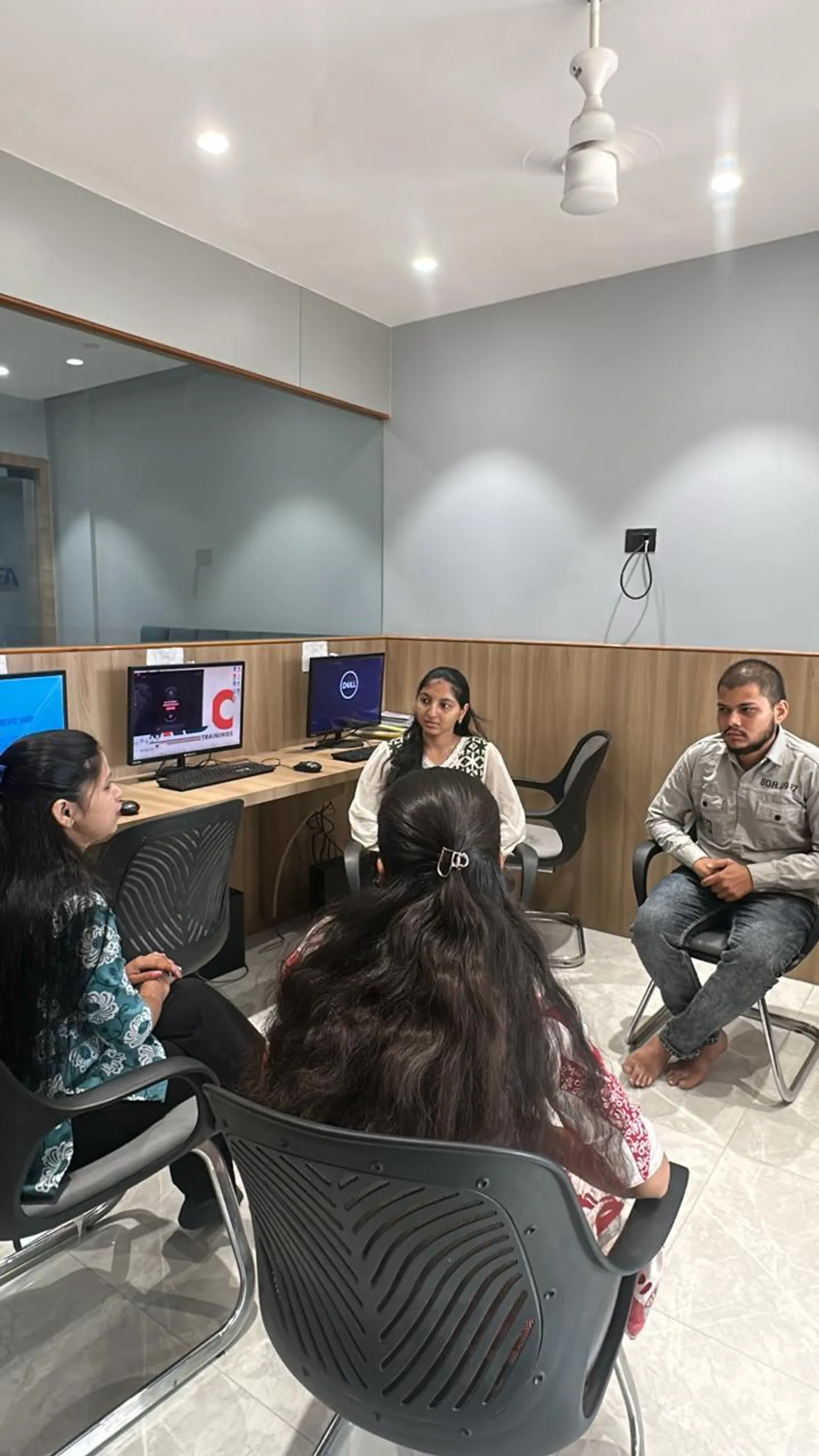
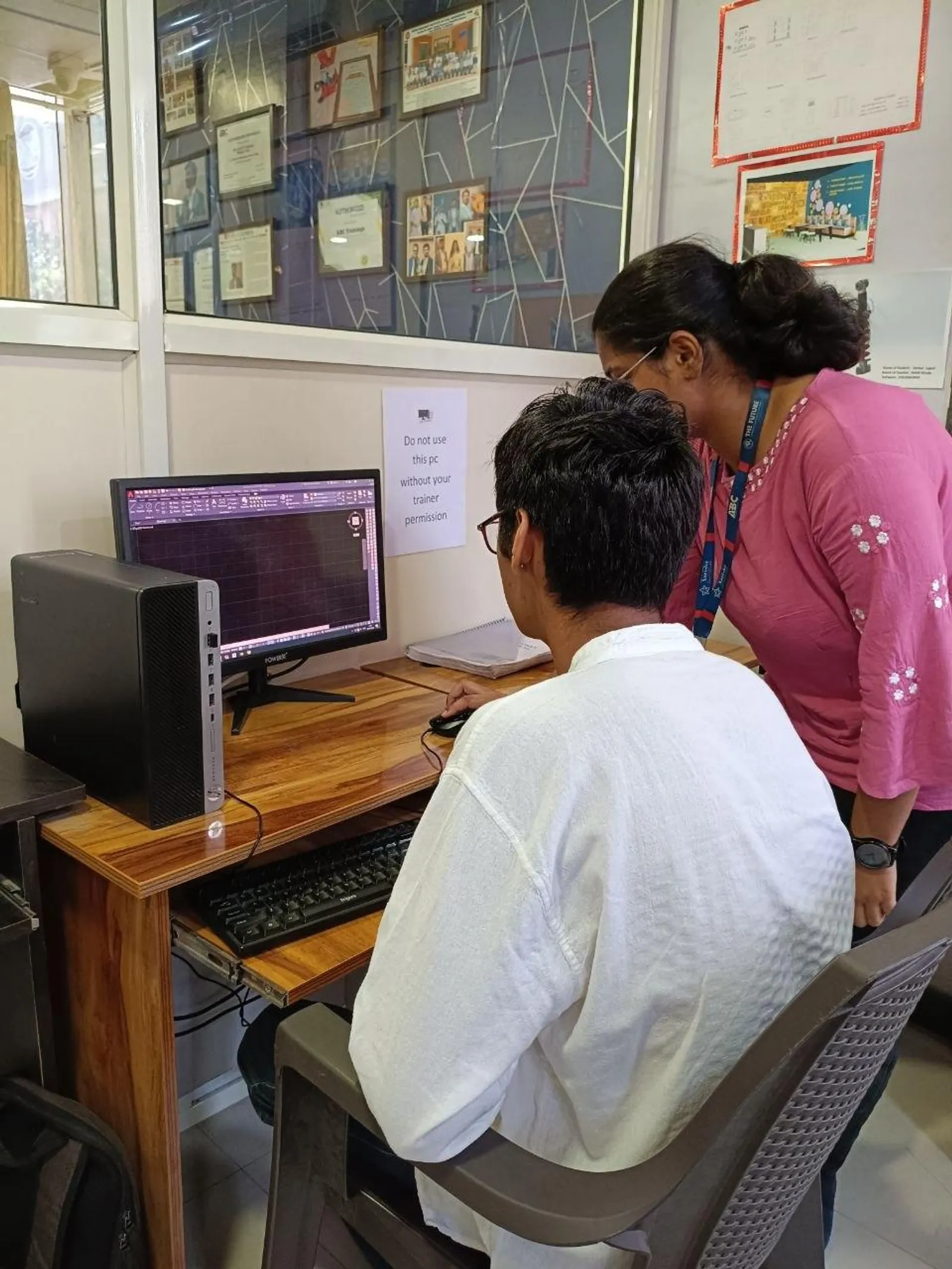
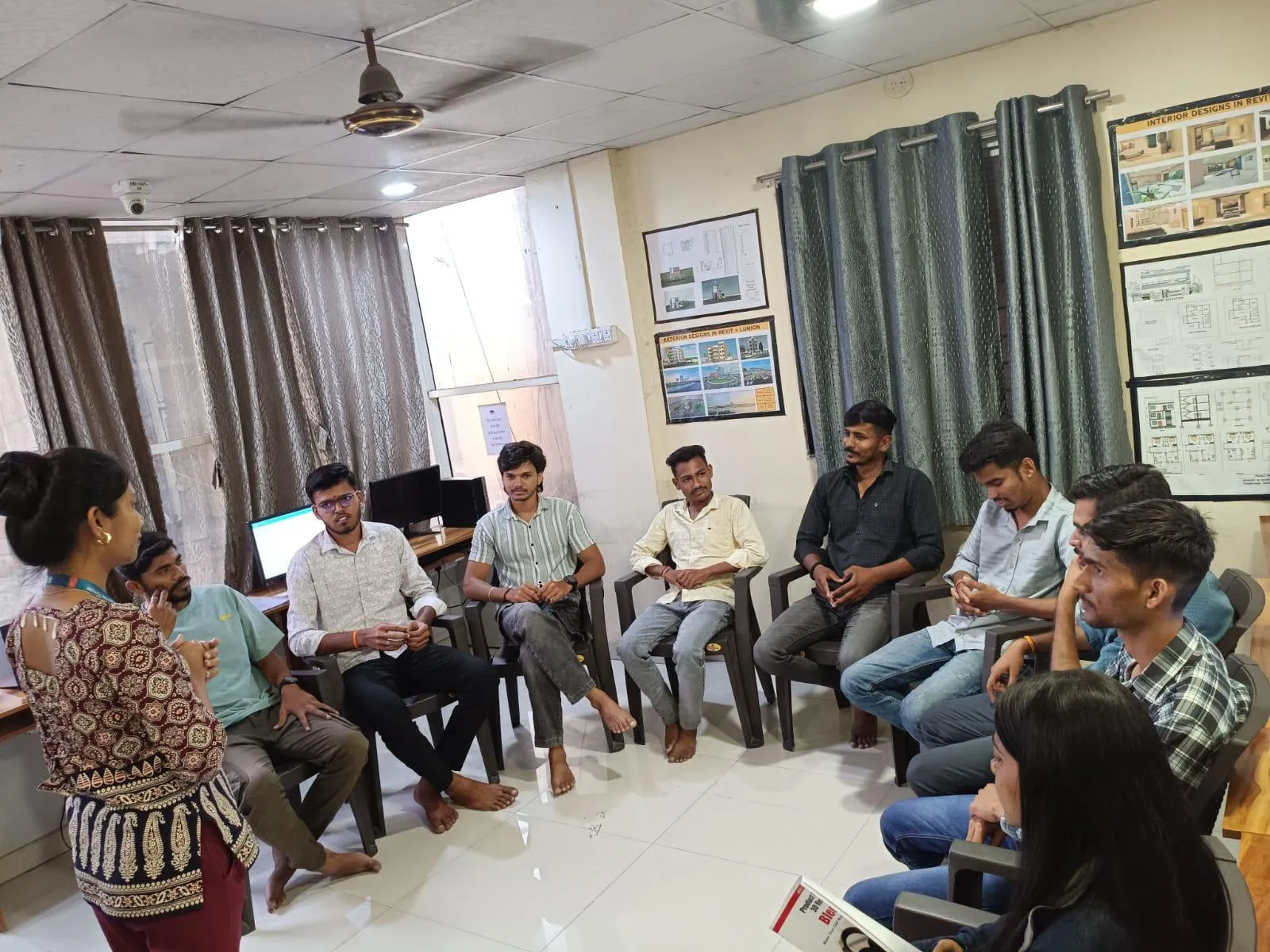
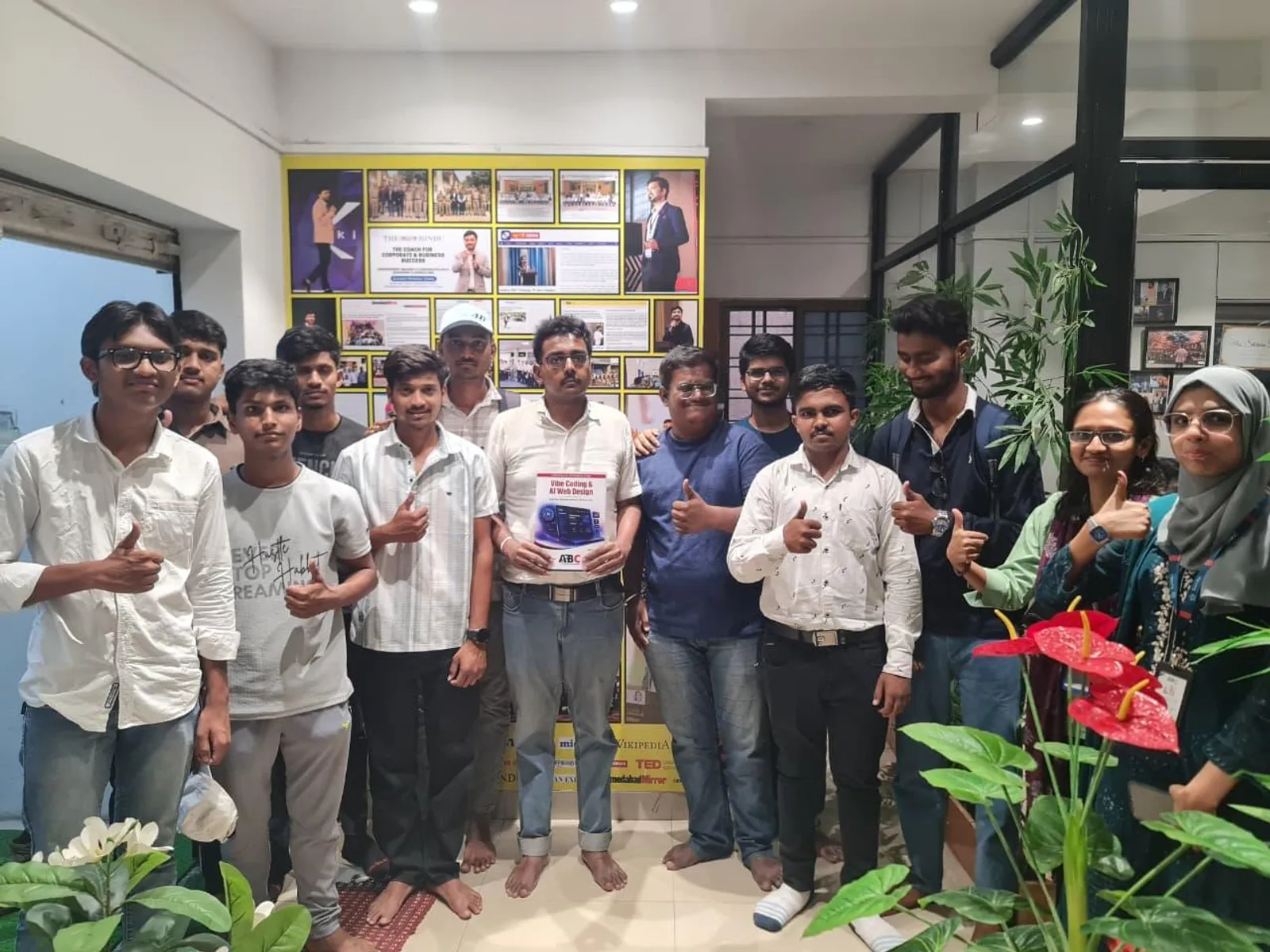
ABC Trainings offers specialized training covering terrain modeling, grading design, stormwater management, Revit Site, Civil 3D, Infraworks, and visualization tools with job placement assistance.
Frequently Asked Questions
Q1: Is BIM necessary for small landscape projects?
BIM improves quality and reduces errors even for small sites. Simplified BIM approaches can be cost-effective.
Q2: How does BIM integrate with municipal requirements?
PCMC and Pune authorities require landscape and drainage documentation. BIM generates compliant specifications for green building codes and Smart City guidelines.
Q3: What's the learning curve for landscape architects?
Most professionals transition within 3-6 months of training at ABC Trainings.
Q4: How does BIM support Pune's Smart City Mission?
BIM enables sustainable green infrastructure design, stormwater management, public space accessibility, and coordination between landscape, building, and infrastructure systems.
Conclusion
BIM for landscape architecture is essential for sustainable urban environments in Pune. Invest in your career with ABC Trainings.
Connect on WhatsApp: Chat on WhatsApp
Get Brochure + Fees + Batch Dates on WhatsApp
Free 1:1 counselling. Placement track record. CMYKPY/PMKVY eligibility check.
💬 WhatsApp 7774002496📞 Call 7039169629Visit Our Centers
- Wagholi (Pune): 1st Floor, Laxmi Datta Arcade, Pune-Ahilyanagar Highway. Call 7039169629
- Hadapsar (Pune HQ): 1st Floor, Shree Tower, opp. Vaibhav Theater, near Bloom Hotel, Magarpatta. Call 7039169629
- Cidco (Chh. Sambhajinagar): Kalpana Plaza, opp. Eiffel Tower, N-1 Cidco. Call 7039169629
- Osmanpura (Chh. Sambhajinagar): S.S.C Board to Peer Bazar Road, near Jama Masjid. Call 7039169629
- Sangli: Shubham Emphoria, 1st Floor, Above US Polo Assn., Sangli-Miraj Rd, Vishrambag. Weekend batches available. Call 7039169629