BIM for Pune''s Waste-to-Energy, Bio-CNG, MSW-Compost and Incinerator Plant Construction 2026: PMC Hadapsar, Uruli Devachi, PCMC Moshi and PMRDA Decentralised Plants Revit + AutoCAD Plant 3D + MPCB-EIA Workflows for Concord Blue, Hitachi Zosen, Ramky and EverEnviro — and the ₹8–15 LPA Environmental-Infrastructure BIM Niche
Pune generates over 2,300 tonnes of municipal solid waste a day, and the city''s answer is a fast-expanding network of waste-to-energy (WtE), bio-CNG, compost, material-recovery and scientific-incineration plants. The PMC and PCMC, under the Swachh Bharat and Maharashtra solid-waste rules, are building and upgrading processing capacity at Hadapsar, Uruli Devachi (the city''s legacy landfill being remediated and re-engineered), Ramtekdi, Baner, PCMC Moshi, and a ring of PMRDA decentralised ward-level plants. The technology and EPC roster — Concord Blue, Hitachi Zosen India, Ramky Enviro, EverEnviro (Adani-backed bio-CNG), Noble Exchange (NEX), Antony Waste, Banka BioLoo and various GAIL/bio-CNG offtake partners — together has more than 20 active environmental-infrastructure projects across the Pune region in 2026.
These plants are process facilities, not buildings — and that is exactly why they are a high-value, low-competition BIM niche. A bio-CNG plant has digesters, gas-holders, scrubbing-and-upgrading skids, compression and bottling, and flare systems. A WtE plant has a tipping hall, a boiler, a turbine, a flue-gas treatment train and an ash-handling system. Modelling these means combining AutoCAD Plant 3D (process equipment, piping, P&IDs) with Revit (civil structures, buildings, MEP) and Civil 3D (site, roads, drainage), all federated in Navisworks, against a dense layer of MPCB consent, EIA, hazardous-area (ATEX/IS) and pollution-control standards. Pune has very few engineers who can do this, and the salary band runs ₹8-15 LPA.
1. The 20+ Active Pune Environmental-Infrastructure Projects
Hadapsar / Ramtekdi: PMC processing and bio-methanation plants and the Ramtekdi industrial-waste handling upgrades. Uruli Devachi: the legacy landfill remediation, bio-mining, capping and the new engineered processing facility. PCMC Moshi: the integrated solid-waste processing complex, compost and RDF lines, and bio-CNG expansion. Baner / Aundh / Kothrud: decentralised ward-level wet-waste bio-methanation units. PMRDA fringe (Wagholi, Talegaon, Chakan belt): decentralised and industrial-estate common-effluent and waste-processing plants. Each carries a process-engineering core plus civil-structural and building scope.
2. Why a Bio-CNG or WtE Plant Is a Plant 3D Problem First
The heart of these plants is process equipment and piping: digesters, gas-holders, biogas-upgrading (PSA/membrane/water-scrubbing) skids, compressors, cascade-storage, dispensing/bottling, boilers, turbines, scrubbers, bag-houses and conveyors. This is the domain of AutoCAD Plant 3D — equipment modelling, 3D piping from P&IDs, isometrics, and a spec-driven catalogue — not architectural Revit. An engineer who can read a P&ID and build the 3D process model is the foundation of the project team, and that Plant 3D capability is the single rarest and best-paid skill in this niche in Pune.
3. Civil and Structural BIM — Tipping Halls, Digesters, Tank Foundations
Around the process train sits heavy civil-structural work: the tipping hall and waste-reception building, large RCC digester tanks and gas-holder foundations, the boiler-and-turbine building, conveyor galleries, ash silos and the leachate-and-effluent treatment civil works. This is Revit Structure and Civil 3D territory — deep foundations, tank design coordination, large-span industrial buildings, and the site grading, internal roads, weighbridge and storm-water that any large plant needs. Civil engineers enter the niche here, federating their structures with the Plant 3D process model.
4. MEP, Utilities and the Balance-of-Plant
The balance-of-plant MEP is substantial: plant electrical and the HT/LT substation, the DG and emergency power, plant water and compressed-air, HVAC and ventilation for control rooms and electrical rooms, fire-fighting and gas-detection, and the SCADA/instrumentation cabling. Modelling and coordinating these utilities through a congested plant — without clashing with the process piping and structures — is core Navisworks federation work. MEP and electrical engineers find their entry point in this balance-of-plant scope.
5. Hazardous-Area Zoning, Gas Detection and Flare Safety
Biogas and bio-CNG are flammable, so these plants carry hazardous-area (ATEX / IS / IEC 60079) classification around digesters, gas-holders, compression, storage and flares. The BIM model has to reflect the zoned areas, the flameproof electrical equipment, the gas-detection layout and the flare-and-vent safety setbacks. Getting the zoning and safety coordination right — and modelling it explicitly — is a defining, high-responsibility skill of process-plant BIM that building-BIM never touches.
6. The MPCB, EIA and Pollution-Control Compliance Layer
Every Pune WtE/bio-CNG/incineration plant runs through a dense regulatory gate: MPCB consent-to-establish and consent-to-operate, Environmental Impact Assessment, the Solid Waste Management Rules 2016, emission norms for incineration and flue-gas, and the CPCB/MoEFCC framework. The flue-gas-treatment train, the leachate and effluent treatment, the stack height and the emission monitoring are designed to these norms — and the coordinated model is increasingly part of how approvals and as-builts are demonstrated. An engineer who understands the compliance basis of the design is far more valuable than one who only pushes geometry.
7. The Software Stack Pune Environmental-Infrastructure Recruiters Test
(1) AutoCAD Plant 3D for digesters, upgrading skids, boilers, scrubbers, conveyors and 3D piping from P&IDs; (2) Revit Structure for tipping halls, tank and gas-holder foundations and the boiler-turbine building; (3) Revit MEP / AutoCAD Electrical for balance-of-plant power, HVAC, fire and gas-detection; (4) Civil 3D + InfraWorks for site grading, roads, weighbridge and drainage; (5) hazardous-area (ATEX/IS) zoning coordination; (6) Navisworks federation + Clash Detective across process, civil and MEP; (7) Synchro/Navisworks 4D for phased plant erection; (8) MPCB/EIA/SWM-2016 compliance basis; (9) isometrics and material take-off from Plant 3D; (10) IFC/COBie as-built hand-over for plant operations.
8. Salary Bands by Role (Q2 2026, Pune Environmental-Infrastructure BIM)
Plant/Civil BIM Modeller (0-1 yr): ₹4.0-5.5 LPA. Plant 3D + Revit Coordinator (1-3 yr): ₹6.0-9.0 LPA. Process-Plant BIM Coordinator with hazardous-area + compliance (3-5 yr): ₹9-12.5 LPA. Senior / multi-discipline plant BIM lead (5-9 yr): ₹12.5-15 LPA. BIM Manager / Information Manager for an environmental EPC (9+ yr): ₹15-22 LPA. The AutoCAD Plant 3D process-piping and hazardous-area-zoning competences carry the strongest premium, because they are the scarcest in the Pune talent pool.
9. Why Mechanical, Chemical and Civil Engineers All Have a Path Here
Environmental-infrastructure BIM is genuinely multi-disciplinary. Mechanical and chemical engineers own the Plant 3D process-equipment-and-piping core — the digesters, upgrading, compression and flue-gas train. Civil and structural engineers own the tanks, tipping halls, foundations and site-civil. Electrical and instrumentation engineers own the balance-of-plant power, gas-detection and SCADA cabling. Each discipline enters through its strength and learns the federation that makes the whole plant model work — and EPCs like Concord Blue, Hitachi Zosen, Ramky and EverEnviro hire across all three.
10. The ABC Trainings Pune Environmental-Infrastructure BIM Track (Wagholi & Hadapsar)
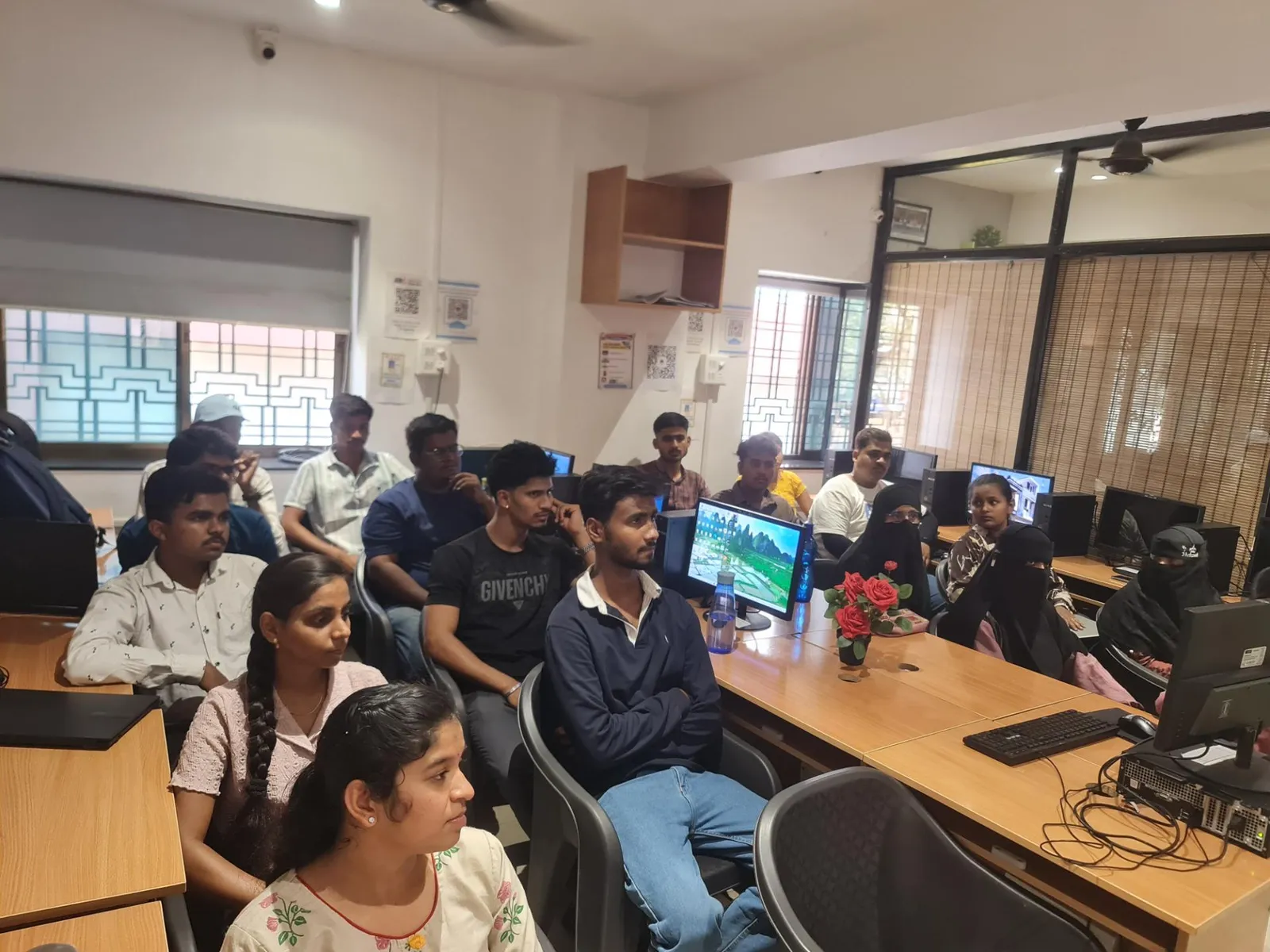
The track is built on a notional integrated waste-processing-and-bio-CNG capstone modelled on PCMC Moshi, Uruli Devachi and Concord Blue / EverEnviro references. It sweeps: AutoCAD Plant 3D process equipment, digesters, upgrading skids and 3D piping from P&IDs; Revit Structure tipping hall, tank and gas-holder foundations; Revit MEP / AutoCAD Electrical balance-of-plant; Civil 3D site, roads and drainage; hazardous-area (ATEX/IS) zoning coordination; Navisworks federation and clash; Synchro 4D plant erection; and the MPCB/EIA/SWM-2016 compliance basis. Project-led and hands-on, with a federated multi-discipline plant model as the final portfolio deliverable.
11. FAQs Pune Engineers Ask
Q: I''m a mechanical engineer. Is environmental-plant BIM a real career? Yes — and the Plant 3D process-modelling core is exactly your background. It is one of the highest-paid and least-contested BIM niches in Pune.
Q: Do I need Plant 3D, or is Revit enough? For the process side, Plant 3D is essential — the equipment and piping live there and federate into Revit. Civil engineers can lead on the structures and site, but the project needs both.
Q: Is the work steady, given it depends on municipal projects? Solid-waste and bio-CNG capacity is a national priority with sustained funding, and Pune''s waste volumes keep growing. The pipeline is long-term, not one-off.
Q: When do batches start at Wagholi and Hadapsar? Wagholi: 1st of every month. Hadapsar: 7th of every month. Weekday morning, weekday evening, weekend and Saturday-only batches are live.
Get Brochure + Fees + Batch Dates on WhatsApp
Free 1:1 counselling. Placement track record. CMYKPY/PMKVY eligibility check.
💬 WhatsApp 7774002496📞 Call 7039169629Visit Our Centers
- Wagholi (Pune): 1st Floor, Laxmi Datta Arcade, Pune-Ahilyanagar Highway. Call 7039169629
- Hadapsar (Pune HQ): 1st Floor, Shree Tower, opp. Vaibhav Theater, near Bloom Hotel, Magarpatta. Call 7039169629
- Cidco (Chh. Sambhajinagar): Kalpana Plaza, opp. Eiffel Tower, N-1 Cidco. Call 7039169629
- Osmanpura (Chh. Sambhajinagar): S.S.C Board to Peer Bazar Road, near Jama Masjid. Call 7039169629
- Sangli: Shubham Emphoria, 1st Floor, Above US Polo Assn., Sangli-Miraj Rd, Vishrambag. Weekend batches available. Call 7039169629