BIM for Structural Analysis in Pune: Integrating Revit with ETABS and STAAD Pro for Earthquake-Resistant Design 2026
Why Structural BIM Matters for Pune (Seismic Zone III)
Pune is located in Seismic Zone III, making earthquake-resistant design a critical requirement for all construction projects. Building Information Modeling (BIM) has revolutionized how structural engineers approach seismic design by enabling better coordination, clash detection, and integrated analysis workflows. When combined with industry-standard tools like ETABS and STAAD Pro, BIM becomes an essential methodology for creating safe, code-compliant, and cost-efficient structures.
Understanding Pune's Seismic Vulnerability
Pune's geological position in Seismic Zone III means structures must be designed to withstand moderate to significant earthquake ground motion. Traditional design methods often led to miscommunications between architects, structural engineers, and contractors. BIM integration eliminates these silos by creating a unified digital model where all disciplines work from a single source of truth.
Revit Structure: Creating Analytical Models for Structural Analysis
Revit Structure is the cornerstone of BIM-based structural design in India. Unlike 2D drafting, Revit allows engineers to create intelligent 3D analytical models that contain all structural elements with their properties and relationships.
Setting Up Analytical Models in Revit
The first step in structural BIM is creating a robust analytical model in Revit Structure. This model serves as the foundation for integration with ETABS and STAAD Pro. The process involves:
- Creating a structural grid system aligned with architectural design
- Defining column locations, sizes, and material properties
- Modeling beams with realistic cross-sections and reinforcement detailing
- Establishing slab systems and their load distribution patterns
- Integrating foundation designs appropriate for Pune's Deccan basalt geology
In Pune's construction industry, accurate modeling is crucial because projects often face challenging soil conditions. The Deccan basalt formations require deeper foundations and specialized design approaches, which BIM helps visualize and coordinate effectively.
Revit-ETABS Bidirectional Integration Workflow
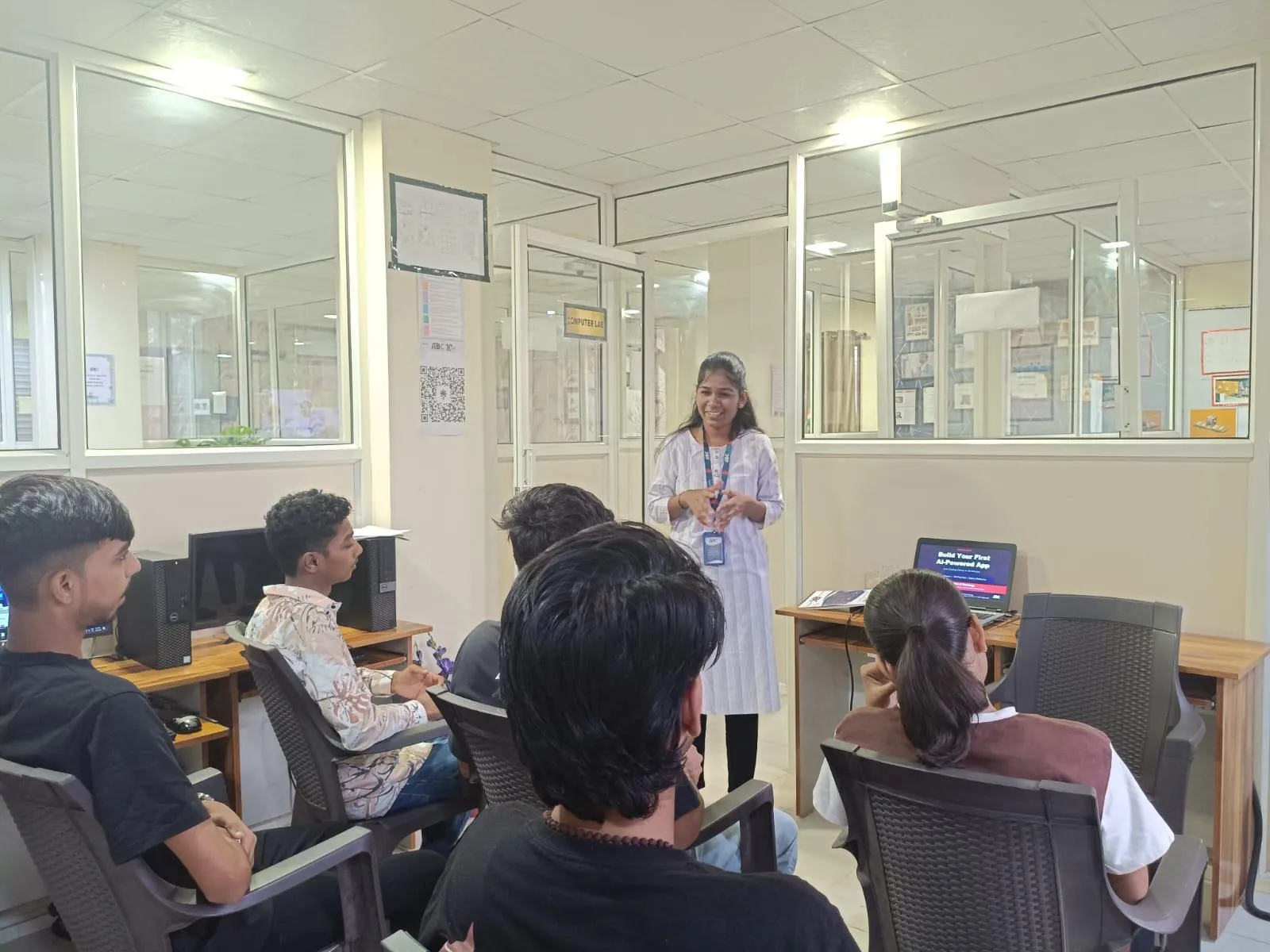
ETABS (Extended 3D Analysis of Building Systems) is the preferred structural analysis software for complex building design. The integration between Revit and ETABS enables a seamless workflow:
Export Process: Revit to ETABS
Engineers can export the analytical model from Revit directly to ETABS using industry-standard protocols. This transfer includes:
- Column grid information and coordinates
- Member definitions (beams, columns, walls)
- Slab systems and their connectivity
- Material properties and section sizes
- Load case definitions and seismic parameters specific to Zone III
For Pune projects, ETABS allows engineers to input precise seismic parameters from the Indian Standard IS 1893:2016, ensuring compliance with local building codes.
Analysis and Load Cases
Once the model is in ETABS, engineers perform:
- Linear static analysis for dead and live loads
- Spectral analysis for seismic forces (Zone III)
- Wind load analysis as per IS 875:2015
- Combination studies and envelope generation
- P-Delta effects and second-order analysis
Feedback Loop: ETABS to Revit
Results from ETABS can be imported back into Revit, allowing engineers to validate their design assumptions and make adjustments. This bidirectional workflow is critical for iterative design optimization, especially when dealing with irregular building geometry or complex loading conditions common in Pune's urban development projects.
Revit-STAAD Pro Integration for Industrial Structures
While ETABS excels at building structures, STAAD Pro is widely used for industrial, manufacturing, and infrastructure projects. Pune's MIDC (Maharashtra Industrial Development Corporation) areas host numerous industries where STAAD Pro is the standard analysis tool.
Industrial BIM Workflow with STAAD Pro
For industrial buildings and manufacturing facilities:
- Model creation in Revit for pre-engineered buildings (PEB)
- Crane beam design with moving load analysis
- Utility coordination (compressed air lines, electrical risers, HVAC ducts)
- Export to STAAD Pro for detailed frame analysis
- Optimization of structural steel sections
- Integration of wind and seismic loads specific to facility location
PEB Design Optimization
Pre-engineered buildings are popular in Pune's industrial zones due to their cost-effectiveness and quick construction. STAAD Pro analysis helps optimize steel section sizes while maintaining design safety, resulting in cost savings that are passed to clients.
Foundation Design for Pune's Deccan Basalt Geology
One of the most critical aspects of structural BIM for Pune is proper foundation design. The city's unique geology presents challenges and opportunities:
Geological Considerations
- Deccan Basalt: Hard, crystalline rock formation requiring specialized foundation design
- Bearing Capacity: Typically 25-40 kg/cm², higher than alluvial soils in other cities
- Weathering Patterns: Variable depth to rock layer requires extensive site investigation
- Water Table: Generally deep, but seasonal variations affect design
BIM-Based Foundation Planning
Revit allows engineers to model different foundation options:
- Shallow foundations (spread footings) when rock is near surface
- Pile foundations for deeper excavation requirements
- Raft foundations for irregular soil conditions
- Combined footings for load concentration management
Each option can be analyzed in ETABS/STAAD Pro to determine settlement and bearing capacity. The BIM model captures all soil investigation data and geotechnical recommendations, creating a seamless link between geological engineering and structural design.
Reinforcement Detailing and Coordination
Once structural analysis is complete, detailed reinforcement design follows. BIM-based coordination is essential to prevent rebar congestion and ensure constructability.
Rebar Modeling in Revit
- Automatic generation of reinforcement based on analysis results
- Clash detection between rebar, MEP systems, and formwork
- BOM generation for material procurement
- Shop drawing creation for fabrication and construction
Coordination Meetings
BIM models enable architects, structural engineers, MEP specialists, and contractors to coordinate in a shared digital environment. For Pune projects, this coordination is particularly valuable in dense urban areas where space constraints demand efficient utility routing alongside structural elements.
BIM Workflow Best Practices for Pune Structural Projects
1. Establish Clear Standards
Before starting, define naming conventions, layer standards, and modeling rules for all disciplines. This ensures smooth handoffs between Revit, ETABS, STAAD Pro, and detailing software.
2. Leverage Local Codes and Standards
Incorporate IS 1893:2016 (seismic design), IS 875:2015 (wind loads), and other relevant Indian Standards directly into the analysis software. BIM coordinators in Pune typically maintain updated libraries of local code parameters.
3. Regular Clash Detection
Run clash detection reports weekly to identify conflicts between structural elements, MEP systems, and architectural features. Early identification prevents costly rework during construction.
4. Maintain Model Accuracy
Ensure Revit analytical models reflect actual design intentions. Discrepancies between architectural and analytical models often cause confusion and design errors.
Career Prospects in Structural BIM for Pune
The demand for structural BIM engineers in Pune is rapidly growing as the city's construction industry modernizes. Career opportunities include:
Salary Range: Rs 45,000 - Rs 90,000 Monthly
- Entry-Level BIM Modeler (0-2 years): Rs 45,000 - Rs 60,000/month
- BIM Coordinator (2-5 years): Rs 60,000 - Rs 75,000/month
- Senior BIM Engineer (5+ years): Rs 75,000 - Rs 90,000/month
- BIM Manager/Consultant: Rs 90,000 - Rs 1,50,000/month
Required Skills
- Revit Structure expertise
- ETABS or STAAD Pro analysis
- Understanding of Indian building codes
- Coordination and communication skills
- AutoCAD and technical drawing knowledge
Where to Find Jobs
Structural BIM professionals are in demand at:
- Large architectural and engineering firms
- Construction companies implementing digital workflows
- Structural engineering consultancies
- Real estate development companies
- Project management consultancies
Learning Structural BIM with ABC Trainings
To master structural BIM in Pune, professional training is invaluable. Visit ABC Trainings for comprehensive structural BIM courses covering Revit Structure, ETABS integration, STAAD Pro, and Indian building code compliance.
Course Benefits
- Hands-on training on real Pune-based projects
- Industry mentorship from experienced professionals
- Certifications recognized by construction companies
- Job placement assistance
- Post-course support and updates
Frequently Asked Questions
Q1: What is the difference between ETABS and STAAD Pro?
ETABS is better suited for multi-story building structures with focus on seismic and wind analysis. STAAD Pro is more versatile for industrial, bridge, and tower structures. Both integrate well with BIM workflows.
Q2: How deep do foundations need to be in Pune?
Foundation depth depends on soil investigation results. For Deccan basalt, depths vary from 1m (rock near surface) to 10m+ (deeper excavation needed). A proper geotechnical report is essential.
Q3: Is BIM mandatory for Pune construction projects?
Not yet legally mandatory, but increasingly required by large developers, institutional clients, and government projects. BIM adoption is growing rapidly in Pune.
Q4: Can existing buildings be modeled in BIM?
Yes, through a process called "scan-to-BIM" using laser scanning and photogrammetry. This is useful for renovation and structural assessment projects.
Q5: What software alternatives exist to Revit?
ArchiCAD, AllPlan, and open-source tools like BricsCAD offer BIM capabilities, but Revit remains the industry standard in Pune.
Conclusion
BIM integration with ETABS and STAAD Pro represents the future of structural engineering in Pune. By leveraging these tools, engineers can design safer, more efficient structures while reducing costly errors and rework. Whether you're designing earthquake-resistant buildings or optimizing industrial facilities, mastering structural BIM is essential for career growth and professional excellence.
For comprehensive training and certification in structural BIM, visit ABC Trainings today. Join hundreds of engineers who have successfully transitioned to BIM-based workflows and advanced their careers in Pune's booming construction industry.
Connect with us on WhatsApp for "Structural BIM" inquiries: Chat on WhatsApp
Get Brochure + Fees + Batch Dates on WhatsApp
Free 1:1 counselling. Placement track record. CMYKPY/PMKVY eligibility check.
💬 WhatsApp 7774002496📞 Call 7039169629Visit Our Centers
- Wagholi (Pune): 1st Floor, Laxmi Datta Arcade, Pune-Ahilyanagar Highway. Call 7039169629
- Hadapsar (Pune HQ): 1st Floor, Shree Tower, opp. Vaibhav Theater, near Bloom Hotel, Magarpatta. Call 7039169629
- Cidco (Chh. Sambhajinagar): Kalpana Plaza, opp. Eiffel Tower, N-1 Cidco. Call 7039169629
- Osmanpura (Chh. Sambhajinagar): S.S.C Board to Peer Bazar Road, near Jama Masjid. Call 7039169629
- Sangli: Shubham Emphoria, 1st Floor, Above US Polo Assn., Sangli-Miraj Rd, Vishrambag. Weekend batches available. Call 7039169629