College Tier vs Practical Skills: What Actually Gets You a High-Paying Engineering Job in 2026? (Updated August 2026)
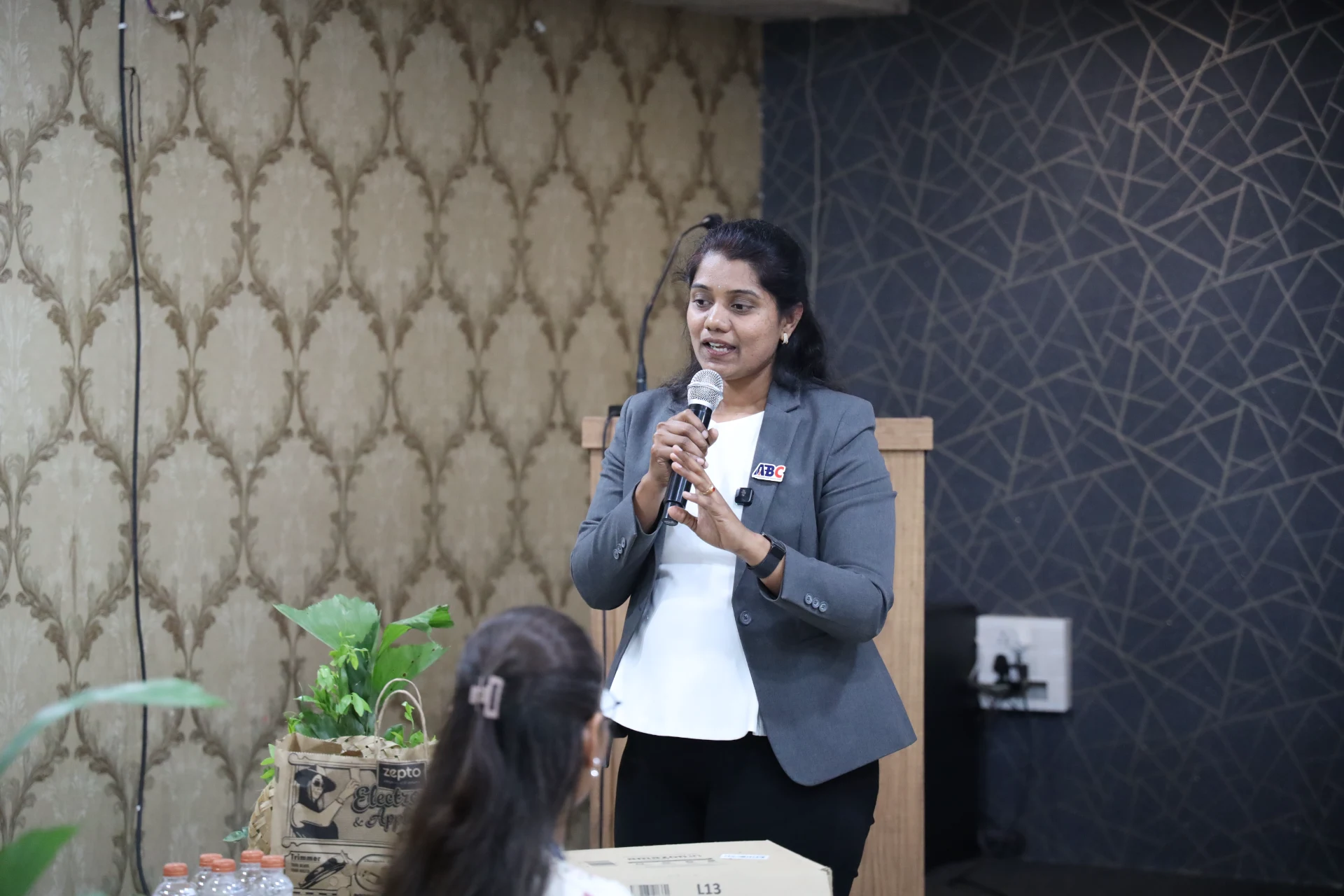
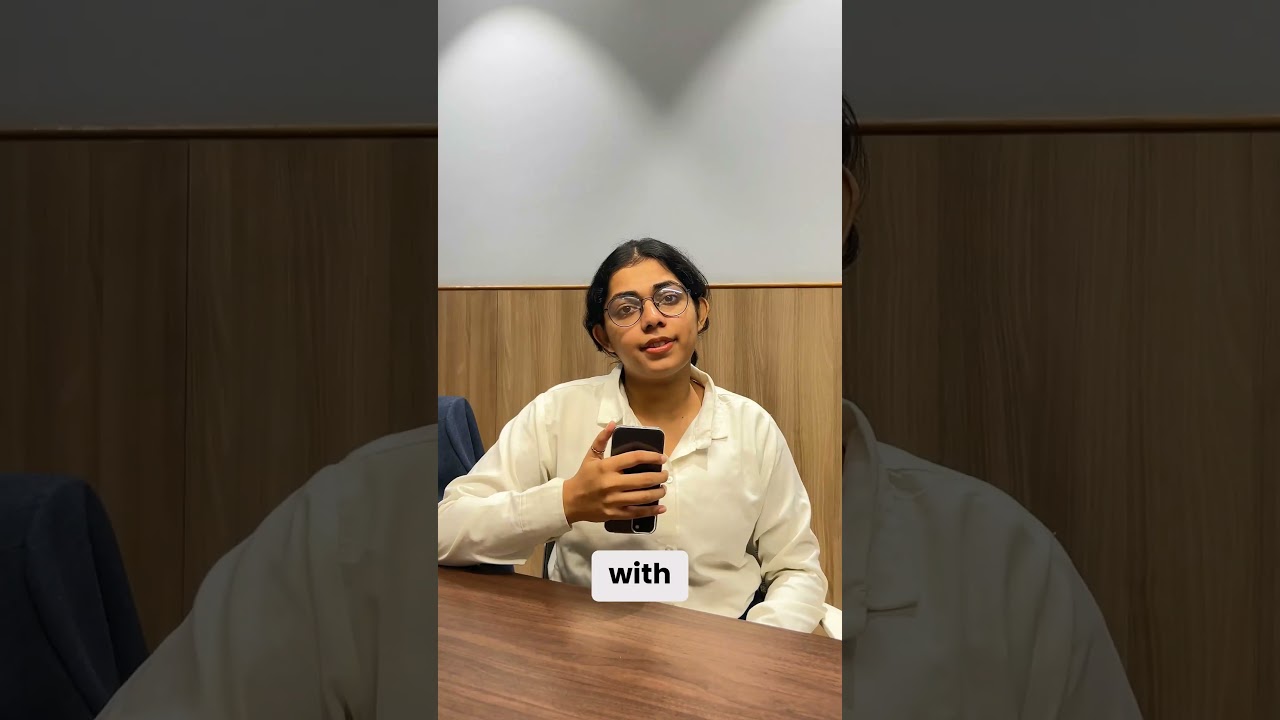
Your college does not decide your salary — your skills do. This is not a motivational line; it is what the hiring data in India's engineering sector shows in 2026. The NASSCOM-Deloitte report projects 1.25 million new automation and AI-related roles by 2027, and companies filling these roles are screening on demonstrated skill, not college tier. As the video from ABC Trainings puts it directly: companies look at what you can build, what you can solve, and what value you can create. A good college is a starting advantage, not a career guarantee — and there is a gap between opportunity and success that only practical skill, real projects and industry exposure can close.
- Your college tier does not decide your salary in engineering — your demonstrated skills, projects and industry exposure do
- Companies evaluate what you can build, solve and contribute — not where you studied
- Students from tier-2 and tier-3 colleges with strong practical portfolios regularly outperform tier-1 graduates with only theory
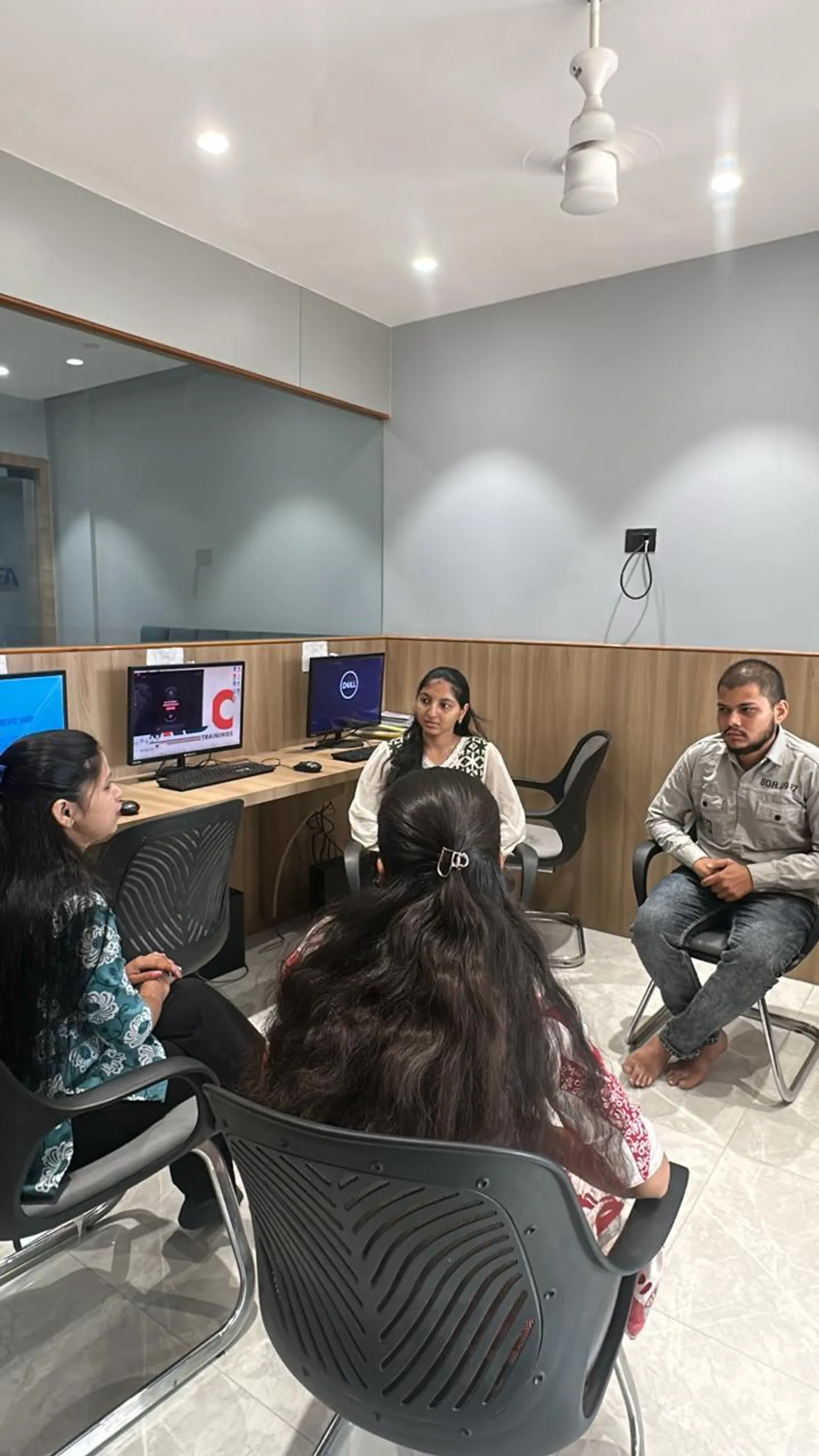
- ABC Trainings provides practical learning, live projects, resume building, interview preparation and placement support
- The right investment now — skills and projects — is what separates offers received from offers missed in 2026
The Truth About College Tier and Engineering Salaries in India (2026 Data)
India's engineering placement data tells a consistent story: students from IIT and NIT get the best median offers through campus placements, but the distribution is wide. Many IIT graduates take roles at ₹5–8 LPA; many diploma or tier-3 college graduates with strong skills land at ₹4–7 LPA in automation, design and IT. The overlap is real. AmbitionBox and Glassdoor data for Pune engineering roles in 2026 show entry-level PLC engineers at ₹3.5–5.5 LPA regardless of college tier, because companies care about whether you can write ladder logic, not where you learned about it. The college ceiling is an idea; the skills floor is what the hiring market actually applies.
What Companies Actually Look For When Hiring Engineering Graduates
When a Pune recruiter at Bajaj Auto, TecLogos Automation, Siemens India or a Hinjewadi IT company looks at a resume in 2026, they are asking three questions: Can this person do the work from week one? What have they actually built, designed or automated — with evidence? And will they learn fast if something is new? The answers to these questions come from technical skills demonstrated in a portfolio (not a certificate wall), real project work (not college assignments), and the confidence to talk through your process in a technical interview. These are all learnable — college tier doesn't generate them; deliberate practical training does.
How Students From Tier-2 and Tier-3 Colleges Can Compete on Salary
The strategy for tier-2 and tier-3 college engineering students competing against better-branded peers is straightforward: stop competing on college name (you can't change it) and compete on evidence of skill (you can build this). A final-year student at Government Polytechnic or a tier-3 college who completes a full PLC SCADA automation project, can demo it in an interview, and shows a GitHub with live projects will get a second look at most companies that a student with only a good college name and no practical portfolio will not. The playing field in skills-based evaluation is genuinely level.
What 'Practical Skills' Means in an Engineering Interview — Specifically
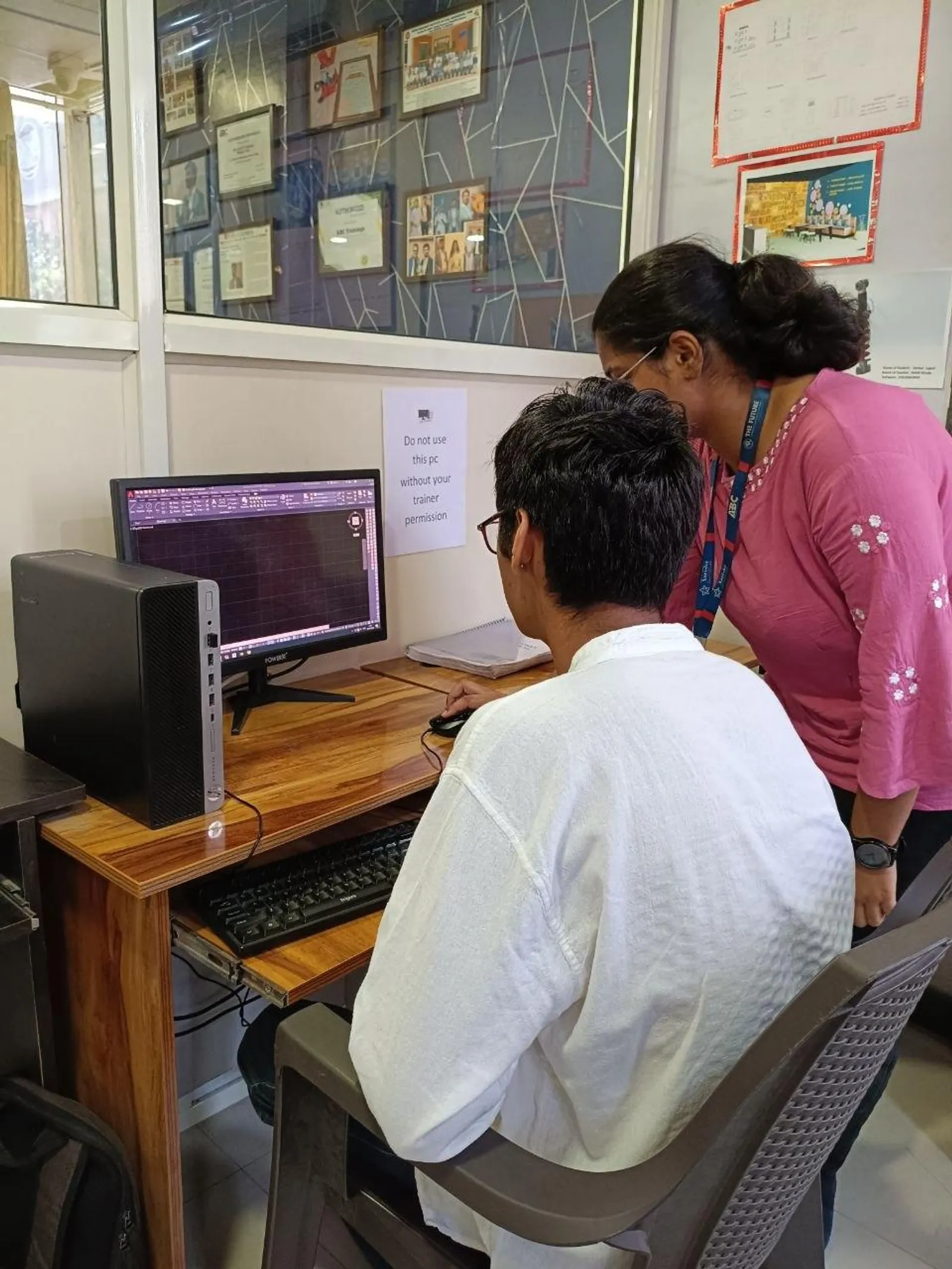
Practical skills in an engineering interview are specific: for automation roles, it is whether you can open a PLC programming environment and explain a ladder logic rung. For CAD roles, it is whether you can open AutoCAD or EPLAN and produce a drawing to specification. For IT roles, it is whether you can write a working function in Python, deploy a web app, or configure an AWS service. None of these are tested by college exam answers — they are tested by doing. The only way to answer these questions confidently in an interview is to have already done them, repeatedly, with real tools on real projects.
The Role of Live Projects in Getting Shortlisted for Engineering Jobs
A live project in your portfolio is different from a college assignment in a fundamental way: you made the decisions, solved the problems, and can explain the choices. A recruiter who sees a PLC automation project — with a schematic, a program listing, a commissioning report and a short demo video — knows that candidate understands the full workflow. That evidence outweighs a certificate from anywhere. The ABC Trainings curriculum is built around this: every programme ends with a real project, not a theory exam. The project becomes the evidence you take to your first interview.
How ABC Trainings Bridges the Gap Between College and Industry
ABC Trainings addresses the college-to-industry gap with four specific pillars: practical learning (live hardware, real software, actual project work — not just slides); live projects (every student completes a real project in their chosen domain); resume building (the placement team helps you translate your training and projects into a resume that speaks to what companies look for); and placement support (direct HR introductions at target companies in Pune's MIDC zones, Hinjewadi IT Park and Sambhajinagar's AURIC zone). This is the pipeline that has placed 20,000+ students since 2014 — including many from tier-2 colleges and polytechnics.
What Engineering Students Should Do Right Now to Improve Their Salary Prospects
If you are an engineering student reading this in 2026 and worried about your college tier's impact on your job prospects, here is the specific action plan: (1) Identify the tool set for your target job type — PLC programming, AutoCAD Electrical, EPLAN, Python, AWS; (2) Enrol in a focused practical course that covers that tool set — 3 months is enough to build real competency; (3) Complete a live project you can demo; (4) Apply the CMYKPY stipend to offset course cost if you are a Maharashtra resident; (5) Use ABC Trainings' placement team to connect with relevant hirers. Call 7039169629 or WhatsApp 7774002496 to start.
CMYKPY (Chief Minister Yuva Karya Prashikshan Yojana) provides ₹6,000–10,000 training stipend for eligible Maharashtra engineering students regardless of their college tier. ABC Trainings is a CMYKPY-eligible centre. Bring Aadhaar, bank passbook and 12th marksheet.Get the Career Guidance Brochure + Fees + Batch Dates on WhatsApp
Free 1:1 counselling. Placement track record. CMYKPY/PMKVY eligibility check.
💬 Get Brochure on WhatsApp📞 Call 7039169629About the author: ABC Trainings Faculty.
Visit Our Centers
- Wagholi (Pune): 1st Floor, Laxmi Datta Arcade, Pune-Ahilyanagar Highway. Call 7039169629
- Hadapsar (Pune HQ): 1st Floor, Shree Tower, opp. Vaibhav Theater, Magarpatta. Call 7039169629
- Cidco (Chh. Sambhajinagar): Kalpana Plaza, opp. Eiffel Tower, N-1 Cidco. Call 7039169629
- Osmanpura (Chh. Sambhajinagar): S.S.C Board to Peer Bazar Road, near Jama Masjid. Call 7039169629
- Sangli: Shubham Emphoria, 1st Floor, Above US Polo Assn., Sangli-Miraj Rd, Vishrambag. Weekend batches available. Call 7039169629
FAQs
Does my engineering college tier really affect my starting salary in Pune?
It has an effect on campus placement pool size, but less on actual salary for skills-based roles. Entry-level PLC engineers, CAD designers and cloud engineers in Pune earn based on demonstrated skill and project experience, not college name. AmbitionBox data (August 2026) shows ₹3–5.5 LPA entry packages for automation roles across a wide range of college backgrounds.
Can a diploma or tier-3 college student get a job at companies like Siemens or L&T?
Yes — several ABC Trainings graduates from diploma colleges and tier-3 institutions have placed at Siemens India (Hadapsar), L&T Electrical, TecLogos Automation and panel manufacturing companies in Bhosari and Chakan MIDC. The placement was based on their practical skills and project portfolio, not their college name.
What practical skills matter most for engineering jobs in Pune in 2026?
For automation roles: PLC ladder logic (Siemens S7, Allen-Bradley), SCADA design, P&ID reading. For design roles: AutoCAD Electrical or EPLAN Electric P8, panel layout drawings. For IT roles: Python scripting, cloud platforms (AWS/Azure), web development. Any of these, demonstrated in a real project, is enough to get shortlisted at most Pune companies.
How does ABC Trainings help students from smaller colleges compete for engineering jobs?
ABC Trainings provides practical training, live project work, resume building tailored to what Pune recruiters look for, interview preparation and direct placement connections. The team has a track record of placing students from tier-2 and tier-3 backgrounds at industrial and IT companies across Maharashtra.