Cyber Security Training in Sangli 2026 Course Guide
If you're searching for cyber security training in Sangli, you're probably asking the right question already: which course will actually help you get skills, not just a certificate? Sangli's student crowd is changing fast. Commerce graduates, BSc students, BCA learners, working professionals from accounts and office administration, and even engineers are trying to move into safer, better-paying digital roles. Here's the thing: cyber security looks exciting from the outside, but the wrong course can waste 3 to 6 months and leave you with zero practical confidence.
Maharashtra's digital economy is growing across Pune, Kolhapur, Sangli, Miraj, Satara, and Chhatrapati Sambhajinagar. Small businesses, hospitals, schools, manufacturers, banks, and service firms all use cloud tools, email systems, payment gateways, ERPs, and office networks. That also means more phishing, ransomware, password theft, and data misuse. The good news is, if you choose the right training path, cyber security can open doors to roles in IT support, security operations, compliance, vulnerability assessment, and secure system administration.
Who should join a cyber security course in Sangli?
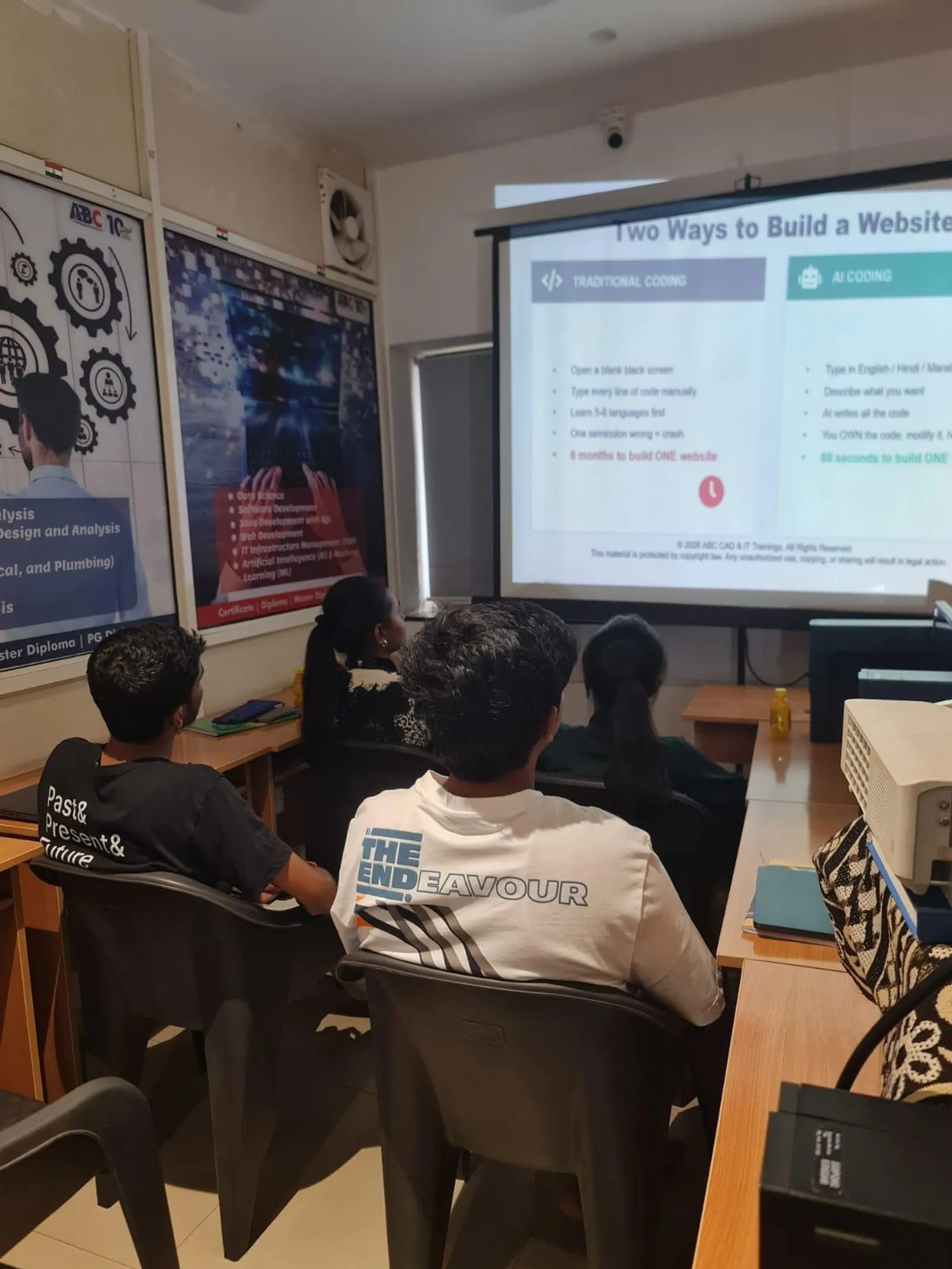
What most people don't realize is that cyber security is not only for hardcore coders. Yes, technical students have an advantage, but this field also suits people who are disciplined, curious, and comfortable with systems. If you're from BCA, BSc Computer Science, BCom, diploma IT, engineering, or even an office/accounts background and want to move into digital security work, you can start with the basics.
For Sangli students, this is especially useful if you want a practical career route without relocating immediately to Pune or Bengaluru. Entry-level roles can begin with IT support plus security basics, junior SOC analyst tasks, log monitoring, user access control, patch management, and awareness of phishing and endpoint protection.
Should you choose offline or online cyber security training?
Trust me, this decision matters more than the course brochure. Online learning is flexible and often cheaper. If you're already working in an office, handling accounts software, email systems, or admin tasks, online classes may fit your schedule. They're useful for theory, certification prep, and revision.
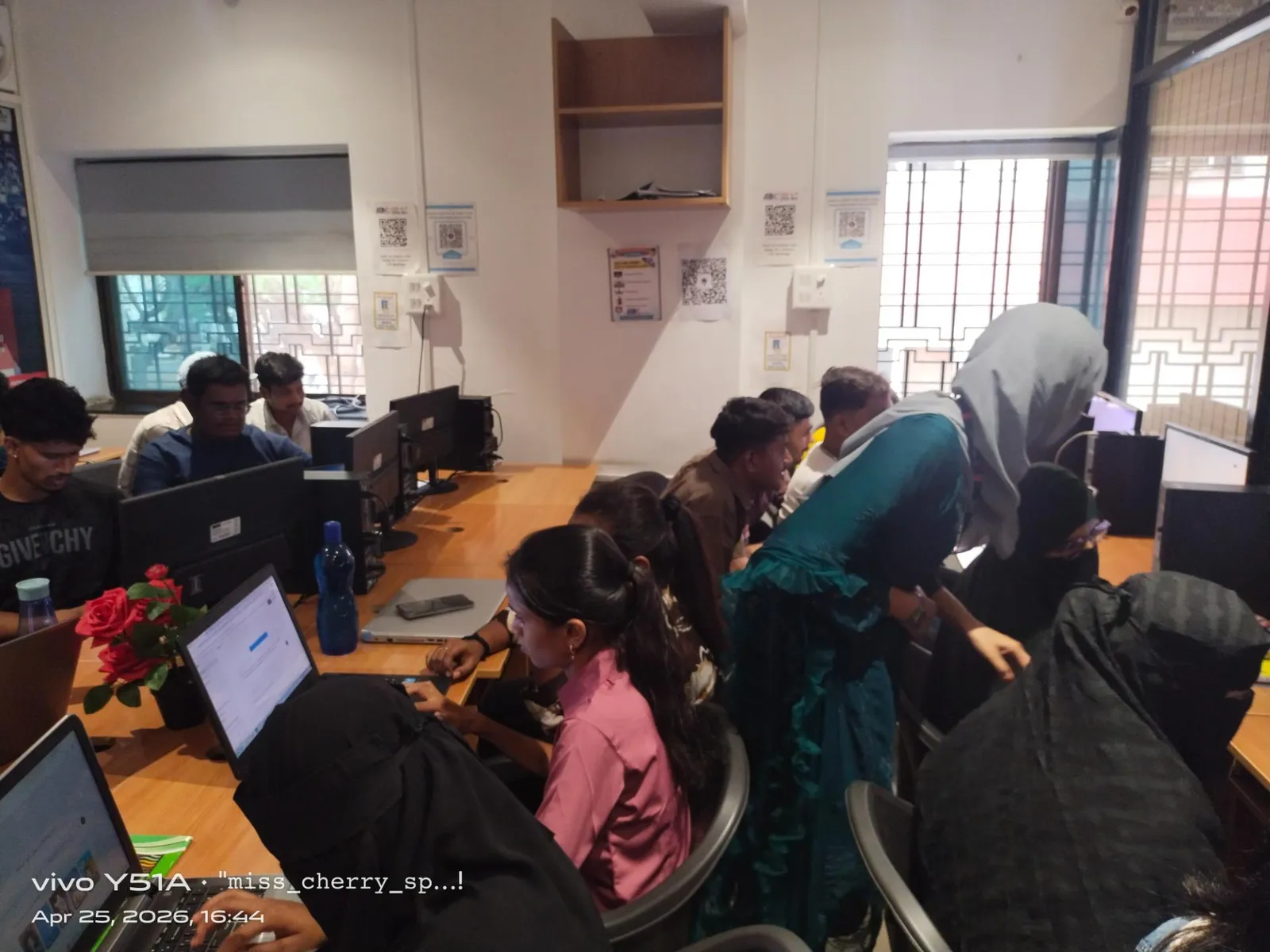
But for beginners, offline training usually works better. Why? Because cyber security is not a watch-and-forget subject. You'll need guided labs, live troubleshooting, network setup practice, operating system basics, command line work, and proper doubt-solving. In a classroom, trainers can correct your mistakes immediately. That's a big advantage when you're learning IP addressing, Linux commands, Windows security policies, firewall basics, Wireshark packet capture, or vulnerability scanning.
A blended model is often the smartest option: offline practical sessions with online revision material. If an institute offers only recorded videos and calls it job training, be careful.
What should a good cyber security course syllabus include?
A serious beginner-to-job-oriented course should cover more than ethical hacking buzzwords. If the entire pitch is just “learn hacking,” that's a red flag. A proper foundation should include:
- Computer hardware and operating system basics
- Networking fundamentals: IP, DNS, ports, routers, switches, firewalls
- Windows and Linux administration basics
- Cyber security concepts: CIA triad, authentication, access control
- Threats: phishing, malware, ransomware, brute force, insider risk
- Network monitoring and packet analysis using Wireshark
- Vulnerability assessment basics
- Password security, MFA, endpoint protection, backups
- Web security basics: SQL injection, XSS, authentication issues
- Security policies, compliance awareness, incident reporting
- Hands-on labs and mini projects
- Interview preparation and resume support
If the course goes to a higher level, it may also introduce SIEM tools, SOC workflows, cloud security basics, and certification preparation such as CEH, Security+, or fundamentals aligned with current industry expectations.
How long does cyber security training take in Sangli?
For most students, a practical foundation course takes 3 to 6 months. If you're a complete beginner, don't rush. First build networking, operating systems, and security basics. A 30-day “become hacker” promise is marketing, not training.
A good structure usually looks like this:
- 1st month: computer, network, and OS fundamentals
- 2nd month: security concepts, threats, tools, and monitoring basics
- 3rd month: labs, vulnerability assessment, web security basics
- 4th to 6th month: advanced practice, projects, interview prep, certification support
If you're already in IT support or system administration, you may move faster. If you're from accounts or office work and shifting careers, a longer practical course is often better.
How do you choose the right cyber security institute in Sangli?
Here's the checklist I tell students to use before paying any fees:
1. Ask for the exact lab work
Don't settle for theory-only demos. Ask what tools you'll actually use. You should see practical exposure to Linux, Windows security settings, Wireshark, browser security testing basics, virtual machines, and network troubleshooting.
2. Check who teaches the course
A trainer should be able to explain security in simple language, not just throw jargon around. Ask about their teaching experience and whether they teach live, practical sessions.
3. Look for local doubt support
This is where many online-only platforms fail students. If you get stuck on a lab, who helps you? Same day or after a week? Offline support matters.
4. Ask how the course connects to jobs
Not every student becomes a penetration tester on day one. A realistic institute will explain entry-level pathways: IT support, junior security analyst support, system admin, NOC/SOC support, compliance support, or helpdesk with security awareness.
5. Check placement guidance, not fake placement claims
No honest institute can promise a job to every student. But they should offer resume building, interview questions, mock sessions, and referrals where possible.
What are the biggest red flags in cyber security courses?
Watch out for these:
- “100% job guarantee” without skill evaluation
- Only recorded classes, no trainer interaction
- No lab setup, no assignments, no system access
- Only ethical hacking demos, no networking basics
- Outdated tools and old software versions
- Fee pressure on day one
- No course roadmap in writing
- No interview or project support
Trust me, many students get attracted by flashy posters and then realize they can't even explain the difference between a firewall and antivirus in an interview.
What jobs and salaries can you expect after cyber security training?
Freshers in Maharashtra usually start modestly, and that's normal. In Sangli, Kolhapur, and nearby cities, entry roles linked to IT support and security basics may start around ₹1.8 lakh to ₹3.2 lakh per year. In Pune, entry-level cyber security or system support roles can range from ₹2.5 lakh to ₹4.5 lakh per year, depending on your hands-on skills.
With 1 to 3 years of experience, salaries can move to ₹4.5 lakh to ₹7 lakh in roles related to SOC operations, vulnerability management, endpoint security, or cloud support. Larger employers and technology partners connected to companies such as Infosys, TCS, KPIT Technologies, Bosch, Siemens, Thermax, Kirloskar, Tata Technologies, Mahindra Engineering, and L&T value people who understand systems, security hygiene, and incident response basics.
What makes ABC Trainings different for Sangli students?
If you're comparing institutes, ABC Trainings is worth looking at because the focus is on practical learning, local support, and career direction, not just certificate distribution. For Sangli students, that matters. Many learners need a trainer they can actually talk to, not a support ticket system.
ABC Trainings helps students understand fundamentals first, then builds toward hands-on cyber security concepts. That's important because what most people don't realize is that strong basics in networking, operating systems, and office IT environments make you more employable than random hacking tricks. If you want course details, batches, and counseling, call 8698270088 or WhatsApp 7774002496.
Another practical advantage is guidance for students from mixed backgrounds. If you're from accounts, office administration, or non-coding education, you'll need a different pace than a BTech IT student. A good institute should recognize that and teach accordingly.
Is cyber security a good career for accounts and office staff?
Yes, in many cases it can be a smart shift. Office and accounts professionals already understand email discipline, document handling, user access issues, payment fraud risks, and data sensitivity. Those habits are useful in cyber security awareness, compliance support, access management, secure documentation, and internal process control. You'll still need technical training, of course, but your work maturity can become a real advantage.
Let's keep it simple: if you're careful, methodical, and willing to learn systems step by step, this field is open to you.
What should you do before joining any course?
Before paying fees, attend a demo, ask for the syllabus, ask what software and labs you'll use, check the duration, and ask how beginners are supported. If possible, speak to past students. Don't choose only on low fees. Choose based on trainer quality, practical exposure, and whether the institute can help you build confidence for real interviews.
The right cyber security course in Sangli should make you job-aware, tool-aware, and industry-aware. That's the goal.
Which is better for cyber security in Sangli: offline or online classes?
For beginners, offline classes are usually better because you get live lab support, instant doubt solving, and guided practice. Online classes can work well for revision or for working professionals with time limits. A blended format is often the best choice if the institute offers both practical sessions and online support.
Can a BCom or office admin student learn cyber security?
Yes, but you'll need to start with computer, networking, and operating system basics first. Students from accounts and office roles often do well because they already understand process discipline and data handling. Choose a course that is beginner-friendly and includes hands-on labs instead of advanced jargon from day one.
What is the fee for cyber security training in Sangli?
Fees vary based on duration, lab access, trainer quality, and whether placement support is included. In Sangli, a practical beginner-to-intermediate course may range from around ₹25,000 to ₹60,000. Always compare syllabus depth, lab work, and support before deciding based only on price.
Can I get a job in Pune after learning cyber security in Sangli?
Yes, many students build their basics locally and then apply for jobs in Pune. Entry roles may include IT support, SOC support, system administration, and security operations assistance. Your chances improve a lot if you have hands-on practice, a clear resume, and interview preparation along with your course.
Visit Our Centers
Sangli
Sangli Branch
2nd Floor, Vasant Market, Opp. City High School, Sangli, Maharashtra 416416
Start Your Career Journey Today
Join 10,000+ students who transformed their careers with ABC Trainings.
💬 WhatsApp: 7774002496📞 Call: 8698270088