A Day in the Life of a BIM Engineer in Pune 2026: Real Work, Real Hours, Real Salary at a Leading AEC Firm
Civil and architecture students in Pune routinely ask one question that no training institute brochure answers honestly: what does a BIM engineer actually do all day? Brochures describe software tools and career paths. Job portals list skills. What is missing is the ground-level reality — hour by hour, meeting by meeting, model by model — of an average working day inside a Pune AEC firm in 2026.
This article walks through an honest, composite day-in-the-life of a three-year-experienced BIM engineer working at a mid-to-large AEC firm in Kharadi or Hinjewadi. The specifics are drawn from interviews with practising engineers across Panchshil-affiliated teams, Cundall Pune, WSP Pune, and AECOM Pune delivery centres. Names are anonymised but workflow, tooling, and hourly rhythm are real.
The Commute and Morning Start
Meet Ananya — fictional composite name, real workflow. She is 26, completed her civil engineering degree from a Pune college, spent two years as a site engineer at a local developer, then did an intensive six-month BIM training and joined a mid-size AEC firm at Kharadi. She is now in her third year as a BIM engineer, drawing approximately ₹8.5 LPA with performance variable on top. She lives in Viman Nagar, a 15-minute scooter commute from office in off-peak hours.
8:45 AM: Ananya reaches the office. The first 15 minutes are routine — laptop startup, checking emails from the international project team in Singapore (they are four hours ahead), and scanning the overnight comments in Autodesk Construction Cloud on the federated model.
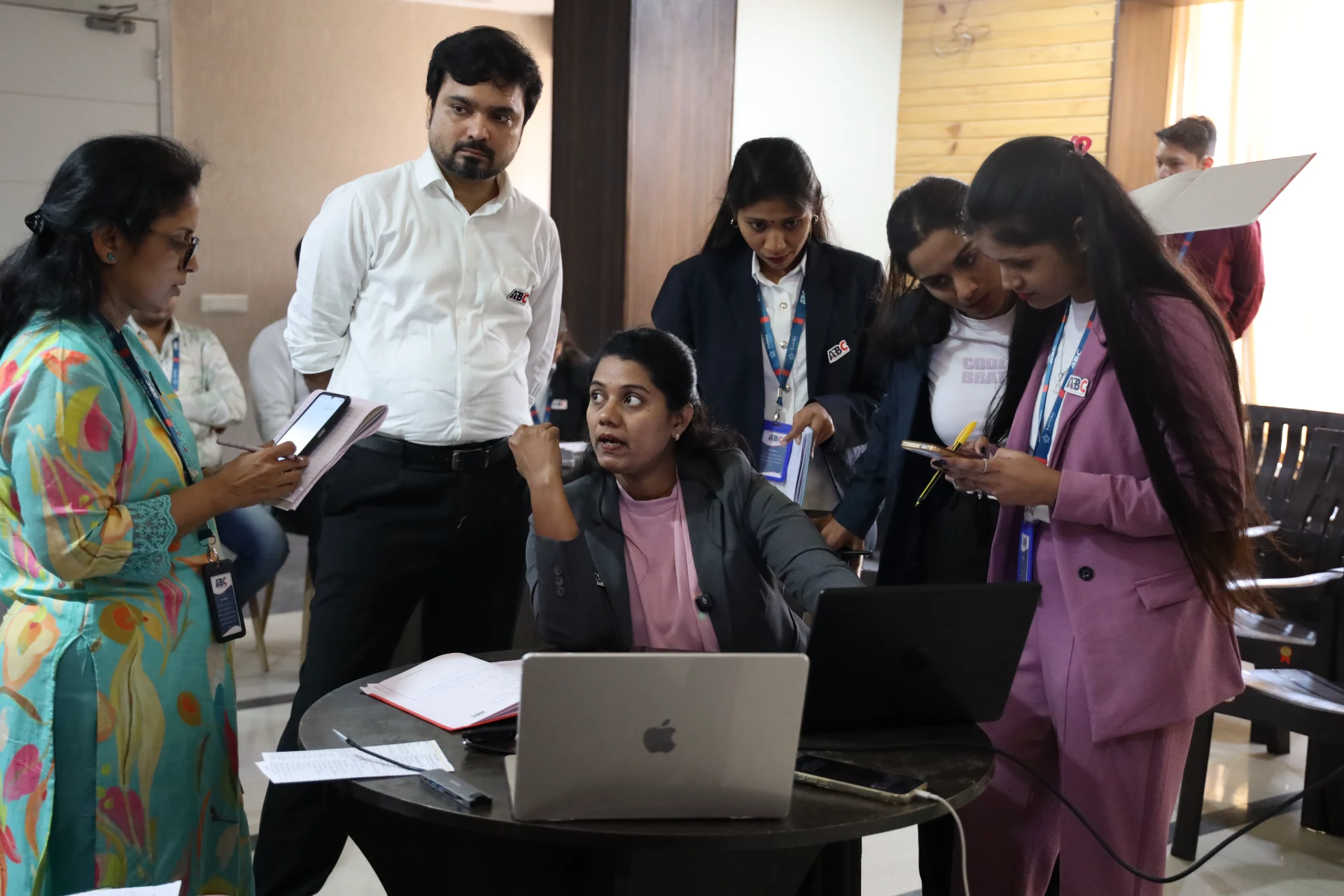
9:00 AM: Project Stand-Up
Ananya''s team has a 15-minute daily stand-up. Today the BIM coordinator, two modellers, an MEP specialist, and Ananya review what each person accomplished yesterday, what they are working on today, and blockers. The team is 45 days away from a 90 percent design delivery milestone on a mixed-use commercial tower in Mumbai — one of several projects the Pune office supports.
9:20 AM: Model Work — Revit Structure
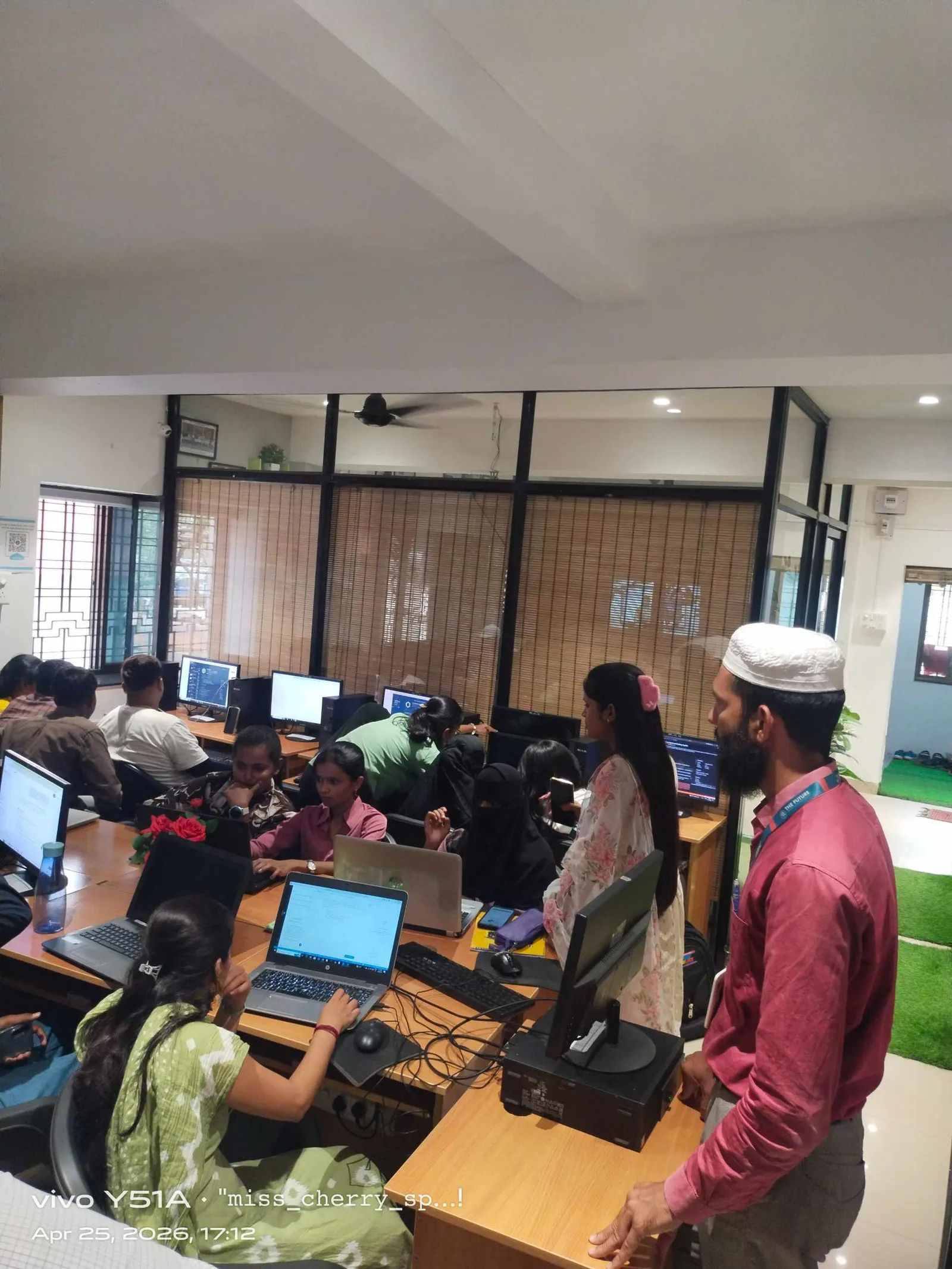
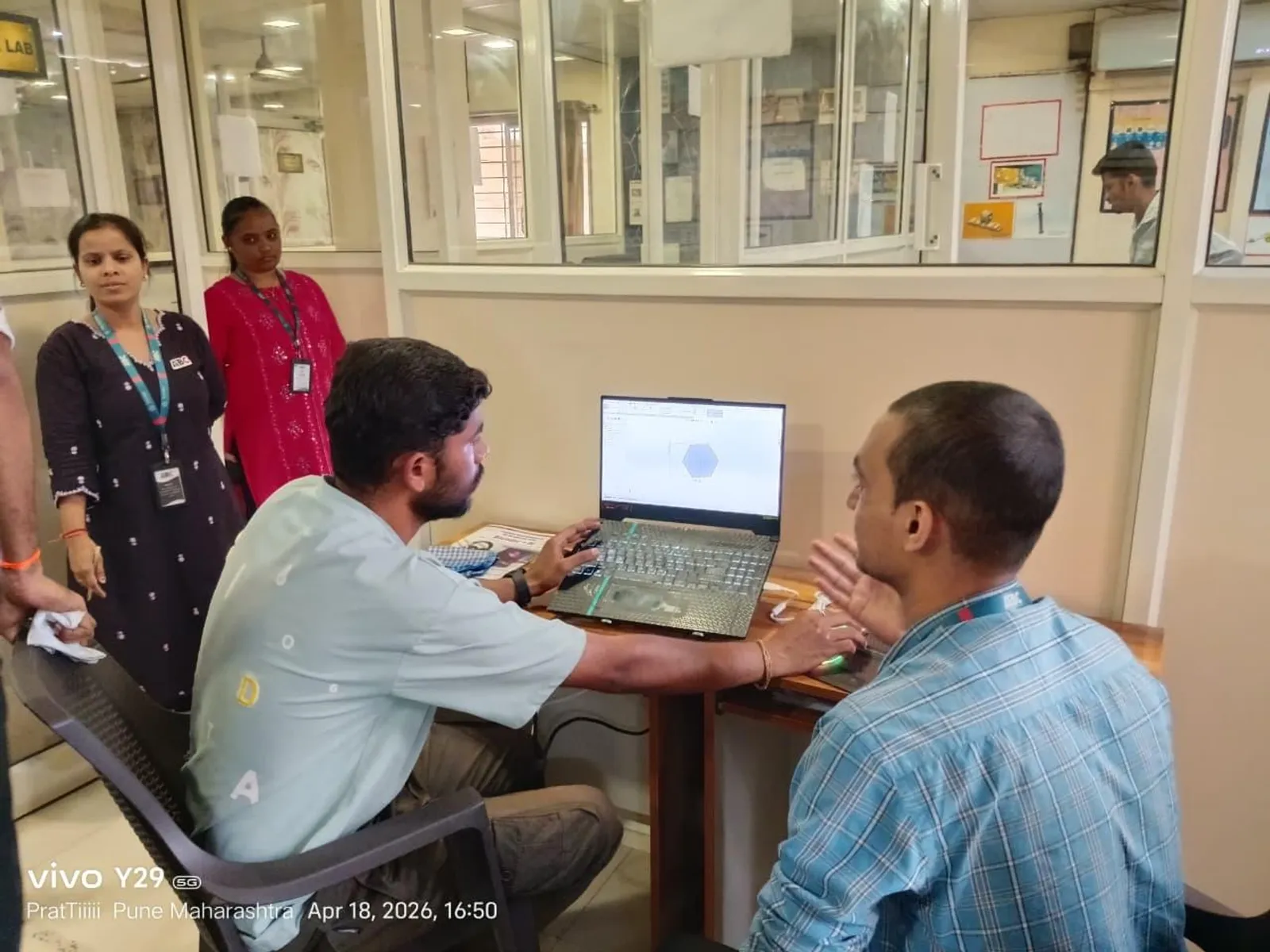
Ananya''s main deliverable this week is the structural model for levels 15 through 24 of the commercial tower. She opens the Revit central model, synchronises, and starts work on beam and slab detailing for level 18 where a double-height atrium creates structural complexity. She uses Dynamo scripts her senior teammate wrote to automatically tag rebar regions and generate schedule views.
10:30 AM: Client Coordination Call
Brief 20-minute video call with the structural design consultant in Singapore. They are reviewing the latest clash report from Navisworks — 127 unresolved clashes between structure, MEP, and architecture. Ananya walks through the 14 structural clashes her team needs to resolve, proposes solutions for eight of them, and marks three for formal design change requests. Two require coordination with the architect that Ananya will follow up on after lunch.
10:50 AM: Back to Modelling
Returning to Revit, Ananya resolves three of the clashes she committed to on the call. Each clash takes between 10 minutes and an hour depending on complexity. She annotates her resolutions with notes in the model so the QA team can audit her changes.
12:30 PM: Lunch and Informal Tech Chat
The office has a common lunch space. Ananya eats with colleagues from adjacent teams. Today a colleague is describing a new Dynamo plug-in he found that automatically generates door schedules from family parameters. This informal knowledge sharing is actually a significant source of skill growth — probably 20 percent of what Ananya has learned in the past year has come from lunch conversations, not formal training.
1:30 PM: MEP Coordination Meeting
One-hour meeting in the collaboration room with the MEP BIM team. Navisworks is projected on the big screen. The team walks through the federated model for level 14, identifying remaining coordination issues. Ananya represents the structural discipline. Five clashes involve structural beams conflicting with HVAC ducts. Decisions are made — three beams will be reduced in depth after structural re-check, two ducts will be re-routed. Action items are logged in the BIM Execution Plan tracker.
2:30 PM: Design Change Coordination
Back at her desk, Ananya writes up a formal Design Change Request for one of the beam depth changes. This goes to the structural design consultant for sign-off, because any structural change requires engineer of record approval. The DCR template is standardised — about 20 minutes to complete properly.
3:00 PM: Model Quality Check
A colleague from the QA team pings Ananya about some model warnings in her recent work — a few geometry errors where elements overlap slightly. She spends 30 minutes cleaning them up. Model quality is audited weekly, and the team has KPIs for warning count per modeller. Clean model discipline is one of the things that distinguishes a good BIM engineer from a mediocre one.
3:30 PM: Junior Mentoring
Ananya spends 45 minutes sitting with a new joinee — a fresh graduate who started last month — walking through how to set up view templates properly in Revit. Mentoring juniors is not part of her formal job description, but it is expected informally, and it is actually how she got promoted last year. Her senior manager notices who helps the team improve.
4:15 PM: Dynamo Script Work
The team has an ongoing initiative to automate repetitive tasks. Ananya is writing a small Dynamo script to auto-generate column schedules from model data. She is not a professional programmer, but she has picked up enough Dynamo over two years to do this comfortably. This kind of automation work is increasingly valued — engineers who can eliminate three hours of weekly manual work across the team save the firm real money.
5:00 PM: Navisworks Clash Detection Run
End of day, Ananya runs a fresh clash detection pass on her updated structural model against the latest MEP and architecture models. She exports the report and uploads it to ACC for tomorrow''s review. Total new clashes: 23. Cleared from yesterday: 18. Net position: a few steps forward.
5:30 PM: Email Cleanup and Day End
Last 30 minutes for email, ACC notifications, and preparing a short status update for the project coordinator. Ananya logs off at 6:00 PM. She normally does not stay past 6:15 PM unless there is a delivery milestone approaching.
Key Patterns in a BIM Engineer''s Day
Several patterns emerge. About 55 percent of Ananya''s day is actual modelling work — the core deliverable. Roughly 20 percent is coordination with other disciplines and clients. 10 percent is administrative — DCRs, status reports, email. 10 percent is automation, mentoring, or knowledge sharing. 5 percent is training — Ananya attends weekly internal technical sessions of 45 minutes on new tools or workflows.
The Reality Check on Pressure
BIM engineering in a Pune AEC firm is less stressful than site engineering. It is deskwork with reasonable hours. But it is not stress-free during milestone weeks. Two to four times a year, Ananya works 10–12 hour days for a week or two to hit major deliverables. Beyond those spikes, the norm is a 9-to-6 schedule with weekends free.
Career Trajectory From Here
Ananya''s likely next steps: promotion to BIM Coordinator within 12–18 months, salary moving to ₹12–14 LPA; then BIM Manager at five to seven years of experience at ₹18–24 LPA. Alternative paths include lateral moves to sustainability (6D BIM), facility management (7D BIM), or into design-side work at an architectural firm.
How to Get Here From Where You Are
The path to a job like Ananya''s from a current civil engineering graduate position in Pune is clear. Structured BIM training covering Revit Architecture, Structure, and MEP plus Navisworks, completed over five to six months. One internship or live project during training. A strong portfolio of three to five complete project submissions. Targeted applications to firms with Pune delivery centres — WSP, AECOM, Cundall, Ramboll, Atkins — plus major Indian AEC firms. Total timeline: six to nine months from start of training to first job.
The ABC Trainings Placement Pipeline
ABC Trainings'' Wagholi and Hadapsar Pune centres maintain direct placement relationships with the international AEC firms, MEP consultants, and developers hiring the Ananya-profile engineer. Portfolio building is baked into the program structure. Internship placements during the course are actively brokered.
Take the Next Step
If you are a civil engineering student, architect, or fresh graduate in Pune, and this article painted a picture of a working day you want to step into — talk to ABC Trainings. Visit learn.abctraining.in or connect on WhatsApp at +91 77740 02496 to speak with a counsellor about BIM training, placement pipelines, and upcoming batch start dates at our Wagholi and Hadapsar Pune centres.