Degree Is Not Enough: Why Industry Expectations Have Changed and What Engineers Must Do Now (Updated May 2026)
TCS laid off 12,000 employees in July 2025 while simultaneously posting 40,000 new roles for engineers with specific technical skills. That is not a contradiction — that is what the industry shift looks like in practice. Companies have stopped investing in training freshers from scratch. If you arrive at your first interview without practical software skills and a real project portfolio, you are competing against candidates who already have both. This article explains what changed, why it changed, and exactly what you need to do about it.

- TCS cut 12,000 jobs in July 2025 while posting 40,000 new roles for engineers with practical tech skills
- Companies no longer train freshers — industry expectations shifted from theoretical to job-ready in under five years
- The skills gap is specific: CAD software, coding, data tools, and industry workflow — not general academics
- NASSCOM–Deloitte projects 1.25 million skilled tech professionals needed by 2027
- Engineers who close the gap with targeted training start at ₹3.5–7 LPA; those who do not start at ₹1.8–2.5 LPA or stay unemployed
What Actually Changed: The Shift Companies Made Over the Last Five Years
Ten years ago, Infosys, TCS, and L&T ran six-month induction programs that trained freshers in the tools and workflows they needed. They absorbed the cost because engineering talent was scarcer and companies had the margins for it. That stopped. TCS cut its fresher training from six months to six weeks. Infosys moved to skills-based hiring with mandatory coding tests. L&T started requiring AutoCAD and Revit proficiency at the shortlist stage, not after joining. The shift happened fast, and most engineering colleges did not update their curriculum to match.
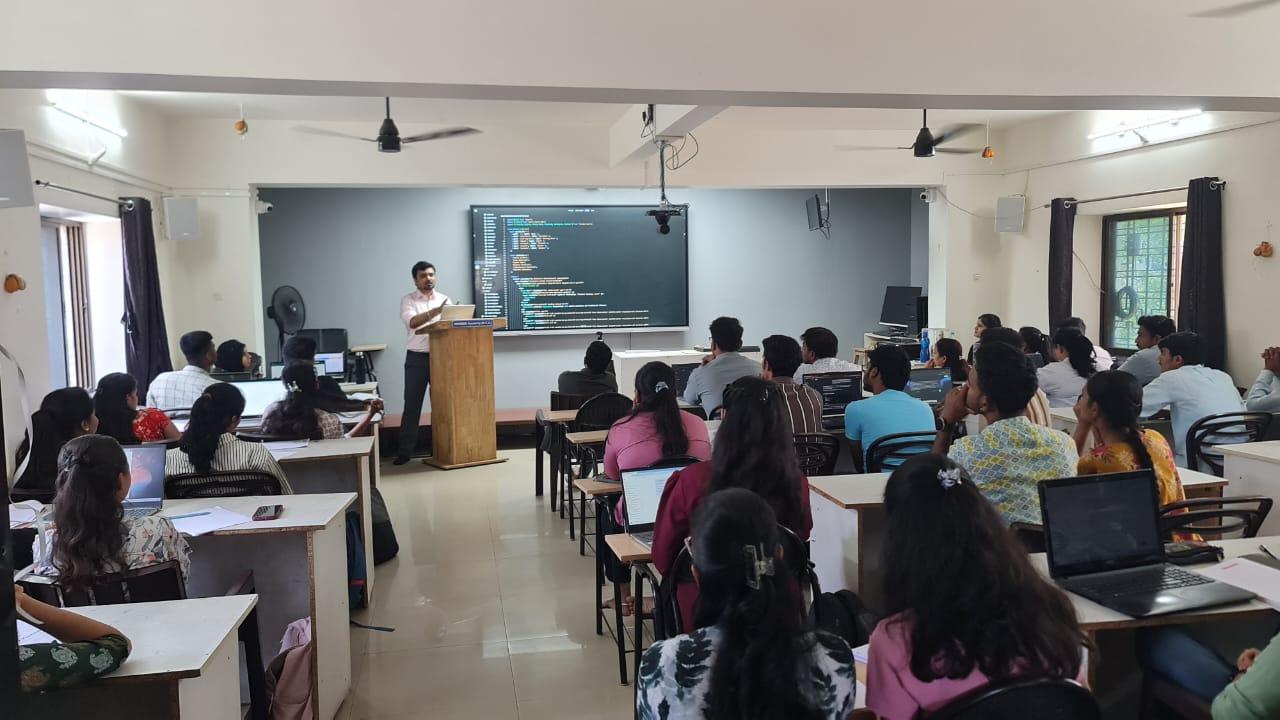
What Industry Means When It Says Job Ready
Here is what job ready actually means to a recruiter at Bajaj Auto or Tata Technologies: you can open the CAD software they use and complete a basic modelling task without being shown how. You have worked on a real project file — not a tutorial exercise. You understand the difference between a tolerance and a fit. You can read a BOM. For IT roles, it means you can write and deploy working code, understand version control, and have a GitHub profile with commits. None of this requires a postgraduate degree. It requires deliberate practice on the right tools.
The Real Cost of the Skills Gap for Engineering Students
The skills gap is expensive. Engineering graduates without practical skills in Maharashtra start at ₹1.8–2.5 LPA in administrative or field roles. Engineers who come in with two to three specific software skills plus a real project portfolio start at ₹3.5–7 LPA. That gap compounds over a career. The engineer who starts at ₹5 LPA in year one will be at ₹10–14 LPA by year four. The one who starts at ₹2 LPA in a non-technical role will still be trying to re-enter the technical track at year three. The window to fix this is the last semester of college or the first six months after graduation.
| Role Type | Without Practical Skills | With Practical Skills |
|---|---|---|
| Mechanical / CAD | ₹1.8–2.5 LPA (non-technical) | ₹3.2–5.5 LPA (CAD engineer) |
| Civil / BIM | ₹2–3 LPA (site helper) | ₹3.5–6 LPA (draftsman/BIM) |
| IT / Software | ₹2.5–3.5 LPA (support/data entry) | ₹4–7 LPA (developer/analyst) |
| Electrical / Automation | ₹2–3 LPA (field technician) | ₹3.5–6.5 LPA (PLC/SCADA engineer) |
Which Skills Companies Actually Check in Technical Interviews
In technical interviews at Bajaj Auto, Mahindra, and Tata Tech, candidates are typically given a part drawing and asked to model it. At IT companies, candidates receive a coding problem and are expected to write working code — not explain an algorithm. At construction and infrastructure firms, candidates are shown a plan and asked to identify errors or mark dimensions. These are not trick questions. They are basic competency checks. The candidates who fail them almost always say the same thing: we covered this in college but never actually practiced it.
How to Close the Gap Before You Apply
Close the gap with a structured plan: identify the two to three software tools your target companies use (check their job postings on Naukri and LinkedIn), complete a hands-on course that uses real project files, build a visible portfolio of two to three completed projects on GitHub or in a physical folder, and approach your college placement cell with that portfolio before others do. Speed matters here — the first 20% of students who get placed typically have the clearest skill signals, not the best CGPA.
What ABC Trainings Does Differently to Bridge Theory and Industry
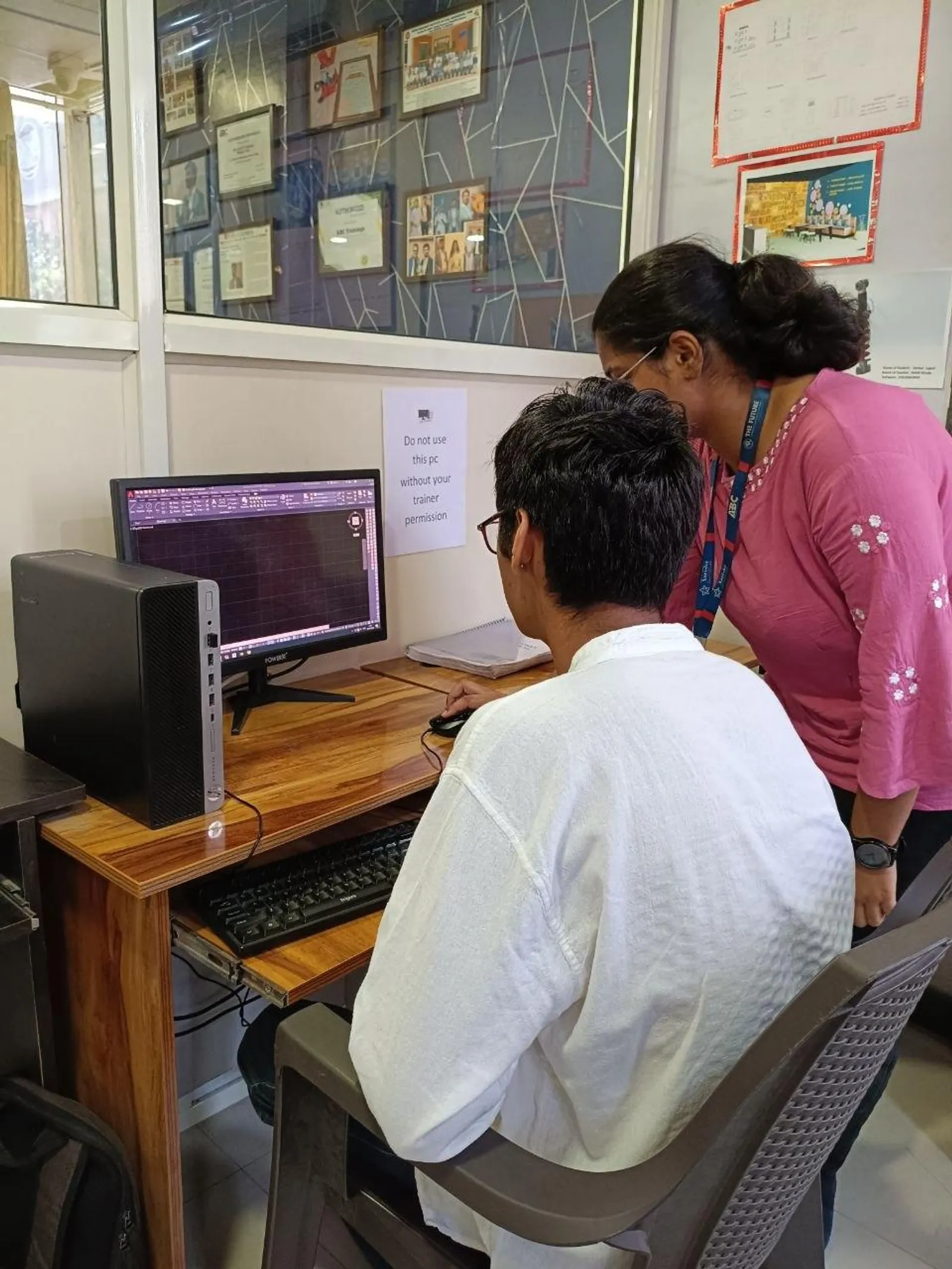
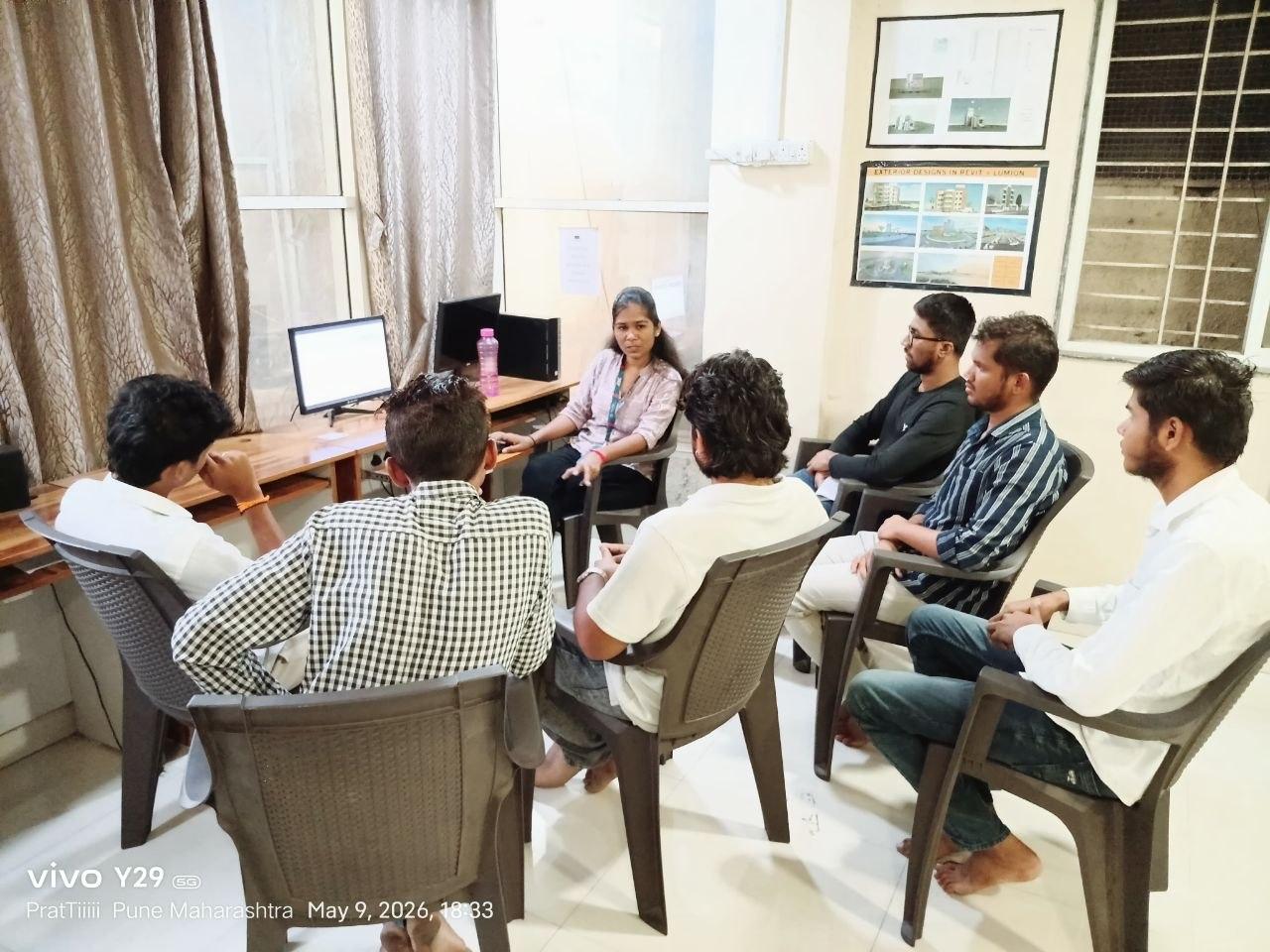
ABC Trainings was founded in 2014 specifically to address this gap. We have trained over 20,000 engineers across Maharashtra, including personnel from the Indian Army, Border Roads Organisation, PWD Maharashtra, RBI, and BARC. Our courses use live project files from real industry contexts, not textbook exercises. Trainers are working professionals, not academics. Placement support includes direct contacts at Bajaj Auto Waluj, AURIC-area Tier-1 suppliers, L&T, and Pune IT firms. The industry-to-student pipeline is what separates a skills training programme from a skills certificate programme.
Get the Engineering Career Advice Brochure + Fees + Batch Dates on WhatsApp
Free 1:1 counselling. Placement track record. CMYKPY/PMKVY eligibility check.
💬 Get Brochure on WhatsApp📞 Call 7039169629About the author: ABC Trainings Faculty.
Visit Our Centers
- Wagholi (Pune): 1st Floor, Laxmi Datta Arcade, Pune-Ahilyanagar Highway. Call 7039169629
- Hadapsar (Pune HQ): 1st Floor, Shree Tower, opp. Vaibhav Theater, Magarpatta. Call 7039169629
- Cidco (Chh. Sambhajinagar): Kalpana Plaza, opp. Eiffel Tower, N-1 Cidco. Call 7039169629
- Osmanpura (Chh. Sambhajinagar): S.S.C Board to Peer Bazar Road, near Jama Masjid. Call 7039169629
- Sangli: Shubham Emphoria, 1st Floor, Above US Polo Assn., Sangli-Miraj Rd, Vishrambag. Weekend batches available. Call 7039169629
FAQs
Why is an engineering degree not enough to get a job in India in 2026?
Indian companies stopped running long induction training programs for freshers. TCS, Infosys, L&T, and Bajaj Auto now expect candidates to arrive with specific software proficiency and real project experience. College curricula have not kept pace with this shift, leaving most graduates with theoretical knowledge but no practical skills for the tools companies actually use.
What practical skills do companies actually check in engineering interviews?
In mechanical and CAD roles, interviewers ask candidates to model a part from a drawing or identify errors in an assembly. In IT roles, candidates get a coding problem and are expected to write working code. In civil and infrastructure roles, candidates read plans and mark dimensions. Passing these checks requires hands-on practice on real files — not just college theory.
How much does the skills gap cost an engineer in salary terms?
Engineers without practical skills in Maharashtra typically start at ₹1.8–2.5 LPA in non-technical roles. Engineers with two to three targeted software skills and a project portfolio start at ₹3.5–7 LPA. That is a difference of ₹1.5–4 LPA in Year 1, which compounds significantly by Year 3 and Year 5 of a career.
How long does it take to become job-ready after an engineering degree?
With a focused skills course using real project files, most engineers become job-ready in 60 to 120 days after joining a structured program. The faster path is to start the last semester of college so you are ready at graduation. ABC Trainings offers weekend batches for final-year students at all Pune and Sambhajinagar centres.