Free YouTube Tutorials vs Paid Training: When Should You Invest in a Structured Course? (2026) (Updated July 2026)
I get this question from students multiple times a week: Sir, I have been watching YouTube videos for three months — is that enough, or do I need a paid course? The honest answer is: it depends on what you are trying to achieve, and most students are trying to achieve the wrong thing with YouTube. Free tutorials are an excellent starting resource for building awareness of a subject. But there is a specific threshold — different for every skill — after which free resources stop delivering career outcomes and structured paid training takes over. After 12 years of training engineers across Maharashtra, I can tell you exactly where that threshold is for the skills we teach.
- Free YouTube tutorials are best for exploration and awareness — they build familiarity but rarely build job-ready skill on their own
- The gap between "I watched tutorials" and "I can do the job" is where structured training earns its fee: live feedback, project work, and accountability
- For software tools like CATIA, Revit, and Python: YouTube gets you to 20% proficiency; structured training with projects gets you to job-ready 80%
- The signal to invest in paid training: you have watched 20+ hours of tutorials, still cannot build something from scratch, and job interviews are 2–3 months away
- Structured training makes financial sense when the skill premium (salary difference) exceeds the course cost in the first 6 months of employment
What Free YouTube Tutorials Actually Give You — and What They Do Not
Free YouTube tutorials are genuinely valuable for three things: getting a realistic overview of a skill or software before committing to paid training, following along with step-by-step beginner projects to confirm the skill interests you, and filling specific knowledge gaps once you are already mostly proficient. What YouTube tutorials typically cannot give you: a structured progression from beginner to job-ready (most channels jump between topics rather than building systematically), live feedback on your mistakes (you can watch someone do it right without understanding why your version fails), accountability to complete the learning path (completion rates for self-directed video learning are estimated below 10% globally), and a verifiable certificate that an employer's HR system can validate. The content itself can be excellent — but the delivery model has structural limitations for professional skill development.

The Four Signs You Are Ready to Move Beyond Free Resources
The decision to invest in paid structured training becomes clear when you hit any of these four signs. First: you have watched 15–20 hours of tutorials on a subject but still cannot build something from scratch without following a video step-by-step — meaning you have familiarity but not skill. Second: you have a job interview, entrance test, or portfolio deadline within 2–3 months, and self-directed learning is not moving fast enough. Third: you are trying to learn a tool (CATIA, Revit MEP, STAAD Pro, AutoCAD Civil 3D) that requires hands-on practice with industry-standard files and supervised error correction — things YouTube cannot provide. Fourth: you need a verifiable certificate from a recognized institute for PSU applications, government scheme eligibility, or background verification at a corporate employer.
| What You Need | YouTube / Free Resources | Structured Paid Training |
|---|---|---|
| Topic Overview / Exploration | Excellent — fast and free | Not the right tool |
| Live Feedback on Mistakes | Not available | Core benefit |
| Industry-Grade Practice Files | Rarely available | Standard at good institutes |
| Verifiable Certificate | Not verifiable by employers | ISO/Govt-recognized certificate |
| Placement Support | None | Resume, mock interviews, referrals |
What Structured Paid Training Provides That Free Resources Cannot
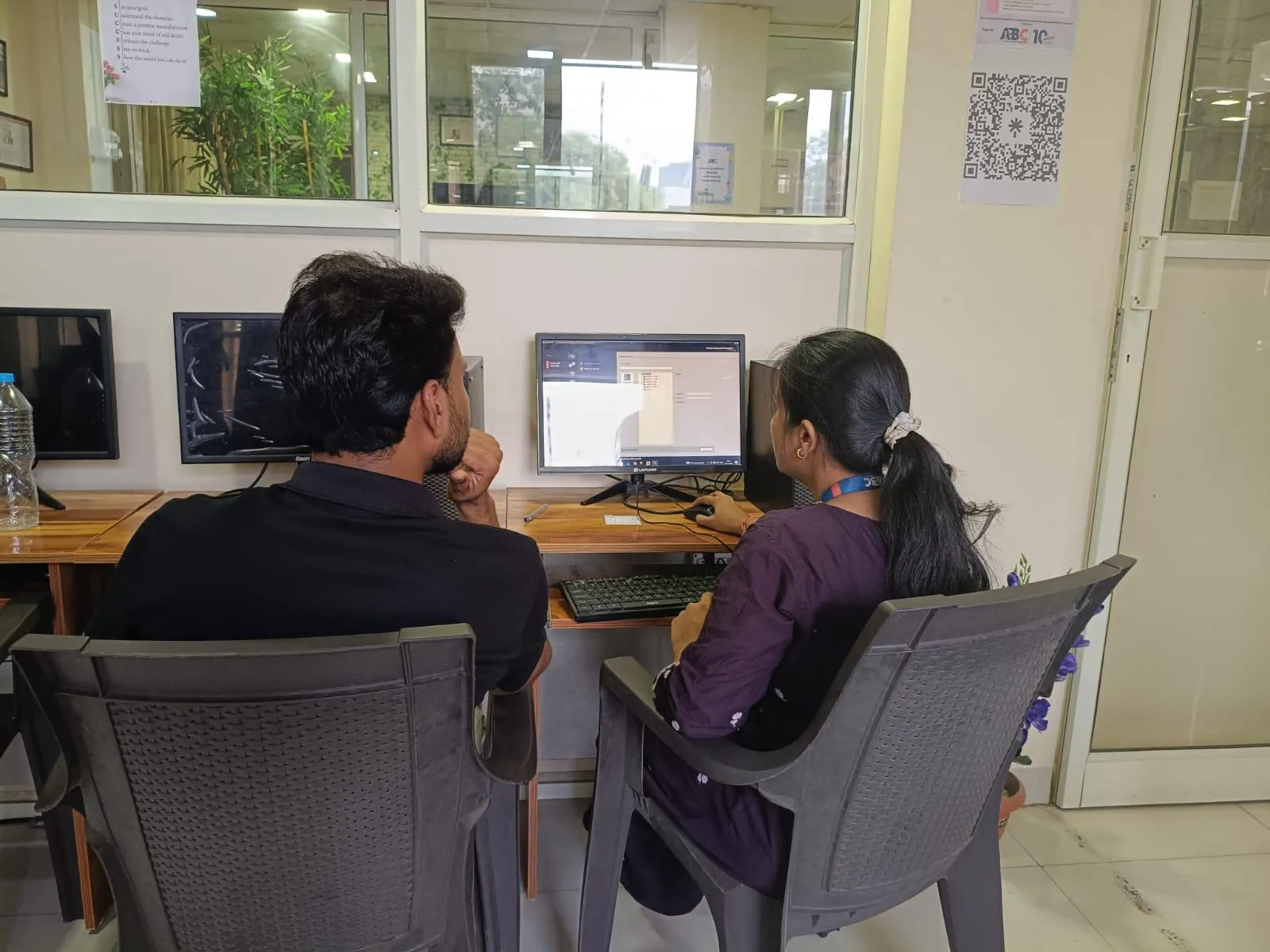
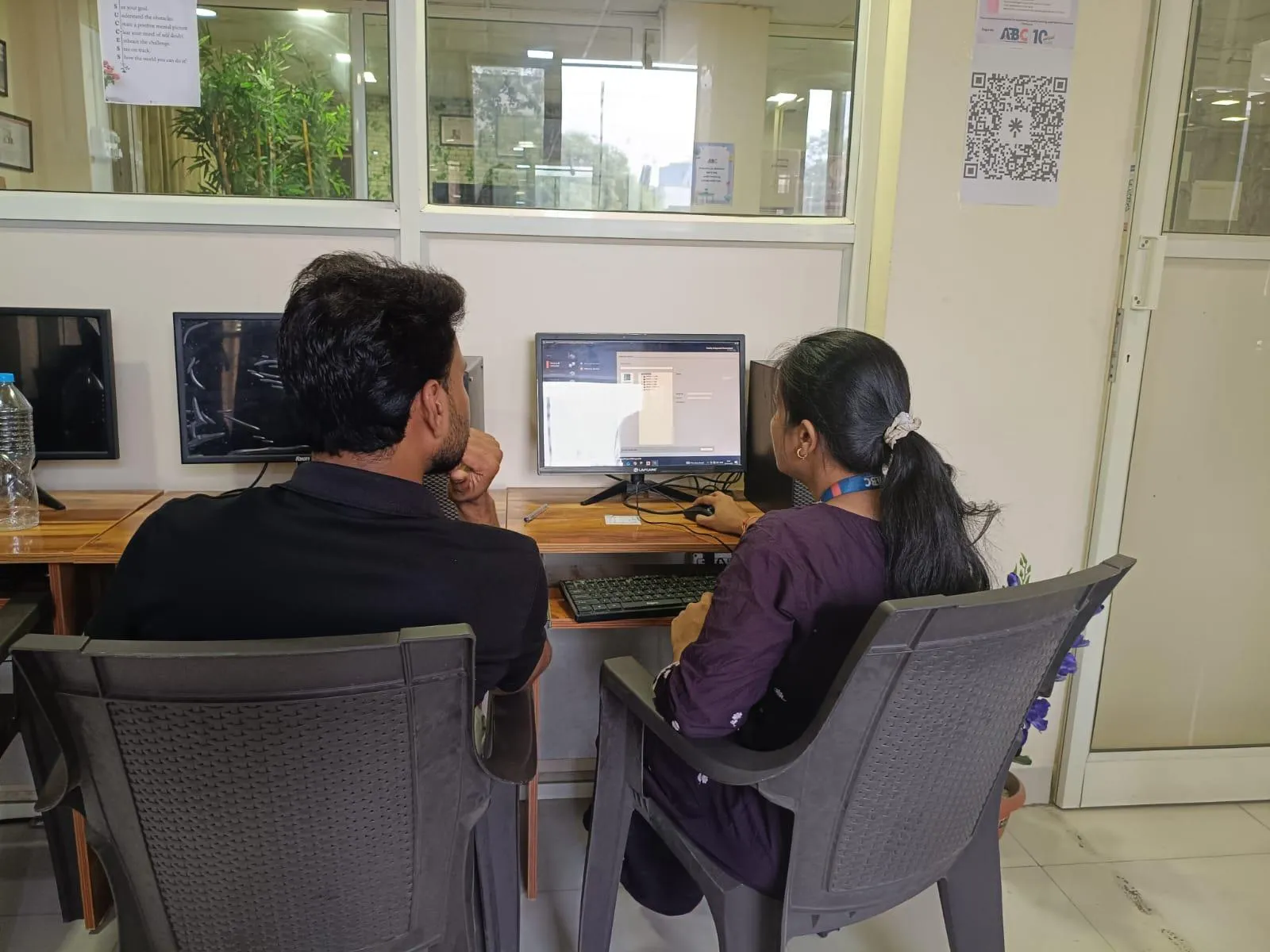
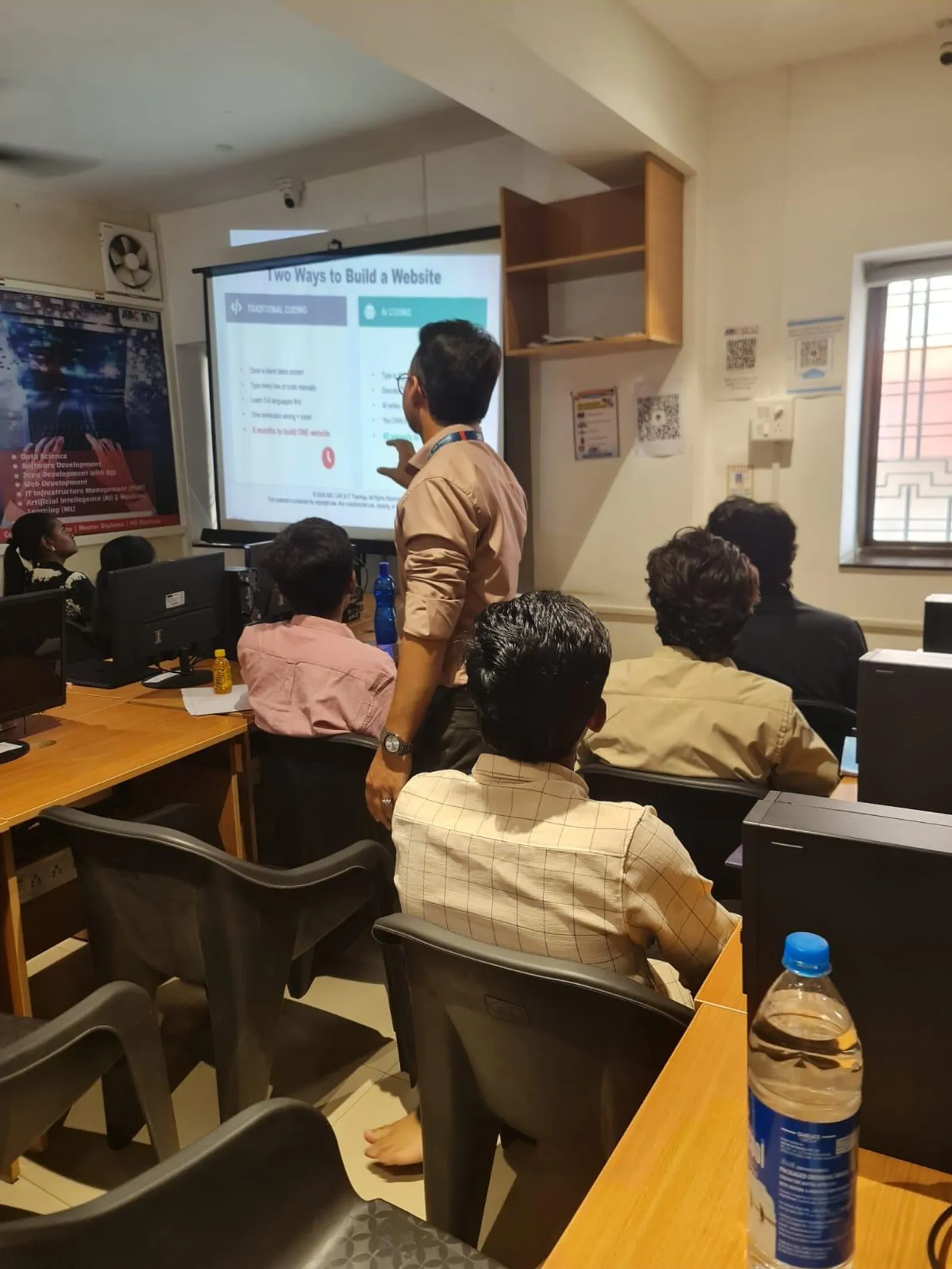
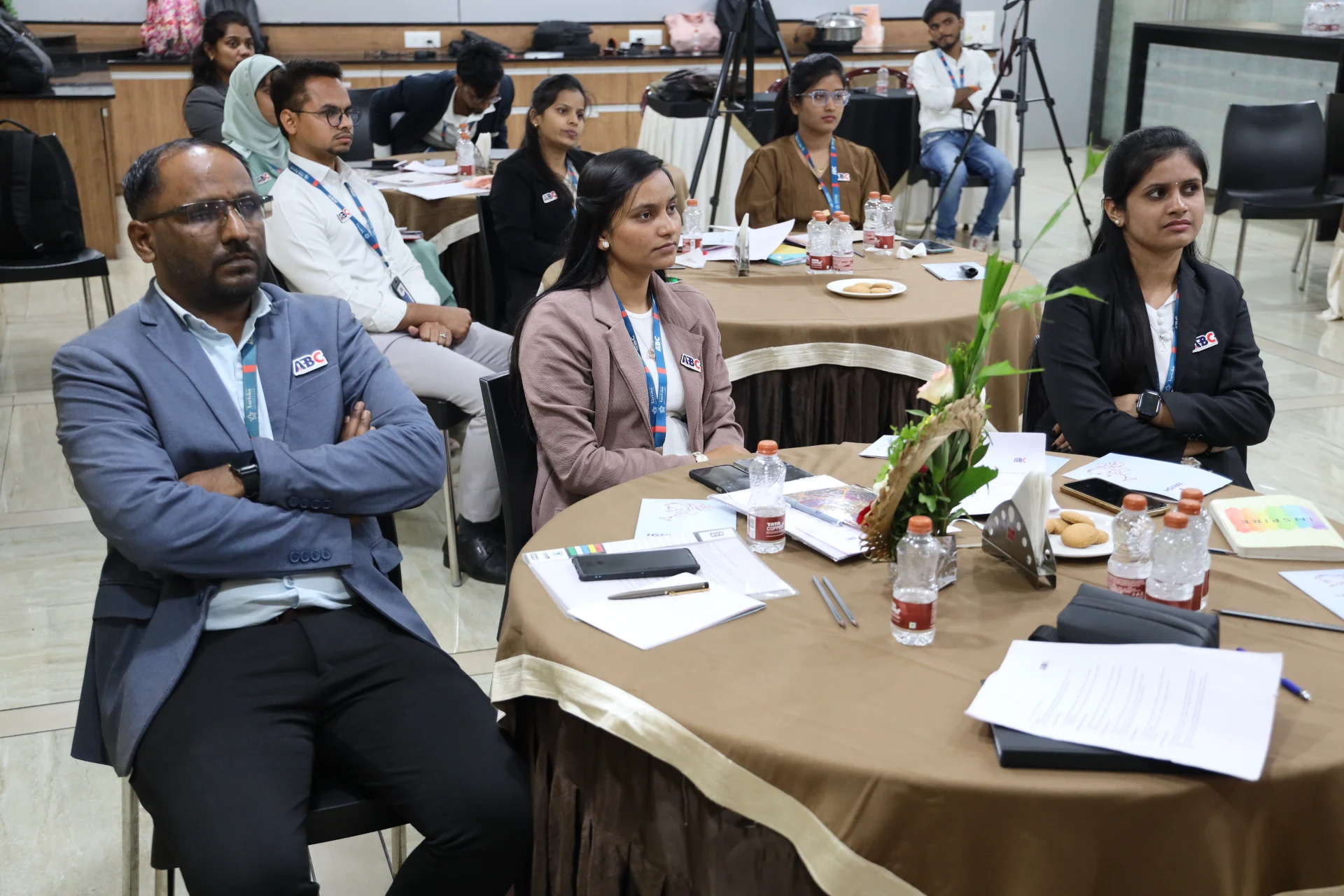
Structured paid training at a good institute delivers four things that free resources cannot. First: a supervised learning environment where a trainer watches you work, corrects your approach in real time, and prevents you from building bad habits that take months to unlearn. Second: industry-grade practice files — the difference between training on a real automotive component file and training on a simplified tutorial model is the difference between being interview-ready and being rejected in the first technical round. Third: peer learning — being in a batch of 10–15 students working on the same problems accelerates learning through comparison and discussion in ways solo tutorial-watching cannot replicate. Fourth: placement support — resume preparation, mock interviews, and referrals to companies that trust the training center's graduates. Free YouTube channels offer none of these.
Which Skills Are Easy to Self-Learn Free vs Which Need Structured Training
Some skills are genuinely easy to get to a useful level with free resources. Basic Python scripting (first 50 hours), Excel fundamentals, introductory data analysis with Pandas, and beginner-level AutoCAD 2D drawing are skills where YouTube tutorials are sufficient for someone with strong self-discipline. Skills where structured training consistently outperforms self-learning: CATIA V5 Part Design and Generative Surface Design (the tool behavior is too complex and too version-specific for tutorial-only learning), Revit MEP coordination (requires understanding real building systems, not just software clicks), STAAD Pro and ANSYS structural analysis (requires understanding when results are wrong, which requires a trainer), full-stack Python development for data science (the gap between following tutorials and debugging real-world data pipelines is enormous), and any skill where you need a certificate for PSU or corporate background verification.
How to Evaluate Whether a Paid Course Is Worth the Investment
Before paying for any training course, apply this three-part test. First: calculate the skill premium. If the skill adds Rs 1–2 LPA to your salary potential (common for BIM, CATIA, Python with data science), and the course costs Rs 15,000–40,000, the course pays for itself in 2–3 months of employment. The ROI is obvious. Second: check the institute's placement track record with specifics — not "100% placement" marketing copy, but actual company names and salary ranges for recent graduates. Third: ask for a free demo class or trial session before enrolling. Legitimate structured training programs are confident enough in their quality to offer a demo. If an institute does not allow you to attend one class before committing fees, that is a signal about their confidence in their own product. Apply the same logic to online paid courses — the ones with genuine value typically offer free introductory content that reflects the quality of the paid curriculum.
How ABC Trainings Structures Courses for Outcome-Focused Results
At ABC Trainings, every course is structured around a project-first principle: students practice with real-world files from Day 1, not simplified tutorials. Our BIM students model actual building plans; our CATIA students work on automotive component files from OEM-level drawings; our Python students build working scripts against real datasets. We offer free demo sessions at all our centers so you can compare our teaching method against what you have been watching on YouTube before committing to enrollment. With centers in Wagholi and Hadapsar (Pune), Cidco and Osmanpura (Chhatrapati Sambhajinagar), and Sangli, and weekend batches designed for working professionals, structured training at ABC does not require you to quit your current situation. CMYKPY stipend (Rs 6,000–10,000/month for eligible students) can further offset the cost. Call 7039169629 or WhatsApp 7774002496 to schedule a free demo class.
Get the Professional Training Brochure + Fees + Batch Dates on WhatsApp
Free 1:1 counselling. Placement track record. CMYKPY/PMKVY eligibility check.
💬 Get Brochure on WhatsApp📞 Call 7039169629About the author: ABC Trainings Faculty.
Visit Our Centers
- Wagholi (Pune): 1st Floor, Laxmi Datta Arcade, Pune-Ahilyanagar Highway. Call 7039169629
- Hadapsar (Pune HQ): 1st Floor, Shree Tower, opp. Vaibhav Theater, Magarpatta. Call 7039169629
- Cidco (Chh. Sambhajinagar): Kalpana Plaza, opp. Eiffel Tower, N-1 Cidco. Call 7039169629
- Osmanpura (Chh. Sambhajinagar): S.S.C Board to Peer Bazar Road, near Jama Masjid. Call 7039169629
- Sangli: Shubham Emphoria, 1st Floor, Above US Polo Assn., Sangli-Miraj Rd, Vishrambag. Weekend batches available. Call 7039169629
FAQs
Can I learn CATIA or Revit from YouTube and get a job without a paid course?
YouTube can get you familiar with CATIA or Revit — enough to understand the interface and follow basic tutorials. But for most engineering job applications in India, YouTube-only learning has two practical problems: you will not have industry-grade practice files (the difference between tutorial models and real OEM files is significant), and you will not have a verifiable certificate from a recognized institute. For companies like KPIT, L&T, or AECOM, both matter in shortlisting. That said, if you use YouTube to explore the tool first and then follow with structured training, you are using both resources optimally.
What is the main difference between free YouTube training and a paid structured course?
The main difference is the learning environment and outcomes. YouTube tutorials are self-paced content — you watch, you follow, you get familiar. Structured paid training provides live feedback when your approach is wrong, supervised practice with real industry files, a peer group to learn alongside, accountability to complete the curriculum, and a certificate that employers can verify. The content knowledge you can get from both; the skill depth and the verified credential you can only get from structured training. For skills where employers test hands-on ability in technical interviews, the difference in outcome is significant.
How do I know if a paid training course is worth the money?
Apply a three-part test before paying for any course. First, calculate the salary premium: if the skill adds Rs 1–2 LPA to your earning potential and the course costs Rs 15,000–40,000, the ROI is clear within months. Second, ask for specific placement data: company names, job titles, and salary ranges for recent graduates — not generic "placement assistance" marketing. Third, attend a free demo class: legitimate institutes offer demo sessions because they are confident in their teaching quality. If an institute will not let you attend one class before committing fees, reconsider. Apply this test to online paid courses too — strong courses offer representative free content.
Does ABC Trainings offer a free demo class before enrollment?
Yes. ABC Trainings offers free demo sessions at all five of our centers — Wagholi and Hadapsar (Pune), Cidco and Osmanpura (Chhatrapati Sambhajinagar), and Sangli (Vishrambag). You can attend one class before enrolling to compare our teaching method, file quality, and trainer experience against what you have been watching on YouTube. We are confident enough in our training quality to let the demo speak for itself. Call 7039169629 or WhatsApp 7774002496 to schedule a free demo for any course at the center nearest to you.