Full Stack Developer Roadmap 2026: Skills, Salary and Best Stack to Learn in India (Updated May 2026) (Updated May 2026)
NASSCOM and Deloitte project India will need 1.25 million AI and data professionals by 2027 — but the demand for Full Stack Developers is just as relentless and arguably broader. Every startup, mid-size product company, and enterprise IT team in India needs engineers who can handle frontend, backend, and database without constant hand-off delays. If you're planning to become a Full Stack Developer in India, here's what 2026 actually looks like: which stacks are hiring, what they pay, and how long it realistically takes to get there.
- NASSCOM-Deloitte project 1.25M digital professionals needed by 2027 — Full Stack Dev is a core pathway
- MERN (React + Node + Express + MongoDB) is the most-hired stack at Indian product companies in 2026
- Fresher Full Stack Developers earn ₹4.0–7.0 LPA at startups; ₹3.5–5.5 LPA at IT service companies
- Senior Full Stack Leads at product companies earn ₹14–28 LPA after 3–5 years
- ABC Trainings offers a 5–6 month placement-linked Full Stack course at Pune and Sambhajinagar
What Does a Full Stack Developer Actually Do — and Why the Role Is Still Growing in India
A Full Stack Developer builds both sides of a web application: the frontend that users see and interact with, and the backend that handles data, authentication, and business logic. The appeal for employers is obvious — one person who can ship a complete feature without waiting on multiple specialists. In India, the job market for Full Stack is massive: there are more open Full Stack positions on Naukri at any given moment than for almost any other software role. The role hasn't plateaued because the tooling keeps evolving — every 18–24 months a new framework becomes dominant, and developers who adapt stay ahead of the commoditization curve.
The Best Full Stack Stacks to Learn in India in 2026: MERN, MEAN, Python, Java
MERN Stack (MongoDB, Express.js, React, Node.js) is the most-hired stack at Indian product startups and mid-size tech companies. It's JavaScript end-to-end — one language covers both frontend and backend, which shortens the learning curve. MEAN Stack (MongoDB, Express.js, Angular, Node.js) is the enterprise variant — Angular is preferred at larger IT companies and BFSI tech teams. Python Full Stack (Django or Flask + React) is the second-most-hired overall, particularly at AI-adjacent companies where the backend team also handles data pipelines. Java Full Stack (Spring Boot + React) is the enterprise workhorse at TCS, Infosys, Wipro, and BFSI IT vendors. Recommendation: targeting product startups and fastest hiring path? MERN. Targeting IT services or BFSI? Java Full Stack.
| Stack | Languages / Frameworks | Best For | Fresher Salary (LPA) |
|---|---|---|---|
| MERN | MongoDB, Express, React, Node.js | Product startups, fastest hiring path | ₹4.0–7.0 |
| MEAN | MongoDB, Express, Angular, Node.js | Enterprise IT, BFSI tech | ₹3.8–6.5 |
| Python Full Stack | Django / Flask, React, PostgreSQL | AI-adjacent companies, analytics products | ₹4.0–6.5 |
| Java Full Stack | Spring Boot, React / Angular, MySQL | IT services, BFSI enterprise, high raw volume | ₹3.5–5.5 |
Full Stack Developer Salary in India 2026 (Glassdoor, AmbitionBox, Naukri Data)
Based on Glassdoor, AmbitionBox, and Naukri India data (2026): Full Stack Developers with MERN or MEAN skills earn ₹4.0–7.0 LPA as freshers at product companies; those joining IT services (TCS, Infosys, Wipro) earn ₹3.5–5.5 LPA. Mid-level Full Stack Developers (3–5 years) earn ₹10–18 LPA at product companies; senior engineers and tech leads earn ₹14–28 LPA. The salary ceiling depends heavily on company type: product startups and tech-first companies pay significantly more than IT services at every experience level. The fastest salary growth comes from moving into a technical lead role at a product company — which typically happens at 3–5 years for high performers.
Month-by-Month Full Stack Developer Roadmap: Zero to Job-Ready in 5–6 Months
Month 1: HTML5, CSS3, JavaScript fundamentals — build 3 static, responsive websites as practice. Month 2: React.js — components, state management, hooks, and routing — build a frontend SPA. Month 3: Node.js and Express.js — REST API design, JWT authentication, middleware — connect your frontend to a backend. Month 4: MongoDB (Mongoose) and SQL (PostgreSQL basics) — database design, queries, relationships — add persistent data to your app. Month 5: Git, GitHub, deployment (Vercel, Railway, or AWS Elastic Beanstalk) — deploy a complete project live with a public URL. Month 6: Capstone project (full working web app), technical resume, mock interviews, LinkedIn and GitHub optimization. This assumes 4–5 hours/day. Part-time learners (2–3 hours/day on weekends) should plan 8–10 months.
Which Companies Are Hiring Full Stack Developers in India in 2026?
Product and startup tier: Razorpay, Zerodha, Meesho, PhonePe, Swiggy, and hundreds of funded Pune and Bangalore startups hire Full Stack developers who can ship independently. IT services: TCS Digital, Infosys BPM, Wipro, Cognizant — all have dedicated digital practices with Full Stack requirements for client-facing projects. BFSI and fintech: HDFC Bank tech, ICICI tech, Bajaj Finserv, PayTM — large Full Stack teams across all digital product layers. E-commerce: Flipkart, Amazon India, Myntra. The good news for Full Stack developers: the role is genuinely sector-agnostic — every industry with a web product or internal tool needs Full Stack engineers, which means economic downturns in one sector rarely devastate the entire job market.
ABC Trainings' Full Stack Development Course — What's Covered and What to Expect
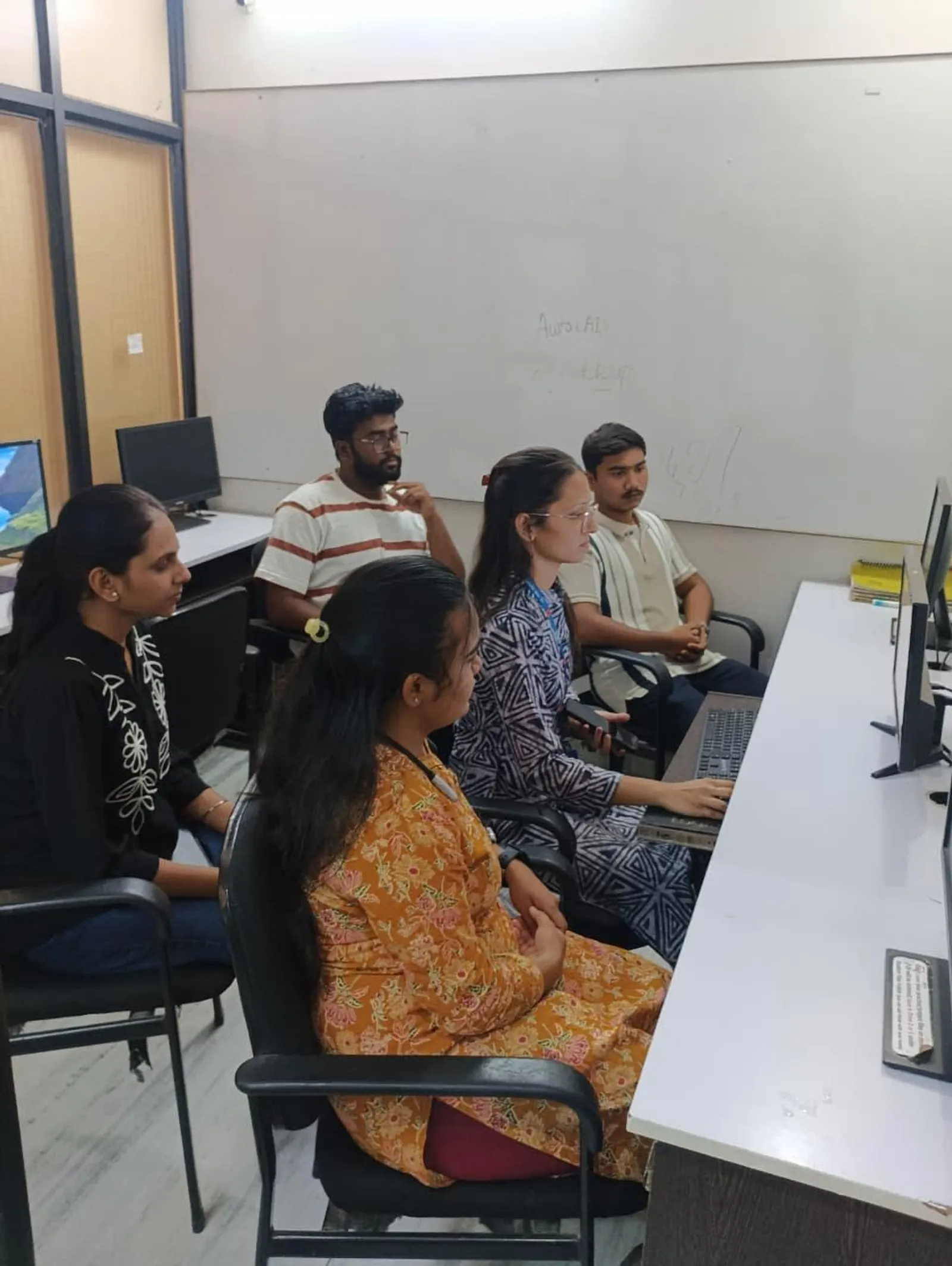
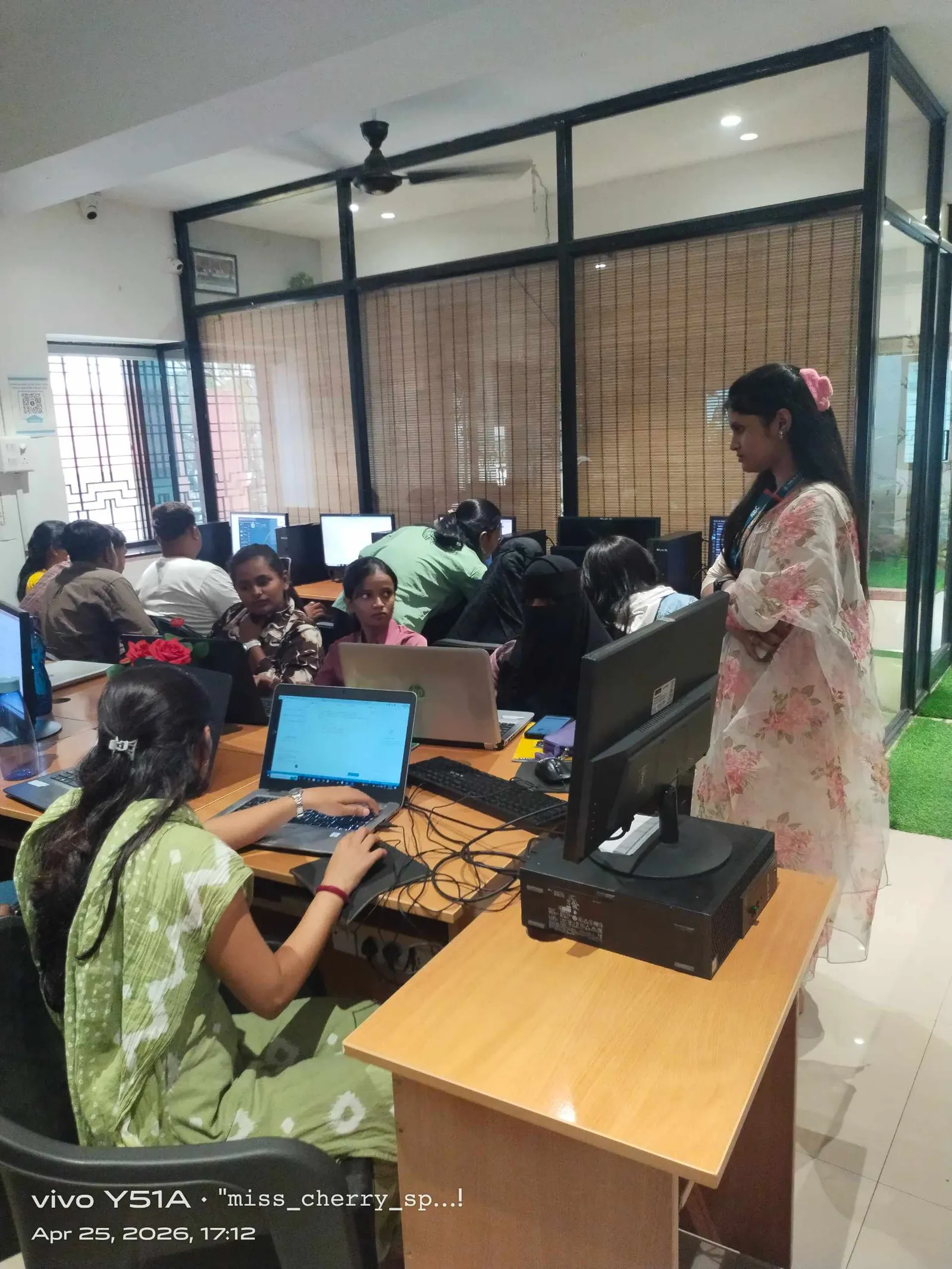
ABC Trainings' Full Stack Development course (5–6 months) covers MERN stack (React, Node.js, Express, MongoDB), REST API design, JWT authentication, Git and GitHub, AWS/Vercel deployment, and a full capstone project. Interview preparation includes 2 mock technical rounds aligned to actual product company interviews, LinkedIn and GitHub profile review, and a quarterly placement drive with IT company HR contacts. Batches at Pune (Wagholi, Hadapsar) and Sambhajinagar (CIDCO, Osmanpura). PMKVY 4.0 aligned. Call +91 7039169629 or WhatsApp 7774002496 to check current batch schedules and seat availability.
Maharashtra residents aged 18–35 can apply for CMYKPY support for Full Stack Development training at ABC Trainings. PMKVY 4.0 aligned. Visit mahaswayam.gov.in to register.Get the IT & Software Brochure + Fees + Batch Dates on WhatsApp
Free 1:1 counselling. Placement track record. CMYKPY/PMKVY eligibility check.
💬 Get Brochure on WhatsApp📞 Call 7039169629About the author: Rahul Patil. 12 yrs experience training engineers across Maharashtra.
Visit Our Centers
- Wagholi (Pune): 1st Floor, Laxmi Datta Arcade, Pune-Ahilyanagar Highway. Call 7039169629
- Hadapsar (Pune HQ): 1st Floor, Shree Tower, opp. Vaibhav Theater, Magarpatta. Call 7039169629
- Cidco (Chh. Sambhajinagar): Kalpana Plaza, opp. Eiffel Tower, N-1 Cidco. Call 7039169629
- Osmanpura (Chh. Sambhajinagar): S.S.C Board to Peer Bazar Road, near Jama Masjid. Call 7039169629
- Sangli: Shubham Emphoria, 1st Floor, Above US Polo Assn., Sangli-Miraj Rd, Vishrambag. Weekend batches available. Call 7039169629
FAQs
Which is the best full stack to learn in India in 2026 — MERN, MEAN, or Java?
For product startups and fastest hiring: MERN (React + Node.js + MongoDB). It's JavaScript end-to-end and aligns with how most funded Indian startups build. For IT services and BFSI: Java Full Stack (Spring Boot + React) has the highest raw job volume. Python Full Stack is best if you're targeting AI-adjacent product companies. Recommendation: MERN for product companies; Java Full Stack if TCS, Infosys, or BFSI is your specific target.
What is the salary of a full stack developer fresher in India in 2026?
Based on Glassdoor and AmbitionBox India (2026): MERN/MEAN freshers at product startups earn ₹4.0–7.0 LPA; Java Full Stack freshers at IT services earn ₹3.5–5.5 LPA. Portfolio quality is the biggest salary differentiator — candidates who demonstrate a live, deployed, functional project during interviews consistently land at the upper end. At 3–5 years, Full Stack developers at product companies earn ₹10–18 LPA; tech leads earn ₹14–28 LPA.
How long does it take to become a full stack developer from scratch in India?
For a motivated learner at 4–5 hours/day: 5–6 months from HTML basics to a deployed capstone project on the MERN stack. Part-time learners (2–3 hours/day): 8–10 months. The key milestone is not course completion — it's having a live, deployed project on GitHub you can walk through in a technical interview. That project is what separates placed candidates from the ones still applying 3 months after graduation.
Does ABC Trainings offer placement support for Full Stack Development?
ABC Trainings offers placement assistance — not a guarantee. Our placement drives connect you with HR contacts from IT and product companies; our mock technical interviews are aligned to actual product and services company formats. Our Full Stack batch placement rate has been above 75% within 4 months of course completion for candidates who finish their capstone project. The candidates who take longer typically haven't completed a deployed project — portfolio quality directly determines placement speed.