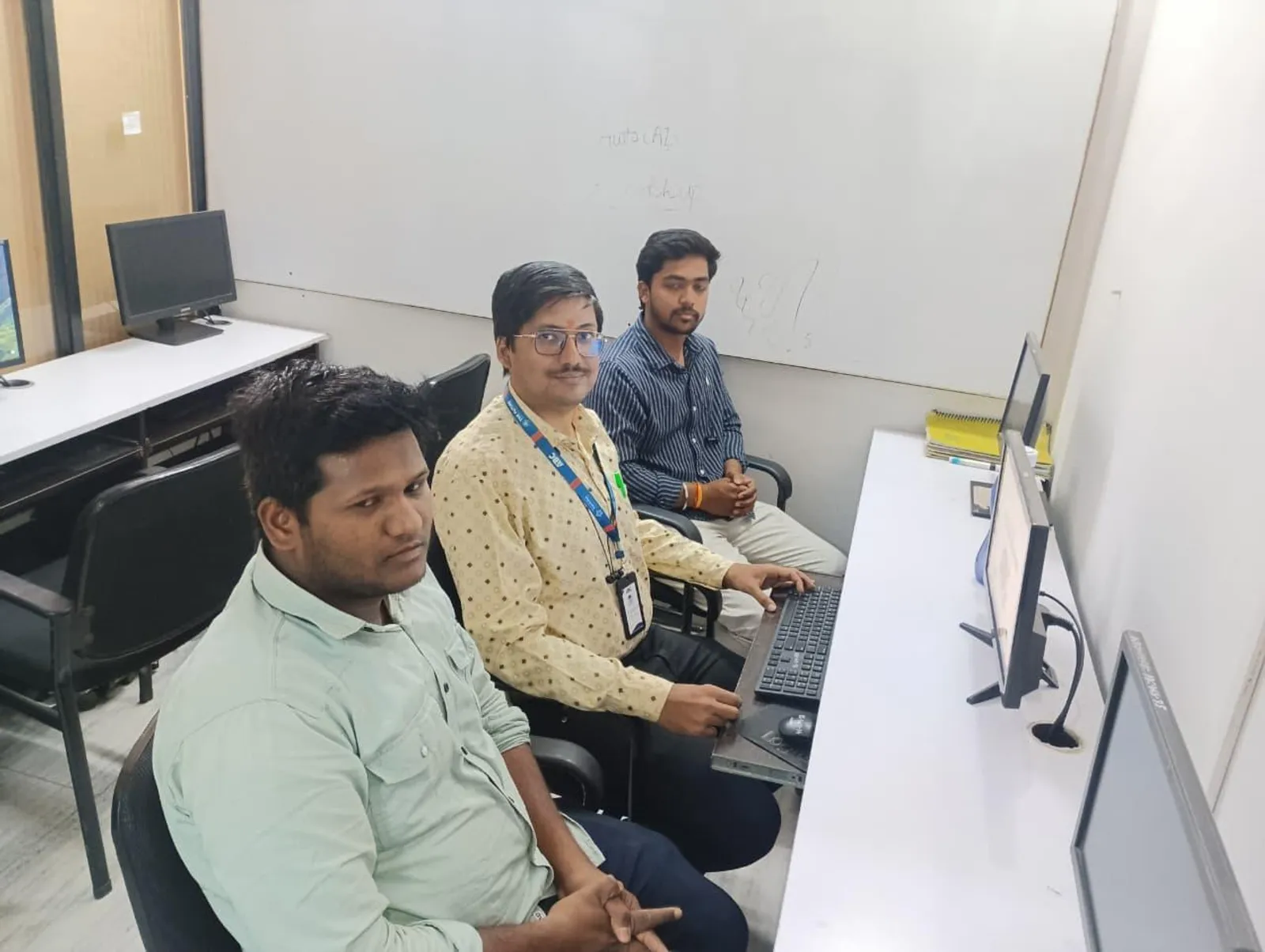
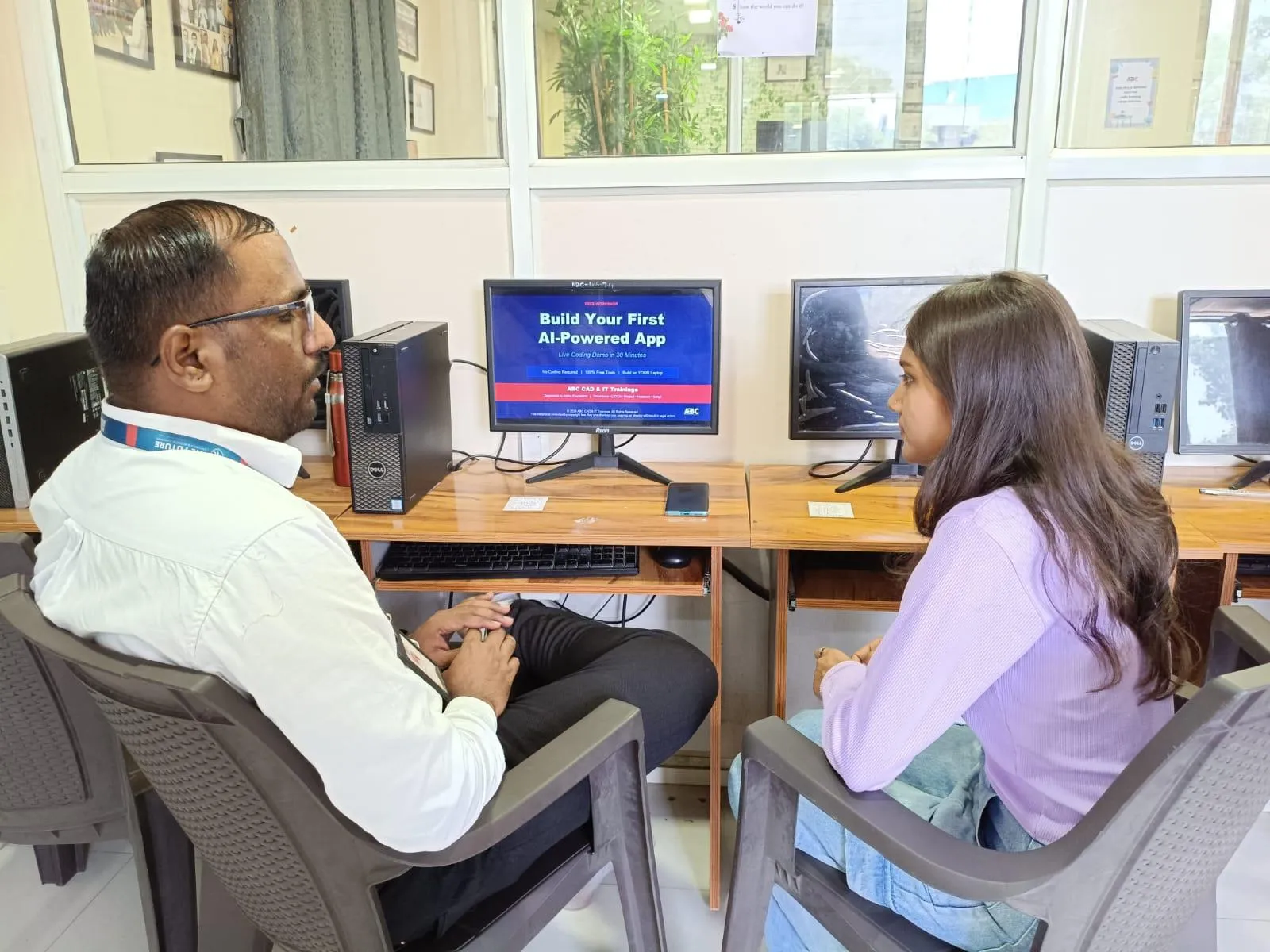
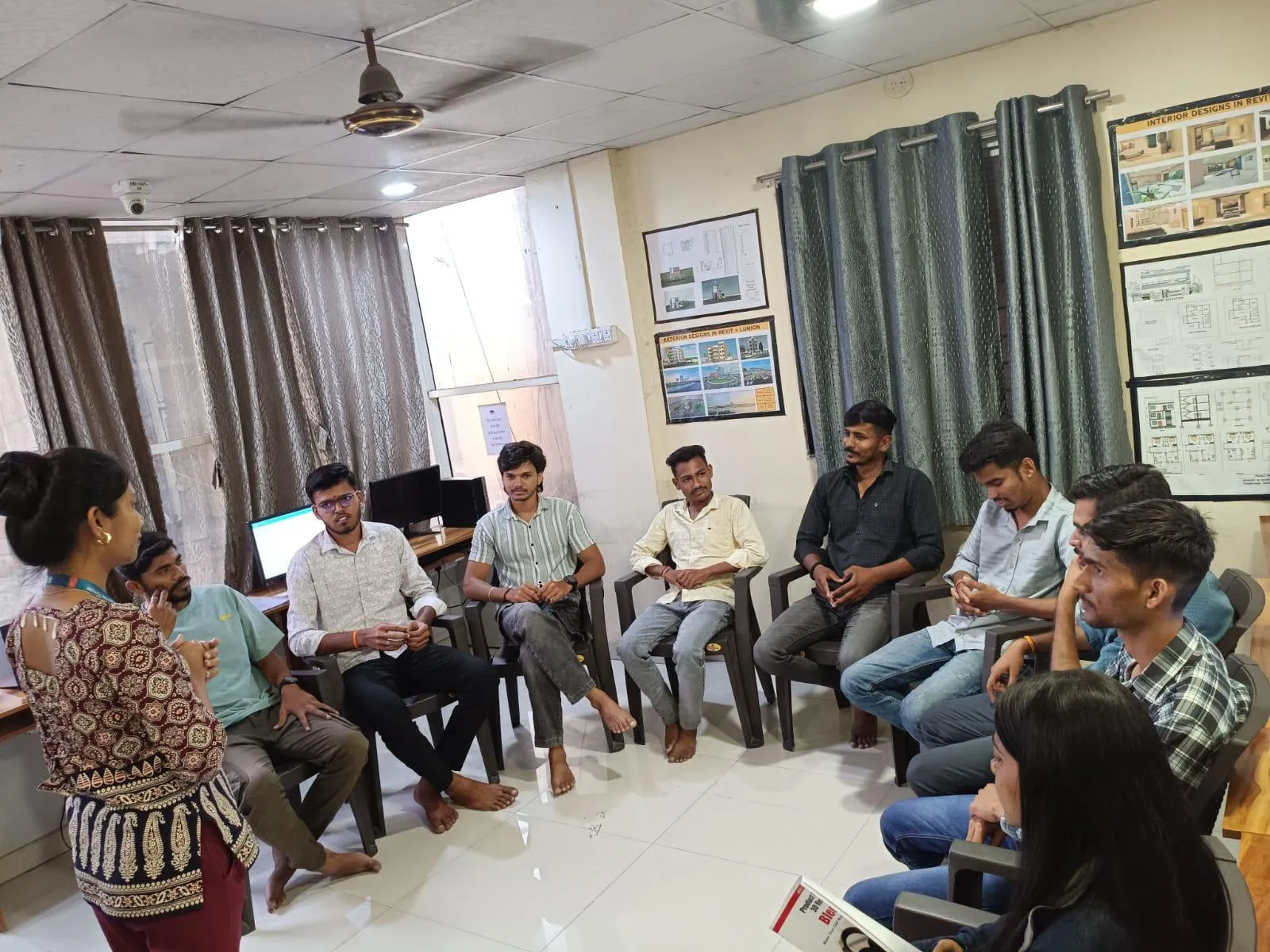
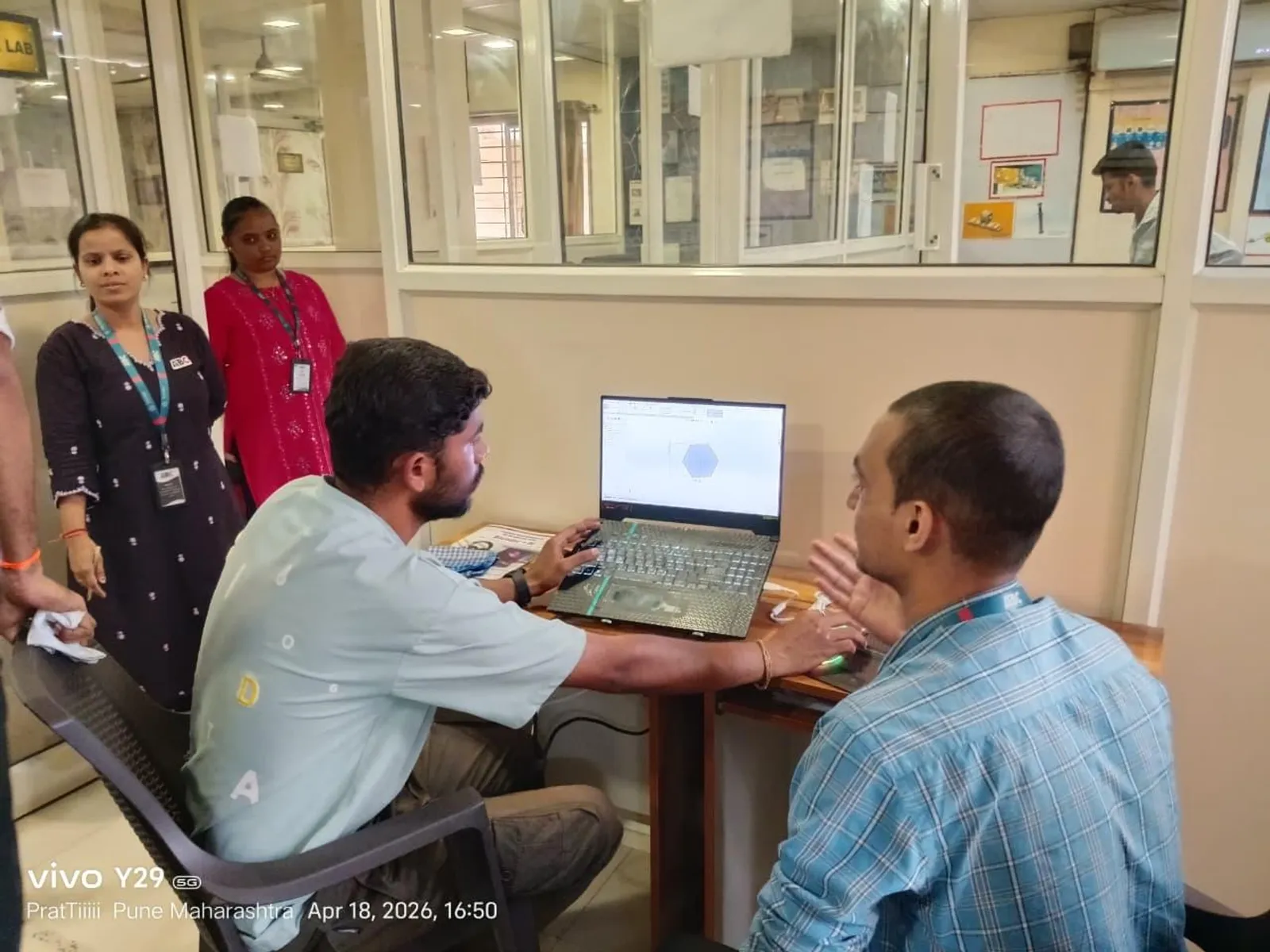
"How long will it actually take me to learn BIM?" is the single most common question we hear at our Wagholi and Hadapsar centers — and it deserves an honest answer, not a marketing number. Whether you're a final-year civil or architecture graduate in Pune weighing a full-time intensive batch, or an IT-turned-construction professional commuting from Hinjewadi or Kharadi who can only study evenings and weekends, the timeline genuinely depends on your path, your hours per week, and what "learning BIM" actually means to you. This article breaks down real, credible timeframes — from your first Revit wall to genuine BIM Manager-level expertise — so you can plan your next 6 to 24 months with your eyes open.
Why "how long to learn BIM" doesn't have one answer
BIM is not a single skill, it's a stack of skills — 3D modelling discipline by discipline, coordination between those disciplines, documentation standards, and eventually project-level management. Someone who says they "learned BIM in 3 weeks" almost always means they learned the Revit interface, not how to actually produce a construction-ready model or resolve a services clash between a structural beam and an HVAC duct. So instead of one number, think in layers: tool familiarity, single-discipline competency, multi-discipline coordination, and job-ready delivery speed. Each layer takes measurably longer than the one before it, and each is genuinely useful at its own stage — you don't need BIM Manager skills to get your first Modeler role, but you do need to know honestly which layer you're actually standing on before you walk into an interview.
Revit Architecture: realistic timeline for solid basics
For most learners starting from zero AutoCAD-to-Revit transition or fresh out of college, comfortable Revit Architecture basics — walls, floors, roofs, stairs, doors and windows, basic families, sheet setup and simple documentation — take:
- 6-8 weeks in a full-time, weekday intensive batch (4-5 hours/day, hands-on)
- 10-14 weeks in an evening batch (2 sessions/week, roughly 6-8 hours/week)
- 12-16 weeks in a weekend-only batch (Saturday-Sunday sessions)
- 4-8 months self-taught from free YouTube tutorials, with frequent stalls and rework
The gap between "I can follow a tutorial" and "I can model a small residential building independently, correctly, with clean family usage" is usually where self-taught learners underestimate time the most. A structured batch with a trainer correcting your modelling habits early — worksets, phasing, correct family categories — saves you from months of unlearning bad habits later. This is also the stage where most students at our Hadapsar center get their first taste of a real live project brief rather than a generic exercise file, which is what actually locks the basics in.
Adding Revit Structure and Revit MEP: the multiplier effect
Once Architecture basics are solid, Revit Structure (foundations, columns, beams, framing, rebar detailing basics) typically adds another 5-7 weeks of focused learning, and Revit MEP (HVAC ducting, plumbing/piping, electrical systems) adds a further 6-8 weeks. These aren't purely additive in difficulty — each new discipline is faster to pick up once you already understand Revit's core logic of families, levels, worksets and view templates — but they are additive in time, because each discipline has its own tool sets, system families and industry conventions to absorb properly. Someone doing all three disciplines back-to-back in a structured weekday batch is realistically looking at 3.5 to 4.5 months total for competent (not expert) Architecture + Structure + MEP modelling ability. This is roughly the timeline covered inside the Architecture, Structure and MEP modules of our 848-hour PG Diploma in BIM.
Navisworks and coordination: shorter than you'd think, but a different skill
Here's some good news: Navisworks itself is not the long pole. If you already understand how Revit models are structured, learning to aggregate federated models, run clash detection, review clash reports, and build basic 4D construction sequencing in Navisworks Manage typically takes 3-5 weeks of dedicated practice. The real challenge isn't the software, it's the coordination mindset — reading a clash report and knowing whether it's a real conflict or tolerable, understanding which discipline should move first, and communicating that back through an RFI or coordination meeting workflow. That judgment only develops from working through real multi-discipline clash scenarios, which is why project-based Navisworks training (using genuinely coordinated Architecture + Structure + MEP models, not toy files) matters more here than in almost any other BIM tool.
Job-ready in BIM: the honest 4-6 month benchmark
"Job-ready" gets thrown around loosely, so let's define it precisely: able to independently model a small-to-mid-size building across at least two disciplines, produce clean construction documentation, run a basic clash detection pass in Navisworks, and explain your modelling decisions in an interview or on the job in week one without heavy hand-holding. For a full-time weekday learner, that benchmark is realistically 4 to 5 months away, covering the full 848-hour PG Diploma in BIM curriculum end to end with live projects. For a working professional in an evening or weekend batch, the same competency takes 6 to 9 months, purely because weekly study hours are lower — the skill ceiling reached is identical, only the calendar is longer. This is exactly why our Wagholi and Hadapsar centers run all three batch formats: Pune's IT and engineering workforce commuting daily from Hinjewadi, Kharadi and Baner needs a path that doesn't require quitting a job to get there.
Full BIM mastery and BIM Manager-level expertise: the honest long game
This is the timeline nobody likes to hear but everybody should know before they start: true BIM Manager-level expertise — leading coordination across 8-10 disciplines on a large project, setting up BIM Execution Plans, managing model federation strategy, mentoring junior modelers, and making judgment calls that affect construction sequencing and cost — takes 2 to 3 years of active project experience after your initial training, sometimes stretching to 4-5 years depending on project complexity and how quickly you're given ownership. Course training gets you in the door and productive fast; the deep pattern-recognition of "I've seen this clash type go wrong before" only comes from sitting through real coordination cycles across multiple live projects. Anyone promising true mastery in a matter of weeks is not being straight with you — what a good course can honestly promise is a fast, correctly-built foundation that shortens the real-world learning curve considerably.
Full-time vs evening/weekend vs self-paced: a fair comparison for Pune learners
Given Pune's mix of recent graduates and a large working professional base, here's how the three common paths actually compare on time-to-employability, not just time-to-course-completion:
- Full-time weekday batch (recent graduates): Fastest path, 4-5 months to job-ready, best for those who can commit daytime hours without a job to juggle. Ideal at both Wagholi and Hadapsar, where daytime batches run alongside live project work.
- Evening/weekend batch (working professionals): 6-9 months to the same job-ready standard, extremely popular with professionals from Hinjewadi, Kharadi, Magarpatta and Baner who need training after work hours or on weekends without disrupting their current job.
- Self-paced online tutorials only: Often 8-12+ months of inconsistent effort, frequently longer, with a real risk of stalling permanently around the "I know the tools but can't build a coordinated project" stage — because there's no mentor catching bad habits or pushing you through a genuine multi-discipline project.
The pattern that shows up consistently: structured, project-based training with mentor feedback beats self-paced learning on actual time-to-employment, even though self-paced feels cheaper and more flexible at the start. The missing piece in self-study is almost never software knowledge — it's structured project exposure and someone experienced telling you when your workflow is wrong before an employer does.
What actually determines your personal timeline
Beyond batch format, a few honest factors shift your timeline more than people expect. Prior CAD or drafting background shortens Revit ramp-up meaningfully, since spatial and documentation logic already exists. Weekly consistency matters more than total hours — three focused 2-hour sessions a week beat one exhausted 6-hour weekend cram, because BIM skills compound through repetition. And whether your training includes a genuine live or live-style project (not just isolated tool exercises) is probably the single biggest swing factor in how fast you become interview-ready, which is why ABC Trainings' 848-hour PG Diploma in BIM is structured around real project workflows across all 14 courses rather than disconnected tool tutorials.
FAQs
How long does it take to learn Revit Architecture basics in Pune?
With focused, structured practice, most learners in Pune reach a solid working level of Revit Architecture — modelling walls, floors, roofs, families, sheets and basic documentation — in about 8 to 12 weeks. A full-time weekday batch can compress this closer to 6 to 8 weeks, while an evening or weekend batch for working professionals typically takes 10 to 14 weeks because study hours per week are lower.
Is Navisworks hard to learn after Revit, and how much extra time does it add?
Navisworks is easier to learn than Revit itself because it is used for coordination and clash detection rather than modelling from scratch, but it demands a different mindset. Once you already understand Revit Architecture, Structure and MEP models, expect 3 to 5 weeks to become genuinely competent at federated model review, clash detection workflows and 4D sequencing in Navisworks Manage.
How long until I am actually job-ready in BIM, not just course-complete?
Realistically, 4 to 6 months of structured, project-based training covering Revit Architecture, Structure, MEP and Navisworks coordination is what it takes to be genuinely job-ready for an entry-level BIM Modeler or Draughtsman role in Pune. Job-ready means you can independently model a small building, coordinate disciplines and fix clashes — not just that you finished watching tutorials.
Can working professionals in Pune realistically learn BIM alongside a full-time job?
Yes, and it is one of the most common paths at our Wagholi and Hadapsar centers. Working professionals commuting from Hinjewadi, Kharadi, Baner or Magarpatta typically complete the same 848-hour PG Diploma in BIM curriculum in 6 to 9 months using evening or weekend batches, compared to 4 to 5 months for a full-time weekday batch. The skill ceiling is identical; only the calendar stretches.
Do self-paced online BIM tutorials get you job-ready faster than classroom training?
Almost never, despite feeling faster at first. Self-paced tutorials can teach individual tool commands quickly, but most self-taught learners take 8 to 12 months of inconsistent effort to reach a portfolio and workflow standard that employers accept, and many stall out without ever building a real coordinated multi-discipline project. Structured classroom or hybrid training with mentor feedback and live projects consistently gets learners to employability faster, in the 4 to 6 month range.
Get Brochure + Fees + Batch Dates on WhatsApp
Free 1:1 counselling. Real placement track record. Government scheme eligibility check.
💬 WhatsApp 7774002496📞 Call 7039169629Visit Our Pune Centers
- Wagholi (Pune): 1st Floor, Laxmi Datta Arcade, Pune-Ahilyanagar Highway. Call 7039169629
- Hadapsar (Pune HQ): 1st Floor, Shree Tower, opp. Vaibhav Theater, near Bloom Hotel, Magarpatta. Call 7039169629
Get Brochure + Fees + Batch Dates on WhatsApp
Free 1:1 counselling. Placement track record. CMYKPY/PMKVY eligibility check.
💬 WhatsApp 7774002496📞 Call 7039169629Visit Our Centers
- Wagholi (Pune): 1st Floor, Laxmi Datta Arcade, Pune-Ahilyanagar Highway. Call 7039169629
- Hadapsar (Pune HQ): 1st Floor, Shree Tower, opp. Vaibhav Theater, near Bloom Hotel, Magarpatta. Call 7039169629
- Cidco (Chh. Sambhajinagar): Kalpana Plaza, opp. Eiffel Tower, N-1 Cidco. Call 7039169629
- Osmanpura (Chh. Sambhajinagar): S.S.C Board to Peer Bazar Road, near Jama Masjid. Call 7039169629
- Sangli: Shubham Emphoria, 1st Floor, Above US Polo Assn., Sangli-Miraj Rd, Vishrambag. Weekend batches available. Call 7039169629