Industry Experience: The Key to a Successful Startup Vision for Engineers and Graduates (Updated June 2026)
TCS shed 12,000 jobs in July 2025 — but NASSCOM and Deloitte simultaneously project 1.25 million new AI and digital-skills roles by 2027. If you are an engineer or graduate thinking about starting a company, both of those data points matter. The layoffs mean experienced professionals are entering the startup ecosystem. The job projections mean the market for tech-adjacent products and services is growing. What separates the startups that succeed from the ones that close in 18 months is almost never the idea — it is the founder's depth of industry experience. Watch the video above for a candid discussion from ABC Trainings, then read on for the practical reasoning behind why working inside a company first is one of the best things you can do for your future startup.

- Founders with 3 to 5 years of industry experience have significantly higher startup survival rates than first-time founders who build straight from college
- Industry experience gives you real customer problems, operational knowledge, supplier contacts and team management skills
- Companies like Bajaj, Tata Tech, KPIT, Bosch and Infosys are excellent startup incubators in disguise — problems you see daily become product ideas
- India has over 100,000 registered startups in 2025 — the competition for attention and funding is higher than ever
- ABC Trainings helps engineers build the technical and industry skills that make their startup ideas viable, not just exciting
Why Most Student Startups Fail and What Industry Experience Fixes
India had over 100,000 registered startups in 2025, making it the third-largest startup ecosystem in the world. Yet failure rates remain high: roughly 90 percent of startups fail within 5 years, and the most common reasons cited by founders are product-market fit failure, running out of cash and team problems. What all three of these failure modes have in common is that they are significantly reduced when a founder has worked inside an established company before starting. Product-market fit failure happens less often when you have seen real customer frustration up close, inside an organisation trying to serve those customers. Cash burn happens less often when you have managed a project budget or a team headcount. Team problems are reduced when you have hired, motivated, managed conflict and given feedback — which you only learn by doing it inside someone else's organisation first. The hard truth that nobody says clearly enough is this: most college-to-startup founders are not failing because their idea is bad. They are failing because they do not yet know what they do not know.
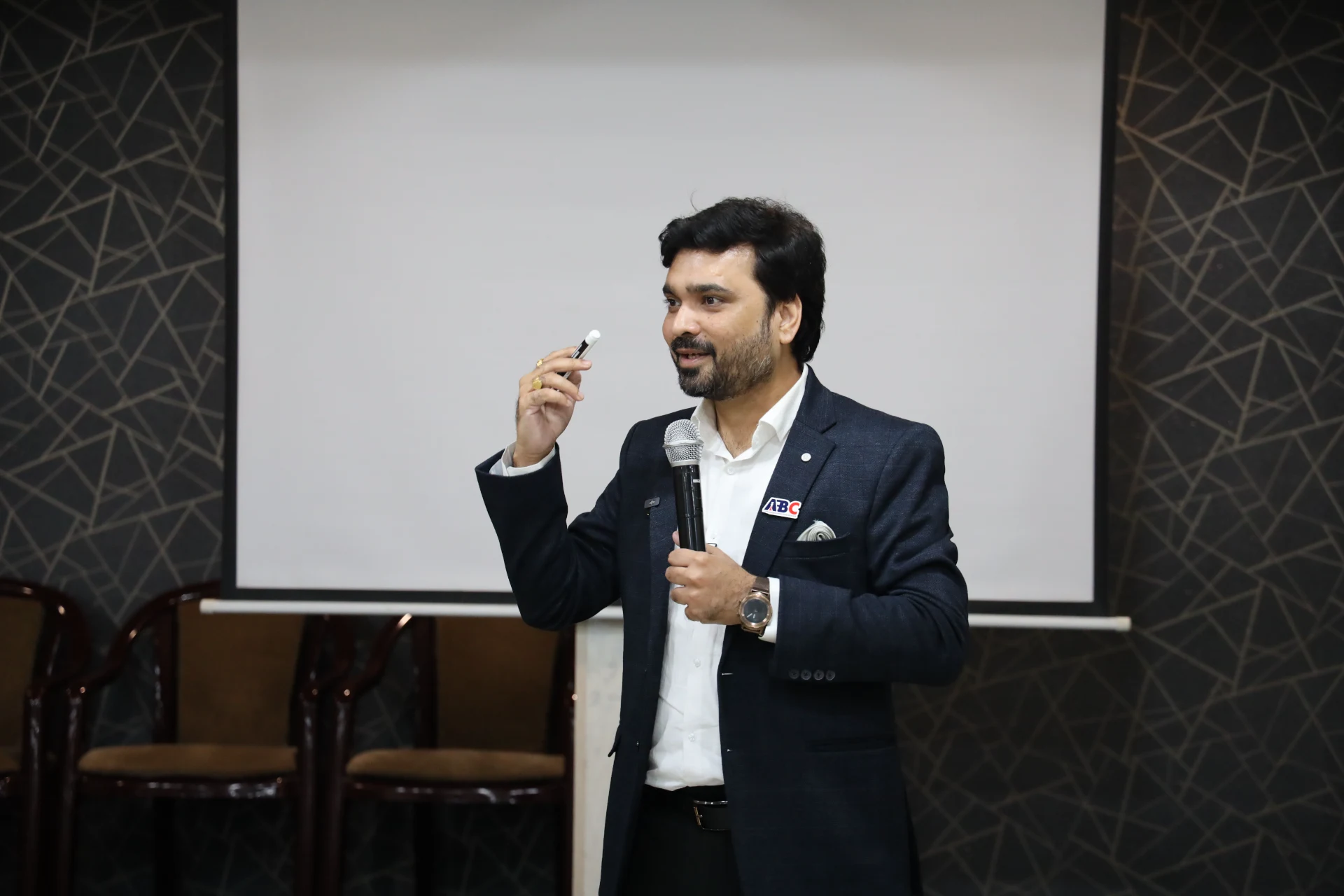
What Specific Advantages Does Industry Experience Give a Founder?
Industry experience gives a startup founder four specific advantages that are nearly impossible to replicate without actually working inside a company. The first is customer insight — understanding not just what a customer says they want but how they actually behave, what frustrates them, and what they would pay to fix. The second is operational knowledge — payroll, GST compliance, vendor management, quality control, ERP systems, the logistics of actually delivering something — which experienced engineers at Bajaj or Bosch take for granted but which trip up first-time founders constantly. The third is a professional network — suppliers, potential co-founders, early customers, advisors — that a college graduate simply has not had time to build. The fourth is credibility: investors and customers are more likely to trust a founder who has shipped real products at Tata Tech or KPIT than one who is working from a college project.
| Startup Stage | Without Industry Experience | With 3–5 Years Industry Experience |
|---|---|---|
| Product vision | Idea-based, hard to validate | Problem-based, already validated |
| First customers | Cold outreach from scratch | Professional network, warm referrals |
| Operations | Learned expensively via mistakes | Already familiar: GST, vendors, HR |
| Investor credibility | Low (degree only) | High (domain expertise + track record) |
| Survival odds | ~10% at 5 years | Significantly higher with domain depth |
Which Companies in Maharashtra Are Best Startup Incubators in Disguise?
Some of the best startup incubators in Maharashtra are not startup accelerators — they are large manufacturing and IT companies where you can see real problems at scale. Bajaj Auto at Waluj has production efficiency problems, supply chain optimisation challenges and dealer management systems that a motivated engineer could study for years and find startup ideas in. Bosch India at Pune works on automotive sensor technology and IoT systems — dozens of product niches for a deep-tech founder. KPIT Technologies and Tata Technologies in Hinjewadi have automotive software problems in electrification, autonomous systems and model-based development. Infosys and TCS client delivery work exposes you to enterprise software gaps — MIS, reporting, workflow automation — that Indian mid-market companies pay well to solve. Working at any of these companies for 2 to 4 years and paying attention to what breaks, what slows people down and what clients complain about is the most reliable startup idea-generation process available to a Maharashtra engineer.
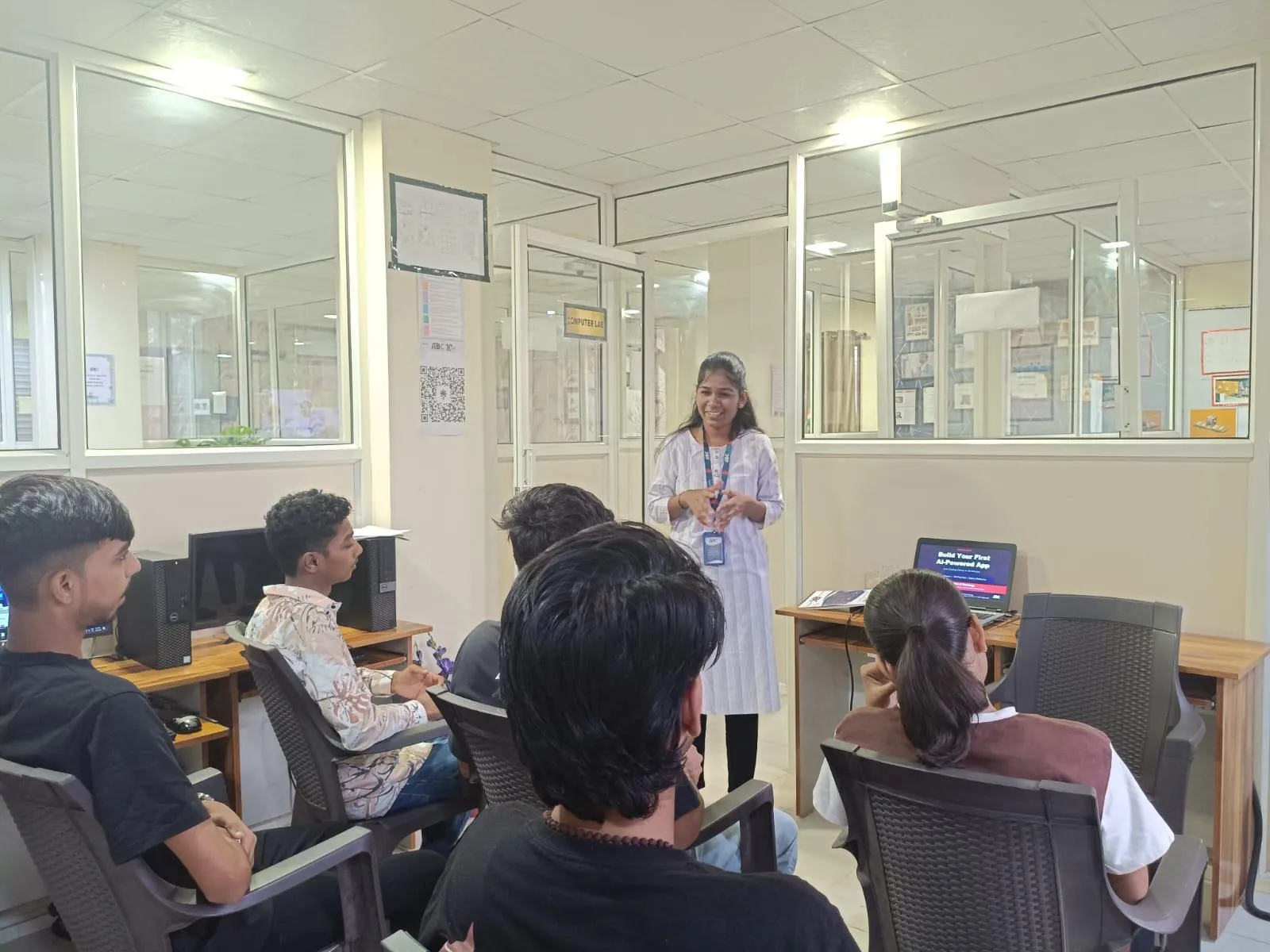
How to Use Your Job to Build a Startup-Ready Skillset
Here is a practical approach for engineers who want to use their job to build startup-ready skills rather than just earn a salary. Take ownership of cross-functional projects whenever possible — projects that require you to work with finance, manufacturing and customer-facing teams simultaneously build exactly the cross-domain thinking startups need. Volunteer to present data and findings to senior management — it builds communication and storytelling skills that engineering education never teaches. Build small internal tools and automation scripts that solve real team problems — this is genuine product development experience. Talk to customers and suppliers directly whenever your role allows it — understanding their problems and vocabulary is worth more than any MBA case study. And document everything you observe: operational inefficiencies, customer complaints, supplier friction points. These notes are your startup idea bank.
The Right Time to Leave a Job and Start Your Own Company
The question of when to leave and start is genuinely individual, but here is what the pattern of successful Maharashtra founders suggests. Three years of industry experience is usually enough to understand how a company really works. Five years gives you deep domain expertise and a strong professional network. Beyond seven years, the inertia of a corporate role — salary, stability, stock options — can make it psychologically harder to take the risk, not easier. The most practical signal is not a calendar date but a specific problem you have seen repeatedly, understand deeply and believe you can solve better than the current market solution. If you have that problem and 2 to 3 years of industry context around it, the time is probably now. If you do not yet have a clear problem, stay in the role and keep looking — the problem will find you if you stay curious and observant. ABC Trainings founder Avinash Chate built the training institute after years of observing that engineering graduates in Pune and Aurangabad lacked practical, industry-aligned skills — exactly the kind of observed problem that sustains a business.
How ABC Trainings Builds the Skills That Support Engineering Entrepreneurs
ABC Trainings at Hadapsar Pune and Sambhajinagar exists specifically to help engineers and graduates build the technical and professional skills that make startup ideas executable rather than theoretical. Our courses in Python, Full Stack MERN, AutoCAD, SolidWorks, PLC/SCADA and BIM cover the technical depth that product startups need. Our industry trainer network — trainers from Infosys, Siemens, L&T and other Maharashtra employers — brings real-world context into every classroom session. We have trained over 20,000 students since 2014 including engineers who went on to start companies after gaining skills and experience. If you are planning a startup and want to first build the technical foundation that makes your vision credible to co-founders and investors, our course counselling team can map your startup domain to the right skill programme. Visit us at 1st Floor, Shree Tower, opp. Vaibhav Theater, Magarpatta, Hadapsar, Pune 411028, or call 7039169629.
Get the Career Development Brochure + Fees + Batch Dates on WhatsApp
Free 1:1 counselling. Placement track record. CMYKPY/PMKVY eligibility check.
💬 Get Brochure on WhatsApp📞 Call 7039169629About the author: Rahul Patil. 12 yrs experience training engineers across Maharashtra.
Visit Our Centers
- Wagholi (Pune): 1st Floor, Laxmi Datta Arcade, Pune-Ahilyanagar Highway. Call 7039169629
- Hadapsar (Pune HQ): 1st Floor, Shree Tower, opp. Vaibhav Theater, Magarpatta. Call 7039169629
- Cidco (Chh. Sambhajinagar): Kalpana Plaza, opp. Eiffel Tower, N-1 Cidco. Call 7039169629
- Osmanpura (Chh. Sambhajinagar): S.S.C Board to Peer Bazar Road, near Jama Masjid. Call 7039169629
- Sangli: Shubham Emphoria, 1st Floor, Above US Polo Assn., Sangli-Miraj Rd, Vishrambag. Weekend batches available. Call 7039169629
FAQs
How many years of industry experience should you have before starting a startup in India?
Three to five years is the most common range cited by successful Maharashtra-based founders. Three years gives you enough operational understanding to avoid the most costly mistakes. Five years gives you deep domain expertise and a strong professional network. Beyond seven years the risk-taking becomes harder psychologically, though there are successful founders at every stage.
Can a fresh engineering graduate start a successful startup without working first?
Yes — some of the most well-known startups globally were founded by people straight out of college. But the success rate is significantly lower, and the learning curve is steeper. In India's current competitive market with 100,000+ registered startups, domain depth and industry networks matter more than they did in 2015. Working for 2 to 3 years first is not required but it substantially improves your odds.
Which companies in Maharashtra are best for gaining startup-relevant industry experience?
Bajaj Auto, Bosch India, KPIT Technologies, Tata Technologies, Infosys, TCS and Mahindra are among the best companies in Maharashtra for gaining startup-relevant experience. They expose you to scale, real customer problems, supply chain complexity and cross-functional collaboration at a level that smaller companies cannot match.
How can ABC Trainings help someone who wants to start a tech or engineering business?
ABC Trainings offers technical skill courses that align with common startup domains: Python and Data Science for analytics startups, Full Stack MERN for product startups, AutoCAD and SolidWorks for hardware product companies, and PLC/SCADA for industrial automation ventures. Visit our Hadapsar Pune centre (Shree Tower, opp. Vaibhav Theater, Magarpatta) or call 7039169629 for a free counselling session.