Is Industrial Automation a Good Career in India in 2026? Salaries, Scope & How to Get Started (Updated July 2026) (Updated July 2026)
Industrial automation is the backbone of every functioning manufacturing facility in India — from the Pune auto belt and Nashik pharma clusters to AURIC's new-age EV and synthetic fibre plants. The industry is expanding fast: Union Budget 2025–26 allocated ₹1.05 lakh crore to manufacturing infrastructure, and the PLI (Production-Linked Incentive) scheme has triggered greenfield factory builds across Maharashtra, Gujarat, Tamil Nadu, and Andhra Pradesh. Every one of those factories needs automation engineers — people who can commission and troubleshoot PLC control systems, design SCADA supervisory networks, configure VFD drives, and maintain the electrical panels that keep production lines running. So is industrial automation a good career in India in 2026? The short answer is yes — but the salary and opportunity depend entirely on which skills you have and which sector you're targeting. This post gives the honest picture: what industrial automation involves, which skills actually get you hired, sector-wise salaries, and the fastest path to a first automation job from any engineering background.
- Industrial automation in India is growing at 12–15% CAGR — auto, pharma, FMCG, food processing sectors are top hirers
- PLC (Siemens S7, Allen-Bradley) + SCADA + VFD is the minimum employable skill stack in 2026
- Fresher automation engineer salary: ₹3–5 LPA; mid-level (3–5 yrs): ₹6–10 LPA; senior: ₹10–18 LPA
- Electrical, Electronics, Mechanical, and Instrumentation graduates all qualify — automation is cross-domain
- ABC Trainings PLC-SCADA programme at Osmanpura (Aurangabad) includes live panel training and placement support
What Industrial Automation Is — and Why It's Growing So Fast in India
Industrial automation refers to the use of control systems — PLCs (Programmable Logic Controllers), SCADA (Supervisory Control and Data Acquisition) systems, VFDs (Variable Frequency Drives), HMIs (Human Machine Interfaces), and robotic systems — to run manufacturing processes with minimal human intervention. An automation engineer designs, programs, commissions, and maintains these systems. Why is it growing so fast in India in 2026? Three converging forces. First, India's manufacturing push: the PLI scheme, Make in India, and ₹1.05 lakh crore manufacturing budget have triggered factory construction across automotive (Pune, Chennai, Sanand), pharma (Hyderabad, Nashik, Baddi), FMCG (multiple clusters), and electronics (Noida, Bengaluru, Chennai). Every factory that goes up needs automation engineers to run it. Second, the automation skills gap: India produces lakhs of electrical and mechanical engineering graduates, but very few with hands-on PLC-SCADA skills. The gap between demand and supply is widest at the mid-level (3–5 yrs experience), where ₹8–12 LPA roles go unfilled for months. Third, salary premium: automation engineers consistently earn 30–60% more than general electrical or mechanical engineers at the same experience level. A plant electrician with SCADA skills earns ₹5–7 LPA; the same profile without SCADA earns ₹3–4 LPA.

PLC, SCADA, VFD, HMI — Which Skills Actually Get You Hired
The employable automation skill stack in 2026, in order of importance. Tier 1 — PLC Programming (Ladder Logic): Siemens S7-1200/S7-300 and Allen-Bradley (Rockwell) are the two dominant PLC platforms in India. You need to be able to write, modify, and troubleshoot ladder logic programs for basic to moderate automation tasks. This is the non-negotiable baseline — every automation job in India requires PLC. Tier 2 — SCADA Design and Configuration: Wonderware (AVEVA InTouch), Ignition, or WinCC are the major SCADA platforms. You need to build basic supervisory screens, configure tags, and set up alarms and trend displays. Companies running 24/7 production lines pay a consistent premium for SCADA-capable engineers. Tier 3 — VFD (Variable Frequency Drive) Configuration: Danfoss, Siemens Sinamics, and ABB ACS drives are the most common. VFD expertise is required in almost every conveyor, pump, and motor-intensive application. Tier 4 — HMI (Human Machine Interface) Design: Siemens WinCC Comfort and Proface HMIs are common on production lines. Tier 5 — Instrumentation basics: pressure transmitters, temperature sensors, flow meters — essential for process industries (pharma, chemicals, food processing). A fresher with PLC + SCADA + VFD is employable at ₹3.5–5 LPA. Adding instrumentation basics and a year of experience takes it to ₹6–8 LPA.
Industrial Automation Salaries in India by Experience and Sector (2026 Data)
Here is the salary data for industrial automation engineers in India in 2026, segmented by experience and sector. Fresher (0–1 yr, PLC + SCADA basics): ₹3–5 LPA — automotive component plants, machine builders, system integrators. Junior Automation Engineer (1–3 yrs): ₹4.5–7 LPA — automotive OEM plants (Bajaj, Hero, TVS, Maruti Suzuki suppliers), pharma (Dr. Reddy's, Cipla, Sun Pharma plants), FMCG (HUL, Nestlé, Britannia). Senior Automation Engineer (3–6 yrs): ₹7–12 LPA — process industries, chemical plants, multi-site automation projects. Lead Automation / Project Engineer (6–10 yrs): ₹12–18 LPA — system integration companies, EPC contractors, large OEM plants. Automation Manager / DCS Specialist (10+ yrs): ₹18–28 LPA. Sector comparison: Automotive gives fastest job placement for freshers; Pharma pays 20–30% premium at mid level; Oil & Gas (refineries, LNG plants) pays 40–60% premium but requires 3–5 yrs experience entry. For Maharashtra specifically — Pune auto belt (Chakan, Ranjangaon, Talegaon), Nashik pharma corridor, AURIC Aurangabad (Skoda, Bajaj, Endurance, Lubrizol), and Satara MIDC are the top automation hiring zones.

| Experience Level | Skills | Sector | Salary (India, 2026) |
|---|---|---|---|
| Fresher (0–1 yr) | PLC + SCADA basics | Auto components, system integrators | ₹3–5 LPA |
| Junior (1–3 yrs) | PLC + SCADA + VFD | Automotive OEM, pharma, FMCG | ₹4.5–7 LPA |
| Senior (3–6 yrs) | Full automation stack | Process industries, EPC | ₹7–12 LPA |
| Lead / PM (6–10 yrs) | Multi-platform + project mgmt | System integration, OEM | ₹12–18 LPA |
Which Engineering Backgrounds Qualify — and Who Has the Edge
Who can do industrial automation? The common question. Electrical Engineering (BE/Diploma): the most natural fit — control panels, motors, and drives are core to the curriculum. Strong advantage in PLC hardware commissioning. Electronics and Telecommunication: strong in PLC programming and HMI/SCADA design. Preferred by system integrators and software-heavy automation companies. Instrumentation Engineering: best fit for process industry automation (pharma, oil and gas, chemicals) — pressure, temperature, flow, and level instruments are directly relevant. Mechanical Engineering: can transition into automation with a PLC-SCADA course, particularly for robotics and CNC machine automation roles. The honest assessment of who has the fastest time-to-hire: Electrical diploma holders with PLC + SCADA training consistently get placed faster than degree engineers without hands-on training, because plant maintenance teams prioritise practical commissioning skill. A diploma electrical engineer who can read a panel drawing, wire a PLC I/O module, and write basic ladder logic is more valuable in the first 6 months on the job than a BE Electrical engineer who has theory but no hands-on. This is exactly what the ABC Trainings PLC-SCADA programme is designed to deliver: practical panel and PLC skills, not just theory.
How to Start: The ABC Trainings PLC-SCADA Training Path
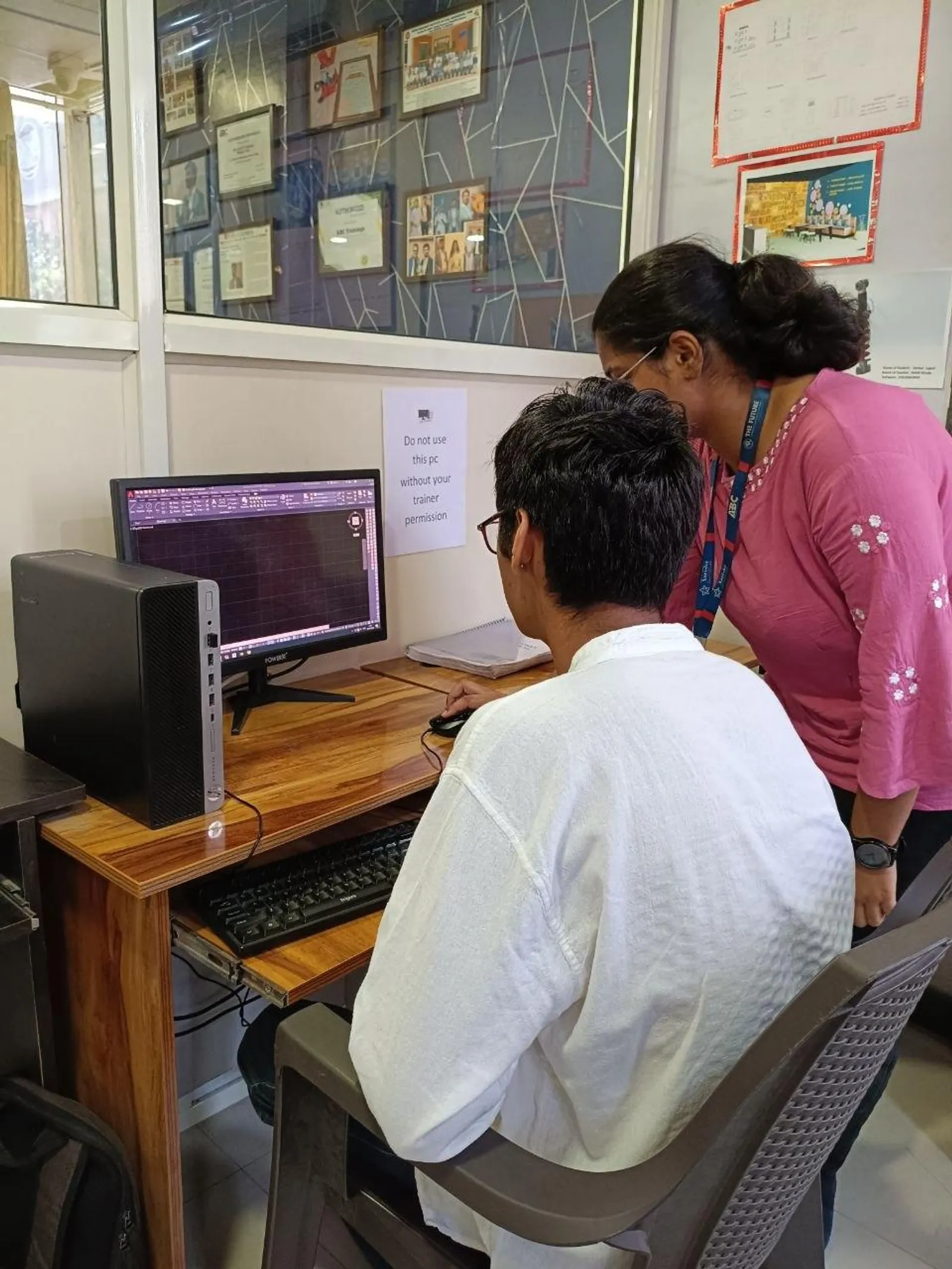
ABC Trainings' PLC-SCADA training programme is available at the Osmanpura branch in Chhatrapati Sambhajinagar (Aurangabad) — the closest training centre to the Waluj MIDC, AURIC, and Shendra industrial zones in Marathwada. The programme covers: Siemens S7-1200 PLC hardware and TIA Portal programming (ladder logic, function blocks, structured text), Allen-Bradley RSLogix 5000 basics, SCADA design in Wonderware InTouch, VFD (Danfoss, Siemens) configuration and PID tuning, HMI design in Siemens WinCC, and live panel training on training rigs that simulate industrial plant conditions. Duration: 3–4 months intensive or 4–5 months weekend. The batch includes 2 rounds of mock technical interviews and direct referral to automation companies in the AURIC and Pune auto belt. AURIC companies that have hired ABC Trainings students in recent batches include contractors supplying to Bajaj Auto Waluj, Endurance Technologies, and Lubrizol. Call 7039169629 or WhatsApp 7774002496 to speak with a counsellor about the current batch dates and eligibility.
Maharashtra CMYKPY scheme: Eligible freshers pursuing PLC-SCADA automation training at ABC Trainings Osmanpura (Chhatrapati Sambhajinagar) may receive ₹6,000–₹10,000 government stipend during training. Ask the counsellor to verify your eligibility at registration.Get the Industrial Automation Brochure + Fees + Batch Dates on WhatsApp
Free 1:1 counselling. Placement track record. CMYKPY/PMKVY eligibility check.
💬 Get Brochure on WhatsApp📞 Call 7039169629About the author: Rutuja Maske, Electrical & Automation Trainer, ABC Trainings.
Visit Our Centers
- Wagholi (Pune): 1st Floor, Laxmi Datta Arcade, Pune-Ahilyanagar Highway. Call 7039169629
- Hadapsar (Pune HQ): 1st Floor, Shree Tower, opp. Vaibhav Theater, Magarpatta. Call 7039169629
- Cidco (Chh. Sambhajinagar): Kalpana Plaza, opp. Eiffel Tower, N-1 Cidco. Call 7039169629
- Osmanpura (Chh. Sambhajinagar): S.S.C Board to Peer Bazar Road, near Jama Masjid. Call 7039169629
- Sangli: Shubham Emphoria, 1st Floor, Above US Polo Assn., Sangli-Miraj Rd, Vishrambag. Weekend batches available. Call 7039169629
FAQs
Is industrial automation a good career choice in 2026 for a fresher engineer?
Yes — industrial automation is one of the strongest career choices for engineering freshers in India in 2026. Manufacturing growth (PLI scheme, Make in India, greenfield factory builds across auto, pharma, and FMCG sectors) has created a genuine demand-supply gap for PLC-SCADA-trained engineers. Freshers with hands-on PLC + SCADA skills consistently get placed faster and at higher starting salaries than general electrical or mechanical graduates.
Which PLC brand should I learn first — Siemens or Allen-Bradley?
Learn Siemens first. Siemens S7-1200 (TIA Portal) is the most widely deployed PLC platform in India's manufacturing sector — it's used in automotive (Pune Chakan, Nashik), pharma, and food processing. Siemens-trained engineers have the widest pool of job opportunities. After Siemens, Allen-Bradley (RSLogix/Studio 5000) is the second most valuable for automotive OEM plants. The ABC Trainings PLC-SCADA programme covers both.
How much does an automation engineer earn in their first job in India?
A fresher automation engineer with PLC + SCADA training in India (Maharashtra market) earns ₹3–5 LPA in the first job. Automotive component plants and system integrators are the fastest hirers. Pharma plants pay slightly higher (₹4–6 LPA) but take longer to hire freshers. With 18–24 months of hands-on experience, mid-level automation engineers earn ₹6–9 LPA consistently.
Can a mechanical engineer do industrial automation, or is it only for electrical?
Yes — mechanical engineers can transition into industrial automation, particularly for roles involving robotic systems, CNC machines, and conveyor automation. The PLC-SCADA training path is the same regardless of engineering background. Mechanical engineers have an advantage in understanding the mechanical processes being automated, which is valuable in commissioning and troubleshooting. The most common automation roles for mechanical engineers are at machine builders and automotive assembly plant automation teams.