MIT Student's Honest Review of ABC Trainings PLC and SCADA Workshop (2026) (Updated August 2026)
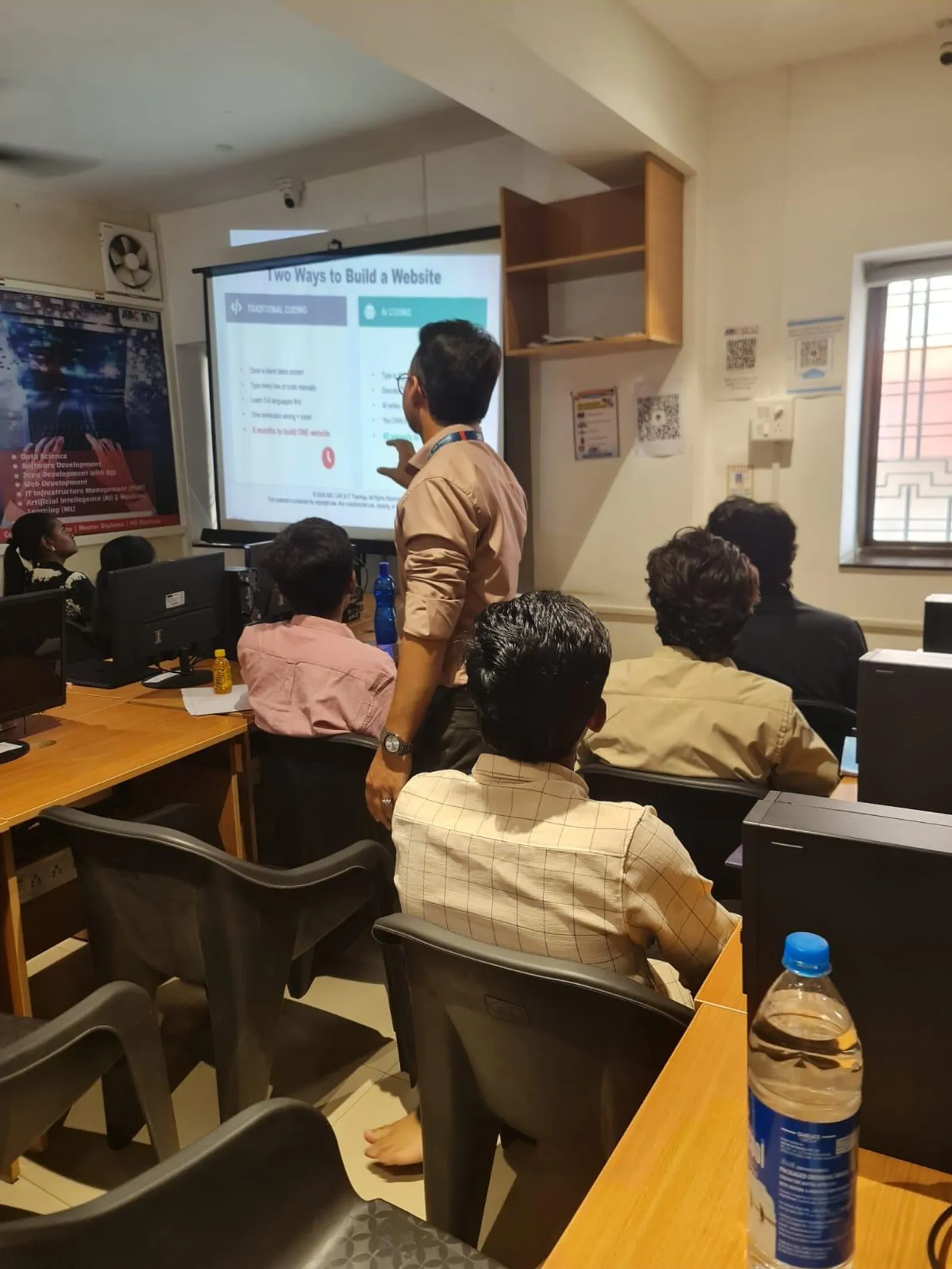
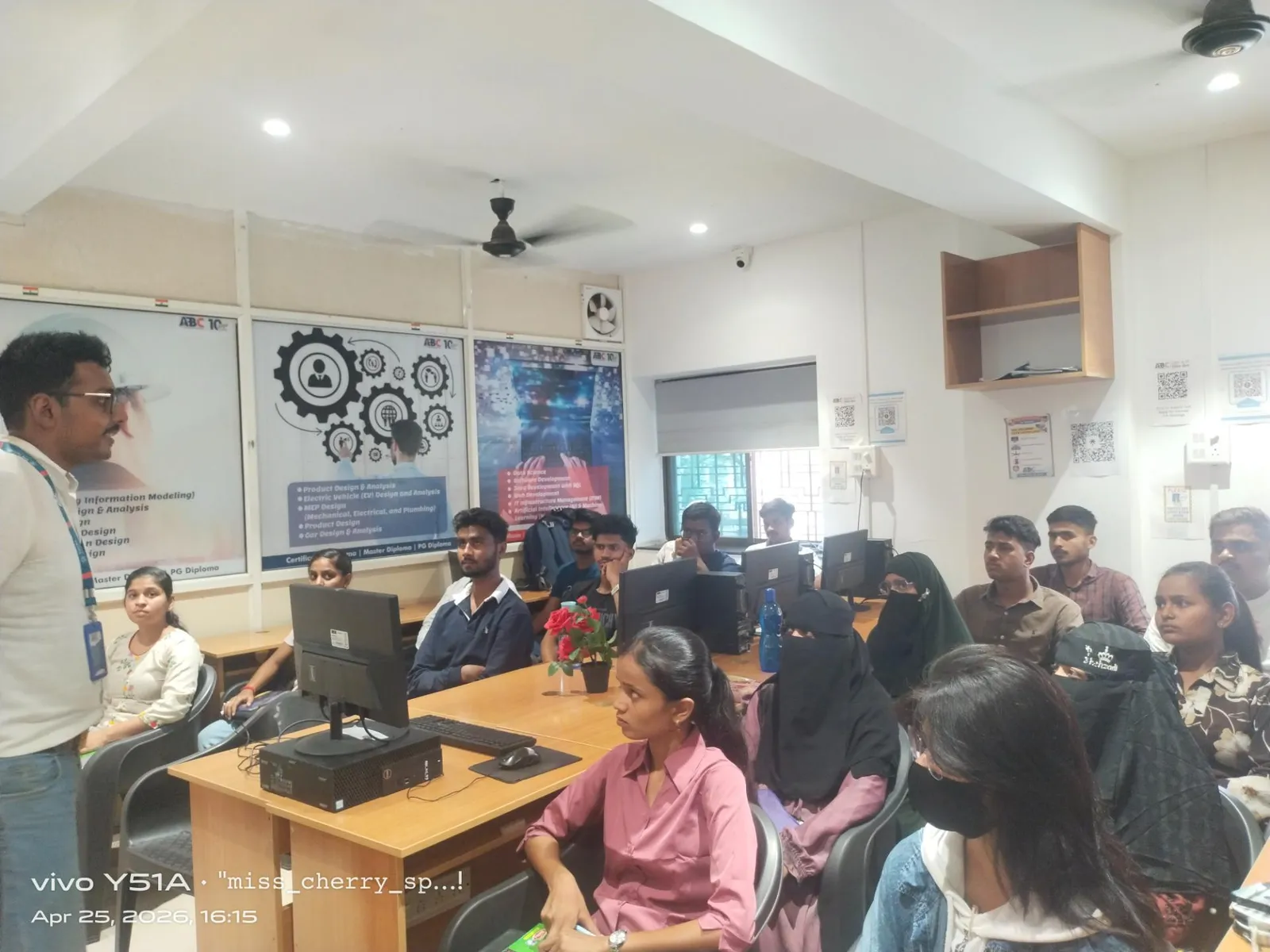
First-year exposure to PLC and SCADA in a workshop setting can shift how an engineering student thinks about their career. The NASSCOM-Deloitte report projects 1.25 million new automation and AI-related roles in India by 2027 — and PLC-trained engineers are at the centre of that demand. When an MIT engineering student attended ABC Trainings' PLC and SCADA workshop led by Swapnil Sir, they left recommending it to every peer. This review breaks down exactly what the session covered and why hands-on workshops like this matter.

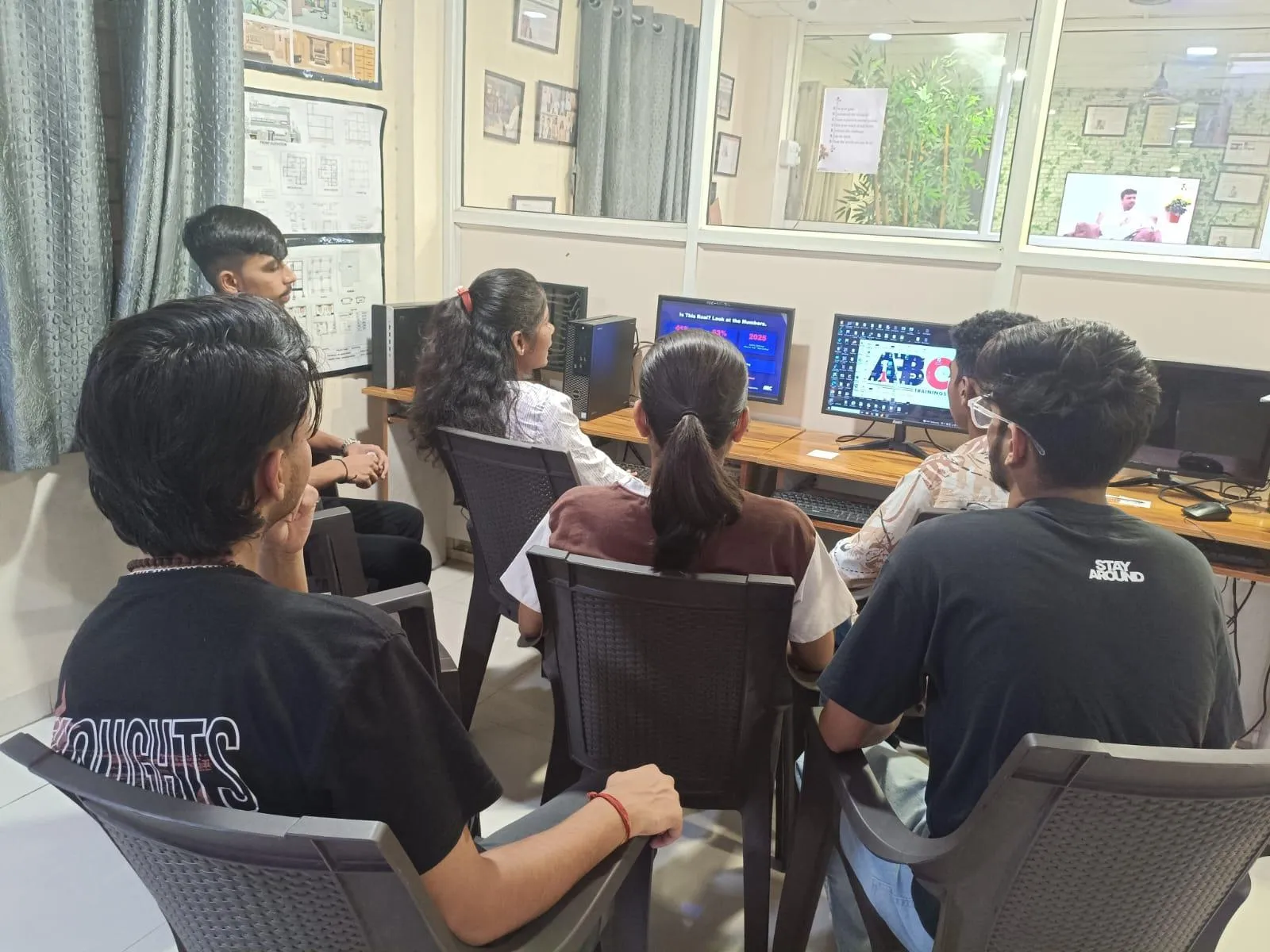
- MIT engineering student attended ABC Trainings' PLC and SCADA workshop led by Swapnil Sir
- Workshop covered PLC card introduction, instructions, SCADA overview and industrial automation applications
- Student found it excellent and recommended it to all engineering students interested in automation
- Automation is growing across all companies — PLC knowledge is essential for industrial engineers
- ABC Trainings runs regular PLC SCADA workshops and full-course batches at Wagholi, Hadapsar and Osmanpura
What the ABC Trainings PLC and SCADA Workshop Covered (From an MIT Student's Perspective)
The PLC and SCADA workshop at ABC Trainings, attended by this MIT student, covered the fundamentals of PLC cards — what they are, where they are used in industry, and how PLC instructions work in practice. Swapnil Sir also introduced SCADA (Supervisory Control and Data Acquisition) — explaining how it provides real-time monitoring and control of industrial processes. The session showed how PLC and SCADA work together in a complete automation system: the PLC executes the control logic on the machine; SCADA gives engineers a visual interface to monitor and manage the process from a distance. For a student with no prior automation exposure, that single workshop connected classroom theory to real factory floors.
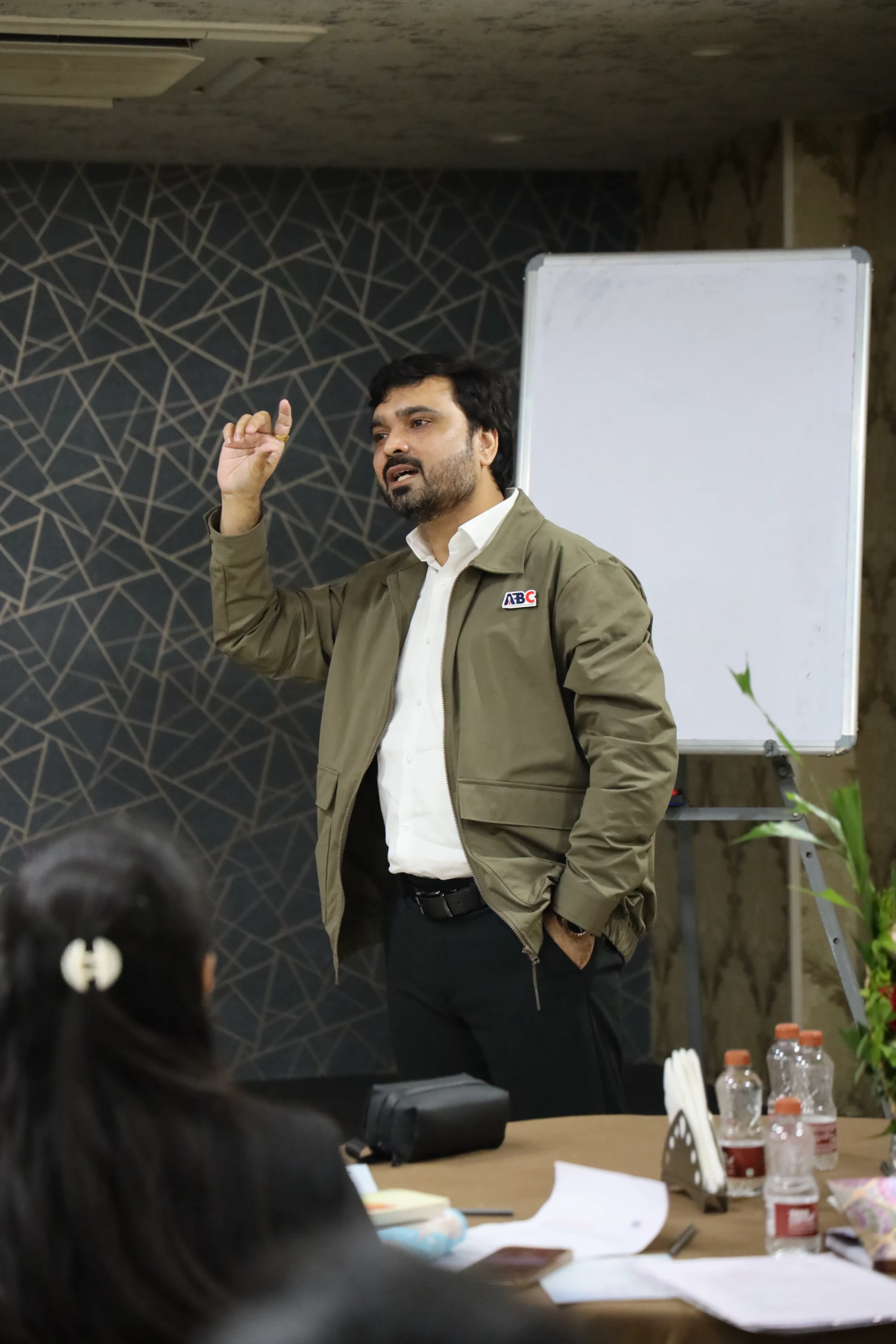
Why Swapnil Sir's Teaching Style Made the Workshop Stand Out
The student specifically noted how clearly the concepts were explained — not just what PLC is, but how automation is actually developing across companies and how PLC technology is currently being used in real industrial settings. That practical framing — showing the actual deployment context rather than abstract definitions — is what distinguished the session. Swapnil Sir's delivery ensured students left understanding not just PLC theory but where they would encounter and use these systems in their own engineering careers.
What Is PLC Automation and Why It Matters for Engineering Students in 2026
PLC (Programmable Logic Controller) automation replaces traditional relay-based wiring with software programming. The same control sequence that would take 10–15 days to wire and test in a relay panel can be programmed and running in under an hour on a PLC. Faults that would require days of wire tracing to diagnose appear on the PLC diagnostic screen instantly. In 2026, every modern factory — from automotive assembly (Bajaj, Skoda VW) to food processing to pharmaceuticals — runs on PLC automation. Engineers who can program, configure and troubleshoot PLCs are in demand at every stage of their career.
What Is SCADA and How It Works Alongside PLC Systems
SCADA (Supervisory Control and Data Acquisition) provides the human-machine interface layer on top of PLC control. While the PLC executes the logic that controls machines and processes, SCADA gives operators a visual dashboard — showing live process data, alarms, historical trends and remote control options. Together, PLC + SCADA form the core of industrial automation in manufacturing, utilities, water treatment and power distribution. Engineers who understand how these two systems integrate are qualified for automation engineer, SCADA operator and process control roles — some of the most in-demand engineering positions in India's industrial sector.
Why Every Engineering Student Should Attend a PLC Workshop Before Graduation
Most engineering colleges teach the theory of PLCs in a 2-credit elective module. That is not enough to get hired. Companies want engineers who can open TIA Portal or Studio 5000, write a working ladder logic program and explain it in an interview. One-day workshops like this one from ABC Trainings give students their first real contact with PLC hardware, real instructions and actual automation scenarios — which changes how they approach the rest of their studies and their first job interviews. The MIT student's review reflects this: they came in with a college-level concept, left with real understanding of how PLCs are deployed in industry.
Full PLC SCADA Course at ABC Trainings vs One-Day Workshop: What's the Difference?
The full PLC SCADA course at ABC Trainings (3 months) goes far beyond what a one-day workshop can cover: it includes complete ladder logic programming in Siemens S7 and Allen-Bradley, HMI screen design, SCADA project configuration, P&ID reading, closed-loop control and a final industrial project from specification to commissioning. The workshop is the right introduction — it shows you whether automation is the direction you want to pursue. The full course is what gives you the skills to get hired. Many students attend the workshop first, confirm their interest, then enrol in the full course.
How to Attend the Next PLC SCADA Workshop or Course at ABC Trainings
To attend the next PLC SCADA workshop or enrol in the full Industrial Automation course, call 7039169629 or WhatsApp 7774002496. Workshops are announced on the ABC Trainings website and social channels — slots fill fast. Full course batches run at Wagholi (Pune), Hadapsar (Pune) and Osmanpura (Sambhajinagar). Weekend batches are available for students with college schedules.
CMYKPY (Chief Minister Yuva Karya Prashikshan Yojana) provides ₹6,000–10,000 stipend for eligible Maharashtra engineering students. ABC Trainings' Industrial Automation (PLC SCADA) programme is CMYKPY eligible. Bring Aadhaar, bank passbook and 12th marksheet.Get the Student Stories Brochure + Fees + Batch Dates on WhatsApp
Free 1:1 counselling. Placement track record. CMYKPY/PMKVY eligibility check.
💬 Get Brochure on WhatsApp📞 Call 7039169629About the author: Rutuja Maske, Electrical & Automation Trainer, ABC Trainings.
Visit Our Centers
- Wagholi (Pune): 1st Floor, Laxmi Datta Arcade, Pune-Ahilyanagar Highway. Call 7039169629
- Hadapsar (Pune HQ): 1st Floor, Shree Tower, opp. Vaibhav Theater, Magarpatta. Call 7039169629
- Cidco (Chh. Sambhajinagar): Kalpana Plaza, opp. Eiffel Tower, N-1 Cidco. Call 7039169629
- Osmanpura (Chh. Sambhajinagar): S.S.C Board to Peer Bazar Road, near Jama Masjid. Call 7039169629
- Sangli: Shubham Emphoria, 1st Floor, Above US Polo Assn., Sangli-Miraj Rd, Vishrambag. Weekend batches available. Call 7039169629
FAQs
Does ABC Trainings offer free PLC workshops for engineering students?
ABC Trainings regularly runs PLC and SCADA workshops — some are free intro sessions for engineering students, others are paid short-format workshops. Call 7039169629 or follow the ABC Trainings social pages to find the next workshop date in your city.
What does the ABC Trainings PLC SCADA workshop cover?
The PLC and SCADA workshop covers: PLC card introduction, PLC instructions (basic logic, timers, counters), SCADA system overview, and how PLC + SCADA work together in industrial automation. The session is led by expert trainers including Swapnil Sir, who has a strong track record with engineering college students.
Is the ABC Trainings PLC course suitable for MIT or PICT engineering students?
Yes — ABC Trainings courses are designed for engineering students from all colleges. Students from MIT, PICT, COEP, PVPCOE and other Pune colleges regularly attend workshops and enrol in the full PLC SCADA programme. The curriculum complements your engineering theory with the practical skills companies actually test in interviews.
What is the difference between a PLC workshop and the full Industrial Automation course at ABC Trainings?
A one-day workshop gives you an introduction to PLC and SCADA concepts — enough to understand what the technology does and whether you want to pursue it. The full 3-month Industrial Automation course gives you the programming depth, project experience and certification needed to get hired as an automation engineer.