
PLC Automation Career After Diploma Electrical 2026: Skills, Roles and a 12-Week Roadmap (Updated November 2026) (Updated November 2026)
A diploma in electrical engineering can be enough to begin an industrial automation career when it is backed by practical projects and clear fundamentals. You do not have to wait for a degree before learning PLC logic, panel drawings, electrical CAD, sensors, drives and fault finding. The opportunity is especially relevant around Aurangabad: the Maharashtra government has reported ₹71,343 crore of investment and 62,405 expected jobs connected with the AURIC industrial ecosystem. Those figures do not guarantee a job, but they do show why manufacturers need people who can understand machines, controls and electrical documentation. This guide turns the accompanying Hindi lesson into an actionable path for diploma students. It explains the roles you can target, the tools worth practising and the evidence employers can actually inspect in an interview.
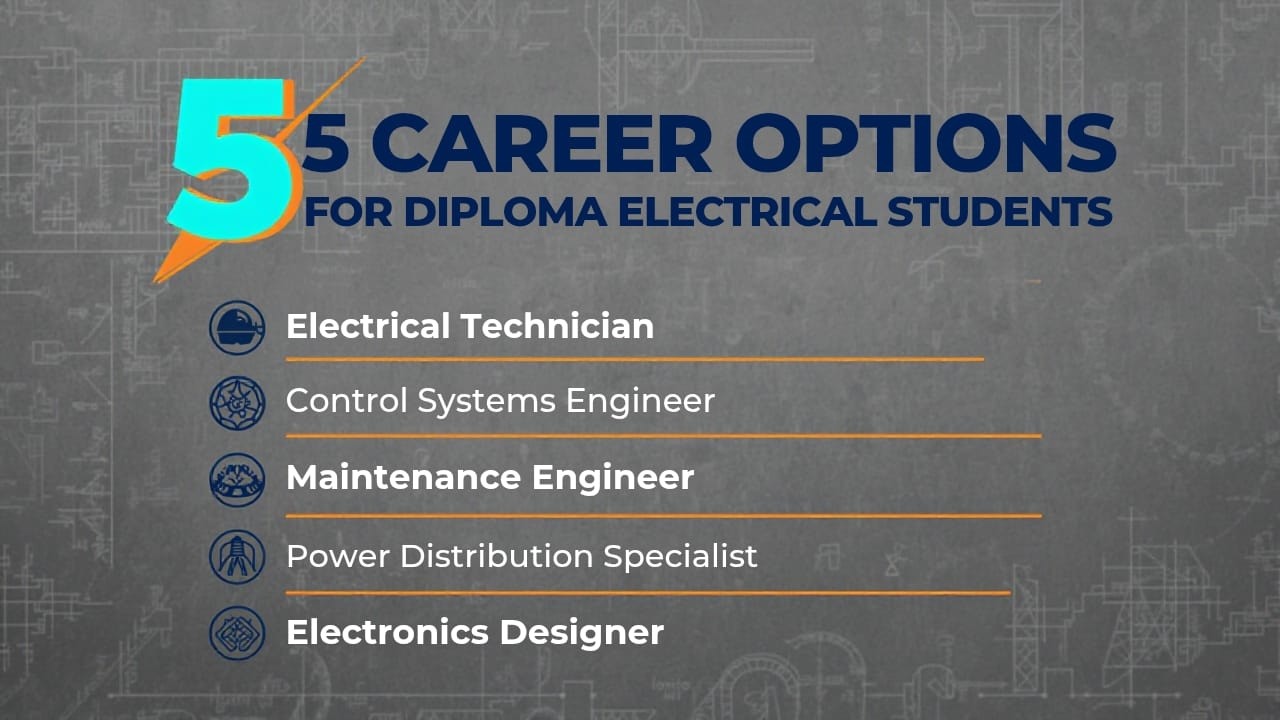
- Diploma electrical students can start with junior PLC, maintenance, panel design and electrical drafting roles without waiting for a degree.
- Learn ladder logic, digital and analogue I/O, sensors, contactors, relays, VFD basics and safe troubleshooting as one connected system.
- Use EPLAN or AutoCAD Electrical to create readable schematics, panel layouts, terminal plans and bills of materials.
- Build at least three demonstrable projects: motor sequencing, tank-level control and a fault-diagnostic panel package.
- Judge training by lab access, trainer feedback, project depth and interview evidence—not by certificates or placement promises alone.
Can Diploma Electrical Students Start PLC Automation Careers Without a Degree?
Yes. A degree can widen long-term options, but entry-level automation work is driven by what you can wire, program, document and diagnose safely. Begin with electrical basics: voltage, current, power, single- and three-phase systems, protection devices, relays, contactors, motors and control circuits. Then connect those ideas to PLC inputs and outputs. A useful beginner should be able to read a circuit, trace a signal from sensor to controller, explain why an output did not energise and make a controlled correction. Employers are more likely to trust a diploma candidate who shows a working mini-project, a clean drawing set and a sensible troubleshooting process than one who only lists software names. Keep studying further if it fits your goals, but do not treat the degree as permission to start learning. Begin with safe low-voltage training hardware, supervised labs and repeatable exercises now.

Which Job Paths Fit a Diploma Electrical Background?
Several paths are realistic. An automation technician assists with machine wiring, sensor checks, I/O testing and preventive maintenance. A junior PLC programmer edits and tests basic sequences under supervision. An electrical CAD drafter converts design information into schematics and panel documents. A panel design trainee selects components, prepares layouts and helps create bills of materials. Maintenance roles focus on restoring machines quickly while recording the real root cause. Students interested in electronics can also explore PCB, microcontroller and embedded-system work, although that is a separate specialisation from industrial PLC control. Choose one primary path and one supporting skill. For example, combine PLC programming with electrical drawings, or maintenance with VFD and motor-control knowledge. This creates a clearer portfolio than trying to claim expertise in PLC, SCADA, robotics, IoT, embedded systems and every CAD package at once.
| Target role | Core tools and knowledge | Portfolio evidence |
|---|---|---|
| Automation technician | PLC I/O, sensors, relays, contactors, VFD basics | Motor sequence with test checklist |
| Junior PLC programmer | Ladder logic, timers, counters, interlocks, HMI basics | Tank-level or conveyor simulation |
| Electrical CAD drafter | EPLAN or AutoCAD Electrical, symbols, cross-references | Complete schematic and terminal package |
| Panel design trainee | Component selection, layouts, protection, bill of materials | Panel layout tied to the circuit drawing |
| Maintenance technician | Measurement, fault isolation, safe restoration, reporting | Documented fault-injection exercise |
What PLC and Controller Skills Must You Practise?
Practise ladder logic until you can explain every rung. Start with normally open and normally closed contacts, coils, latches, timers, counters, comparisons and interlocks. Map physical push buttons, proximity sensors and level switches to digital inputs, then operate lamps, contactors or small training loads through outputs. Add analogue concepts such as 0–10 V and 4–20 mA only after digital logic is stable. Build motor start-stop, forward-reverse and sequential operation exercises, always including overload and emergency-stop logic. Learn how to create an I/O list, assign addresses, comment code, simulate a sequence and test one condition at a time. Controller brands differ, so transferable logic matters more than memorising one interface. Basic HMI screens, alarms and VFD commands are valuable next steps, but the PLC program should remain readable and safe when those layers are unavailable.

Why Do EPLAN and AutoCAD Electrical Matter?
Automation is not only code. A machine must also be documented so electricians, technicians and future engineers can understand it. EPLAN and AutoCAD Electrical help create standardised schematics, wire numbers, device tags, terminal plans, cable information, panel layouts and bills of materials. Learn symbols and drawing conventions before chasing automated features. Your portfolio should include a title block, page references, power and control circuits, PLC I/O pages, terminal details and a component list that agrees with the drawing. Good documentation reduces wiring mistakes and makes maintenance faster. It also demonstrates discipline: consistent tags, cross-references and revision notes show that you can work in a team. Use whichever package your target employers request, but understand that software buttons do not replace circuit knowledge. You should be able to print a drawing, follow the current path and explain the purpose of each protective and control device.
Which Troubleshooting, Maths and Project Skills Do Employers Test?
Interviewers often test the thinking behind the tool. They may present a motor that will not start and ask what you would check first. A strong answer separates power, protection, control supply, input status, program conditions and output hardware instead of changing parts randomly. Basic algebra, units, ratios and electrical calculations help with current, power, scaling and sensor ranges. Communication matters because breakdown work requires short, accurate handovers. Project management at junior level means defining inputs and outputs, breaking the task into steps, tracking versions, testing against a checklist and recording faults. Practise with a multimeter only under proper safety guidance and never bypass protective devices. Build the habit of observing, measuring, forming a hypothesis, testing safely and documenting the result. That method is useful across PLCs, panels, drives and embedded equipment.
What Is a Practical 12-Week PLC Automation Roadmap?
Weeks 1–2 should refresh electrical control circuits, safety, motors, relays, contactors and drawing symbols. Weeks 3–4 should cover PLC hardware, addressing and elementary ladder instructions. In weeks 5–6, complete a motor-sequencing project with interlocks, timers and a written I/O list. Weeks 7–8 should add sensors, analogue basics, alarms, an HMI screen and a simple VFD command. During weeks 9–10, create an EPLAN or AutoCAD Electrical package for the project, including schematics, terminal details and a bill of materials. In weeks 11–12, build a second application such as tank-level control, inject faults deliberately in a safe trainer, record your diagnostic steps and present the result. Keep code screenshots, drawings, a test sheet and a two-minute explanation video. The goal is not a collection of copied demos. It is a compact portfolio proving that you can design a sequence, wire or simulate it, test edge cases, locate faults and communicate what you built.
Trainer note: begin with one small working system and make it reliable. A clean I/O list, readable ladder program, correct drawing and recorded test process are stronger evidence than a large project you cannot explain.Get the Industrial Automation Brochure + Fees + Batch Dates on WhatsApp
Free 1:1 counselling. Placement track record. CMYKPY/PMKVY eligibility check.
💬 Get Brochure on WhatsApp📞 Call 7039169629About the author: Sunil. 15 yrs PLC/SCADA/EPLAN training.
Visit Our Centers
- Wagholi (Pune): 1st Floor, Laxmi Datta Arcade, Pune-Ahilyanagar Highway. Call 7039169629
- Hadapsar (Pune HQ): 1st Floor, Shree Tower, opp. Vaibhav Theater, Magarpatta. Call 7039169629
- Cidco (Chh. Sambhajinagar): Kalpana Plaza, opp. Eiffel Tower, N-1 Cidco. Call 7039169629
- Osmanpura (Chh. Sambhajinagar): S.S.C Board to Peer Bazar Road, near Jama Masjid. Call 7039169629
- Sangli: Shubham Emphoria, 1st Floor, Above US Polo Assn., Sangli-Miraj Rd, Vishrambag. Weekend batches available. Call 7039169629
FAQs
Is a diploma in electrical engineering enough for a PLC automation job?
It can be enough for junior technician, maintenance, drafting or supervised PLC roles when you also demonstrate electrical fundamentals, safe working habits and practical projects. Requirements vary by employer, so read actual job descriptions and keep upgrading your qualification and skills.
Which software should a diploma electrical student learn first?
Start with one PLC programming environment and either EPLAN or AutoCAD Electrical. Learn circuit reading and control logic alongside the software. Add HMI, SCADA or VFD tools after you can build and troubleshoot a basic PLC-controlled system.
What projects should I show in a PLC automation interview?
Show a motor-control sequence, a sensor-based application such as tank-level control, and a documented troubleshooting exercise. Include the I/O list, ladder code, schematics, bill of materials, test cases and a short explanation of faults you found.
How should I compare PLC automation institutes after diploma electrical?
Compare verified lab hours, access to real PLC and panel hardware, trainer feedback, batch size, drawing and troubleshooting coverage, original projects, assessment method and placement evidence. Ask for a live lab demonstration and recent anonymised outcomes; treat unverified salary or placement claims as unavailable rather than guaranteed.