PMC's 2026-27 budget has put a number on something Pune civil engineers have felt coming for a while: a serious, multi-layered infrastructure push. As reported around the budget announcement, the plan includes roughly 54 km of underground roads, riverfront development along the Mula-Mutha corridor, broader connectivity upgrades, housing projects linked to PMAY, and a zero-waste and sewage infrastructure push. Budgets can shift in execution and specific project scopes will get refined over the coming months, but the direction is clear - and it has a direct implication for anyone building a BIM career in this city right now.
Why underground infrastructure specifically needs BIM, not just AutoCAD
Surface roads are relatively forgiving - if a drawing is slightly off, a site engineer can usually adjust on the ground. Underground road corridors are not forgiving in the same way. Beneath the surface, a project like this has to account for existing water supply lines, sewage networks, stormwater drains, power cabling, telecom ducts and building foundations - often undocumented or inconsistently documented from decades of piecemeal construction. Coordinating all of that in flat 2D drawings is exactly the kind of work where clashes get discovered only after excavation has started, which is expensive and slow to fix. A 3D BIM-based coordination workflow - modelling existing and proposed utilities together and running clash detection in tools like Navisworks - is how modern infrastructure teams catch these conflicts on screen instead of on site.
What kind of job pipeline this realistically creates
Large civic infrastructure projects like this do not create a wave of hiring overnight. They typically move through phases: survey and existing-utility mapping first, design and BIM coordination next, then construction-phase site coordination roles as work actually begins. For a civil engineering student or early-career professional in Pune today, the useful takeaway is not "there is a job waiting tomorrow" - it is "the skills this pipeline will need are worth building now, ahead of the hiring curve", including:
- 3D coordination and clash detection experience (Navisworks), not just single-discipline modelling.
- Comfort working with survey and existing-utility data layered into a model, not only clean greenfield design.
- Basic familiarity with government tendering and documentation expectations for public infrastructure work, distinct from private residential or commercial projects.
Who actually hires for this kind of work
Civic infrastructure projects of this scale are rarely executed by the municipal corporation's own staff alone - they are typically won and delivered by private engineering, design and construction contractors and consultancies through a tendering process. That means the realistic entry point for most civil engineers is not a government job application, but a role at one of the private firms bidding for and executing this pipeline of underground road, riverfront and sewage infrastructure work.
Getting BIM-ready before the hiring curve arrives
The engineers who benefit most from a public infrastructure pipeline like this are the ones already comfortable with 3D coordination workflows by the time tendering and design work ramps up - not the ones starting from zero once job postings appear. Building Revit Structure and Navisworks coordination skills now, alongside a general understanding of how utility and infrastructure data gets modelled, is a genuinely useful head start.
How ABC Trainings fits into this
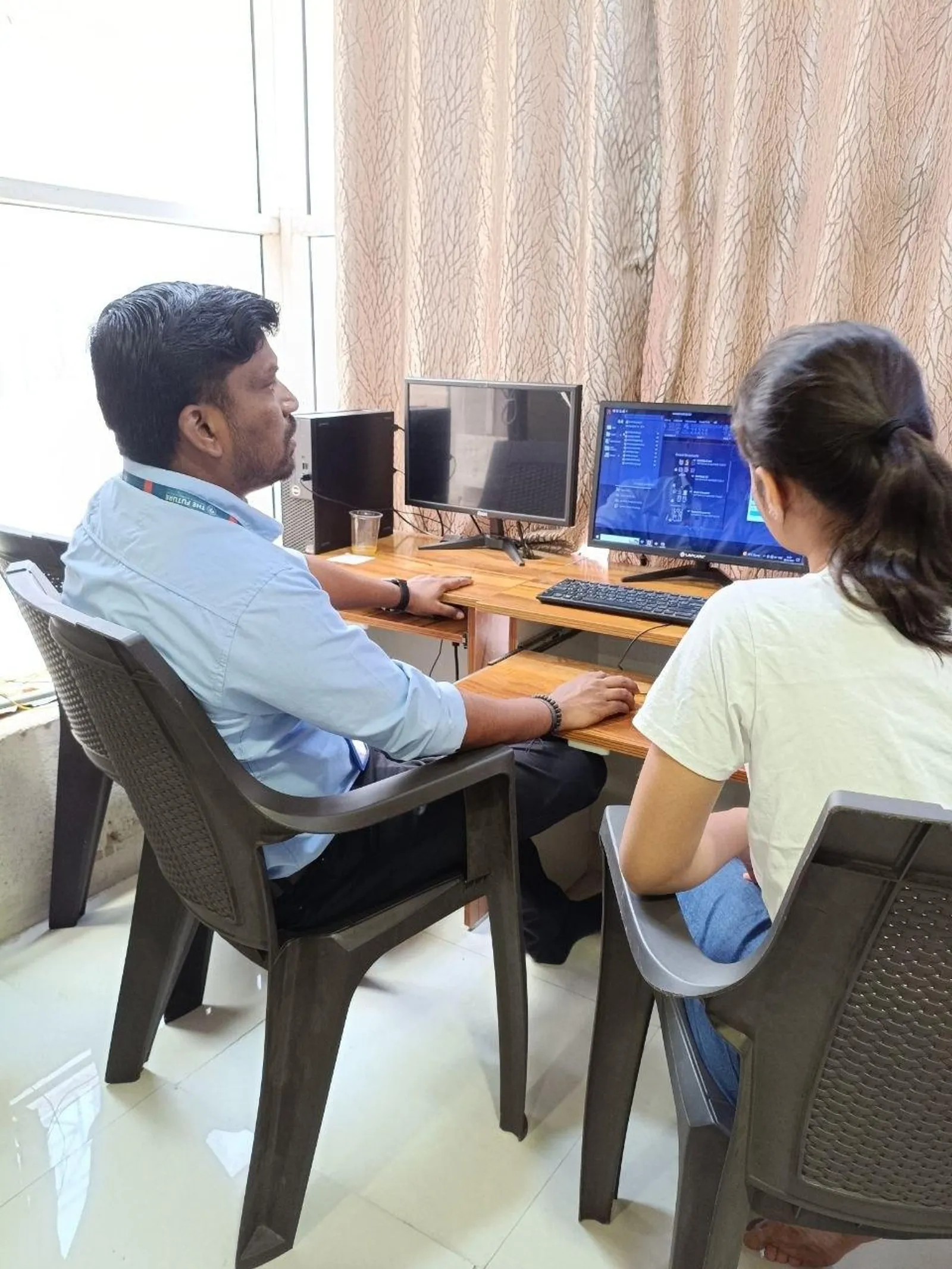
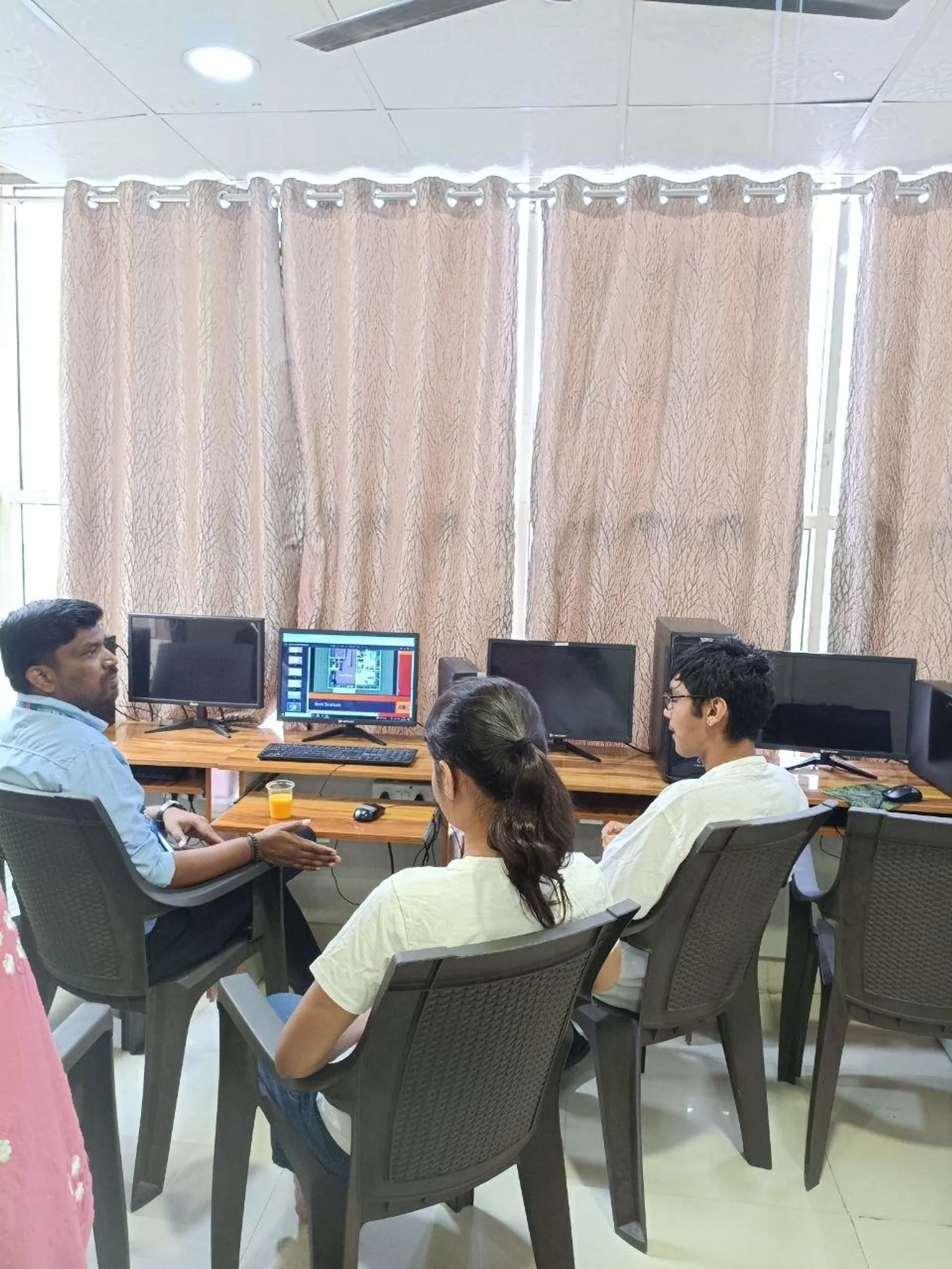
Our Wagholi and Hadapsar BIM programmes cover Revit Structure and Navisworks-based clash detection with real project files - the same core coordination skills that infrastructure-linked civic projects, including the kind of underground and utility-heavy work coming out of PMC's 2026-27 budget, actually require from entry-level engineers.
FAQs
What is actually in PMC's 2026-27 infrastructure budget?
As reported around the 2026-27 budget cycle, PMC's plan includes a multi-layered infrastructure and housing push - roughly 54 km of underground roads, riverfront development along the Mula-Mutha corridor, connectivity upgrades, housing under PMAY, and a broader zero-waste and sewage infrastructure push. Budget allocations and project scopes can shift during execution, so treat this as a planning signal rather than a fixed guarantee of any single project.
Why would underground road construction need BIM instead of regular 2D drafting?
Underground corridors involve dense, overlapping utilities - water lines, sewage, stormwater drains, power cabling and existing foundations - all in a confined 3D space. Coordinating these in 2D drawings alone is far more error-prone than modelling them together in a 3D BIM environment where clashes can be caught before excavation starts, not after.
Does this mean there will be lots of new BIM jobs in Pune right away?
Large civic infrastructure projects like this typically ramp up hiring in phases - planning and design first, then construction-phase coordination roles - over one to several years, not immediately. The realistic takeaway for students is to build strong BIM and Civil 3D-adjacent coordination skills now, so you are ready when tendering and design work for these projects picks up.
Do I need government engineering experience to work on PMC-linked infrastructure projects?
Not necessarily as a starting point. Most PMC-linked civil infrastructure work is executed by private contractors and consultancies who win tenders, and they hire BIM-trained civil engineers directly - a government job is one route in, but far from the only one.
Get a Free BIM Career Counselling Call
Free 1:1 counselling. Fees, batch dates and placement track record.
💬 WhatsApp 7774002496📞 Call 7039169629Visit Our Centers
- Wagholi (Pune): 1st Floor, Laxmi Datta Arcade, Pune-Ahilyanagar Highway. Call 7039169629
- Hadapsar (Pune HQ): 1st Floor, Shree Tower, opp. Vaibhav Theater, near Bloom Hotel, Magarpatta. Call 7039169629
- Cidco (Chh. Sambhajinagar): Kalpana Plaza, opp. Eiffel Tower, N-1 Cidco. Call 7039169629
- Osmanpura (Chh. Sambhajinagar): S.S.C Board to Peer Bazar Road, near Jama Masjid. Call 7039169629
- Sangli: Shubham Emphoria, 1st Floor, Above US Polo Assn., Sangli-Miraj Rd, Vishrambag. Weekend batches available. Call 7039169629