
Primavera P6 Training in Pune: Boost Your Civil Engineering Salary by 30–40% (Updated July 2026) (Updated July 2026)
Every metro rail project in India — Mumbai Metro, Pune Metro, Delhi Phase 4 — has a contractual clause requiring Primavera P6 for project scheduling and reporting. KPMG's 2025 Indian Infrastructure Survey found that 78% of large civil contractors (turnover above ₹500 crore) now mandate P6 for all planning engineers above the Junior Planner grade. The result: civil engineers who finish a Primavera training course earn 30–40% more than colleagues doing the same site work without planning software skills. At ABC Trainings in Wagholi, Pune, Business Manager Pratiksha Rachmale has guided hundreds of civil engineers through this exact salary upgrade. This guide covers what Primavera P6 actually does, which companies use it in India, what a trained planner earns, and how to get started with ABC Trainings' course.

- Primavera P6 is the industry standard for scheduling large infrastructure projects in India
- Used by L&T, Reliance Infra, Tata Projects, IRCON and all metro and airport contractors
- P6-trained engineers earn 30–40% more than site engineers without planning software skills
- Key skills: WBS creation, baseline scheduling, resource loading, S-curve reporting, delay analysis
- Free counselling available at ABC Trainings Wagholi — call +91 8698270088
- CMKVY fee subsidy of ₹6,000–₹10,000 available for eligible professionals
What is Primavera P6 and Why Do Infrastructure Projects Require It?
Primavera P6 is Oracle's enterprise project portfolio management software — the industry standard for scheduling and controlling large-scale construction and infrastructure projects worldwide. On a metro project, P6 manages thousands of activities: piling schedules, viaduct casting cycles, station fit-out, systems integration, trial runs. Each activity has predecessors, durations, resource assignments and budget allocations. The project director, planning engineer, and client's project management consultant all work from the same P6 schedule. Delays, variations and acceleration orders are recorded against the baseline. In India, P6 is specified in contract terms for all NHAI expressway projects, all metro rail projects under DMRC/MMRC/PMRDA, and all airport expansion works under AAI and GMR. Without P6 skills, a civil engineer simply cannot be hired into a planning role on these projects — regardless of their site experience.
Which Indian Companies Use Primavera P6 and What Roles Do They Hire For?
The companies that recruit Primavera-trained civil engineers in India span both contractors and consultants. On the contractor side: Larsen & Toubro (Infrastructure and Building & Factories divisions), Reliance Infrastructure (metro and power projects), Tata Projects (industrial and urban infrastructure), Afcons Infrastructure, Shapoorji Pallonji and HCC all have dedicated planning departments with P6 as the standard tool. On the consultant side: AECOM, Jacobs, Mott MacDonald and WSP hire planning engineers for project controls roles on their Indian PMC assignments. Even government agencies — IRCON for railway projects, NPCC for power and industrial work — use P6 for scheduling compliance reporting to funding agencies like the World Bank and ADB. Roles that require P6 include: Planning Engineer, Project Controls Engineer, Cost Engineer (with P6 integration), and Schedule Analyst.
What Does a Primavera P6 Course Teach? Core Modules Explained
A comprehensive Primavera P6 training covers both the tool and the project controls methodology behind it. Key modules in ABC Trainings' P6 course: (1) Project Setup — creating a new project in P6, defining the WBS (Work Breakdown Structure), entering the project calendar and working hours. (2) Activity Management — adding activities, assigning durations, defining relationships (Finish-to-Start, Start-to-Start, Lag), and building the network logic. (3) Baseline Scheduling — creating the approved baseline, running the critical path, identifying float. (4) Resource & Cost Loading — assigning labour, equipment and material resources to activities, setting rates and budgets. (5) Progress Tracking — updating actual start/finish, percentage complete, remaining durations. (6) Reporting — generating S-curves, Gantt charts, resource histograms and delay analysis reports in formats used by Indian clients and international lenders.
| Role | Experience | Salary Range | Key Employers |
|---|---|---|---|
| Junior Planning Engineer | 0–2 yr | ₹4.5–9 LPA | L&T, Tata Projects, IRCON |
| Planning Engineer | 3–5 yr | ₹8–14 LPA | Afcons, HCC, AECOM |
| Senior Planning Engineer | 5–8 yr | ₹14–22 LPA | Mott MacDonald, Jacobs, WSP |
| Project Controls Manager | 8+ yr | ₹22–35 LPA | PMCs, international JVs |
| Middle East / International | 3+ yr + P6 | ₹20–45 LPA equiv. | Gulf contractors, global PMCs |
Primavera P6 vs Microsoft Project: Which Should Civil Engineers Learn?
Microsoft Project (MSP) is the general project management tool — simpler to learn, used in IT projects and small construction jobs. Primavera P6 is built specifically for large, complex capital projects with thousands of activities, multiple calendars, resource pools and multi-level WBS hierarchies. For civil engineers targeting infrastructure work in India, P6 is the mandatory skill — not MSP. That said, knowing MSP as well doesn't hurt: some real estate developers and mid-size contractors use MSP for internal scheduling even when P6 is used for client reporting. If you must prioritise one, the answer for infrastructure-sector civil engineers is unambiguously P6. The salary premium, the company list, and the contractual requirements all point in one direction.
Civil Engineering Salaries with Primavera P6: What to Expect in 2026
In 2026, the salary data for Primavera-trained civil engineers in India: Junior Planning Engineer (0–2 yr, P6 certified): ₹4.5–7 LPA at mid-size contractors, ₹6–9 LPA at L&T/Tata/AECOM. Planning Engineer (3–5 yr, P6 + schedule analysis): ₹8–14 LPA. Senior Planning Engineer (5–8 yr, critical path + delay claims): ₹14–22 LPA. Project Controls Manager (8+ yr): ₹22–35 LPA. For comparison, a site civil engineer with 3–5 years of experience typically earns ₹6–9 LPA — the same range as a Junior Planning Engineer with only P6 training. The salary ceiling for planning careers is significantly higher, and P6 is the gateway skill to that trajectory. International project controls roles — in the Middle East, Southeast Asia and Africa — pay further premiums of 40–80% above Indian rates in USD/AED.
How to Start Learning Primavera P6 at ABC Trainings in Pune
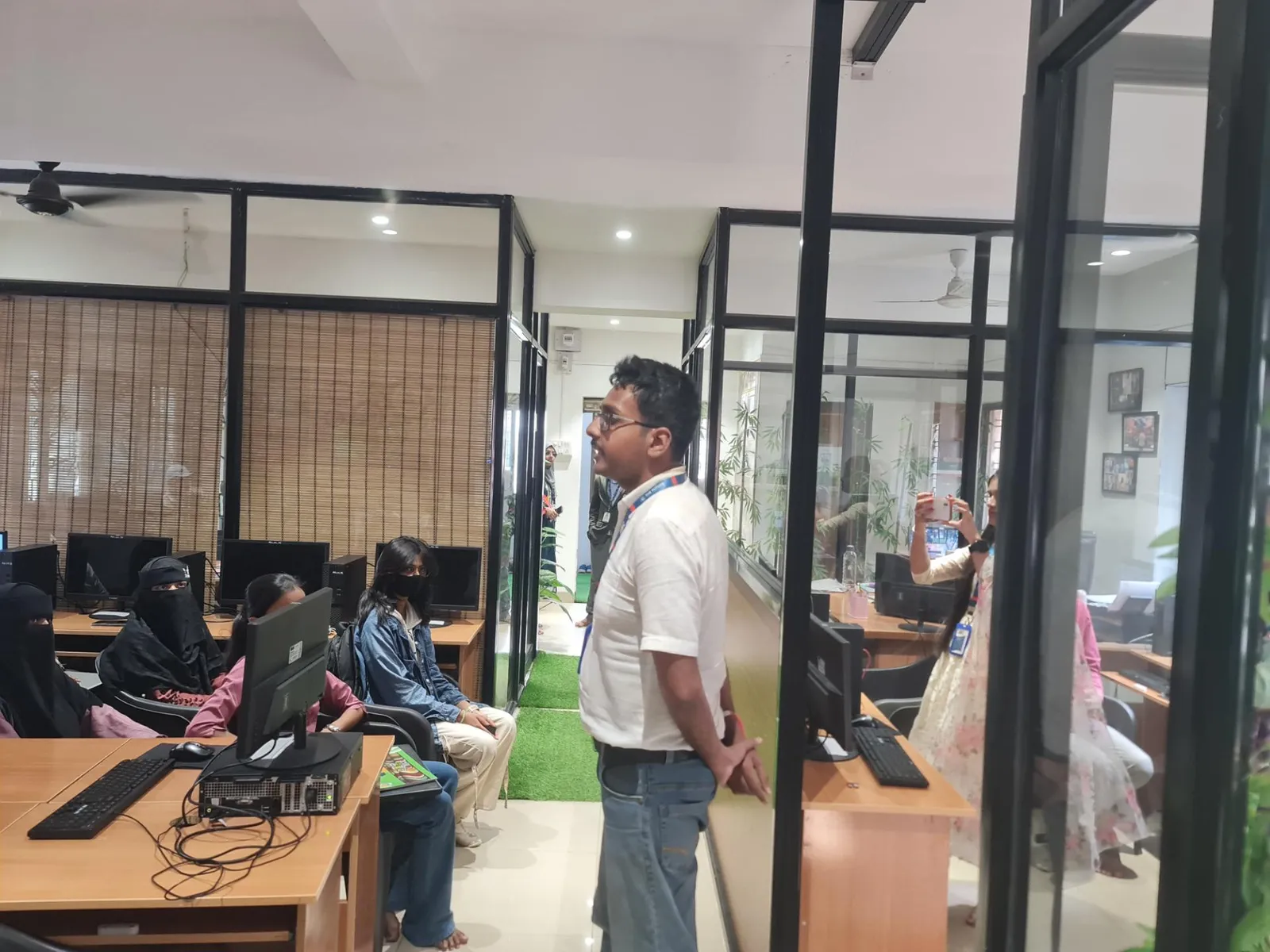
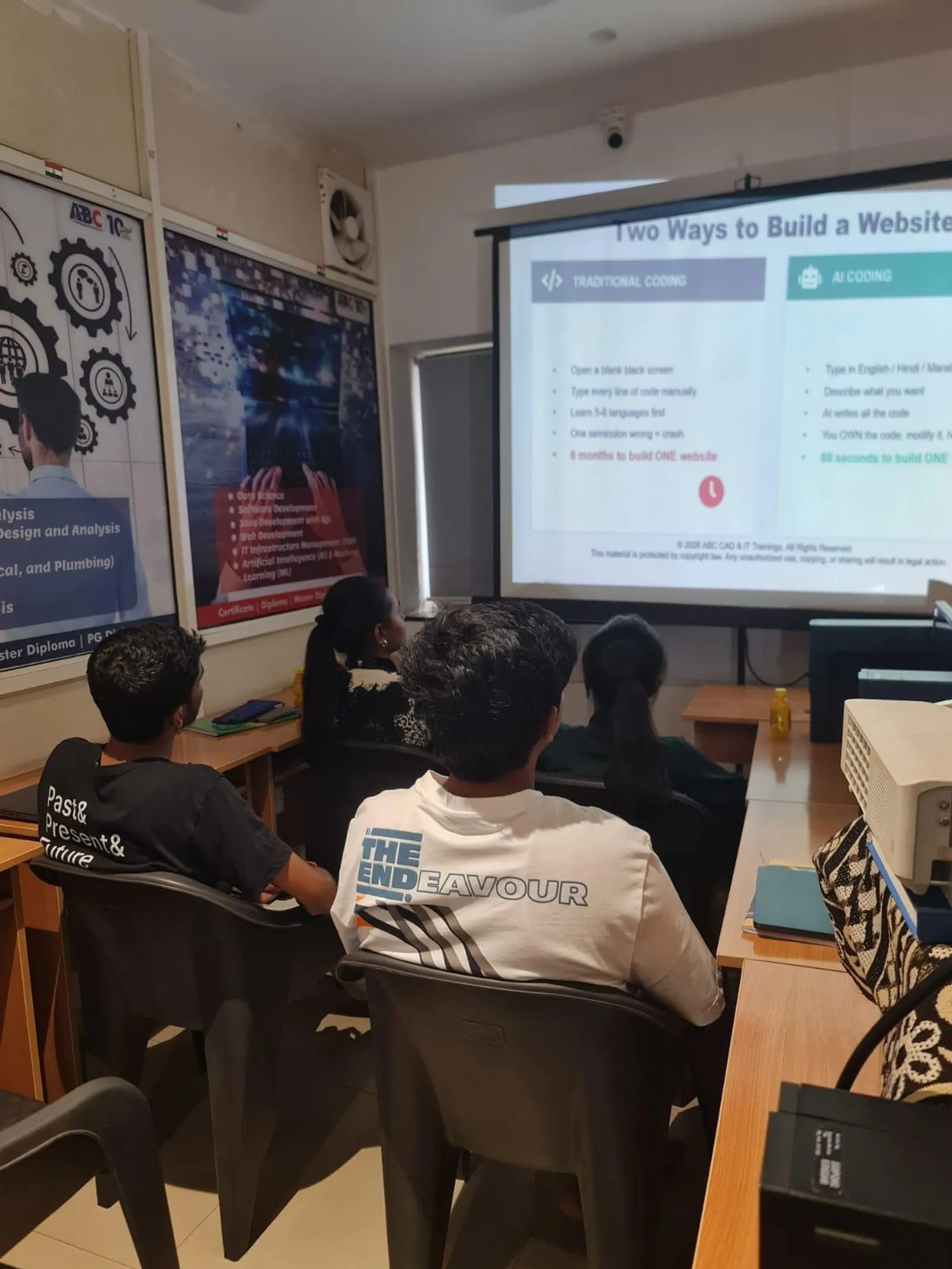
ABC Trainings runs Primavera P6 training in Wagholi, Pune with batches designed for both freshers and working professionals. The course covers project setup through to advanced reporting, with real-world infrastructure project data used for practice. Batches are kept small so every participant gets hands-on time on the software — not just observation. After completing the course, ABC Trainings' placement team connects graduates with its network of infrastructure contractors and consultants hiring planning engineers. To find out the current batch schedule, fee, and whether you qualify for the CMKVY government subsidy (₹6,000–₹10,000 off for eligible professionals), call +91 8698270088 or visit the centre at Laxmi Datta Arcade, Wagholi, Pune. The initial counselling session is free.
Government Training Subsidy Available: Primavera P6 training at ABC Trainings qualifies under the CMKVY scheme for eligible civil engineering professionals, with a fee subsidy of ₹6,000–₹10,000. This significantly reduces the cost of upskilling for working professionals and recent graduates. Seats under CMKVY are limited each batch — call +91 8698270088 to check your eligibility and reserve your place.
Get the Civil Brochure + Fees + Batch Dates on WhatsApp
Free 1:1 counselling. Placement track record. CMYKPY/PMKVY eligibility check.
💬 Get Brochure on WhatsApp📞 Call 7039169629About the author: Rahul Patil. 7 yrs training civil engineers at ABC Trainings, ex-L&T site engineer.
Visit Our Centers
- Wagholi (Pune): 1st Floor, Laxmi Datta Arcade, Pune-Ahilyanagar Highway. Call 7039169629
- Hadapsar (Pune HQ): 1st Floor, Shree Tower, opp. Vaibhav Theater, Magarpatta. Call 7039169629
- Cidco (Chh. Sambhajinagar): Kalpana Plaza, opp. Eiffel Tower, N-1 Cidco. Call 7039169629
- Osmanpura (Chh. Sambhajinagar): S.S.C Board to Peer Bazar Road, near Jama Masjid. Call 7039169629
- Sangli: Shubham Emphoria, 1st Floor, Above US Polo Assn., Sangli-Miraj Rd, Vishrambag. Weekend batches available. Call 7039169629
FAQs
Is Primavera P6 hard to learn for civil engineers without software experience?
Primavera P6 has a learning curve, but civil engineers who already understand project sequencing and scheduling concepts from site experience typically adapt faster than those without construction backgrounds. The core workflow — define WBS, add activities, assign resources, baseline, track progress — can be learned in 6–8 weeks of structured training. The harder part is developing judgment about schedule logic and delay analysis, which comes from practice with real project data. ABC Trainings uses Indian infrastructure project datasets in its P6 course so the learning is immediately applicable.
Which companies in India use Primavera P6 and what job titles should I target?
On the contractor side: L&T Infrastructure, Tata Projects, Afcons Infrastructure, HCC, Shapoorji Pallonji, NCC, Reliance Infrastructure. On the consulting and PMC side: AECOM, Mott MacDonald, Jacobs, WSP, Turner & Townsend (for large project controls roles). Government agencies: IRCON, NPCC, NHAI (through their PMC contractors). Target job titles: Planning Engineer, Project Controls Engineer, Schedule Analyst, Cost Controls Engineer, Senior Planner. All of these roles list P6 as a mandatory requirement in their job descriptions for mid and senior levels.
Can I learn Primavera P6 while working a full-time site job?
Yes — ABC Trainings designs its P6 batches to accommodate working professionals. Weekend and evening batches run at the Wagholi centre. The course is structured so you can complete it over 6–8 weekends without taking leave from your current job. This is important because many civil engineers learn P6 while still in their site role, use the new skill to apply internally for a planning position, and get the salary increase before they even change companies. Contact ABC Trainings at +91 8698270088 to confirm the current batch timings.
Does ABC Trainings provide placement support after the Primavera P6 course?
Yes. ABC Trainings has a placement assistance program that connects P6-trained graduates with its network of infrastructure employers and consulting firms. This includes resume review, LinkedIn profile optimisation for planning roles, and direct referrals to hiring managers at partner companies. Placement timelines vary — engineers with relevant site experience and a strong P6 portfolio typically receive interview calls within 4–8 weeks of course completion. The team also guides candidates on applying to Middle East and Southeast Asia roles for engineers interested in international project controls careers.