How to Start a Career in IT from Sangli: Complete Guide for Non-IT Graduates
If you're trying to start an IT career from Sangli, this guide is for you. Maybe you studied B.Com, B.Sc, BA, BCA, diploma, mechanical, civil, electrical, or even took a career break. You don't need to be a computer science topper to enter IT. Here's the thing: most companies care more about your practical skills than your degree title for entry-level roles. If you learn the right tools, build small projects, and prepare smartly, you can absolutely move into IT from Sangli in 2026.
I've trained beginners for years, and trust me, non-IT graduates often do very well because they come in serious, focused, and job-oriented. The good news is that IT has multiple entry points. You don't have to become a hardcore programmer on day one. Let's break it down step by step.
What is an IT career for a beginner?
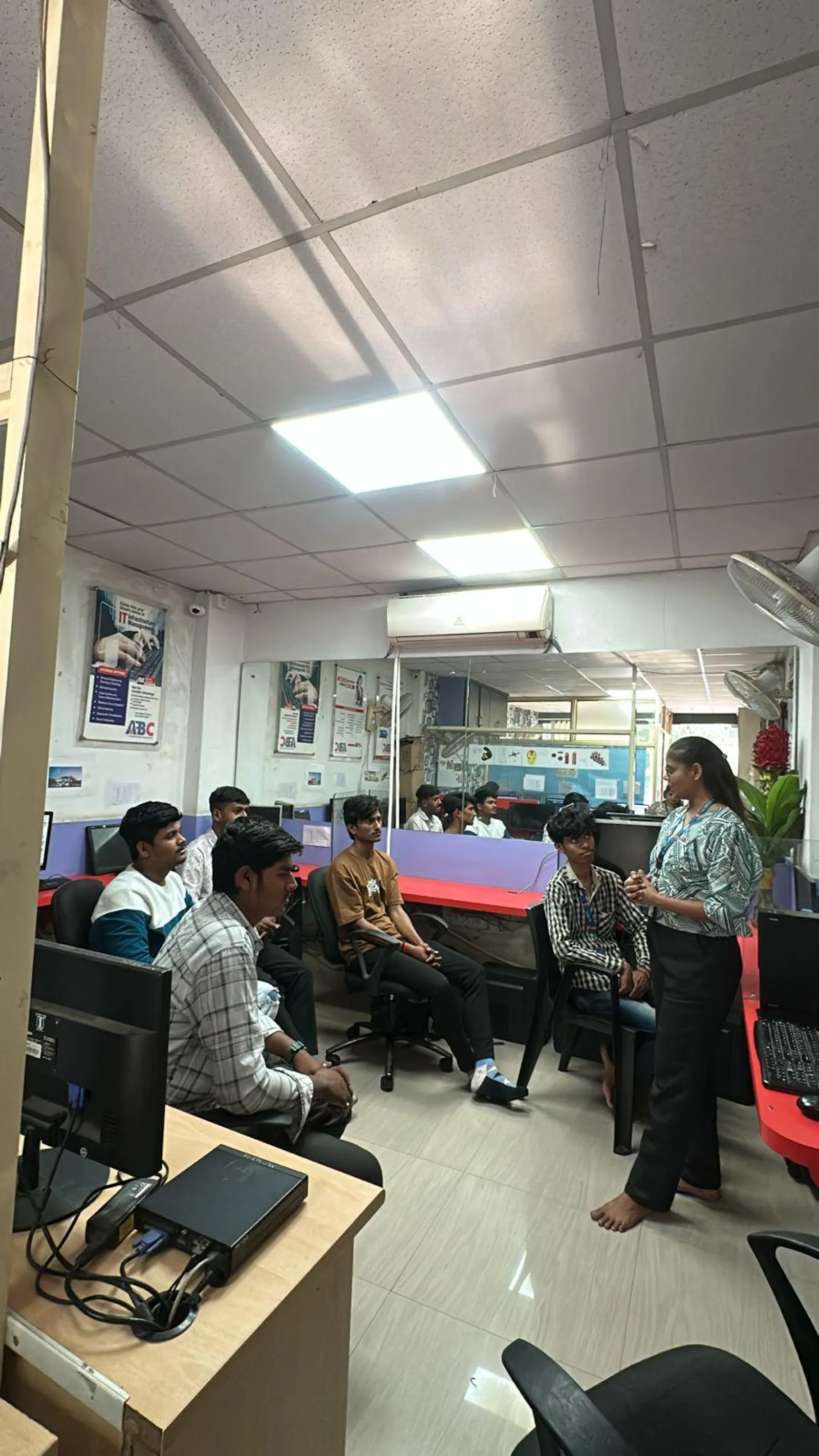
IT means working with software, data, systems, websites, testing, support, cloud tools, or business applications. For beginners from Sangli, the most practical starting roles are software testing, web development, Python support roles, data entry to SQL transition roles, technical support, IT helpdesk, and junior analyst positions.
Companies like Infosys, TCS, KPIT Technologies, Bosch, Siemens, and Tata Technologies hire people across different skill levels. Some jobs need coding. Some need problem-solving, Excel, SQL, communication, and tool knowledge. What most people don't realize is that IT is not one single job. It's a full field with many paths.
Why should non-IT graduates in Sangli learn IT skills?
First, job demand is still strong across Pune, Hinjawadi, Mumbai, Kolhapur, Sangli, Satara, and remote roles. Second, salary growth is usually better than many traditional fresher roles. A beginner in software testing or support may start around ₹2.2 lakh to ₹3.6 lakh per year. A junior web developer or Python trainee can start around ₹2.8 lakh to ₹4.5 lakh per year. After 2 to 4 years, many people move to ₹5 lakh to ₹8 lakh if their skills are solid.
Also, IT gives flexibility. You can work in service companies, product companies, manufacturing technology teams, hospitals, banks, or engineering firms. Mahindra Engineering, Bajaj Auto, L&T, Thermax, and Kirloskar all use software teams, ERPs, analytics tools, and automation systems. So even if you don't join a pure software company, IT skills still open doors.
Can a non-IT graduate really get into IT?
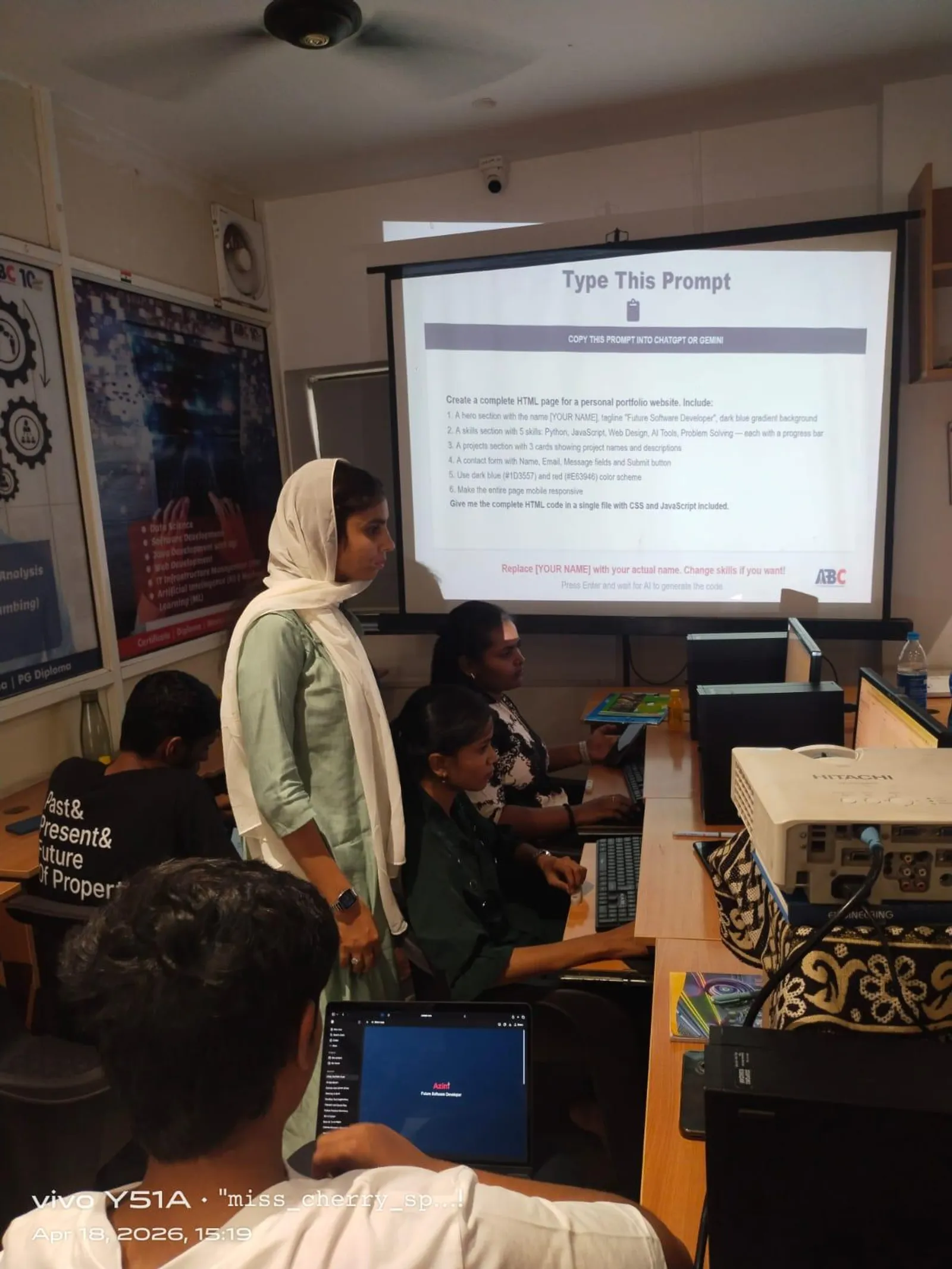
Yes, absolutely. But let's be practical. You'll need three things: basic technical skills, proof of work, and interview preparation. Degree alone won't carry you. At the same time, your non-IT background is not a permanent problem. I've seen commerce graduates move into testing, diploma students move into support, and mechanical graduates shift into software development after focused training.
The mistake many beginners make is trying to learn everything at once. Don't do that. Pick one job path first.
Which IT career path should you choose first?
Start with a path that matches your comfort level:
1. Software Testing
Best for beginners who are not confident in coding yet. You'll learn manual testing, bug reporting, test cases, SDLC, STLC, and later basic automation. Good starting option for many non-IT graduates.
2. Web Development
Good if you enjoy building things visually. Start with HTML5, CSS3, JavaScript, Bootstrap, then move to React or basic backend. You'll see results quickly, which keeps motivation high.
3. Python + SQL
Good for those who want coding but want a simple start. Python is beginner-friendly. SQL is required in many jobs. This combination works well for junior developer, analyst, and support roles.
4. Technical Support / IT Helpdesk
Good if you want to enter the industry fast. Learn operating systems, hardware basics, networking basics, ticketing systems, and communication.
If you're confused, software testing or Python + SQL are usually the easiest first steps for non-IT graduates in Sangli.
What should you learn first as a complete beginner?
Here's a simple order. Follow this and don't overcomplicate it.
Step 1: Learn computer basics
Start with Windows 11, file handling, typing, browser use, email writing, Google Drive, and MS Office or Microsoft 365 basics. Excel is especially important.
Step 2: Learn IT fundamentals
Understand what software is, how websites work, what databases do, what APIs are, and basic networking terms like IP address, server, client, and domain. Keep it simple.
Step 3: Pick one technical track
Choose testing, web development, Python + SQL, or support. Don't jump tracks every week.
Step 4: Practice on real tools
For testing, use Jira and Chrome DevTools. For coding, use Visual Studio Code, Python 3.12, MySQL 8.0, Git, and GitHub. For web development, use HTML, CSS, JavaScript, Bootstrap 5, and VS Code.
Step 5: Build 2 to 4 mini projects
This is where your confidence starts improving. A to-do app, student database project, login page, bug report sample set, or simple calculator app is enough to begin.
Step 6: Prepare for interviews
Practice self-introduction, project explanation, technical basics, and common HR questions. Record yourself speaking. It helps more than people expect.
What tools and software do you need to start?
You don't need an expensive setup. A basic laptop with 8 GB RAM, Windows 10 or Windows 11, stable internet, and headphones is enough for most beginner IT learning.
Useful beginner tools:
1. Visual Studio Code
2. Python 3.12
3. MySQL 8.0 Community Edition
4. Git and GitHub
5. Google Chrome
6. Jira basics for testing workflow
7. Microsoft Excel
8. Notion or Google Keep for notes
If you're going into support roles, add basic networking practice and remote desktop tools. If you're going into development, GitHub becomes very important because it shows your work publicly.
How many months does it take to become job-ready?
If you study seriously for 1.5 to 2 hours daily, most beginners can become ready for entry-level interviews in 4 to 8 months. If you're learning while doing college or a job, it may take 6 to 10 months. The speed depends on consistency, not magic.
Trust me, one focused roadmap for 6 months beats random YouTube learning for 18 months. The good news is that you don't need to master everything before applying. You need enough skill to clear a fresher interview and perform on basic tasks.
What does a simple 6-month roadmap look like?
Month 1
Computer basics, typing, Excel, internet basics, software concepts.
Month 2
Choose your track. Start Python basics or manual testing or HTML/CSS/JavaScript.
Month 3
Practice daily. Learn SQL basics. Start one mini project.
Month 4
Complete second project. Learn GitHub, resume building, LinkedIn profile setup.
Month 5
Mock interviews, aptitude basics, communication practice, project explanation.
Month 6
Apply for internships, trainee roles, junior jobs in Sangli, Kolhapur, Pune, and remote openings.
How should you build a resume if you're from a non-IT background?
Keep it clean and simple. Add your degree, technical skills, tools, projects, certification or training, and one strong summary. Don't hide your background. Position it smartly. Example: “Non-IT graduate transitioning into software testing with hands-on practice in test cases, bug reporting, SQL basics, and Jira workflows.”
Add projects even if they're small. Recruiters want proof that you've done something practical. A good fresher resume is often stronger than a weak degree profile with no projects.
Where should Sangli students apply for jobs?
Start with LinkedIn, Naukri, Indeed, Internshala, and company career pages. Search for roles in Sangli, Kolhapur, Pune, Pimpri-Chinchwad, Mumbai, and remote. Look for titles like trainee software tester, junior web developer, Python trainee, IT support executive, MIS executive, and junior data analyst.
If you want structured guidance, ABC Trainings also helps beginners from Sangli understand which path fits them before they waste months on the wrong course. You can call 8698270088 or WhatsApp 7774002496 to ask about beginner-friendly IT training options.
What mistakes should beginners avoid?
Don't keep collecting certificates without skills. Don't switch from Python to Java to data science to cloud every month. Don't ignore communication. And don't wait until you feel “fully ready.” What most people don't realize is that job growth starts after your first break, not before it.
Also, avoid copying projects blindly. If you can't explain your own project, interviewers will know immediately.
What is the best way to start from Sangli right now?
Start small, but start properly. Pick one path. Learn the basics. Use real tools. Build projects. Practice interviews. Apply consistently. That's the formula.
Here's the thing: your location is not the real barrier anymore. Your clarity and consistency are. Sangli students are already moving into Pune and remote IT roles because companies care about skill, attitude, and proof of work. If you want a practical roadmap with trainer support, ABC Trainings can help you plan your first step instead of guessing. Call 8698270088 or WhatsApp 7774002496.
Can I start an IT career from Sangli after B.Com or BA?
Yes, you can. Many entry-level IT roles do not require a B.Tech or B.E. if you have practical skills. Start with software testing, web development, Python basics, SQL, or support roles, then build projects and apply for trainee jobs in Pune, Kolhapur, and remote openings.
Which IT course is best for non-IT graduates in Sangli?
For most beginners, software testing, Python with SQL, or web development are the safest starting options. These paths are easier to understand than advanced fields like cloud or data science at the beginning. Choose based on your interest, comfort with coding, and job timeline.
How much salary can a fresher get in IT after training?
In Maharashtra, freshers usually start between ₹2.2 lakh and ₹4.5 lakh per year depending on the role, city, and skill level. Pune often offers better packages than smaller cities, but remote jobs can also be competitive. Strong projects, communication, and interview preparation can make a clear difference.
Do I need coding to get my first IT job?
Not always. Roles like manual testing, IT support, helpdesk, and some operations jobs need little or no coding at first. But learning at least basic SQL and simple programming logic will help you grow faster and open more job options later.
Visit Our Centers
Sangli
Sangli Branch
2nd Floor, Vasant Market, Opp. City High School, Sangli, Maharashtra 416416
Start Your Career Journey Today
Join 10,000+ students who transformed their careers with ABC Trainings.
💬 WhatsApp: 7774002496📞 Call: 8698270088