Python is one of the most searched programming skills in India, but here's the thing: most students only learn the surface-level definition and never really understand how Python works in real project environments. If you've already seen basic print statements, variables, and simple programs, this guide will take you deeper into the core concepts behind Python, where it's used, and the power-user habits that actually matter when you're preparing for jobs in Pune, Chhatrapati Sambhajinagar, Sangli, or remote roles across India in 2026.

Trust me, if you understand Python properly at this stage, you'll learn data analysis, automation, testing, web development, and AI much faster later. That's exactly why trainers at ABC Trainings push students to go beyond syntax and start thinking like developers from day one.
What is Python and why is it still so popular in India?
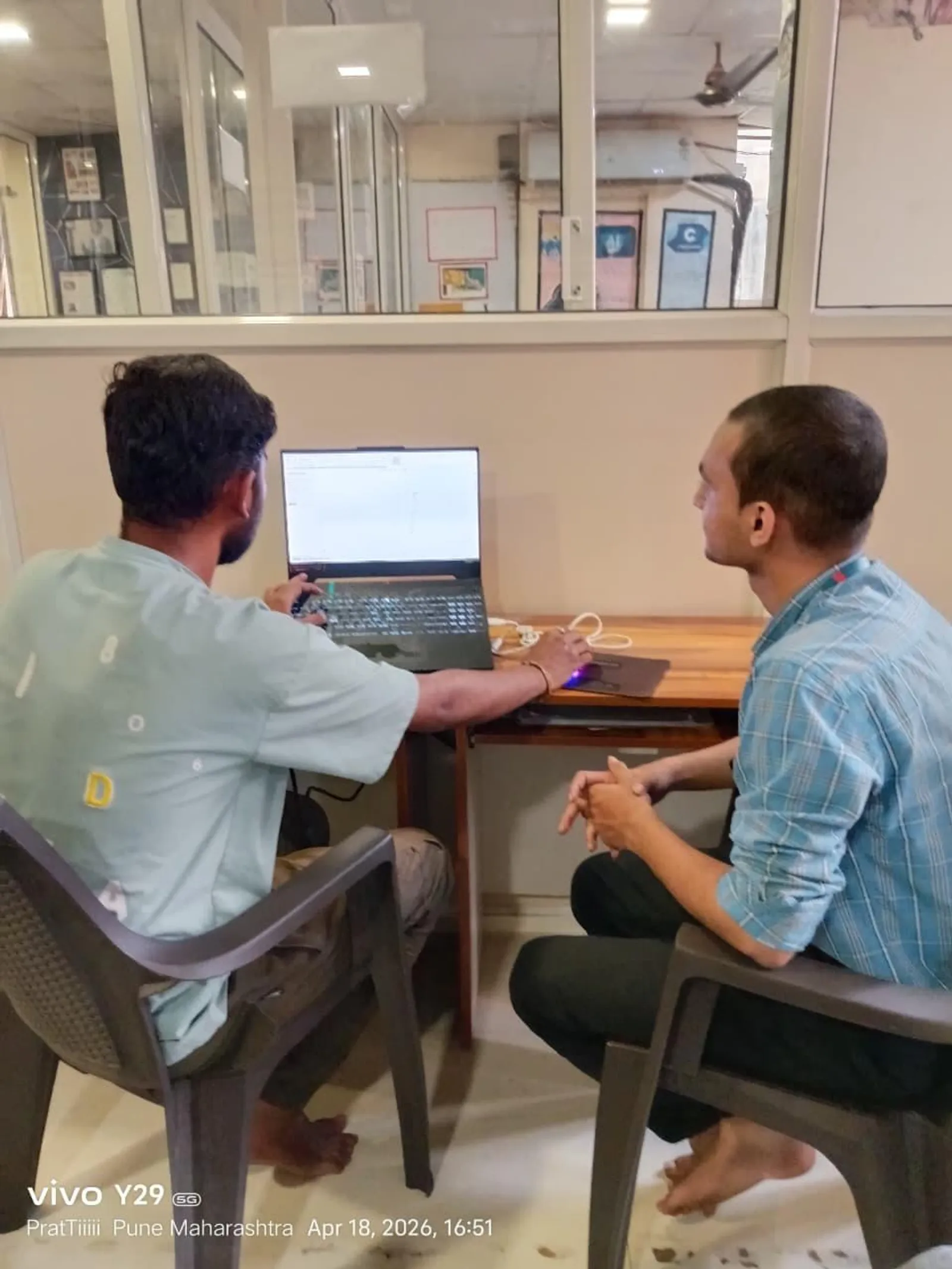
Python is a high-level, interpreted programming language designed to be readable, flexible, and fast to learn. The good news is, that simplicity doesn't make it weak. It makes Python practical. That's why companies like Infosys, TCS, KPIT Technologies, Bosch, Siemens, and Tata Technologies use Python in automation, testing, data handling, scripting, analytics, and AI workflows.
What most people don't realize is that Python's popularity comes from three things: clean syntax, a huge library ecosystem, and low setup friction. You can write a useful automation script in an hour, process Excel files without manual effort, or build the base of a machine learning project without writing hundreds of lines of code.
For Indian students, Python is often the first serious language because it connects well with multiple career tracks: software development, data science, AI/ML, DevOps, QA automation, and even engineering automation in companies like Mahindra Engineering, Thermax, and Kirloskar.
How does Python actually work behind the scenes?
If you want to move beyond beginner level, you need to know the difference between writing Python code and executing Python code. Python is interpreted, which means your code is run through the Python interpreter. In CPython, which is the standard implementation most people use, your source code is first compiled into bytecode and then executed by the Python virtual machine.
Why does this matter? Because once you understand this flow, common issues start making sense. Version mismatch, package conflicts, environment errors, and performance limitations become easier to troubleshoot. Instead of saying, “Python is not working,” you'll know whether the problem is with the interpreter, PATH setup, package installation, or the script itself.
For advanced beginners, this is a key shift. Stop treating Python like a magic black box. Treat it like a toolchain.
Which Python version should you use in 2026?
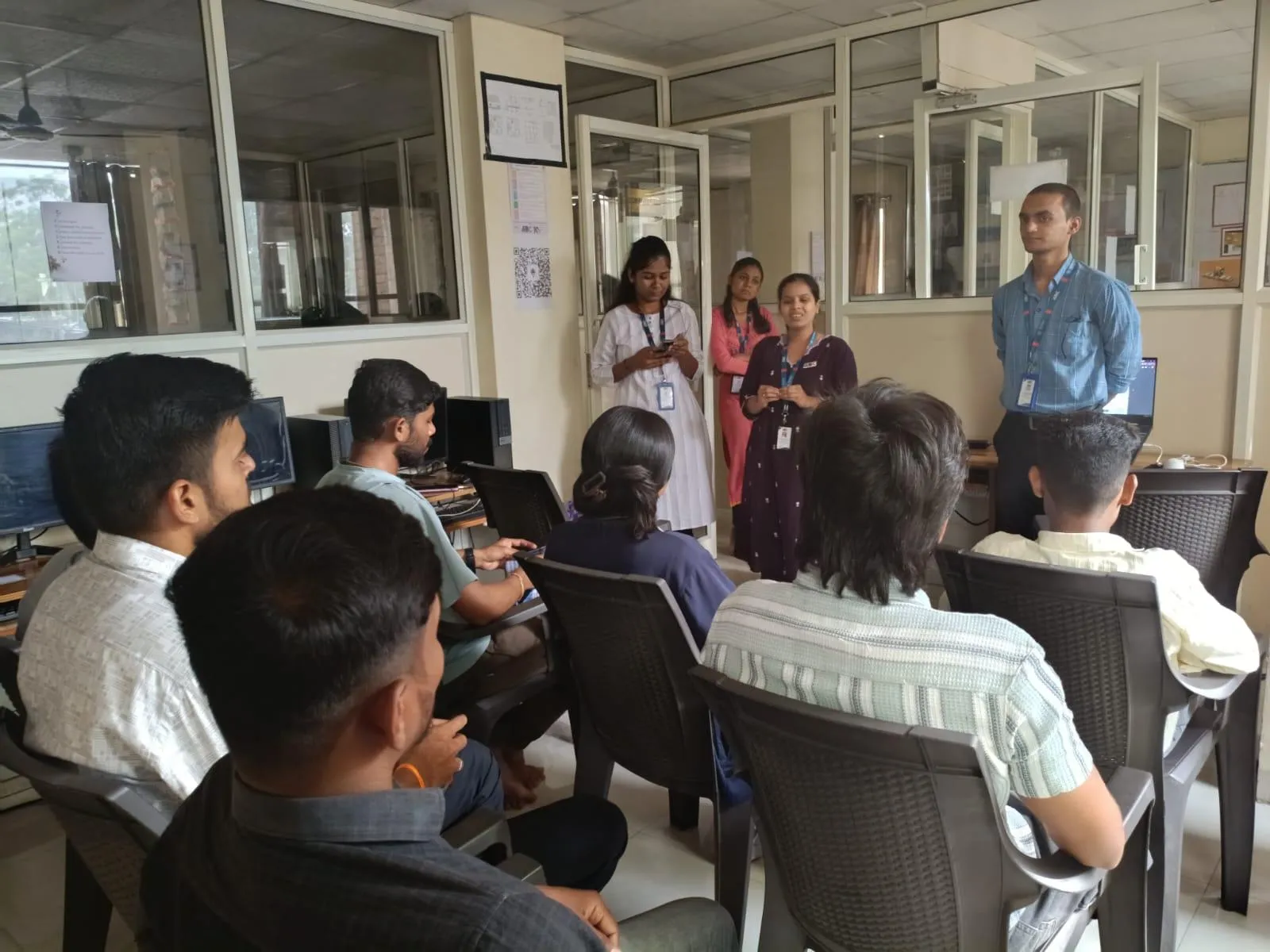
Use Python 3 only. That's non-negotiable for current learning and job preparation. In 2026, most training setups, interview tasks, and project environments are built around Python 3.11 or Python 3.12. If you're learning through local practice on Windows, install the latest stable Python 3 release and confirm it from terminal using python --version or py --version.
Here's a professional tip: don't just install Python and start coding randomly. Set up your environment properly. Use:
- VS Code for coding
- Python extension for linting and debugging
- virtual environments for project isolation
- pip for package management
- Git for version control
This is the difference between casual learning and industry-ready learning. At companies like Siemens or L&T, nobody wants a fresher who only knows how to run a file from IDLE.
What are the core Python concepts you must understand deeply?
If you've learned the basics, now go one layer deeper into these concepts:
- Variables and dynamic typing: Python doesn't require explicit type declarations, but that means you must be careful about type conversion and runtime errors.
- Data types: Know when to use list, tuple, set, and dictionary. This affects speed, memory, and logic clarity.
- Control flow: if statements, loops, and match-case logic should be written cleanly, not just made to work.
- Functions: Learn parameters, return values, scope, default arguments, and why reusable functions matter in larger programs.
- Modules and packages: Understand the difference between Python's built-in modules and external libraries installed through pip.
- Exception handling: Real code fails. Professionals use try-except carefully instead of letting programs crash on common input errors.
- File handling: Reading CSV, TXT, JSON, and log files is one of the most practical skills for jobs.
What most people don't realize is that strong basics are what make advanced Python easier. Students who rush into AI libraries without understanding functions, loops, and data structures usually get stuck fast.
Where is Python used in real jobs across Maharashtra?
Python is not limited to one industry. That's exactly why it's such a smart skill to build. In Pune, Python is used heavily in IT services, analytics teams, automation support, and AI-based projects. In Chhatrapati Sambhajinagar and Sangli, students often use Python to move into software roles, testing roles, data-related jobs, or internship tracks that lead to bigger city opportunities.
Here are common use cases:
- Automation scripts for repetitive office tasks
- Data cleaning and reporting using pandas
- Backend development with Django or Flask
- Test automation with Selenium and pytest
- Machine learning with scikit-learn and TensorFlow
- API handling and JSON processing
- Engineering calculations and reporting tools
Entry-level Python-related salaries in Maharashtra often start around ₹2.8 lakh to ₹4.5 lakh per year for support, testing, or junior development roles. Stronger candidates with project work in automation, backend, or data can reach ₹5.5 lakh to ₹8 lakh in Pune. Specialized AI or data profiles can go much higher with experience.
How do professionals write Python more efficiently?
This is where advanced beginner training really matters. Trust me, professional Python is not about writing longer code. It's about writing clearer code faster.
- Use meaningful variable names:
student_countis better thanx. - Break code into functions: don't dump everything into one script.
- Use list comprehensions carefully: great for cleaner code, but don't overcomplicate readability.
- Read error messages fully: Python usually tells you exactly where the problem is.
- Use virtual environments: each project should have isolated dependencies.
- Format code consistently: follow PEP 8 style standards.
- Comment intent, not obvious code: explain why, not every tiny step.
One more thing: start using the debugger in VS Code. Most beginners overuse print statements. Debugging with breakpoints helps you inspect variables, step through logic, and solve problems much faster.
What should you learn after Python basics?
That depends on your goal. Python is a base skill, not the final destination. Once your core concepts are clear, choose a direction:
- For data analysis: NumPy, pandas, matplotlib, SQL
- For web development: Flask or Django, APIs, databases
- For automation/testing: Selenium, pytest, requests
- For AI/ML: pandas, scikit-learn, TensorFlow, model basics
- For general software roles: OOP, file handling, APIs, Git, problem solving
Here's the thing: don't try to learn everything at once. Build one path properly. A student who knows Python plus one practical domain well will usually perform better in interviews than someone who has touched ten tools superficially.
How should Indian students practice Python the right way?
The best Python learners don't just watch tutorials. They build small working programs. That's where confidence comes from. Create projects like expense trackers, student result processors, file renamers, CSV report generators, attendance tools, calculator apps, or simple API-based dashboards.
If you're serious about jobs, make sure your practice includes:
- daily coding for 45 to 60 minutes
- one mini project every 2 to 3 weeks
- GitHub uploads
- basic debugging practice
- command line execution
- library installation and environment setup
The good news is, Python has one of the fastest learning curves for practical output. With guided training and consistent practice, many students can go from zero to project-ready in a few months. If you want structured Python learning in Maharashtra, ABC Trainings can help you build that path clearly. Call 7039169629 or WhatsApp 7774002496 for course details.
Why does Python remain a smart long-term skill in 2026?
Because Python sits at the intersection of software, data, automation, and AI. Technologies change, frameworks change, hiring trends shift, but Python keeps showing up. That's why students from mechanical, civil, electrical, and IT backgrounds all keep coming back to it.
At firms like Bajaj Auto, Bosch, Tata Technologies, and KPIT Technologies, employees who can automate reporting, process data, connect APIs, or support software workflows with Python often stand out quickly. You don't need to become a senior developer on day one. You need to become useful. Python helps you do that faster than most languages.
Is Python enough to get a job in Pune in 2026?
Python alone is a strong start, but usually not enough by itself for better-paying roles. You should pair it with one domain like data analysis, web development, testing, or AI basics. In Pune, employers want practical skills, small projects, and clean problem-solving ability. If you combine Python with Git, SQL, and one project area, your profile becomes much stronger.
Which is better for Indian students: Python or Java?
It depends on your goal. Python is easier to start with and is excellent for automation, data, AI, and quick scripting. Java is still strong for enterprise software roles, but Python gives faster results for beginners and non-CS students. If you're confused, start with Python, build logic, then learn Java later if your job path needs it.
Can non-IT students learn Python easily?
Yes, and many do. Students from mechanical, civil, electrical, and diploma backgrounds often learn Python successfully because the syntax is simpler than many other languages. The key is to practice consistently and not skip fundamentals like variables, loops, functions, and file handling. With proper guidance, non-IT students can use Python for automation, analytics, and entry-level software roles.
How long does it take to become confident in Python?
If you practice seriously for 45 to 60 minutes daily, you can become comfortable with core Python in 6 to 10 weeks. Becoming job-ready usually takes longer because you also need projects, debugging skills, and one specialization area. Students who only watch videos progress slowly, while students who code daily improve much faster. That's why structured practice matters more than passive learning.
Visit Our Centers
Chhatrapati Sambhajinagar
Corporate Office (HQ)
2nd Floor, Kandi Towers, Jalna Road, Amarpreet Chowk, Chhatrapati Sambhajinagar, Maharashtra 431001
Osmanpura Branch
Plot No 14, Shanya Sect, Near Sant Eknath Rang Mandir, Osmanpura, Chhatrapati Sambhajinagar, Maharashtra 431005
CIDCO Branch
Plot No 4, N-3, Cidco, Opp. High Court, Chhatrapati Sambhajinagar, Maharashtra 431003
Pune
Wagholi Branch
1st Floor, ABC Trainings, Laxmi Datta Arcade, Pune - Ahilyanagar Hwy, Wagholi, Pune, Maharashtra 412207
Hadapsar Branch
Bloom Hotel, ABC Trainings 1st Floor, S.no 156/3 Shree Tower Pune - Solapur Rd, Hadapsar, Pune, Maharashtra 411028
Sangli
Sangli Branch
2nd Floor, Vasant Market, Opp. City High School, Sangli, Maharashtra 416416
Start Your Career Journey Today
Join 10,000+ students who transformed their careers with ABC Trainings.
💬 WhatsApp: 7774002496📞 Call: 7039169629