Where Are They Now? What Happens to ABC Trainings' BIM Graduates 2-4 Years Out (2026)
Most of what gets written about BIM training — including plenty of what we've published ourselves — focuses on the first job: the placement process right after the diploma and the entry-level salary that comes with it. What that leaves out is the more useful question a serious student should be asking: what does this career actually look like a few years in, once the first job is behind you?
Year One: Modeler, Learning the Real Job
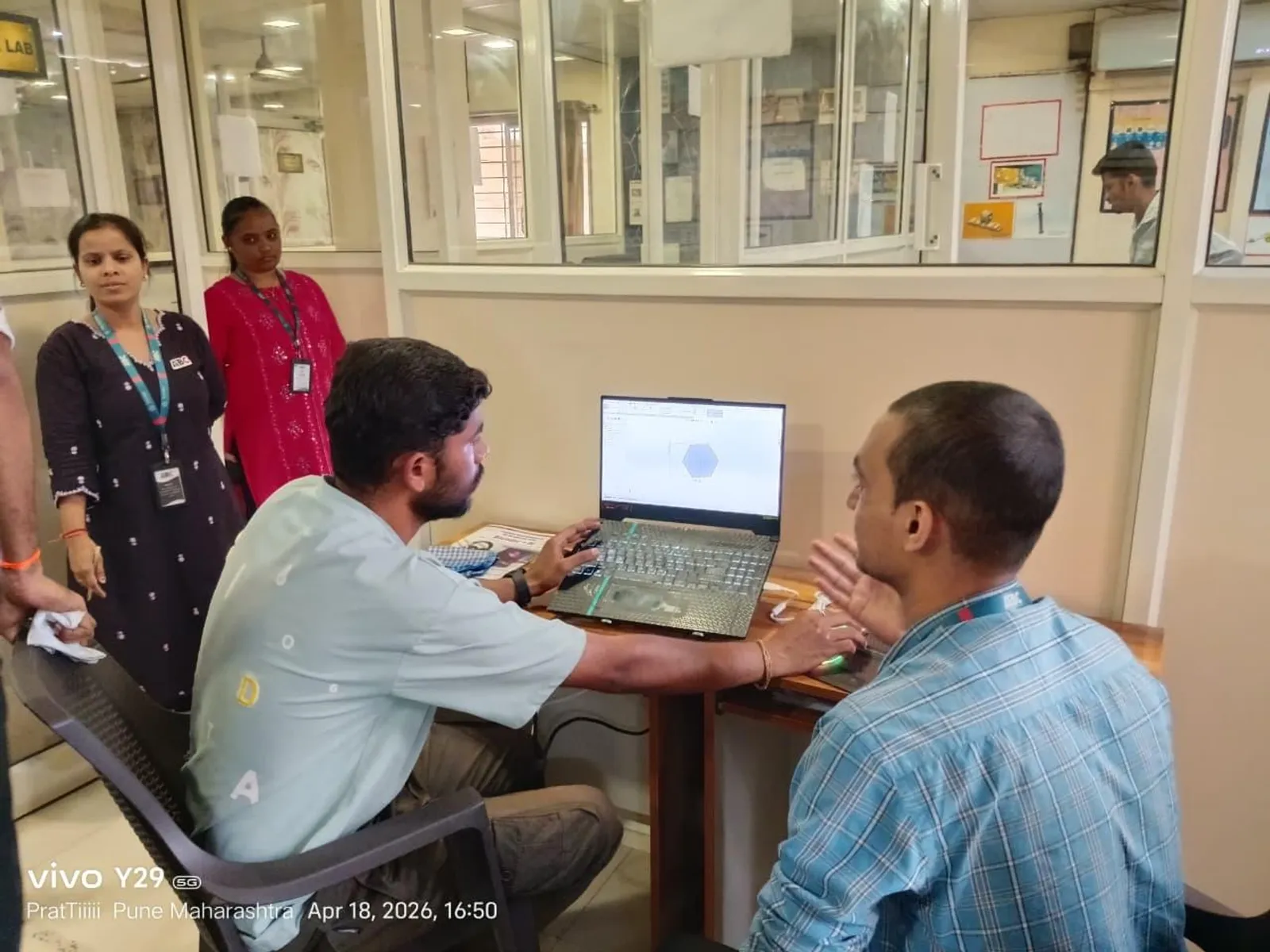
The first year for most graduates is spent as a Revit modeler or junior BIM technician — building out architectural, structural or MEP models under supervision, learning firm-specific standards and drawing conventions that no course can fully replicate. This is also where the gap between "what I learned in class" and "what the job actually needs" closes fastest, usually within the first three to six months on the job.
Year Two to Three: Specialization Starts to Matter
By the second or third year, engineers who've stayed in BIM roles typically start narrowing into one of a few directions — coordination and clash detection using Navisworks, a move toward MEP-specific modeling, structural detailing, or in some cases quantity surveying using Revit-based takeoff. This is usually also when the first real salary jump happens, tied less to tenure and more to whether someone has actively picked up a second, complementary skill beyond core Revit modeling.
Year Three to Five: The Fork in the Road
Some engineers move toward BIM coordination or BIM management roles, taking on model-checking, clash resolution ownership and coordination with other consultants. Others move sideways into site-adjacent roles where BIM knowledge is a strong asset rather than the core job — site engineering or project execution roles where being able to read and query a coordinated model is a real advantage over someone who can't. Both paths are legitimate outcomes; which one suits a given person depends more on whether they prefer desk-based coordination work or site-based execution work than on which one pays more.
What This Means If You're Deciding Whether to Enroll
The honest answer is that the diploma is a starting point, not a finish line — what happens in years two through five depends heavily on whether a graduate keeps building specific, additional skills (Navisworks coordination, a specialization like MEP or structural detailing, or increasingly Dynamo automation) rather than staying at the same modeling-only skill level they left the course with. Students deciding between institutes should ask not just about first-job placement rates, but whether the curriculum pushes students toward one of these specializations rather than stopping at generalist Revit modeling.
Get Brochure + Fees + Batch Dates on WhatsApp
Free 1:1 counselling. Placement track record. CMYKPY/PMKVY eligibility check.
💬 WhatsApp 7774002496📞 Call 7039169629Visit Our Centers
- Wagholi (Pune): 1st Floor, Laxmi Datta Arcade, Pune-Ahilyanagar Highway. Call 7039169629
- Hadapsar (Pune HQ): 1st Floor, Shree Tower, opp. Vaibhav Theater, near Bloom Hotel, Magarpatta. Call 7039169629
- Cidco (Chh. Sambhajinagar): Kalpana Plaza, opp. Eiffel Tower, N-1 Cidco. Call 7039169629
- Osmanpura (Chh. Sambhajinagar): S.S.C Board to Peer Bazar Road, near Jama Masjid. Call 7039169629
- Sangli: Shubham Emphoria, 1st Floor, Above US Polo Assn., Sangli-Miraj Rd, Vishrambag. Weekend batches available. Call 7039169629