Why AI Is Replacing Traditional Coders — and What Smart Engineers Are Doing About It (Updated June 2026) (Updated June 2026)
TCS cut 12,000 jobs in July 2025. Infosys followed with significant bench reductions. And AI tools like GitHub Copilot, Cursor, and Claude are now writing production-quality boilerplate code faster than any junior developer. It's tempting to read those headlines and panic — but here's the thing: the NASSCOM-Deloitte report released alongside those layoff announcements says India needs 1.25 million AI-capable tech professionals by 2027. The jobs that are disappearing are not "developer jobs" in general. They're very specific roles: low-complexity code writers, manual data mappers, and template-following junior developers who never built the problem-solving muscles that AI can't yet replicate. The engineers who are landing the best opportunities right now are those who've made AI their co-pilot, not their competitor. This is what that shift actually looks like.
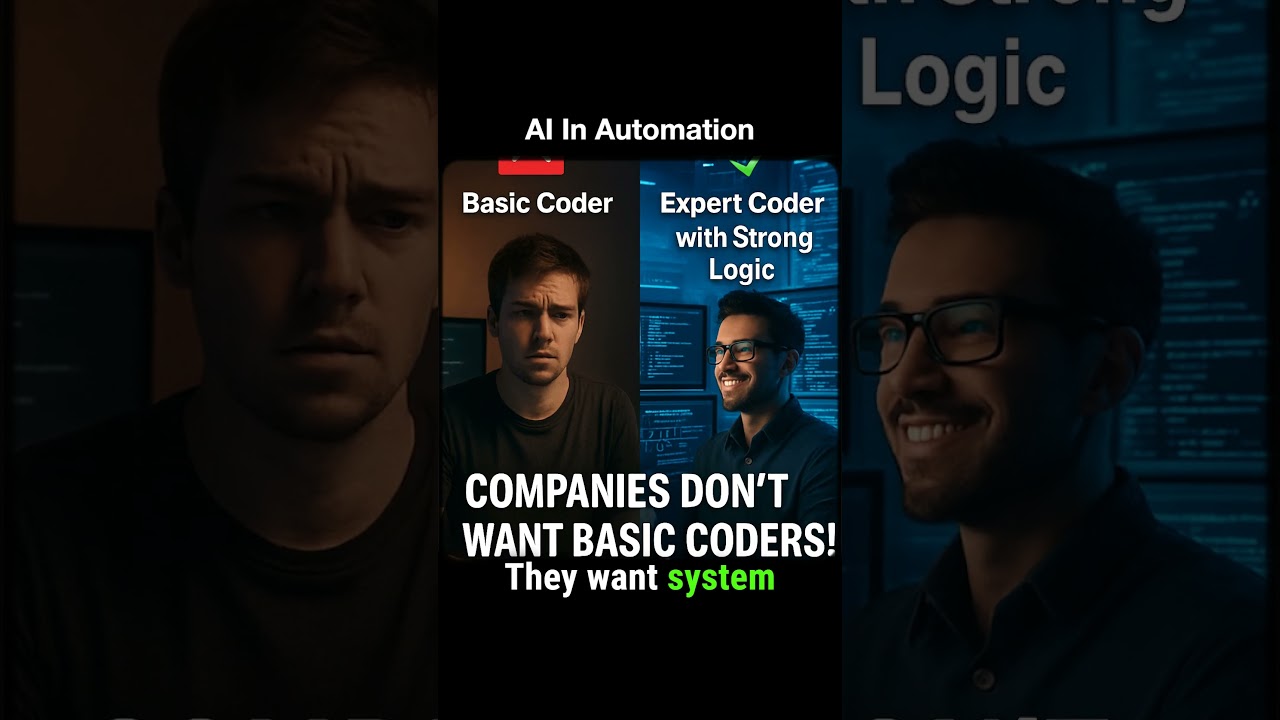
- AI is replacing low-complexity, repetitive coding tasks — CRUD functions, boilerplate, unit tests, data mapping
- System design, problem decomposition, architecture, and AI-assisted development are the skills companies are paying a premium for
- NASSCOM projects India needs 1.25 million AI-capable tech professionals by 2027 — the demand is real and growing
- The 5 AI-era developer skills: Python + ML basics, prompt engineering, LLM API integration, system design, and cloud deployment
- Engineers who can build AI-integrated products — not just use AI tools — will see the fastest salary growth through 2027
Which Coding Jobs Is AI Actually Replacing in 2026?
Let's be precise about what AI is actually replacing — because "AI is replacing developers" is both true and wildly misleading depending on which developer you're talking about. What AI code generation tools like GitHub Copilot, Cursor, Amazon CodeWhisperer, and Claude handle today: autocompleting repetitive boilerplate code, writing standard CRUD (Create, Read, Update, Delete) endpoints from a description, generating unit tests from existing functions, converting data between formats (JSON to CSV, API response mapping), and drafting SQL queries from plain English descriptions. These are exactly the tasks that consumed a large portion of junior developer time at IT services companies. That's why TCS, Infosys, and Wipro are reducing junior cohort hiring in specific roles while simultaneously increasing hiring for engineers who can architect AI-integrated systems. What AI cannot yet replace: system design for complex distributed systems, understanding business requirements well enough to ask the right questions, debugging subtle race conditions and production incidents, building novel algorithms and models, and making product decisions. The coders at risk are those who spent their entire careers in the first category.
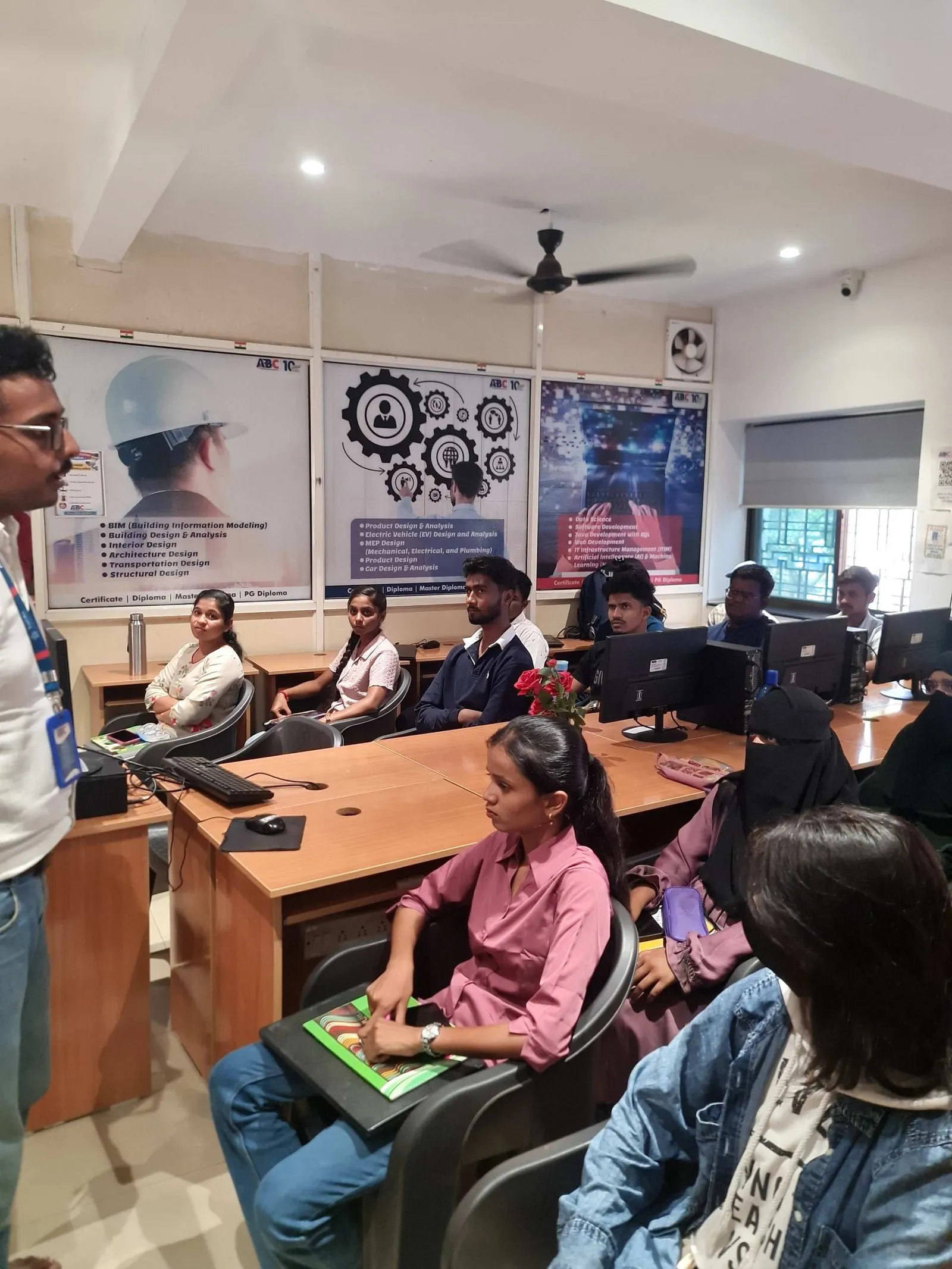
The Real Evidence: What Happened at TCS, Infosys, and Indian IT
TCS cut approximately 12,000 positions in July 2025 — the largest single-quarter headcount reduction in the company's recent history. Infosys reduced its bench and slowed fresher onboarding significantly in the same period. Wipro and HCL reorganized delivery structures. But a careful read of the earnings calls tells a different story than the headlines: all four companies simultaneously reported growth in their AI and data services practices, hired thousands of engineers in GenAI, cloud, and advanced automation roles, and raised guidance for AI-related revenue. The structural shift isn't "companies need fewer engineers." It's "companies need fewer engineers doing routine work and more engineers who can build, integrate, and manage AI systems." NASSCOM's industry data shows that AI and data engineering roles in India grew by over 40% in 2025 even as overall IT hiring slowed. The engineers who saw no disruption — or actually benefited — were those who understood the business problem they were solving, not just the syntax of the framework they were typing.
| Skill Area | What AI Can Do | What Humans Still Must Do | Career Impact |
|---|---|---|---|
| Boilerplate Code | Write CRUD, API stubs, tests automatically | Spec the requirements precisely; review output | Junior coding roles shrinking; senior roles stable |
| System Design | Suggest patterns; can't evaluate your specific constraints | Architecture decisions, trade-off analysis, scalability choices | Premium skill — salary grows 2x for strong system designers |
| LLM API Integration | Explain APIs; cannot build the integration itself | Build, test, deploy LLM-powered features end-to-end | Fastest-growing skill demand in Indian IT 2026 |
| Debugging Production | Suggest fixes for well-described problems | Diagnose root cause in complex distributed systems | Senior engineers irreplaceable; command premium |
| Business Communication | Draft documents; cannot understand client politics | Translate business need into technical spec; manage stakeholders | Tech leads and architects fully protected from AI displacement |
What an AI-Assisted Developer Does Differently
An AI-assisted developer in 2026 works fundamentally differently from a traditional coder. Instead of writing every line manually, they write precise specifications: what the function must do, what edge cases it must handle, what performance constraints apply. They use AI tools (GitHub Copilot, Cursor, Claude API) to generate the first draft, then critically review, refactor, and test it. The AI writes the boilerplate; the engineer writes the judgment. The skill shift is from typing speed to clarity of thought. Here's a concrete example from an ex-Infosys engineer I work with at ABC Trainings: "I used to spend 3 hours writing a data processing pipeline. Now I write a 2-page specification of exactly what the pipeline must do, and I have a working first draft in 20 minutes. I spend the remaining 2 hours 40 minutes testing edge cases, reviewing for security issues, and optimizing the parts the AI got wrong — which is where my actual expertise lives." That's the AI-assisted developer workflow. The engineers who thrive are those who can write better specifications than the AI can interpret, and who understand the output well enough to catch its mistakes.
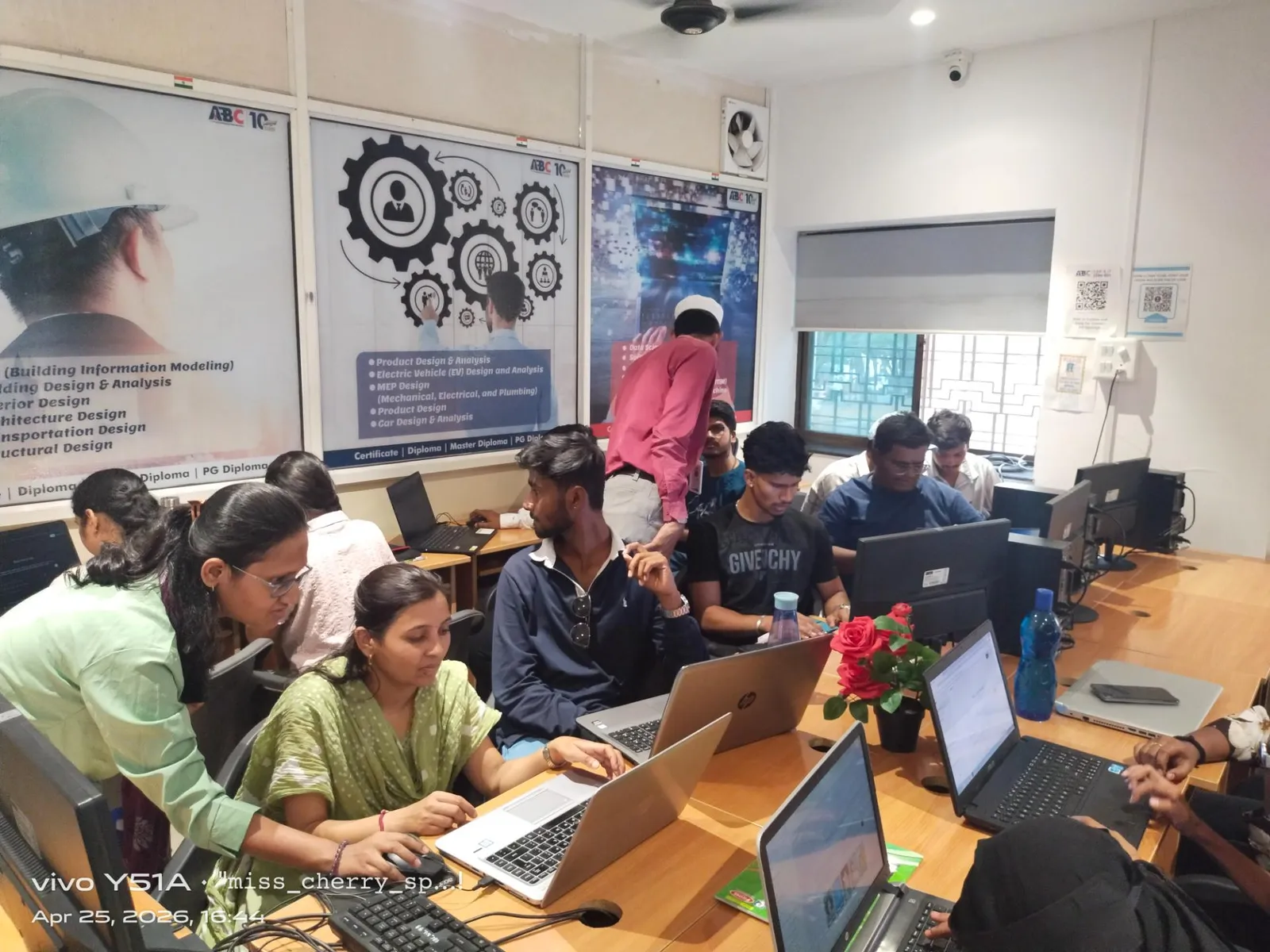
The 5 Skills That Make Developers AI-Proof in 2026
After 8 years of watching IT engineering careers develop in Maharashtra, here are the five skills that consistently separate the engineers who are growing from those who are stagnating in the AI era. First: Python fluency plus ML fundamentals — Python is the universal glue of the AI stack. You don't need to research papers; you need to understand how to use trained models, call APIs, and handle data pipelines. Second: prompt engineering — the ability to write precise, context-rich instructions that get consistent, useful output from LLMs. This is genuinely a technical skill with nuance. Third: LLM API integration — building applications that call the Claude API, OpenAI API, or open-source models (LLaMA via Ollama) programmatically, handling streaming, rate limits, context management, and cost. Fourth: system design — designing distributed systems, understanding CAP theorem, choosing between monolith and microservices, designing for scale. AI can't do this for you yet. Fifth: cloud deployment — getting your application running reliably on AWS, GCP, or Azure with CI/CD, monitoring, and cost controls. These five together create a profile that no current AI tool can replicate in combination.
How Indian Engineers Can Transition Into AI-Era Development
The transition path for Indian engineers who want to move into AI-era development is more accessible than it looks. If you're a Java or Python developer: add LLM API integration (start with a free Claude API key, build a simple chatbot or summarizer), then learn RAG (Retrieval Augmented Generation) to make LLMs work with private company data — this is the most common enterprise AI use case in 2026. If you're from civil, mechanical, or electrical engineering and haven't coded much: start with Python fundamentals, then learn automation scripting (automating repetitive engineering tasks), then move into data analysis with Pandas, and finally ML basics with scikit-learn. You don't need to become an AI researcher. You need to be the engineer at your company who can build internal AI tools that save 5 hours per week for your team. In Pune's IT belt — Wagholi, Hadapsar, Hinjewadi — companies including TCS, Infosys, Persistent Systems, and Zensar are actively upskilling their delivery teams in exactly these five areas. In Sambhajinagar, the CIDCO IT park and Osmanpura's emerging tech sector have startups looking for AI-capable full stack engineers. The window to make this transition before the market normalizes is right now, in 2026.
Maharashtra students transitioning into AI-era development can use the CMYKPY (Chief Minister's Youth Kaushal Yojana) stipend of ₹6,000–10,000 toward Python, AI, and machine learning training programs. PMKVY 4.0 trained 2.1 crore learners nationally and covers AI and data skills modules. Speak to our ABC Trainings admissions team to check eligibility for both schemes.Get the IT Brochure + Fees + Batch Dates on WhatsApp
Free 1:1 counselling. Placement track record. CMYKPY/PMKVY eligibility check.
💬 Get Brochure on WhatsApp📞 Call 7039169629About the author: Amit Kulkarni. 8 yrs leading IT training at ABC Trainings, ex-Infosys.
Visit Our Centers
- Wagholi (Pune): 1st Floor, Laxmi Datta Arcade, Pune-Ahilyanagar Highway. Call 7039169629
- Hadapsar (Pune HQ): 1st Floor, Shree Tower, opp. Vaibhav Theater, Magarpatta. Call 7039169629
- Cidco (Chh. Sambhajinagar): Kalpana Plaza, opp. Eiffel Tower, N-1 Cidco. Call 7039169629
- Osmanpura (Chh. Sambhajinagar): S.S.C Board to Peer Bazar Road, near Jama Masjid. Call 7039169629
- Sangli: Shubham Emphoria, 1st Floor, Above US Polo Assn., Sangli-Miraj Rd, Vishrambag. Weekend batches available. Call 7039169629
FAQs
Will AI fully replace software developers in India by 2027?
No — AI will not fully replace software developers by 2027. What it will do is change the mix of work developers do: less repetitive boilerplate writing, more specification, system design, AI integration, and review of AI-generated code. NASSCOM projects India needs 1.25 million AI-capable tech professionals by 2027, suggesting net job creation in the sector for those who adapt. The developers at genuine risk are those who only do well-defined, repetitive coding tasks with no exposure to system design, client communication, or AI tooling.
Which coding skills are most at risk from AI automation in 2026?
The coding tasks most vulnerable to AI automation are: writing standard CRUD API endpoints, generating unit tests from existing code, formatting and transforming data between schemas, writing SQL queries from plain descriptions, and creating boilerplate component templates in React or Angular. These tasks represent a significant portion of junior developer work at IT services companies. Engineers who build skills in system design, LLM API integration, cloud architecture, and business-to-technical translation are substantially better protected.
What is the salary of an AI-assisted developer in Pune compared to a traditional developer?
AI-assisted developers in Pune who can build LLM-integrated products — RAG pipelines, AI-powered features, agent systems — earn a significant premium over traditional developers at the same experience level. Mid-level developers (3–5 years) with strong AI integration skills command ₹12–20 LPA versus ₹8–13 LPA for equivalent experience without AI skills, per 6figr and Glassdoor data from June 2026. Companies like Persistent Systems, Zensar, and AI startups in Pune's Hadapsar and Hinjewadi corridors show the largest premium for AI-capable profiles.
How should a fresher engineer start learning AI-era development skills?
The recommended starting path for a fresher engineer moving into AI-era development: (1) Python fundamentals — 4 weeks; (2) Python for data handling with Pandas and requests library — 2 weeks; (3) Call an LLM API (start with Claude Haiku or GPT-3.5) to build a simple text summarizer — 1 week; (4) Learn basic RAG (connect an LLM to a PDF or database using a vector search) — 2 weeks; (5) Deploy your project on a free cloud tier (Railway, Render, or AWS Free Tier) — 1 week. This 10-week project-based path creates a portfolio that differentiates you from both traditional developers and from AI-unaware freshers. ABC Trainings' AI Powered Application Development workshop covers all five stages with live project delivery.