Why Python Is Easy to Learn: A Beginner's Complete Guide (Updated September 2026) (Updated September 2026)
With NASSCOM and Deloitte projecting 1.25 million AI and automation professionals needed by 2027, Python sits at the center of every career transition worth making right now — from mechanical engineers automating reports to fresh graduates targeting data science roles. The reason every AI bootcamp, data analytics program, and software training starts with Python is exactly what our IT trainers demonstrate in class: Python just works the way beginners expect it to. No mandatory semicolons. Strings that work with either single or double quotes. A print statement that actually reads like English. What most people don't realize is that these aren't accidents — they're deliberate design choices that make Python the clearest entry point into programming, whether you've coded before or not.

- Python needs no semicolons — the biggest hurdle for C/C++ programmers is eliminated by design
- Strings work with single or double quotes — fewer early syntax errors for total beginners
- Plain print('text') — no printf format strings, no System.out boilerplate to memorize
- Freshers with zero coding background regularly write their first working script in week 1 of class
- NASSCOM-Deloitte 2027 target (1.25 million AI pros needed) makes Python the most relevant first language in India right now
Python's Print Statement — Why It's the Perfect Starting Point for Beginners
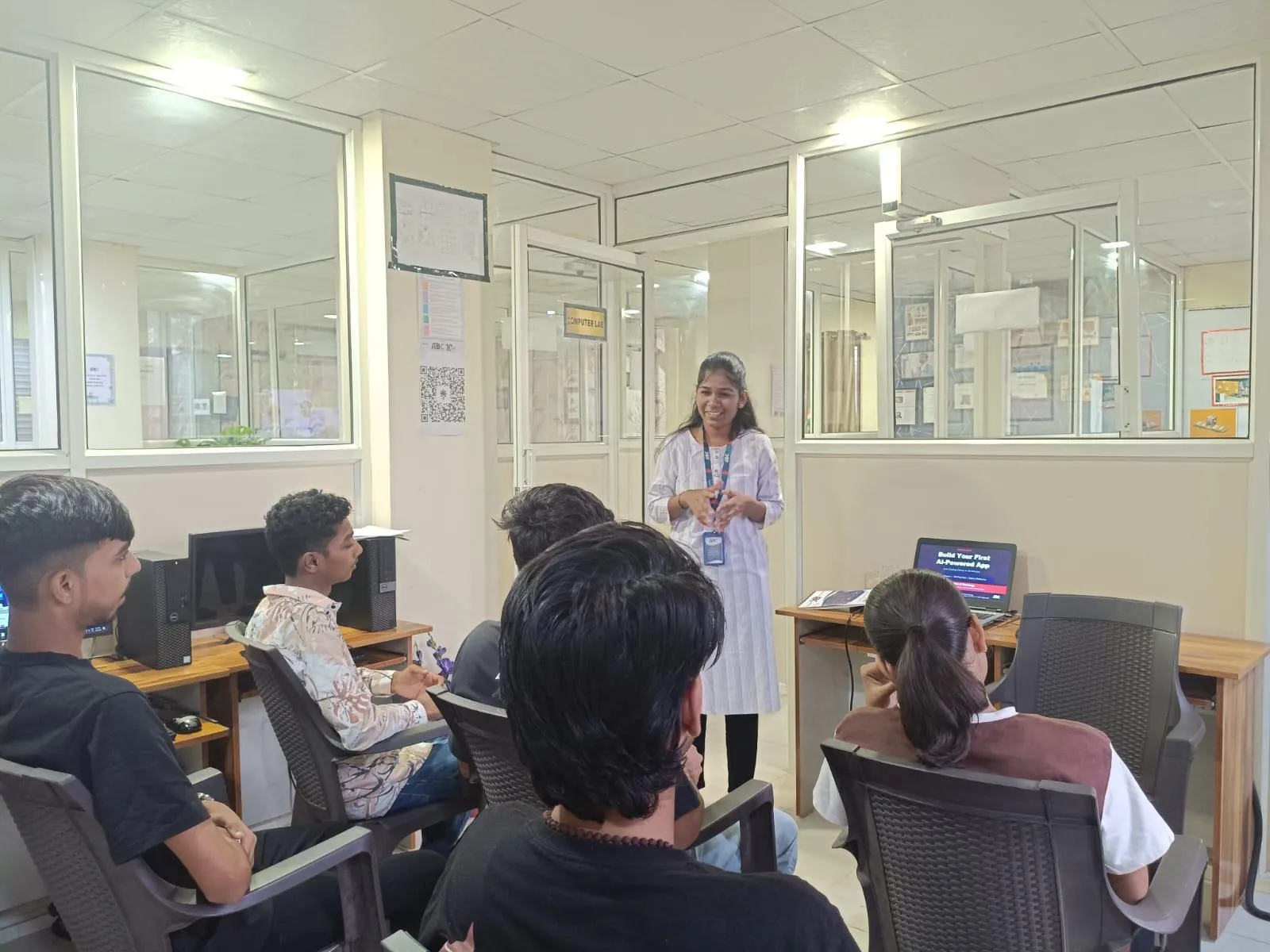
The print() function is the first thing every Python learner writes — and it's deliberately simple. Unlike printf() in C or System.out.println() in Java, Python's print is just print("Hello") — no format specifiers, no class hierarchy, no boilerplate imports. Our trainer demonstrated this live in class: a complete beginner can write their first working Python program in under five minutes. That speed of early success matters — it's what keeps learners motivated past the first day, when other languages are still explaining header files and compilation. The fast feedback loop between writing code and seeing output is one of the core reasons Python converts skeptical beginners into genuine programmers.
Single Quotes or Double Quotes? Python Accepts Both — Here's Why That Matters
Python accepts both 'single quotes' and "double quotes" for defining strings, and treats them identically — there is no difference in behavior, only style. In most other languages there is a strict distinction: C and Java use single quotes for a single character (char type) and double quotes for strings, so mixing them throws a compile error. In Python, neither gives an error. Our trainer noted that students coming from C++ initially assume Python will reject the "wrong" type of quote — and they are visibly relieved when it does not. This one feature alone significantly reduces early syntax errors. Students can focus on learning what the code does rather than debugging quote mismatches in their first week.
| Feature | Python | C / C++ | Java |
|---|---|---|---|
| Semicolons | Not required | Required at every statement | Required at every statement |
| String quotes | Single or double (both work) | Double only (single = char) | Double only (single = char) |
| Print syntax | print("text") | printf("text\n"); | System.out.println("text"); |
| Boilerplate to start | 0 lines | 5–8 lines (includes, main) | 7–10 lines (class, main) |
| Time to first working program | 5–10 minutes | 30–60 minutes (setup + syntax) | 45–90 minutes |
| Error message clarity | High — points to exact line and character | Moderate | Moderate |
No Semicolons Required — How Python Reduces the Most Common Beginner Error
Python does not require semicolons at the end of statements — and this is a bigger deal than it sounds for anyone coming from C, C++, or Java. Every experienced C programmer has the semicolon habit wired in. When those students write Python, they automatically add semicolons — and Python won't always throw an error (it treats a semicolon as a statement separator, not a syntax mistake), which creates confusing behavior. The actual mistake our trainer sees most often: students write print f with a space, or even printf, because their fingers have typed it thousands of times. Python then throws a NameError — not because of the semicolon, but because printf is not a defined name. Once you know the rule — no semicolons, use plain print() — the pattern clicks fast and you don't repeat it.
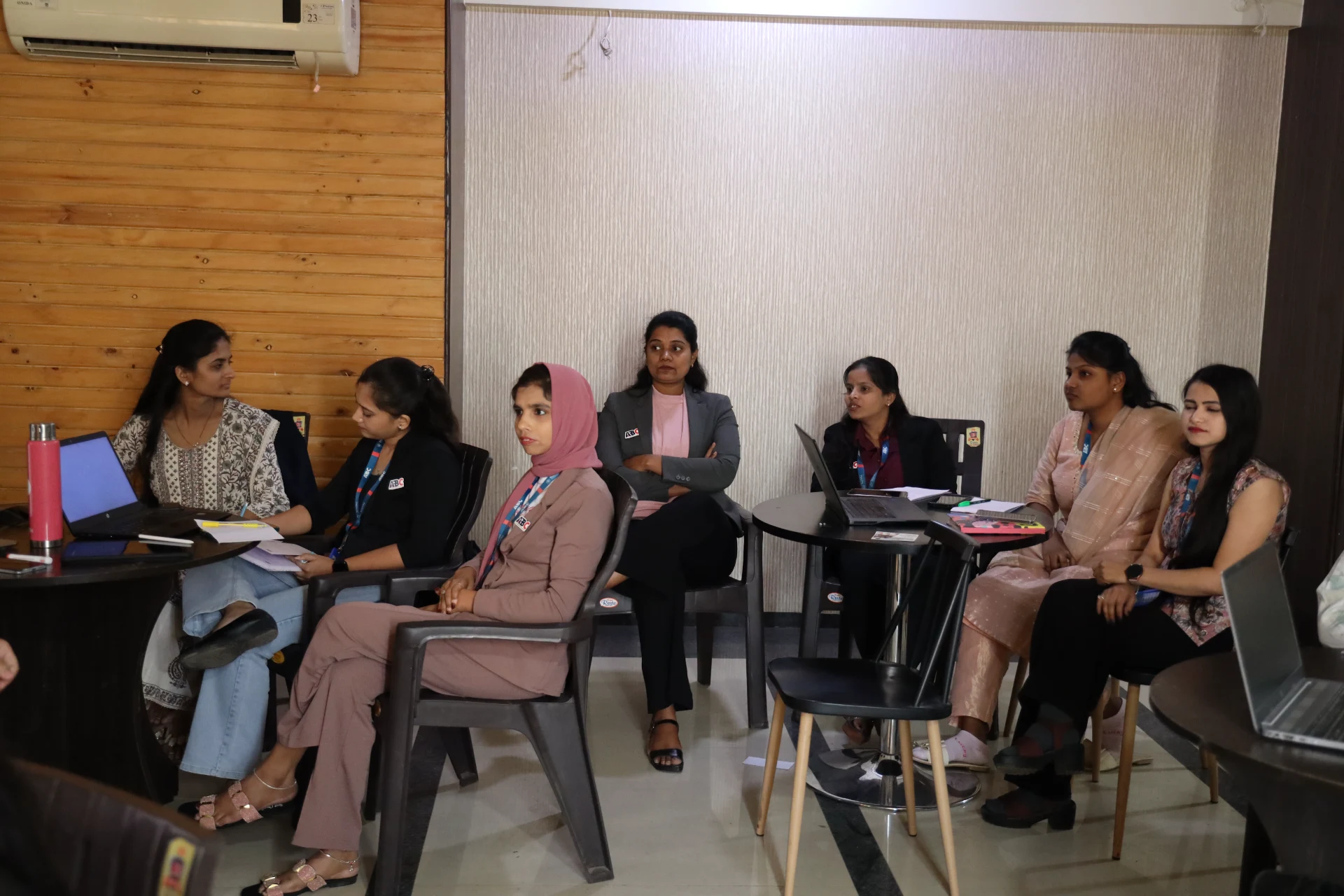
Common Beginner Mistakes in Python (And Why They Are Easy to Fix)
Python errors are almost always obvious and fixable in under a minute. The most common mistakes from our classroom: (a) Writing print f with a space or printf instead of print() — the C habit dies hard. (b) Adding a semicolon at the end of the line — harmless in Python but signals you are still thinking in C syntax. (c) Mixing indentation — Python is strict about tabs versus spaces; this is the one place Python is less forgiving than C. (d) Using = instead of == in comparisons — a universal beginner mistake across all languages, not Python-specific. The good news is that Python's error messages are among the most readable of any major language: SyntaxError: invalid syntax with a caret pointing to the exact problem character is far more useful than a wall of C compiler errors. Most mistakes get fixed before the student even asks for help.
Who Can Learn Python in 2026? (Spoiler: Almost Anyone)
Anyone can start learning Python in 2026 — and that's not marketing copy, it's what the language was designed for. Students in our batches at ABC Trainings range from 12th-pass freshers who have never written a line of code to mechanical engineers in their 30s who want to add data automation or AI scripting to their toolset. The common thread is that Python doesn't require a semester of syntax preparation before you can write something useful. A complete beginner typically writes their first functional script — reading a file, running a calculation, printing structured output — within the first week of class. What most people don't realize: an experienced C++ developer may actually take a few extra days longer than a total fresher, because they need to consciously un-learn the semicolon reflex and the printf instinct. The language's design genuinely rewards fresh starts.
Python Career Scope in 2026 — Jobs and Salaries in India
Python professionals in India are among the best-compensated software engineers in the current market. Entry-level Python developers (0–2 years) earn Rs.3.5–6.5 LPA; mid-level engineers (3–5 years) with Django, Flask, or data science libraries earn Rs.8–14 LPA; senior data scientists and ML engineers with Python as their primary tool reach Rs.18–30 LPA at companies like TCS, Infosys, KPIT Technologies, and AI-native product startups. The NASSCOM-Deloitte report projects 1.25 million AI and automation professionals needed by 2027 — Python is the common language across virtually all those roles. Companies actively hiring Python professionals in Pune include Infosys Pune (Magarpatta City), TCS Hinjewadi, KPIT Technologies (Pune Nagar Road), Bajaj Auto's digital transformation division, and multiple AI startups in the Baner-Pashan corridor.
How to Start Learning Python at ABC Trainings
At ABC Trainings, Python is taught the way it's actually used in real companies — not as a toy language or a semester-long theory course, but as the foundation for data analysis, web development (Django and Flask), automation scripting, and AI/ML pipelines. Our Python program covers fundamentals (syntax, data structures, OOP, file handling) through applied libraries (NumPy, Pandas, Matplotlib, Flask) with live projects that go into your portfolio. Pune centers at Wagholi (1st Floor, Laxmi Datta Arcade, Pune-Ahilyanagar Highway) and Hadapsar (1st Floor, Shree Tower, opp. Vaibhav Theater) run batches with morning, afternoon, evening, and weekend timings. Sambhajinagar centers at Cidco (Kalpana Plaza, opp. Eiffel Tower, N-1 Cidco) and Osmanpura also run regular Python batches. For students from C or C++ backgrounds, our trainers specifically address the transition traps covered in this guide — the semicolon reflex and printf habit — so you unlearn them in the first session, not the fifth.
Maharashtra's CMYKPY (Chief Minister Yuva Karya Prashikshan Yojana) scheme provides Rs.6,000–Rs.10,000 in training subsidies for eligible students from economically weaker sections — directly applicable to ABC Trainings' Python and AI Powered Application Development program. PMKVY 4.0 has trained 2.1 crore professionals nationwide with IT and software skills among the highest-demand categories. Contact ABC Trainings to verify your eligibility and the current batch schedule.Get the IT Brochure + Fees + Batch Dates on WhatsApp
Free 1:1 counselling. Placement track record. CMYKPY/PMKVY eligibility check.
💬 Get Brochure on WhatsApp📞 Call 7039169629About the author: Ankush Shendge, IT Trainer, ABC Trainings.
Visit Our Centers
- Wagholi (Pune): 1st Floor, Laxmi Datta Arcade, Pune-Ahilyanagar Highway. Call 7039169629
- Hadapsar (Pune HQ): 1st Floor, Shree Tower, opp. Vaibhav Theater, Magarpatta. Call 7039169629
- Cidco (Chh. Sambhajinagar): Kalpana Plaza, opp. Eiffel Tower, N-1 Cidco. Call 7039169629
- Osmanpura (Chh. Sambhajinagar): S.S.C Board to Peer Bazar Road, near Jama Masjid. Call 7039169629
- Sangli: Shubham Emphoria, 1st Floor, Above US Polo Assn., Sangli-Miraj Rd, Vishrambag. Weekend batches available. Call 7039169629
FAQs
Is Python really easy to learn for absolute beginners?
Yes — Python is consistently ranked the easiest first programming language for beginners with no prior coding experience. Its print statement reads like English, it requires no semicolons, and it accepts both single and double quotes for strings. At ABC Trainings, freshers with zero coding background typically write their first functional script within the first week. The one area where Python is strict: indentation — but that's easier to learn than semicolons, format specifiers, and type declarations.
Can I learn Python if I already know C or C++?
Yes, and you'll pick up the syntax quickly — but you'll need to actively un-learn two habits. First, writing printf or print f instead of print(). Second, adding semicolons at the end of every line. Python won't always throw an error for these, which makes them harder to notice. ABC Trainings' trainers specifically address these transition traps with C/C++ background students in the first class session.
Which institute is best for Python training in Pune in 2026?
For Python training in Pune, ABC Trainings stands out with practical, project-based learning at Wagholi and Hadapsar — covering Python fundamentals through Django, Flask, NumPy, and Pandas, with live projects and placement support at Infosys, TCS, and KPIT. SevenMentor and NIIT also offer Python courses in Pune with classroom-based delivery. The key differentiator to check: whether the program includes live projects beyond toy exercises, and whether placement support is active follow-through or just a certificate handshake.
What jobs can I get after learning Python in Pune in 2026?
After learning Python, you can target Python Developer (Rs.3.5–8 LPA entry-level), Data Analyst (Rs.4–10 LPA), Backend Web Developer with Django or Flask (Rs.4–12 LPA), Automation Engineer (Rs.4.5–10 LPA), and Data Scientist or ML Engineer (Rs.8–25 LPA mid-senior). Active Pune hiring companies for Python roles include Infosys Magarpatta, TCS Hinjewadi, KPIT Technologies on Pune Nagar Road, Bajaj Auto's digital division, and AI product startups in the Baner-Pashan tech corridor.