In today’s digital world, learning new skills has never been easier. Thousands of free tutorials and random online videos are available on platforms like YouTube and social media. While these videos can be helpful for quick tips, they often lack the depth, structure, and professional guidance needed for serious career development.
For students and professionals who want to build strong skills and secure job opportunities, structured training programs offered by professional institutes are far more powerful than randomly watching online videos.
This article explains why structured training programs provide better learning outcomes, stronger career opportunities, and real industry-ready skills.
The Problem with Random Online Videos
Many learners start their journey by searching for free tutorials online. Although this seems convenient, it often creates several challenges.
1. No Clear Learning Path
Random online videos are rarely organized in a logical sequence. Students often jump from one topic to another without understanding the fundamentals.
For example, someone learning digital marketing might watch videos about SEO, then social media ads, then website design without building a proper foundation.
This scattered approach leads to confusion and incomplete knowledge.
2. Lack of Practical Implementation
Most free videos focus on theory or demonstrations rather than real practice.
Without assignments, projects, and guided exercises, students struggle to apply what they have learned in real-world situations.
3. No Mentorship or Doubt Solving
When students face difficulties while learning from random videos, there is no instructor to guide them.
Questions remain unanswered, and many learners eventually give up due to frustration.
4. Outdated or Inaccurate Information
Online platforms contain a mix of high-quality and low-quality content. Many videos become outdated quickly, especially in fast-changing fields like:
Data Analytics
Digital Marketing
Software Development
Cyber Security
AI and Machine Learning
Without expert guidance, learners may follow incorrect methods.
What Makes Structured Training Programs Different
Structured training programs are carefully designed learning systems created by industry professionals and experienced trainers.
These programs follow a step-by-step approach that ensures students build knowledge gradually and effectively.
1. Well-Designed Curriculum
A structured course follows a logical sequence:
Beginner Concepts → Intermediate Skills → Advanced Applications
This ensures that students understand the fundamentals before moving to complex topics.
A well-planned curriculum also covers industry-relevant tools and techniques that employers expect.
2. Expert Trainers and Mentorship
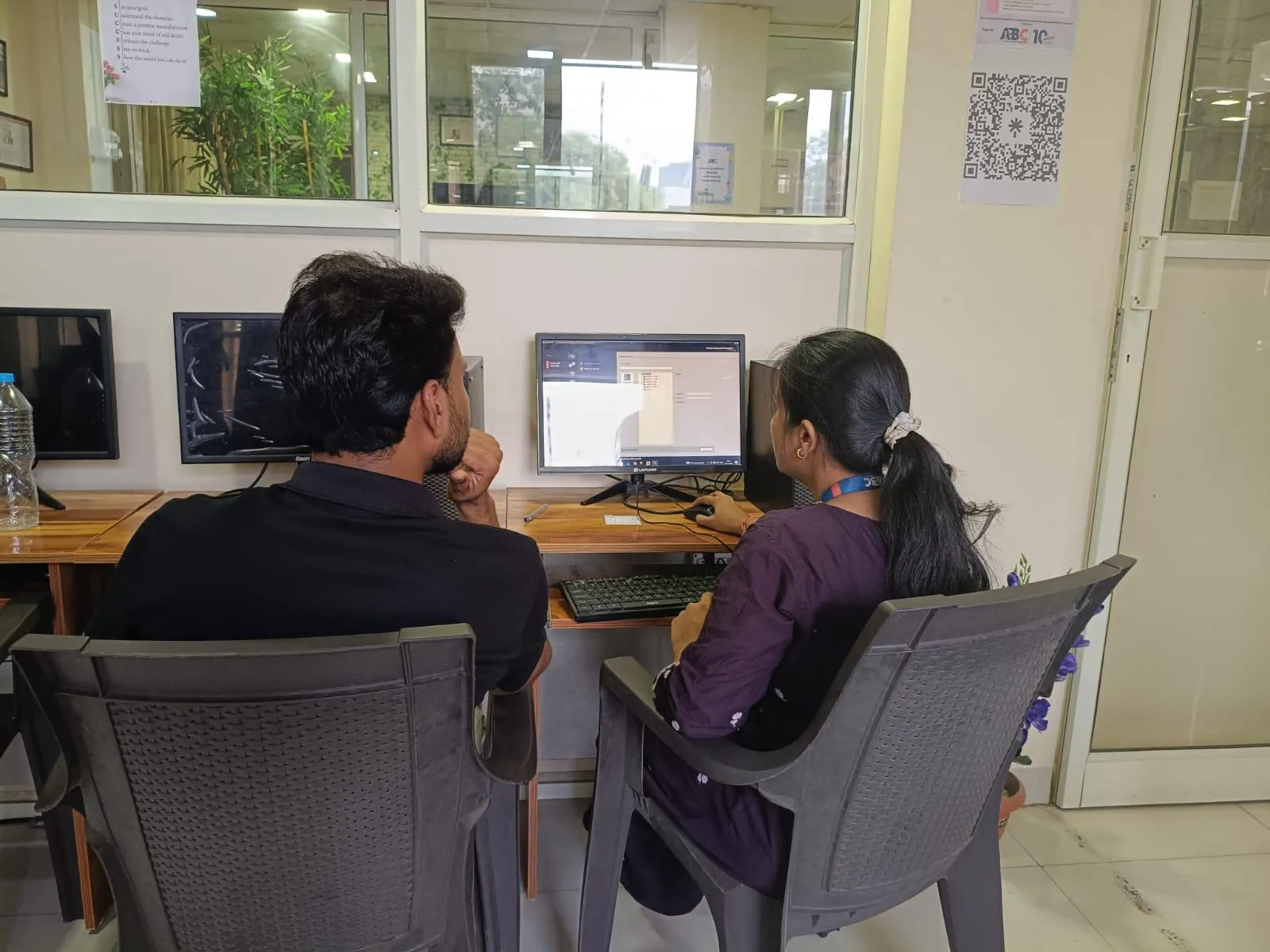
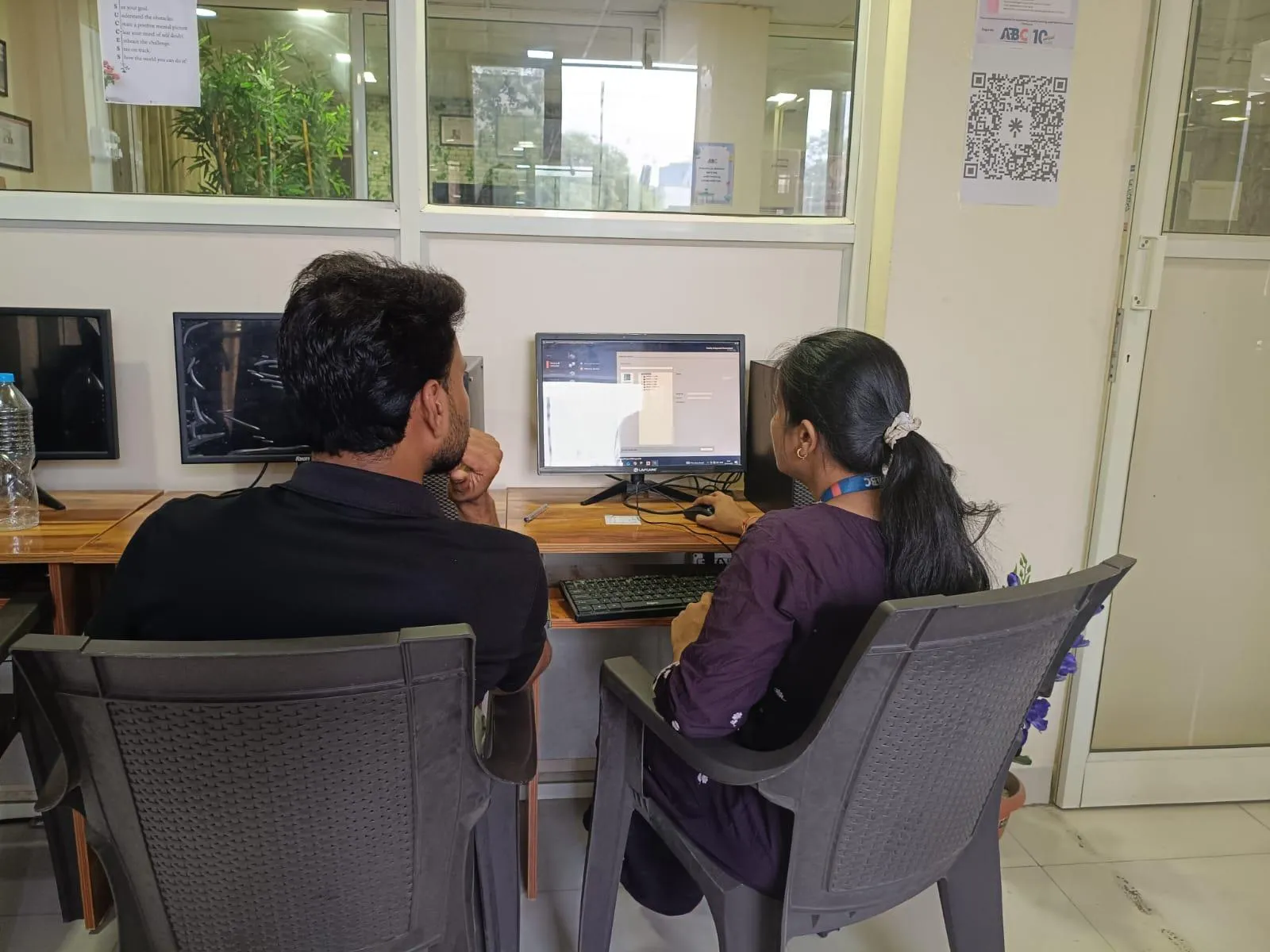
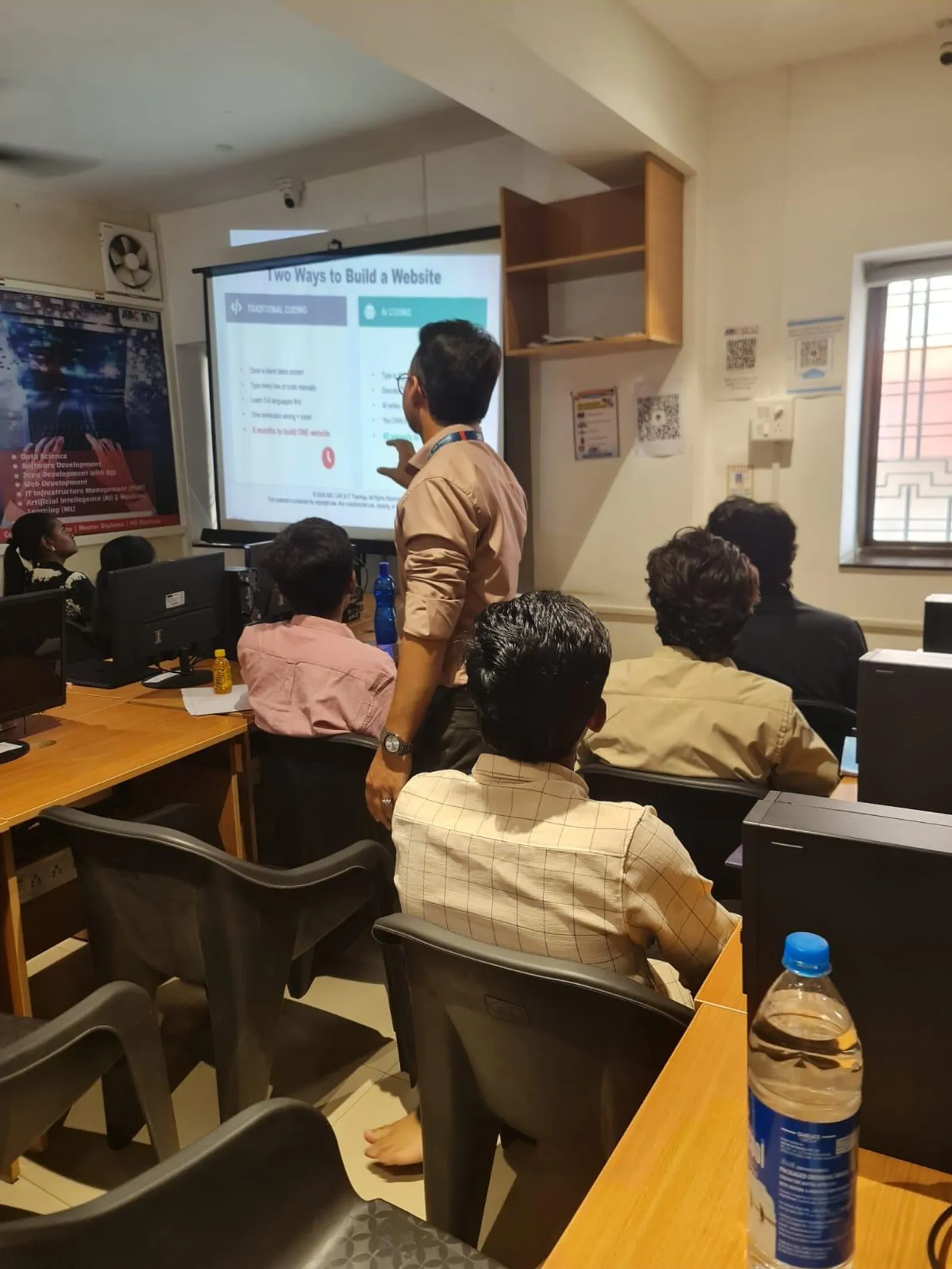
Professional training institutes provide guidance from experienced instructors who understand both theory and real-world industry practices.
Trainers help students:
Solve doubts instantly
Understand complex concepts
Learn practical applications
Avoid common beginner mistakes
This mentorship accelerates learning and improves confidence.
3. Practical Learning and Projects
Structured programs focus heavily on hands-on learning.
Students work on:
Live projects
Case studies
Practical assignments
Industry scenarios
This practical exposure helps learners develop real skills rather than just theoretical knowledge.
4. Continuous Evaluation and Feedback
Structured programs include regular assessments such as:
Assignments
Tests
Project reviews
Performance feedback
These evaluations help students track their progress and improve continuously.
5. Career Guidance and Job Preparation
Another major advantage of structured training programs is career support.
Students often receive guidance on:
Resume building
Interview preparation
Portfolio development
Industry exposure
This support increases the chances of securing a good job after completing the course.
Why Structured Training Builds Long-Term Skills

Learning is not just about gathering information — it is about developing competence and confidence.
Structured training programs help learners build:
Strong conceptual foundations
Practical experience
Professional discipline
Problem-solving abilities
Industry-ready skills
These qualities are difficult to develop through random video learning alone.
The Role of Professional Training Institutes
Professional institutes play a crucial role in bridging the gap between education and industry.
A reputed training institute provides:
Industry-oriented curriculum
Experienced trainers
Practical learning environment
Career guidance
Recognized certification
ABC Trainings is a Government Affiliated Training Company, MSME and ISO certified institute dedicated to helping students build strong career skills through structured training programs.
The institute focuses on practical learning, industry-ready curriculum, and professional guidance to help students succeed in competitive job markets.
Who Should Choose Structured Training Programs
Structured programs are especially beneficial for:
Students planning their careers
Graduates seeking job-ready skills
Working professionals looking to upgrade skills
Individuals switching careers
If the goal is serious skill development and career growth, structured training programs provide the right foundation.
Final Thoughts
Random online videos may provide quick knowledge, but they rarely offer the complete learning experience required for professional growth.
Structured training programs provide:
Clear learning paths
Expert mentorship
Practical experience
Career guidance
These elements transform learners into skilled professionals ready to succeed in their chosen fields.
If you want to build real skills and accelerate your career growth, structured training programs are always the smarter choice.
Contact ABC Trainings
For more information about professional training programs and career-oriented courses, contact:
📞 Call: 7039169629
📱 WhatsApp: 7039169629
ABC Trainings – Government Affiliated Training Company | MSME | ISO Certified.