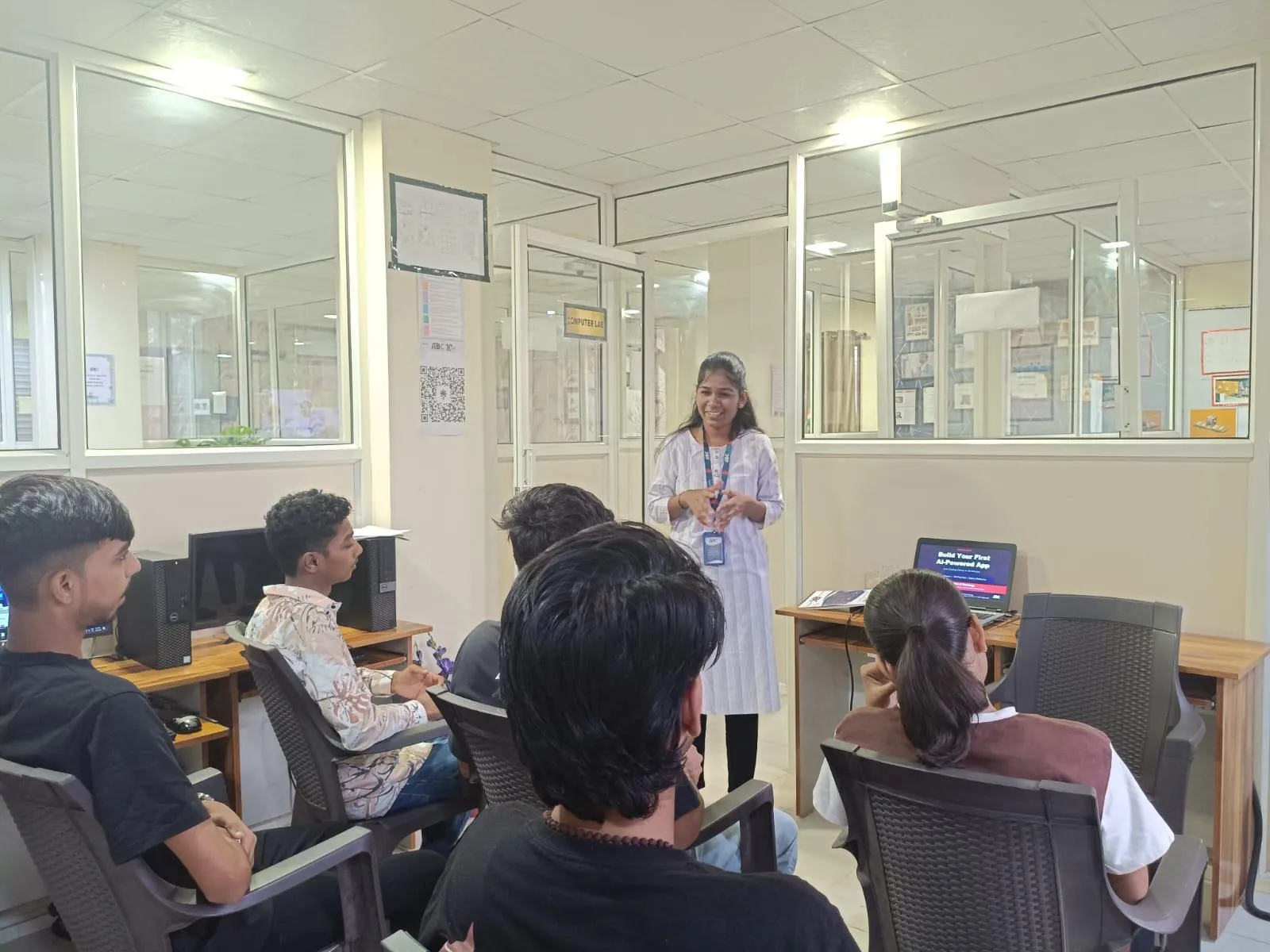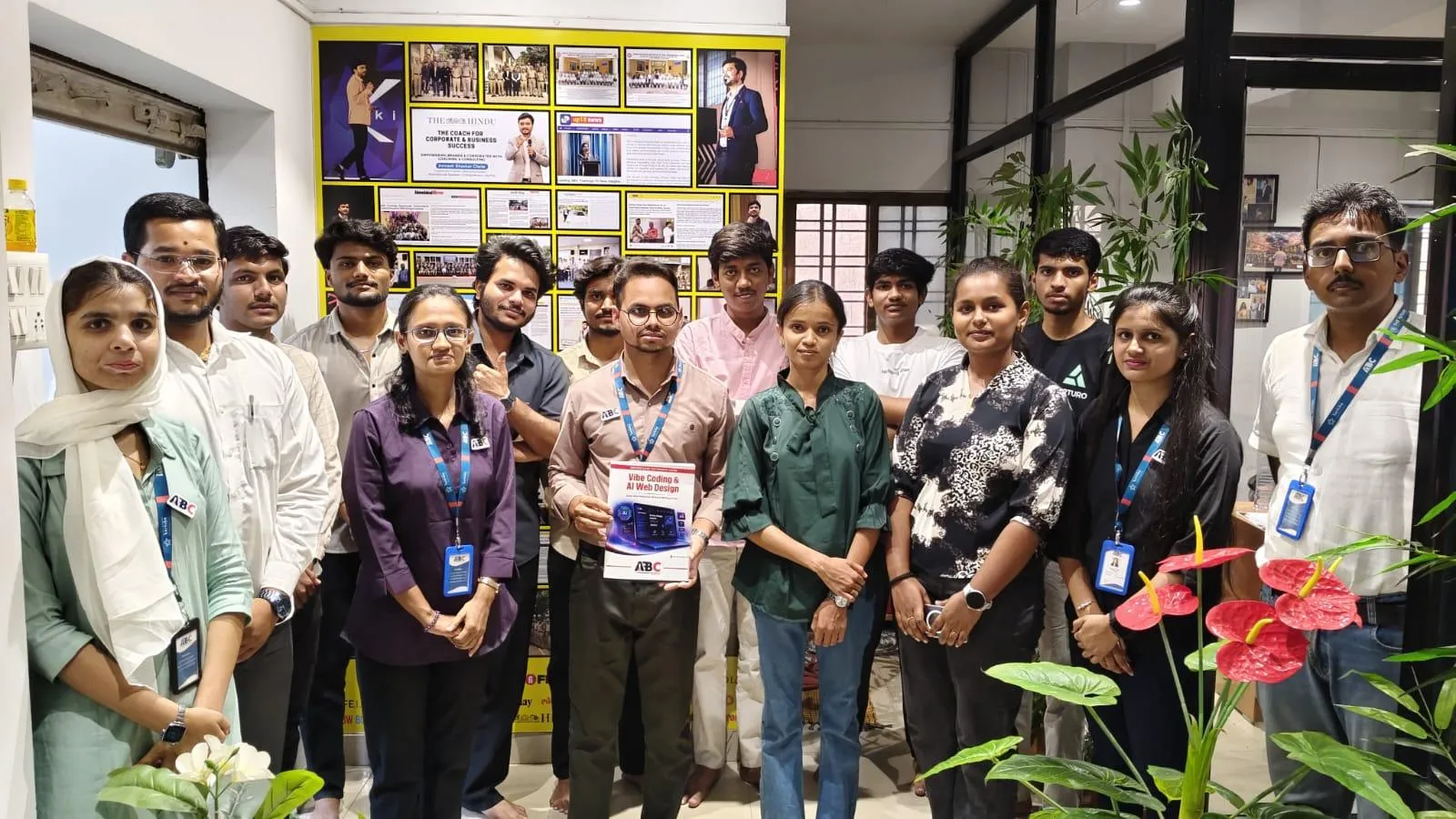
If you've already written simple C++ programs and want to move beyond basic syntax, this advanced C++ programming essentials guide for India 2026 is where you should focus next. The video topic covers variables, loops, functions, arrays, control statements, and OOP, but here's the thing: knowing the definitions isn't enough. To write clean, interview-ready, industry-usable C++ code, you'll need better logic design, stronger structure, and habits that save time when projects get bigger.

I've trained students moving from college assignments to real coding work, and trust me, the jump happens when you stop treating C++ as a theory subject and start using it like a problem-solving tool. That's exactly what we'll break down here.
How do you move from basic C++ syntax to real coding skill?
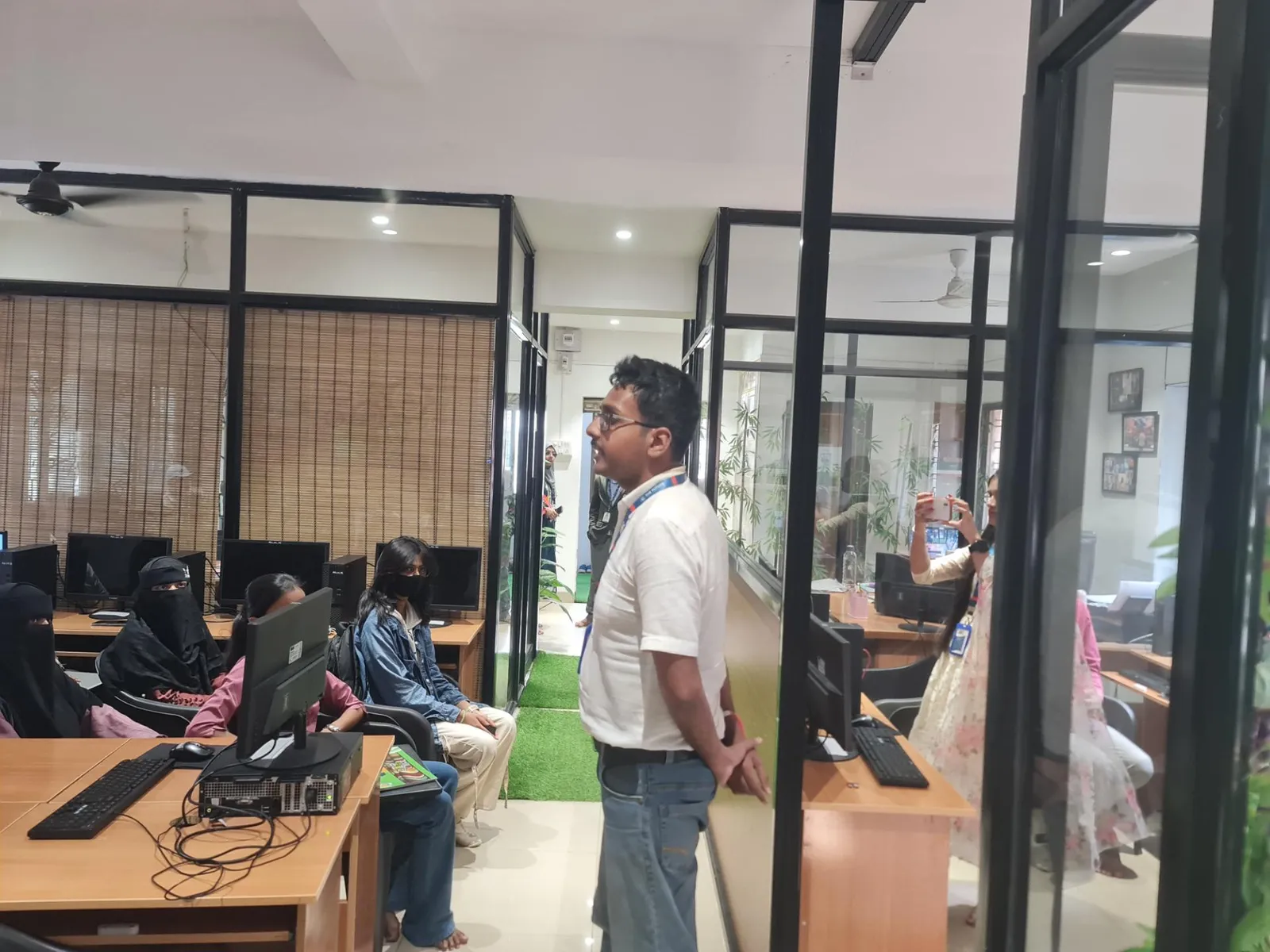
Most learners in Pune, Chhatrapati Sambhajinagar, and Sangli know how to declare variables, use if statements, and print output. But what most people don't realize is that real progress in C++ comes from combining these basics into repeatable coding patterns.
For example, instead of writing one long main() function, split logic into small functions. Instead of hardcoding values, pass inputs as parameters. Instead of repeating blocks, use loops with proper conditions. This is the difference between "I know C++" and "I can build with C++."
A good advanced practice routine is simple:
- Write one problem using only
main() - Rewrite it using functions
- Rewrite it again using arrays or classes where needed
- Test edge cases like zero, negative input, or invalid ranges
The good news is, once you start thinking this way, your code becomes easier to debug and much easier to explain in interviews.
How should you use functions in C++ like a serious programmer?
Functions are not just for reducing line count. They help you build modular code. In advanced C++ learning, you should focus on three things: function design, parameter passing, and return strategy.
1. Keep each function responsible for one job
Don't create one function that takes input, processes data, and prints output unless the task is tiny. A better workflow is:
- One function to accept or validate input
- One function to process logic
- One function to display result
This structure matters when you're building mini-projects like student record systems, billing software, or menu-driven applications.
2. Understand pass by value vs pass by reference
This is where many students get stuck. If you pass by value, the original variable won't change. If you pass by reference, it can. In practical coding, pass by reference is useful when updating values inside a function or avoiding unnecessary copying.
3. Use function prototypes and clear naming
Names like calculateTotal(), findLargest(), or displayMenu() are much better than vague names like fun1(). Interviewers from companies like Infosys, TCS, and KPIT Technologies notice code readability quickly.
What is the best way to master arrays and loops in C++?
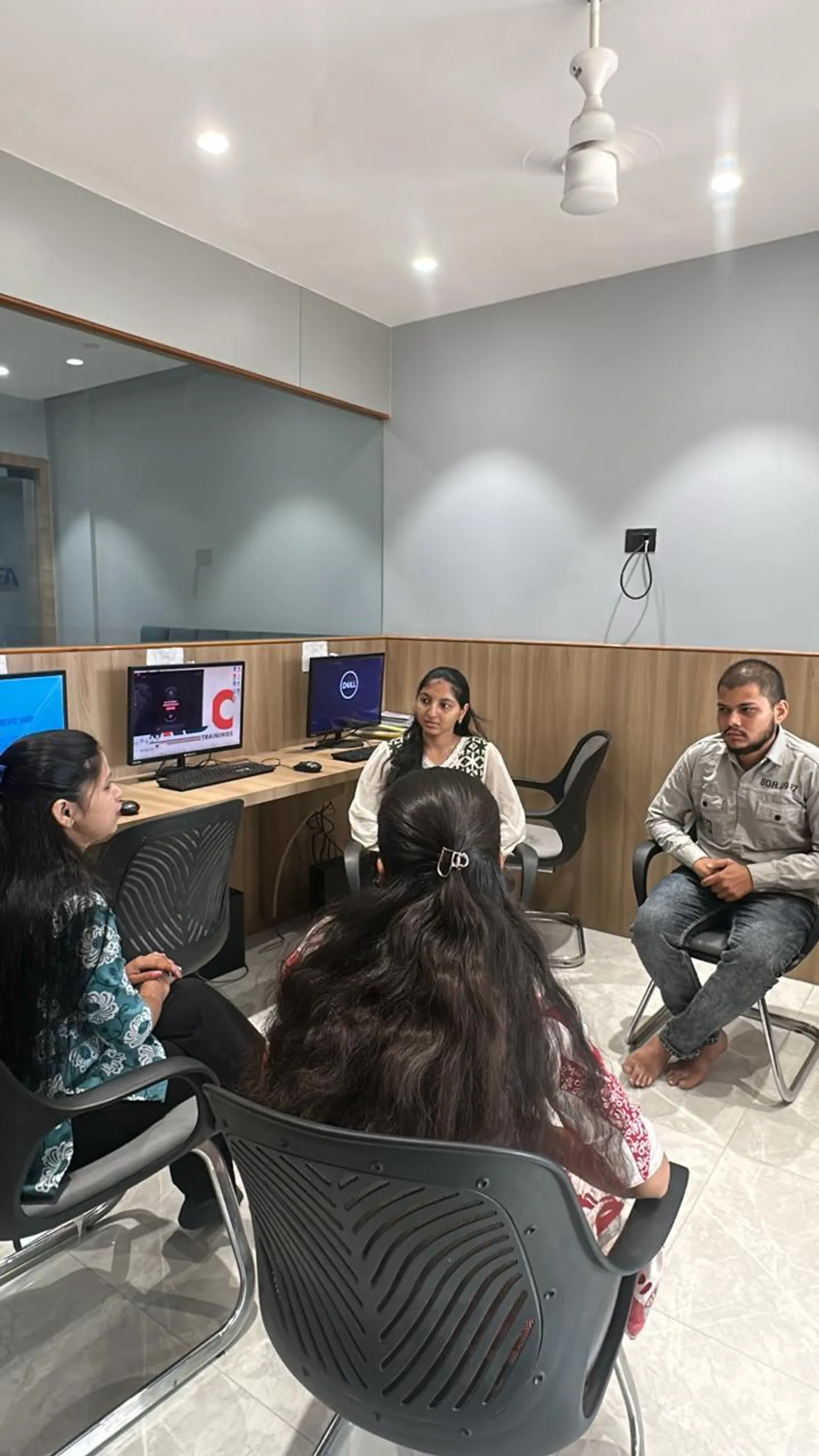
Arrays and loops are where logic building becomes real. If you're already comfortable with basic iteration, go deeper into pattern-based use.
Use loops for structured data processing
Don't just print 1 to 10. Practice loops for:
- Searching values in an array
- Finding maximum and minimum values
- Counting duplicates
- Reversing array contents
- Sorting data using basic methods like bubble sort or selection sort
These are common exercises because they build algorithm thinking. And yes, they still matter for campus hiring and coding rounds.
Watch your loop boundaries carefully
Here's a classic mistake: writing i <= size instead of i < size. That one extra iteration can create undefined behavior. Trust me, many students think their logic is wrong when the actual issue is just an array boundary error.
Use nested loops only when needed
Nested loops are useful for matrix operations, pattern printing, and comparison logic, but overusing them slows down your code. As your programs get larger, always ask: can this be solved with one loop instead of two?
How do control statements improve advanced C++ problem solving?
Control statements are basic on paper, but advanced in usage. if, else, switch, for, while, and do-while are decision tools. The skill is choosing the right one.
Use switch for menu-driven programs with fixed choices. Use while when the number of iterations depends on a condition. Use for when the count is known in advance. Use do-while when at least one execution is required.
What most people don't realize is that advanced coding is not about using complicated syntax. It's about making your logic predictable. If your condition flow is messy, your debugging time increases fast.
A strong exercise is to build one menu-based application using:
switchfor menu navigationwhilefor repeated execution- functions for each task
- arrays for storing records
That one program teaches more than 20 isolated syntax examples.
How should you approach OOP in C++ beyond theory?
Object-Oriented Programming is often taught as definitions: class, object, inheritance, encapsulation. But in real learning, you need to connect OOP to program structure.
Start with class design, not just syntax
A class should represent something meaningful: Student, Employee, BankAccount, Product. Add data members and member functions based on actual use, not random examples.
Use access specifiers properly
Keep data private where possible. Public methods should control how data is updated. This is not just an exam point. It's a habit that prevents accidental misuse of object data.
Practice inheritance with purpose
Don't learn inheritance using abstract textbook examples only. Build something practical like a base Employee class and derived classes for manager or engineer roles. This helps you understand code reuse clearly.
If you're planning software careers with firms like Bosch, Siemens, Infosys, or TCS, interviewers may not ask huge C++ architecture questions for fresher roles, but they do expect you to understand classes, objects, constructors, and inheritance without confusion.
What coding habits make your C++ programs look professional?
This matters a lot more than students think.
- Indent code properly
- Use meaningful variable names
- Avoid writing everything inside
main() - Comment only where logic needs explanation
- Test normal cases and edge cases
- Compile often instead of writing 150 lines at once
Also, start using a standard workflow in your editor or IDE. Whether you're using Code::Blocks, Dev-C++, Visual Studio, or VS Code with a C++ compiler, keep your file naming clean and save versions properly.
In training labs, I tell students to maintain three folders: basics, logic building, and mini projects. That one habit keeps your practice structured and makes revision easier before interviews.
Which advanced C++ practice projects help in India job preparation?
If you're serious about placements, don't stop at syntax drills. Build small but complete console-based projects. Good options include:
- Student management system
- Library record tracker
- Employee salary calculator
- Bank account simulation
- Electricity bill generator
- Inventory management program
These projects help you combine variables, loops, arrays, functions, and OOP in one place. That's exactly the kind of integration employers respect. For entry-level software or technical support coding roles in Maharashtra, students with clear fundamentals and project explanation skills often stand out more than students who only memorize theory.
Salary-wise, a fresher with programming fundamentals and problem-solving confidence may start around ₹2.5 lakh to ₹4.5 lakh per year in service-based companies, while stronger coding profiles targeting product teams or technical roles can aim higher depending on skill, city, and interview performance.
Where can Maharashtra students learn advanced C++ with proper guidance?
If you're learning alone, progress can be slow because you don't always know why your logic fails. That's where trainer feedback matters. ABC Trainings works with students across Chhatrapati Sambhajinagar, Pune, and Sangli who want stronger programming logic, not just certificate completion. If you want course details, call 7039169629 or WhatsApp 7774002496.
Here's the thing: advanced C++ is still one of the best languages for building programming discipline. Even if you later move into Java, Python, embedded systems, or software testing, the logic habits you build here stay with you.
Is C++ still worth learning in India in 2026?
Yes, absolutely. C++ still matters for programming fundamentals, problem solving, competitive coding, embedded systems, and technical interviews. Many students in Maharashtra use C++ as their first serious language before moving into data structures, software development, or campus placement prep. If your basics are strong, C++ gives you a long-term advantage.
How much C++ is enough for fresher job interviews?
You should be comfortable with variables, operators, loops, arrays, functions, pointers at a basic level, and OOP concepts like classes, objects, constructors, and inheritance. Beyond that, you should be able to write and explain small programs confidently. Interviewers usually test logic clarity more than fancy syntax for fresher roles.
Can I get a software job in Pune after learning C++ basics?
C++ basics alone may not be enough for most software jobs, but they are a strong foundation. In Pune, employers often expect problem solving, one more language or technology stack, and project work. If you combine C++ with data structures, SQL, and aptitude prep, your chances improve a lot.
Should I learn C++ in classroom training or online?
If you are disciplined and already debug well on your own, online learning can work. But many students struggle with logic errors, compiler setup, and weak coding habits, so classroom guidance helps them improve faster. A structured institute like ABC Trainings can be useful if you want regular practice, trainer correction, and placement-focused preparation.
Visit Our Centers
Chhatrapati Sambhajinagar
Corporate Office (HQ)
2nd Floor, Kandi Towers, Jalna Road, Amarpreet Chowk, Chhatrapati Sambhajinagar, Maharashtra 431001
Osmanpura Branch
Plot No 14, Shanya Sect, Near Sant Eknath Rang Mandir, Osmanpura, Chhatrapati Sambhajinagar, Maharashtra 431005
CIDCO Branch
Plot No 4, N-3, Cidco, Opp. High Court, Chhatrapati Sambhajinagar, Maharashtra 431003
Pune
Wagholi Branch
1st Floor, ABC Trainings, Laxmi Datta Arcade, Pune - Ahilyanagar Hwy, Wagholi, Pune, Maharashtra 412207
Hadapsar Branch
Bloom Hotel, ABC Trainings 1st Floor, S.no 156/3 Shree Tower Pune - Solapur Rd, Hadapsar, Pune, Maharashtra 411028
Sangli
Sangli Branch
2nd Floor, Vasant Market, Opp. City High School, Sangli, Maharashtra 416416
Start Your Career Journey Today
Join 10,000+ students who transformed their careers with ABC Trainings.
💬 WhatsApp: 7774002496📞 Call: 7039169629