If you're searching for Python basics and core concepts in India 2026, you probably don't need hype. You need clarity. You want to know what Python is, how it actually works, what concepts matter first, and how to learn it in a way that doesn't leave gaps later. That's exactly where most beginners get stuck. They watch random tutorials, copy code, and then freeze when asked to write even a small program on their own. Here's the thing: Python is beginner-friendly, but learning it properly still needs structure. If you build the base well, moving into data analysis, automation, web development, testing, or AI becomes much easier.

This lesson is about the real starting point: understanding what Python is and the core concepts every learner must know before going deeper. Even if you've already seen variables, loops, and print statements before, this guide will help you approach them like a serious learner, not just someone memorizing syntax.
What is Python and why is it still the best starting language in India?
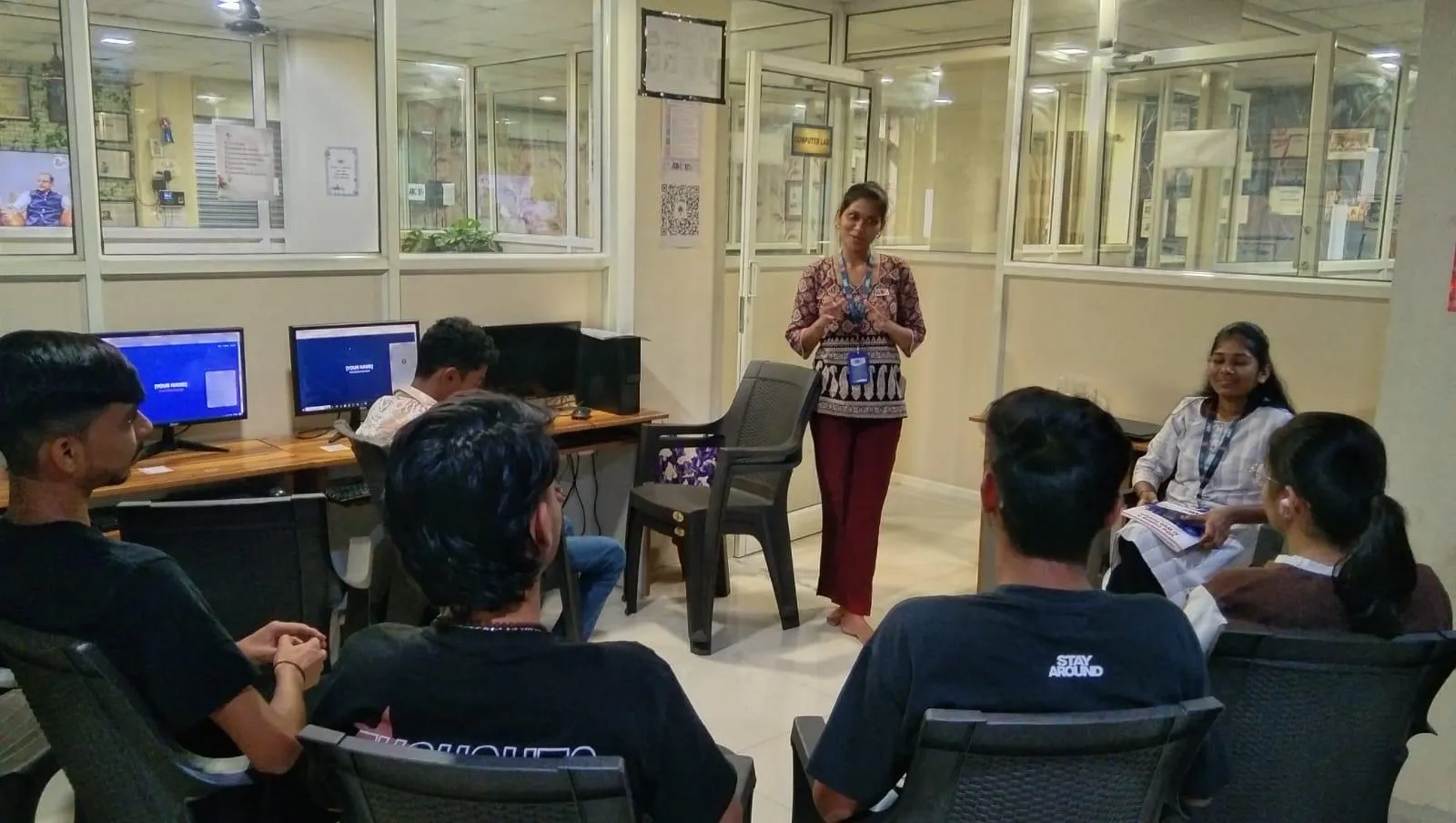
Python is a high-level programming language known for readable syntax, fast development, and broad industry use. It's used in web development, automation, data analytics, machine learning, testing, scripting, and backend systems. In India, Python is one of the most practical first languages because it connects directly to jobs and project work.
Companies like Infosys, TCS, KPIT Technologies, Bosch, Siemens, and Tata Technologies use Python in different ways depending on the team. A data team may use Python with Pandas and NumPy. A testing team may use it for automation. A backend team may use frameworks like Django or Flask. The good news is, the foundational concepts remain the same.
What most people don't realize is that Python isn't just easy to read. It's also strict in ways that force good habits. Indentation matters. Data types matter. Logic matters. If you ignore the basics now, your confusion shows up later when you start functions, file handling, APIs, or object-oriented programming.
How should beginners install Python and set up the right environment?
Start with a stable version like Python 3.12 or the current Python 3 release available from the official website. On Windows, make sure you select the option to add Python to PATH during installation. Don't skip this. Trust me, half of beginner setup problems start there.
For writing code, beginners often use IDLE, but a better long-term option is Visual Studio Code. If you're serious, install VS Code, Python extension support, and learn how to run files from the terminal. That one habit gives you confidence early.
A clean beginner setup should include:
- Python installed correctly
- VS Code or a similar editor
- Terminal access for running .py files
- Basic folder organization for practice programs
- A habit of saving and rerunning code repeatedly
If you're learning in Pune, Chhatrapati Sambhajinagar, or Sangli, this is exactly the stage where guided lab practice helps. At ABC Trainings, we usually see students improve faster when they stop switching between five tools and stick to one practical workflow.
Which Python core concepts should you master first?
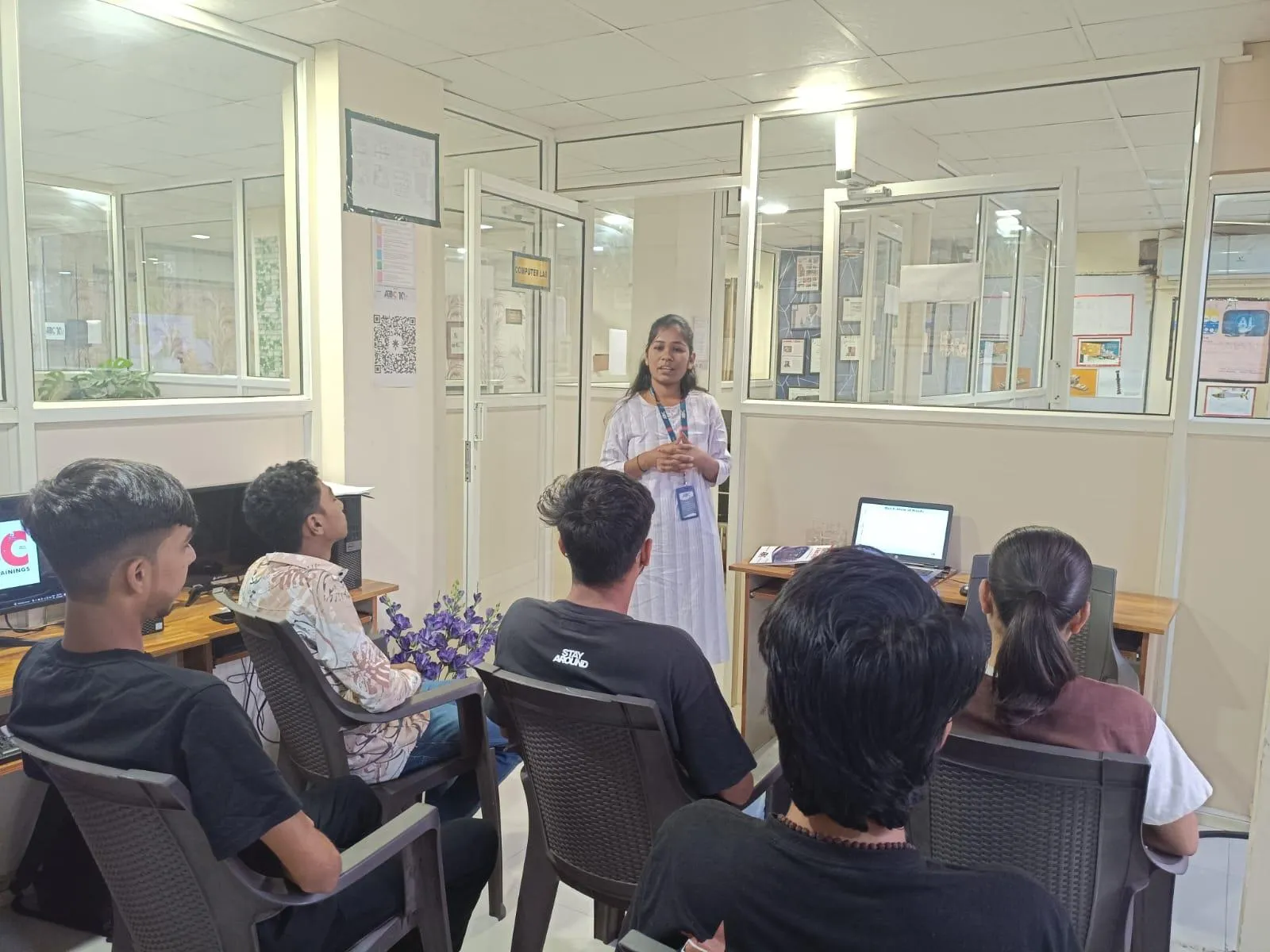
The first layer of Python is small, but it must be solid. Focus on these concepts in order:
- Output: using print() correctly
- Variables: storing values with meaningful names
- Data types: int, float, str, bool
- Input: taking user input and converting types
- Operators: arithmetic, comparison, logical
- Conditions: if, elif, else
- Loops: for and while
- Functions: reusing logic cleanly
Here's the thing: these topics look simple individually, but the real skill is combining them. For example, a small billing program needs input, variables, type conversion, conditions, operators, and output formatting. That's how actual logic starts building.
Why do beginners struggle even after learning syntax?
Because syntax is not programming. Logic is programming. You can memorize how a for loop looks and still fail to solve a simple problem. That's normal. The gap usually comes from three issues.
- They don't understand how data moves through a program
- They avoid dry-running the code line by line
- They practice isolated commands instead of mini problems
What most people don't realize is that Python becomes easy only when you start predicting output before running the code. That habit changes everything. If a student can look at a few lines and tell me what the variables contain after each step, I know they're progressing properly.
What are the best power-user habits to learn Python faster?
Even at the basics stage, you can use advanced learning habits that save months later.
1. Use meaningful variable names
Don't write x, y, z for everything. Use student_name, total_marks, salary_per_month. Clear names reduce mistakes and make your code readable in interviews and team projects.
2. Practice type conversion intentionally
A lot of beginners forget that input() returns text. So when they expect numbers, their logic breaks. Always check where you need int() or float(). This becomes very important in billing tools, calculator programs, and data processing.
3. Learn indentation discipline early
Python depends on indentation. If your code blocks are inconsistent, your program fails. Professionals build neat formatting habits from day one. Use auto-formatting in VS Code and stay consistent with spaces.
4. Debug with print checkpoints
Before learning advanced debuggers, use print statements smartly. Print variable values after major steps. It's simple, but it teaches how logic flows.
5. Write tiny programs, not just examples
Create a marks calculator, attendance checker, GST bill generator, simple interest tool, or salary breakdown program. These are basic, but they force real thinking.
How do Python basics connect to real careers in Maharashtra?
Once your fundamentals are strong, Python opens multiple directions. A student in Pune may move into data analytics. Someone in Chhatrapati Sambhajinagar may add Python to manual testing and shift into automation. A mechanical or electrical student may use Python for scripting, reporting, or basic data handling.
Entry-level salary depends on role, city, and skill depth. In Maharashtra, a fresher with practical Python knowledge can typically see opportunities around ₹2.4 lakh to ₹4.8 lakh per year. If Python is combined with SQL, Excel, automation, or data tools, that number can move higher. In firms connected to engineering services and software support, candidates with hands-on logic do better than candidates who only hold certificates.
I've seen learners from Sangli and Sambhajinagar start with pure basics and then move into job-ready paths for support scripting, QA automation, data cleaning, and junior development. The good news is, Python rewards consistency more than background. You don't need to be from a top engineering college to get good at it.
What should you learn after Python introduction and core concepts?
After the first layer, move in a proper sequence:
- Strings and string methods
- Lists, tuples, sets, dictionaries
- Functions in depth
- File handling
- Exception handling
- Modules and packages
- Object-oriented programming basics
- Libraries based on your career path
If your goal is data, go toward NumPy, Pandas, and Matplotlib. If your goal is web development, move toward Flask or Django. If your goal is automation, focus on scripting, file handling, Excel workflows, and testing basics.
Don't rush into AI just because it sounds exciting. Trust me, students who skip the basics struggle badly when they hit functions, loops inside loops, data structures, or debugging. Strong fundamentals still beat fast shortcuts.
How can you learn Python seriously instead of casually?
Set a 45 to 60 minute daily routine. Spend one part understanding the concept, one part writing code from memory, and one part solving a small problem. That's a much better method than only watching videos.
A practical weekly structure looks like this:
- 3 days for concept learning
- 2 days for coding practice
- 1 day for mini project work
- 1 day for revision and error fixing
If you want guided training with proper exercises, doubt support, and job-focused direction, you can contact ABC Trainings at 7039169629 or WhatsApp 7774002496. That's especially useful if you want classroom structure in Maharashtra instead of learning randomly online.
Is Python good for beginners in India in 2026?
Yes, Python is still one of the best starting languages in India because it's easy to read and connects directly to careers in data, automation, web development, testing, and AI. The demand remains strong across cities like Pune, Mumbai, and Nagpur. If you learn the basics properly and practice regularly, Python gives you a strong long-term base.
How much time does it take to learn Python basics properly?
For most students, Python basics take around 4 to 8 weeks with regular daily practice. That means understanding variables, data types, conditions, loops, functions, and simple problem-solving. If you only watch tutorials without coding yourself, it will take much longer.
Can non-IT students in Maharashtra learn Python?
Absolutely. Students from mechanical, civil, electrical, BCom, BSc, and diploma backgrounds can learn Python if the teaching is practical and structured. Many non-IT learners use Python for automation, reporting, analytics, and entry-level software roles. Your branch matters less than your consistency.
What is the best way to start Python after this introduction?
Start by setting up Python and VS Code, then practice print, variables, input, data types, operators, conditions, and loops in sequence. After that, solve small real-life programs instead of only textbook examples. If you want faster progress, join a structured Python course with trainer feedback and regular assignments.
Visit Our Centers
Chhatrapati Sambhajinagar
Corporate Office (HQ)
2nd Floor, Kandi Towers, Jalna Road, Amarpreet Chowk, Chhatrapati Sambhajinagar, Maharashtra 431001
Osmanpura Branch
Plot No 14, Shanya Sect, Near Sant Eknath Rang Mandir, Osmanpura, Chhatrapati Sambhajinagar, Maharashtra 431005
CIDCO Branch
Plot No 4, N-3, Cidco, Opp. High Court, Chhatrapati Sambhajinagar, Maharashtra 431003
Pune
Wagholi Branch
1st Floor, ABC Trainings, Laxmi Datta Arcade, Pune - Ahilyanagar Hwy, Wagholi, Pune, Maharashtra 412207
Hadapsar Branch
Bloom Hotel, ABC Trainings 1st Floor, S.no 156/3 Shree Tower Pune - Solapur Rd, Hadapsar, Pune, Maharashtra 411028
Sangli
Sangli Branch
2nd Floor, Vasant Market, Opp. City High School, Sangli, Maharashtra 416416
Start Your Career Journey Today
Join 10,000+ students who transformed their careers with ABC Trainings.
💬 WhatsApp: 7774002496📞 Call: 7039169629