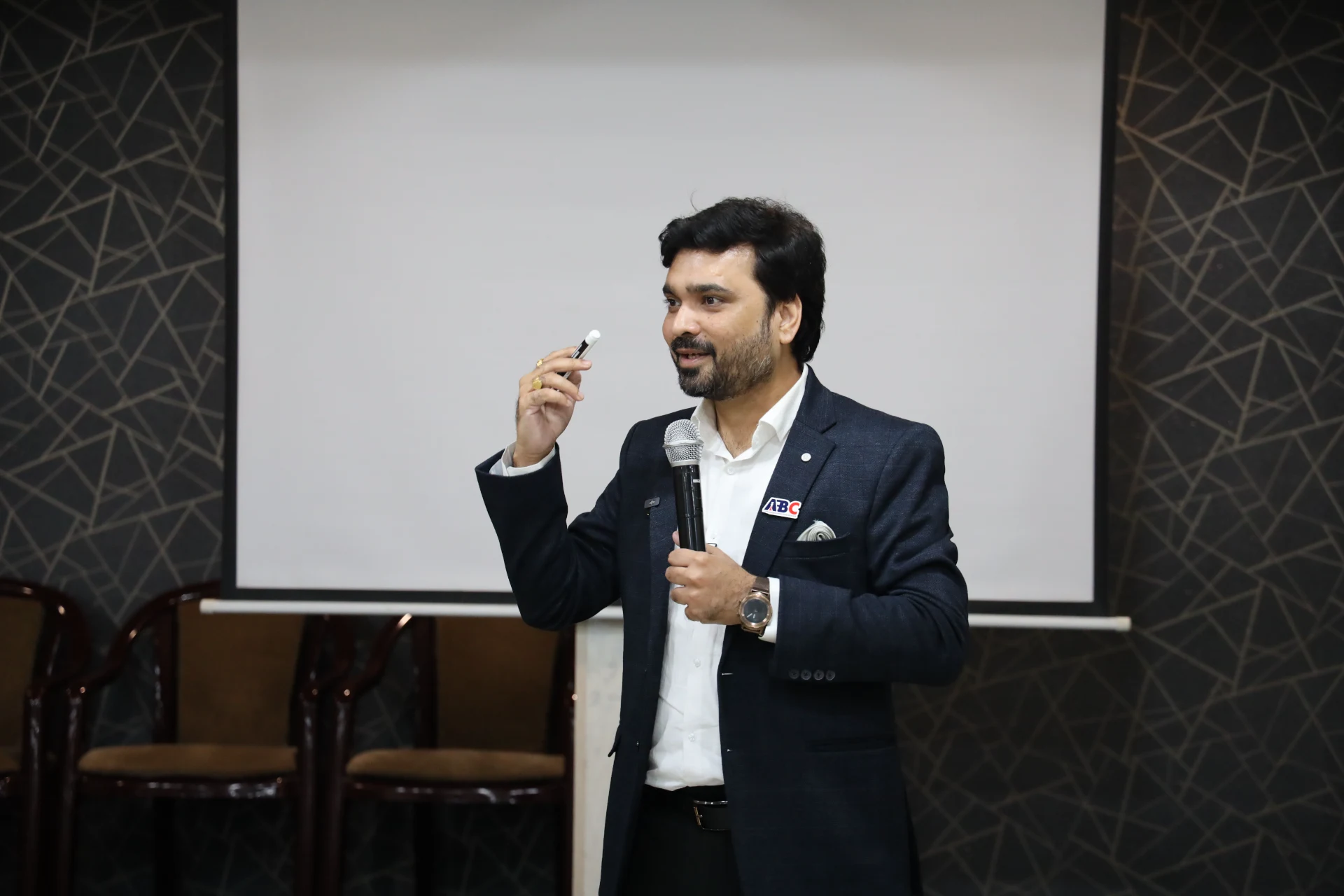
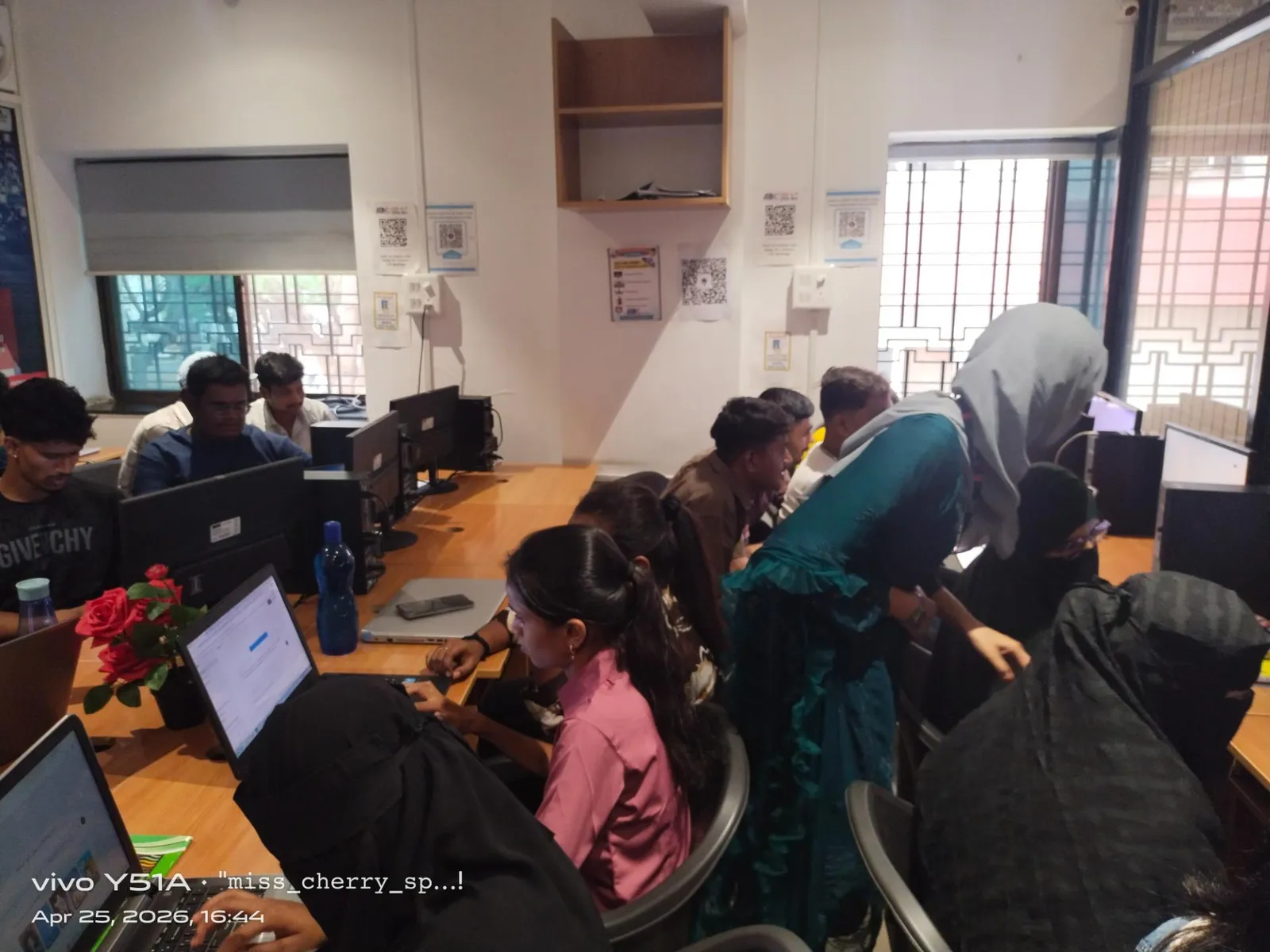
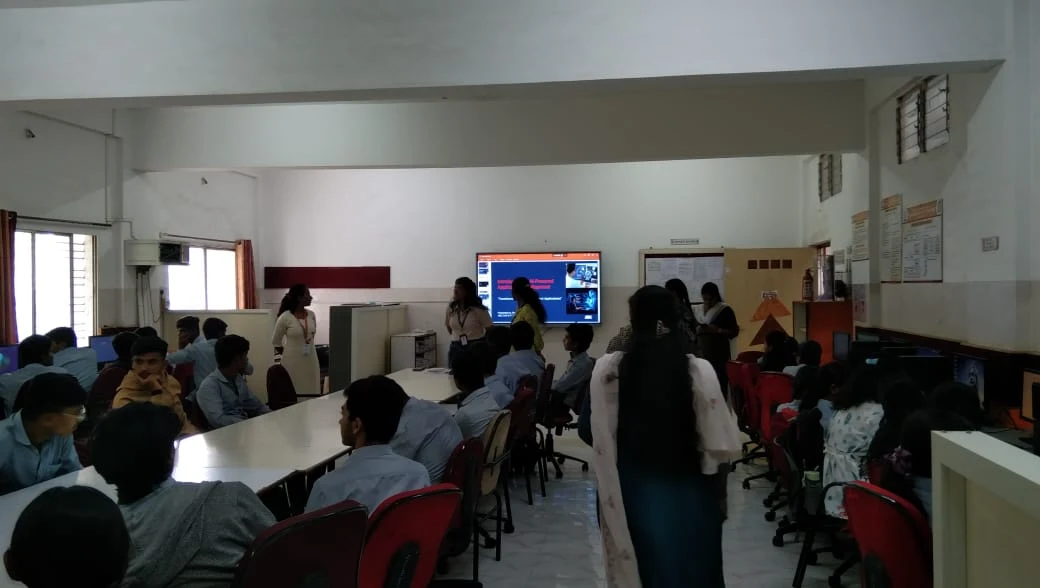
Engineering students across Maharashtra are asking the same question: how do you use AI without becoming dependent on it, and how do you turn internships into real job offers? This guide on AI and internship skills for engineering students in India 2026 is built from the practical themes highlighted in the ABC Trainings conversation featuring Dr. Trishul Kulkarni of MIT. If you already know the basics of resumes, aptitude rounds, and internships, let's go deeper into what actually makes a student placement-ready in Pune, Chhatrapati Sambhajinagar, Sangli, and beyond.

Here's the thing: recruiters at companies like TCS, Infosys, KPIT Technologies, Siemens, Bosch, Tata Technologies, and L&T don't hire students just because they watched AI videos or completed random certificates. They shortlist students who can show proof of thinking, proof of execution, and proof of consistency. Trust me, the students who win are usually not the loudest. They're the ones with sharper project choices, better internship discipline, and smarter use of AI tools.
How should engineering students use AI without hurting their fundamentals?
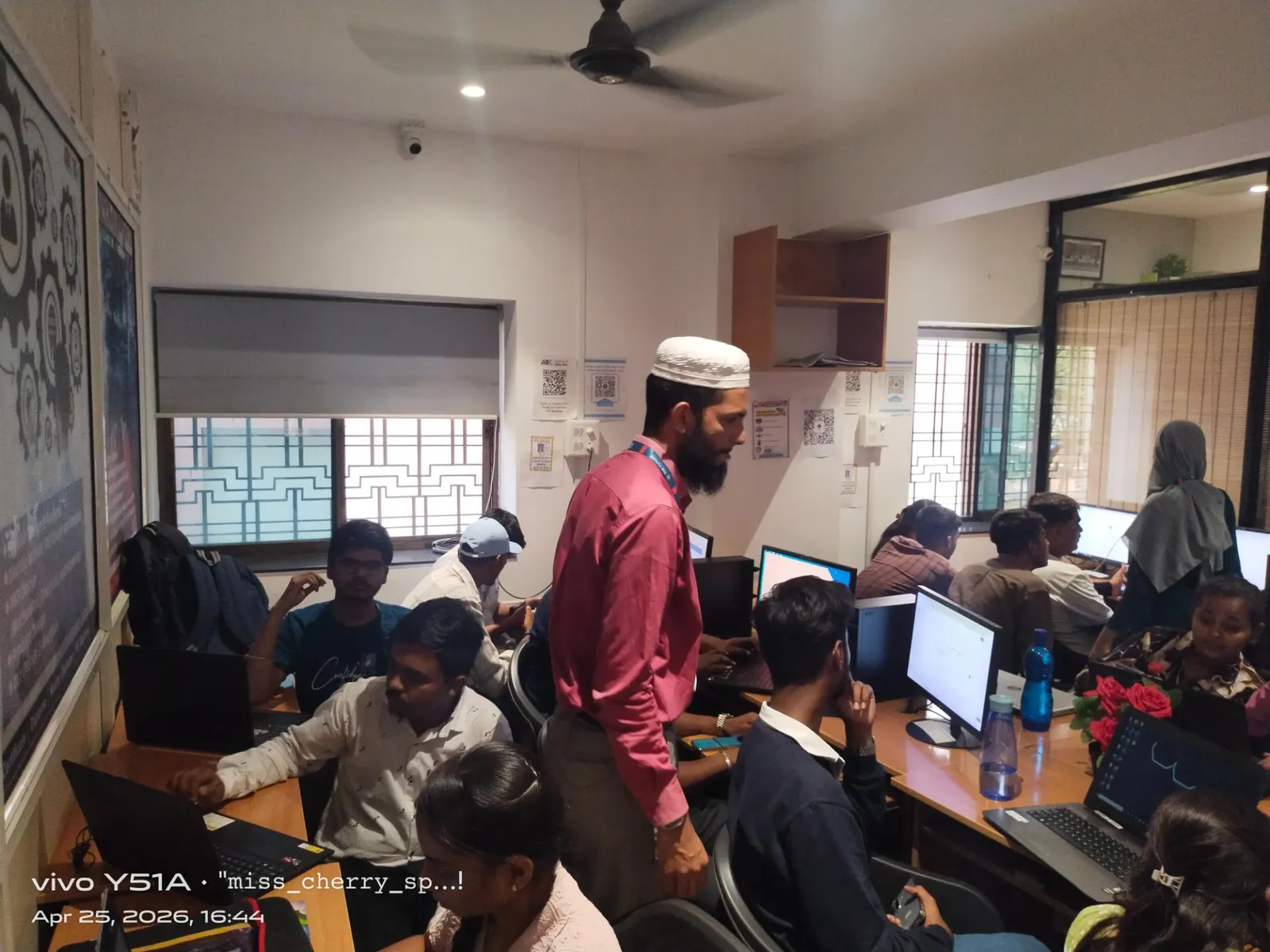
What most people don't realize is that AI is now part of the workflow, but fundamentals still decide whether you'll survive technical interviews. If you're from mechanical, civil, electrical, electronics, or IT, use AI as a second brain, not as a replacement brain.
At an advanced level, your AI workflow should look like this:
- Use AI to summarize topics after you study them from standard sources.
- Ask AI to generate viva questions from your own notes or lab work.
- Use AI to compare approaches: for example, PLC logic vs embedded control, Python vs SQL for data work, or manual testing vs automation basics.
- Ask AI to critique your resume, internship report, and project explanation.
- Use AI to simulate recruiter questions based on the exact company role.
The mistake students make is copying AI output blindly. In a real interview at Mahindra Engineering or Kirloskar, if your answer sounds polished but you can't explain one line deeply, you're out. The good news is, AI becomes very powerful when you feed it your own project data, your own CAD screenshots, your own code snippets, or your own training notes.
What advanced internship strategy actually gets noticed in Maharashtra?
Basic advice says, "do an internship." That's not enough anymore. In 2026, your internship strategy needs three layers: relevance, evidence, and communication.
1. Choose internships that match your target role
If you want design roles, don't spend your whole internship doing only documentation. If you want software roles, don't finish an internship without GitHub proof. If you want automation or manufacturing roles, make sure you can explain machines, process flow, downtime, sensors, quality, and reporting.
2. Keep a weekly proof file
Create one folder with dated screenshots, task summaries, supervisor comments, and mini learnings. This becomes interview gold. When a recruiter from Bosch or Siemens asks, "What exactly did you do?" you'll answer with specifics instead of vague statements.
3. Build one measurable outcome
Even as an intern, try to improve one thing: report turnaround time, documentation accuracy, dashboard clarity, testing speed, code readability, or process tracking. Numbers matter. Saying "I improved reporting time by 20% using Excel automation" is far stronger than saying "I assisted the team."
How do toppers and smart average students prepare differently for placements?
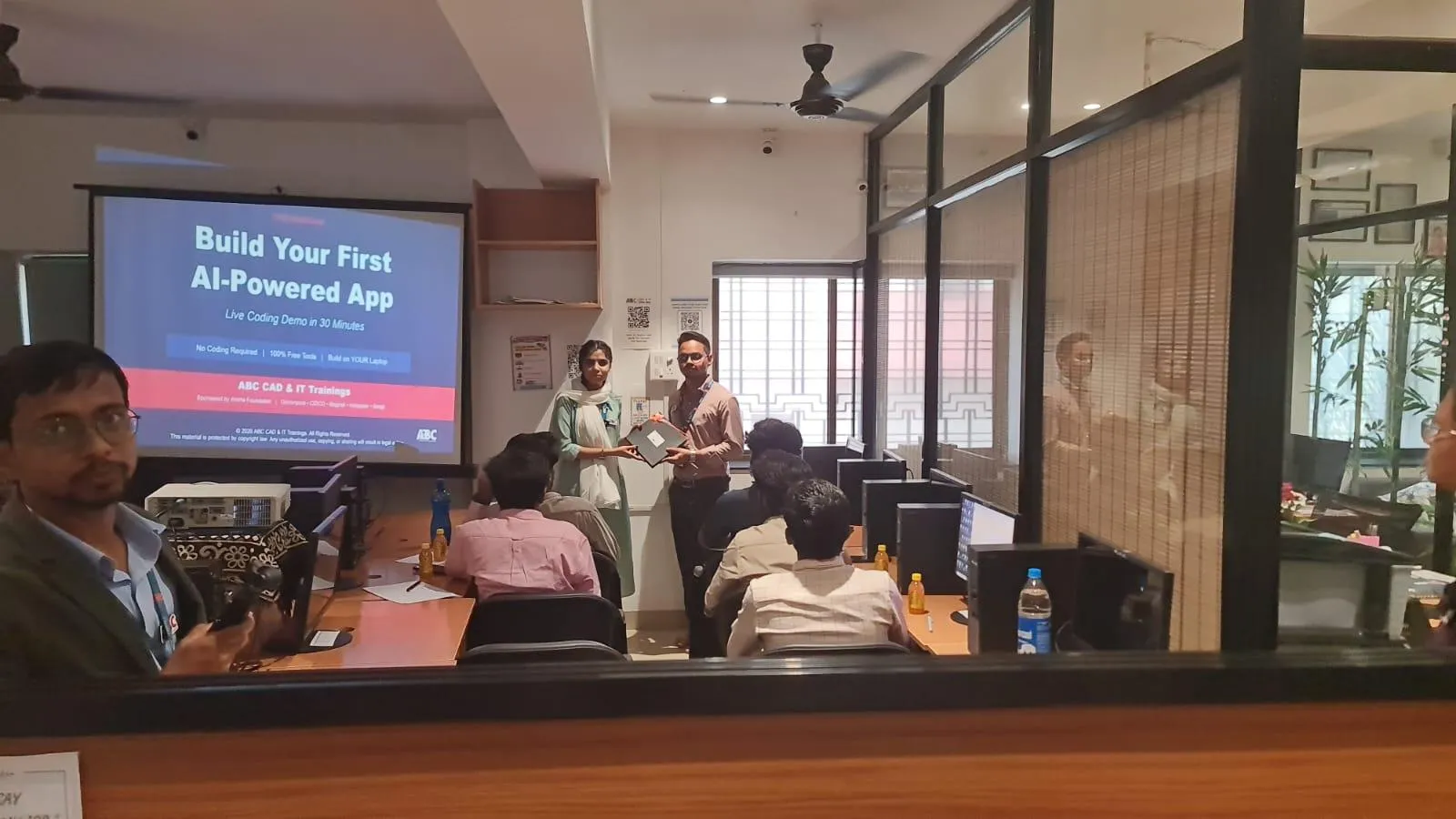
I've seen this for years. Toppers often rely on marks. Smart average students rely on strategy. The students who get placed consistently usually combine both enough academic credibility and enough practical confidence.
Here is an advanced placement workflow you can follow:
- Company bucket method: Split target companies into service, product, manufacturing, and core engineering buckets.
- Skill mapping sheet: For each company, list required tools, interview patterns, and expected communication level.
- Project depth sheet: Prepare one-page breakdowns of 2 major projects and 1 mini project.
- AI mock round practice: Run technical, HR, and case-style questions every week.
- Revision blocks: Keep 30-minute daily revision for aptitude, fundamentals, and current industry trends.
Here's the thing: if you're targeting Infosys or TCS, communication and consistency matter hugely. If you're targeting Tata Technologies, KPIT Technologies, or L&T, role-fit and technical clarity matter more. If you're aiming at Bosch, Siemens, or Thermax, practical understanding of systems and engineering context becomes very important.
Which advanced skills make internship candidates stand out in 2026?
Students often ask for one magic skill. There isn't one. But there is a strong combination. For engineering and IT students in India, these advanced skills are getting noticed:
- AI-assisted documentation: Writing project summaries, SOP drafts, test cases, and reports faster but with your own technical validation.
- Data handling: Excel advanced formulas, dashboards, SQL basics to intermediate querying, and reporting logic.
- Presentation skills: Explaining technical work in plain language to HR, team leads, and clients.
- Version discipline: For IT students, Git/GitHub basics are almost mandatory. For engineering students, version control of drawings, reports, and revisions matters too.
- Tool stack awareness: Knowing where Python, Power BI, SQL, AutoCAD, Revit, MATLAB, PLC tools, or embedded tools fit in actual workflows.
What most people don't realize is that recruiters don't always expect mastery. They expect evidence that you can learn fast in a structured way.
How can students from smaller cities compete with Pune students?
This matters a lot for students from Beed, Sangli, Kolhapur, Satara, Ahmednagar, Latur, and Chhatrapati Sambhajinagar. Many students assume metro-city exposure automatically wins. That's not true anymore.
You can compete strongly if you do these things well:
- Maintain a clean LinkedIn profile with internship proof, project summaries, and certifications.
- Create a portfolio PDF, not just a resume.
- Record 60-second self-introduction videos in English and practice until natural.
- Follow 20 target companies and track openings regularly.
- Build one domain-focused capstone project instead of collecting 10 weak certificates.
Trust me, many recruiters care more about clarity and seriousness than accent or city background. A disciplined student from Sangli with project proof can easily outperform a confused student from Pune with fancy wording and no substance.
What should you say in interviews about AI, internships, and career goals?
Your answer should show maturity. Don't say AI will do everything. Don't say you just want any job. And don't describe your internship like a college formality.
A stronger answer sounds like this: you used AI to speed up understanding and draft structure, but validated everything through manuals, faculty guidance, software practice, and project testing. Then explain how your internship helped you understand team workflow, deadlines, documentation, and practical problem-solving. Finally, connect that experience to the role you're applying for.
That kind of answer works because it's balanced. It shows curiosity without overclaiming. It shows ambition without sounding unrealistic.
How do you build a serious 90-day placement plan?
If you're in final year or just before placement season, use this 90-day structure:
- Days 1-30: Fix resume, LinkedIn, aptitude base, communication practice, and one project explanation.
- Days 31-60: Start AI-assisted mock interviews, company-specific prep, and internship storytelling practice.
- Days 61-90: Solve role-based questions, improve weak areas, and rehearse introductions, technical walkthroughs, and HR answers.
The good news is that focused preparation still works. You don't need 15 hours a day. You need 2 to 3 serious hours daily with the right structure.
If you want guided training for job-ready software, technical communication, and interview-focused skills, ABC Trainings helps students across Maharashtra build practical confidence. You can call 8698270088 or WhatsApp 7774002496 to understand suitable training options based on your branch and target role.
At ABC Trainings, we often tell students one simple thing: don't prepare to impress your classmates. Prepare to make a recruiter trust you with real work. That's a completely different level of preparation, and that's where placements start changing.
Can AI help engineering students get internships in Maharashtra?
Yes, but only if you use it correctly. AI can help you improve resumes, prepare for interviews, summarize technical topics, and draft reports faster. But companies in Pune, Nashik, and Chhatrapati Sambhajinagar still test whether you understand the work yourself. Use AI for support, not for copying.
What is a good internship stipend for engineering students in India in 2026?
For many student internships, stipends may range from ₹5,000 to ₹15,000 per month, while stronger technical internships in software, analytics, or specialized engineering teams can go from ₹15,000 to ₹30,000. Some internships are unpaid but still useful if the work quality is strong. Focus on learning, proof of work, and conversion potential, not just stipend amount.
Which companies value internships and practical projects the most?
Companies like TCS, Infosys, KPIT Technologies, Bosch, Siemens, Tata Technologies, L&T, Thermax, and Mahindra Engineering all value practical exposure, though in different ways. Service companies often check communication, aptitude, and consistency. Product, manufacturing, and engineering firms usually go deeper into projects, tools, and problem-solving ability.
How can Maharashtra students improve placement chances if they are not from top colleges?
Start by building a strong resume, project portfolio, LinkedIn profile, and internship proof. Practice technical explanations, aptitude, and mock interviews every week. Add job-relevant software or IT skills through proper training if your college exposure is limited. Students from smaller cities can absolutely compete if they show seriousness, clarity, and execution.
Visit Our Centers
Chhatrapati Sambhajinagar
Corporate Office (HQ)
2nd Floor, Kandi Towers, Jalna Road, Amarpreet Chowk, Chhatrapati Sambhajinagar, Maharashtra 431001
Osmanpura Branch
Plot No 14, Shanya Sect, Near Sant Eknath Rang Mandir, Osmanpura, Chhatrapati Sambhajinagar, Maharashtra 431005
CIDCO Branch
Plot No 4, N-3, Cidco, Opp. High Court, Chhatrapati Sambhajinagar, Maharashtra 431003
Pune
Wagholi Branch
1st Floor, ABC Trainings, Laxmi Datta Arcade, Pune - Ahilyanagar Hwy, Wagholi, Pune, Maharashtra 412207
Hadapsar Branch
Bloom Hotel, ABC Trainings 1st Floor, S.no 156/3 Shree Tower Pune - Solapur Rd, Hadapsar, Pune, Maharashtra 411028
Sangli
Sangli Branch
2nd Floor, Vasant Market, Opp. City High School, Sangli, Maharashtra 416416
Start Your Career Journey Today
Join 10,000+ students who transformed their careers with ABC Trainings.
💬 WhatsApp: 7774002496📞 Call: 8698270088