PLC Training in Sangli: ITI to Automation Engineer 2026
If you're searching for a real career path after PLC training in Sangli, let's keep it practical. Many ITI students think automation jobs are only for diploma or BE engineers. That's not true. I've seen ITI Electrician, Wireman, Fitter, and Electronics students move into panel wiring, PLC programming support, maintenance, and then full automation engineer roles within a few years. Here's the thing: your growth depends less on your starting qualification and more on which tools you learn, how fast you can troubleshoot, and whether you understand real factory work.
In Sangli, Kolhapur, Pune, Satara, and even Chhatrapati Sambhajinagar, industries want people who can handle PLCs, HMIs, SCADA screens, sensors, VFDs, and electrical drawings. The good news is, you don't need to master every software on day one. You need the right sequence. Trust me, that's where many students waste time.
What is the career path from ITI to automation engineer?
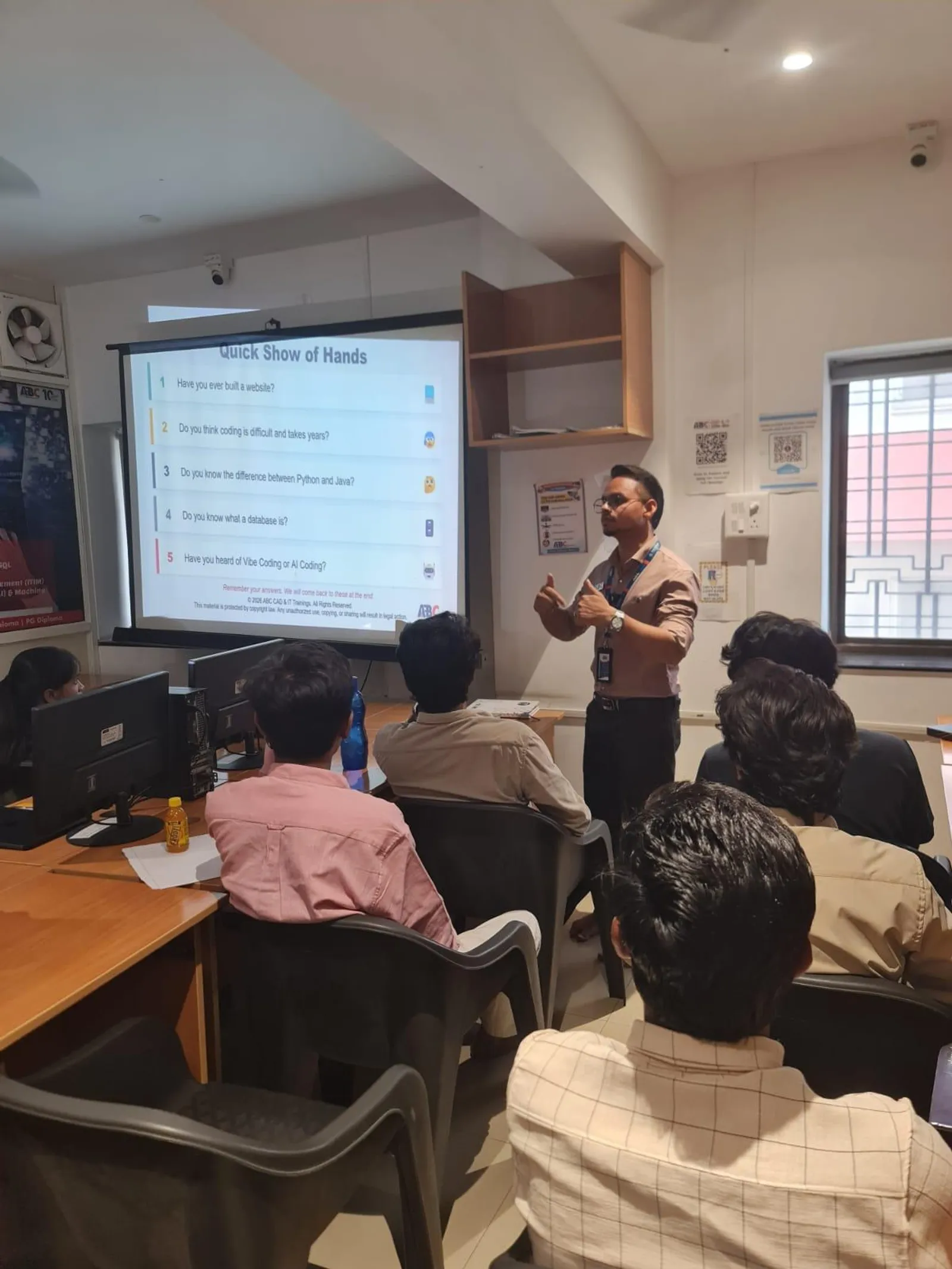
The usual path is simple, but not always easy:
ITI student → electrical technician / panel wiring trainee → PLC operator or maintenance trainee → PLC programmer support → automation engineer.
In the first job, you may start with wiring, relay logic, contactors, sensors, and reading control panels. Salary can begin around ₹12,000 to ₹18,000 per month in Sangli, Kolhapur, or Miraj for freshers. After PLC and SCADA skills, many move to ₹18,000 to ₹28,000. With 2 to 4 years of hands-on experience, automation engineers in Pune, Nashik, and Mumbai often reach ₹3.6 lakh to ₹6.5 lakh per year. Strong programmers with commissioning experience can go higher.
What most people don't realize is that factories don't hire only for coding. They hire for uptime. If a machine stops, can you identify whether the issue is in the PLC, sensor, VFD, wiring, HMI, or network? That mindset gets you promoted.
Which automation tools should ITI students learn first?
For freshers, the smartest learning order is:
- Electrical basics and control panel components
- Ladder logic programming
- HMI screen development
- SCADA basics
- VFD parameter setting
- Industrial communication basics like Modbus, Profinet, Ethernet/IP
Don't start with advanced motion control or complex DCS concepts. First learn how a motor starts, how an overload trips, how a sensor gives input, and how a PLC reacts. Once that becomes clear, software will make sense.
Siemens vs Allen-Bradley vs Mitsubishi PLC: which is better in India?
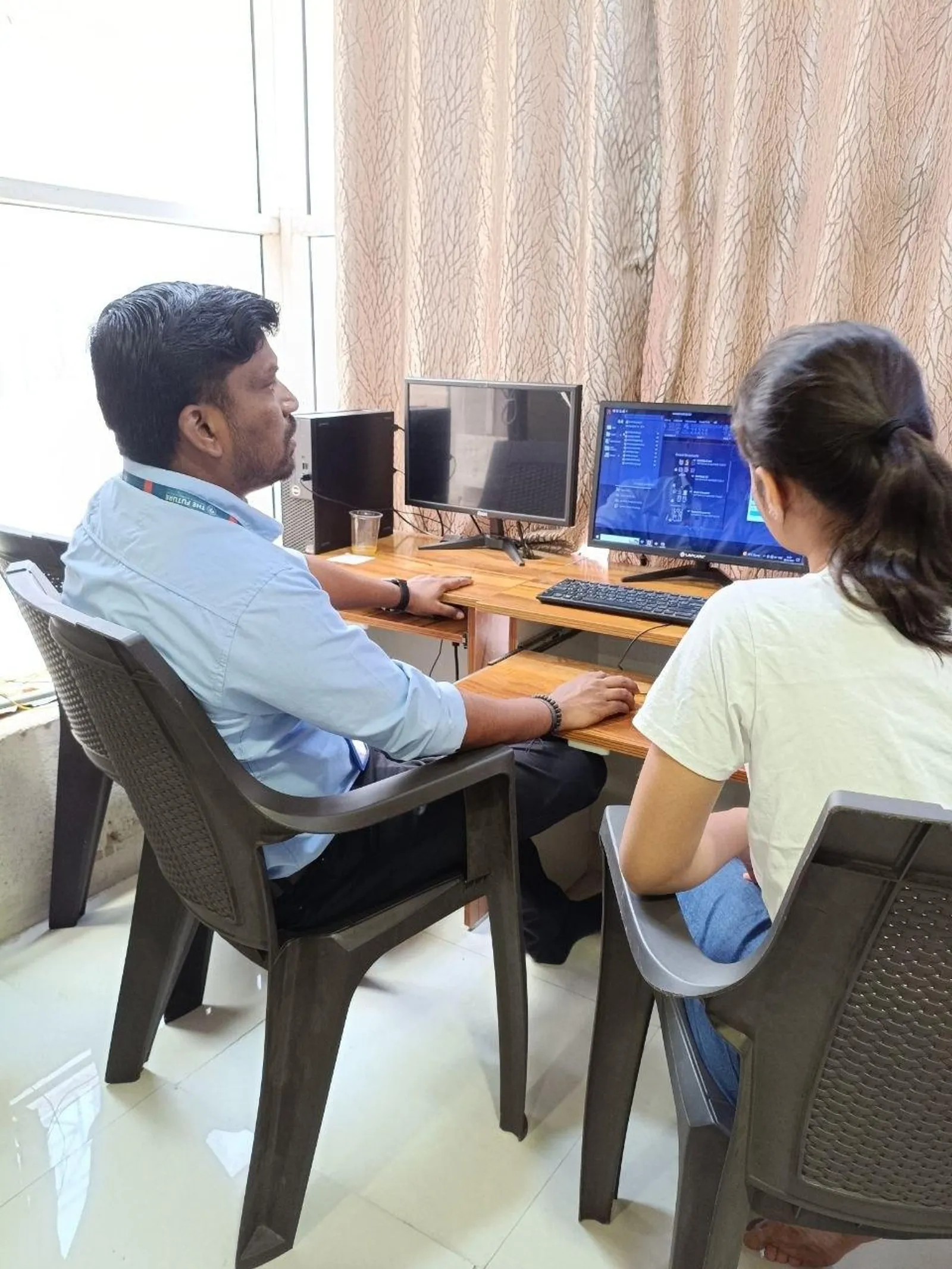
This is the comparison most students ask for, and the answer depends on your target companies.
Siemens PLC with TIA Portal V19
Best for: Freshers and students targeting Indian manufacturing, process plants, OEMs, and system integrators.
Used by: Siemens ecosystem projects, L&T, Thermax, Kirloskar, many packaging, water treatment, food processing, and machine-building companies.
Why it matters: Siemens is widely seen in Indian factories. TIA Portal combines PLC, HMI, drives, and networking in one environment, so it's easier to understand complete automation flow.
Learning curve: Moderate. Good for beginners if trained properly.
Job demand: High across Maharashtra.
Cost: Licensed software is expensive for companies, but students usually learn on institute setups or demo environments.
My take: If you're from ITI and want the best entry point, start here.
Allen-Bradley PLC with Studio 5000
Best for: Experienced candidates or students targeting multinational plants.
Used by: Bosch, some automotive lines, high-end manufacturing setups, export-oriented plants, and global integrators.
Why it matters: Allen-Bradley is common in advanced production systems, especially where global standards are followed.
Learning curve: Higher than Siemens for most beginners.
Job demand: Strong, but fewer openings compared to Siemens at entry level in smaller cities.
Cost: Software and hardware ecosystem are costly.
My take: Great second platform after Siemens. Don't make it your first tool unless your target employer specifically uses it.
Mitsubishi PLC with GX Works3
Best for: Machine automation, OEMs, compact industrial systems.
Used by: Smaller machine builders, packaging units, local automation integrators.
Learning curve: Moderate.
Job demand: Decent in machine-building roles.
Cost: Lower ecosystem cost than some global premium brands.
My take: Useful in practical field jobs. Good add-on skill after Siemens basics.
What about SCADA and HMI software after PLC?
PLC alone is not enough anymore. Companies want engineers who can also create operator screens and monitor systems.
WinCC in TIA Portal
Best for students already learning Siemens. It's the smoothest path because PLC and HMI stay in one software family. Freshers understand tag linking and alarms faster here.
FactoryTalk View
Common with Allen-Bradley systems. Good for large industrial setups, but beginners may find it less friendly than WinCC if they don't know the Rockwell ecosystem.
Ignition SCADA
Growing in modern plants because of licensing flexibility and web-based deployment. Experienced engineers and system integrators value it. Freshers can learn basics, but first focus on PLC logic and HMI fundamentals.
Wonderware InTouch / AVEVA
Still seen in process industries and older installations. Good to know, but not mandatory as a first skill for ITI students.
Which tools are best for freshers vs experienced candidates?
Best for freshers:
- Siemens S7-1200 PLC
- TIA Portal V19
- Basic WinCC HMI
- Delta or Siemens VFD basics
- Sensors, relays, contactors, timers, panel wiring
- Modbus and Profinet basics
Best for experienced candidates:
- Allen-Bradley ControlLogix / CompactLogix
- Studio 5000
- FactoryTalk View
- Ignition SCADA
- Servo drives, motion control
- Industrial networking and troubleshooting
Here's the thing: freshers should build confidence on one common platform. Experienced people should become multi-platform engineers because that's where salary jumps happen.
Which companies use these automation tools in Maharashtra?
No company publicly lists every PLC brand used in every plant, but based on industry patterns, here's what students should know.
- Bajaj Auto and Mahindra Engineering: automotive manufacturing environments often use mixed automation setups, with Siemens and Allen-Bradley both relevant depending on the line.
- Tata Technologies and KPIT Technologies: more engineering and digital roles, where automation understanding helps in integration, simulation, and smart manufacturing projects.
- Bosch and Siemens: high-standard industrial automation environments where advanced PLC and controls knowledge is valuable.
- L&T, Thermax, and Kirloskar: process, equipment, EPC, and industrial systems where Siemens-based controls are often highly useful.
- Infosys and TCS: not typical PLC programming employers for core shop-floor roles, but industrial digitalization, MES, IoT, and smart factory projects can value automation domain knowledge.
If you're targeting Sangli and Kolhapur first, local system integrators and machine manufacturers are often the best starting point. They may not be famous brands, but they give real commissioning exposure fast.
How much does it cost to learn PLC and automation in Sangli?
Course fees vary by depth, hardware access, and whether you get practical training. Basic PLC-only training may be around ₹15,000 to ₹25,000. A stronger job-focused package with PLC, SCADA, HMI, VFD, panel practicals, and interview prep can go from ₹25,000 to ₹45,000.
Don't choose only by lowest fee. Ask these questions:
- Will I get hands-on PLC hardware practice?
- Which software versions will I learn?
- Will I create real industrial logic, not just start-stop examples?
- Will I learn fault finding?
- Are placement support and mock interviews included?
At ABC Trainings, students usually ask for the practical route because that's what employers test. If you want details for Sangli batches, you can call 8698270088 or WhatsApp 7774002496.
What salary can you expect after PLC training?
For ITI freshers in Sangli, Miraj, and Kolhapur, starting salaries usually fall between ₹12,000 and ₹18,000 per month. If you can handle PLC troubleshooting, HMI changes, and commissioning support, you may get ₹18,000 to ₹25,000. In Pune industrial zones like Chakan, Bhosari, and Talegaon, better roles can offer ₹2.4 lakh to ₹4.2 lakh per year to juniors.
With 3 to 5 years of experience in Siemens, Allen-Bradley, SCADA, and site commissioning, many automation engineers earn ₹5 lakh to ₹8 lakh per year. Some travel-based project roles pay more because shutdown and commissioning work is demanding.
How should an ITI student choose the right automation path?
My straight answer: start with Siemens PLC + HMI + electrical troubleshooting. Then add SCADA and one more PLC platform later. That's the safest path for employability.
Trust me, trying to learn five brands at once usually confuses beginners. Learn one platform deeply enough to build, test, and debug. Then your second and third software become easier. The good news is that automation rewards practical people. If you enjoy machines, logic, and problem-solving, this field can take you from ITI trainee to automation engineer faster than many students expect.
If you want structured training, practical lab work, and a roadmap that matches actual Maharashtra factory jobs, ABC Trainings is one option students often consider in Sangli. The right training plus shop-floor discipline can change your career direction completely.
Can an ITI electrician become an automation engineer in Maharashtra?
Yes, absolutely. Many start as maintenance trainees or panel wiring technicians and move into PLC and HMI roles after gaining practical exposure. In Maharashtra, companies care a lot about troubleshooting ability, safety, and machine understanding. If you add Siemens PLC, SCADA basics, and industrial electrical knowledge, your chances improve a lot.
Which PLC software is easiest for beginners in Sangli?
For most beginners, Siemens TIA Portal with S7-1200 is the easiest practical starting point. It gives you PLC, HMI, and basic networking in one learning path. That's why many freshers understand machine logic faster on Siemens than on more advanced ecosystems. Once you are comfortable, you can move to Allen-Bradley or Mitsubishi.
What is the salary after PLC SCADA training for freshers?
In Sangli and nearby cities, freshers often start around ₹12,000 to ₹18,000 per month. With good PLC troubleshooting, HMI editing, and commissioning support, that can move to ₹18,000 to ₹25,000. In Pune and larger industrial clusters, salaries are usually better, especially if you are ready for shift or site work.
Is PLC training enough to get a job, or should I learn SCADA too?
PLC training alone can help you enter maintenance or junior automation roles, but SCADA and HMI give you a stronger edge. Many employers want one person who can understand control logic and operator screens together. If you also know sensors, VFDs, and basic panel troubleshooting, you become much more employable. That's why a combined PLC, HMI, and SCADA path is usually the better choice.
Visit Our Centers
Sangli
Sangli Branch
2nd Floor, Vasant Market, Opp. City High School, Sangli, Maharashtra 416416
Start Your Career Journey Today
Join 10,000+ students who transformed their careers with ABC Trainings.
💬 WhatsApp: 7774002496📞 Call: 8698270088