Arts Graduates in Pune: Can You Get an IT Job After a 6-Month Coding Course? (Updated May 2026) (Updated May 2026)
Here is the thing that no one is being straight with arts graduates in Pune: yes, you can absolutely get an IT job after a 6-month coding course. But only if you choose the right course, build the right portfolio, and go after the right type of role. NASSCOM and Deloitte project a need for 1.25 million AI-ready and tech-skilled professionals by 2027, and a significant portion of those roles — software testing, junior web development, data entry automation, and IT support — do not require a computer science degree. TCS alone was hiring 40,000 freshers in early 2026 after restructuring cycles. Infosys, Wipro, and Persistent Systems maintain active junior developer pipelines. I have trained arts and commerce graduates who are now working as junior Python developers, front-end developers, and QA engineers at Pune IT companies. It is not easy, and it is not guaranteed — but it is absolutely real. Here is the honest roadmap.
- Arts graduates can realistically get an IT job in Pune after 6 months of focused coding training — in the right role type
- Python is the most beginner-friendly language for non-technical graduates; Full Stack (HTML/CSS/JS/React) is the fastest visual route
- Target junior roles: software tester, junior front-end developer, Python automation tester, IT support analyst
- Portfolio projects matter more than your arts degree — build 2–3 real projects and deploy them online
- ABC Trainings Wagholi offers Python and Full Stack courses with placement support designed for career changers
The IT Opportunity That Arts Graduates in Pune Are Missing in 2026
Pune's IT sector is concentrated in Hinjewadi (Rajiv Gandhi Infotech Park), Kharadi (EON IT Park), Baner, Viman Nagar, and Magarpatta. The combined workforce in these areas exceeds 400,000 IT professionals, and the sector is actively hiring at the junior level. What most arts graduates do not realize is that junior IT roles — QA tester, junior web developer, IT operations, CRM executive — do not legally or practically require a CS or engineering degree. They require demonstrated skill, a portfolio, and the ability to clear a basic technical assessment. The barrier is skill, not educational background. And a focused 6-month training program closes that skill gap faster than most people expect.
What a Good 6-Month Coding Course Actually Covers
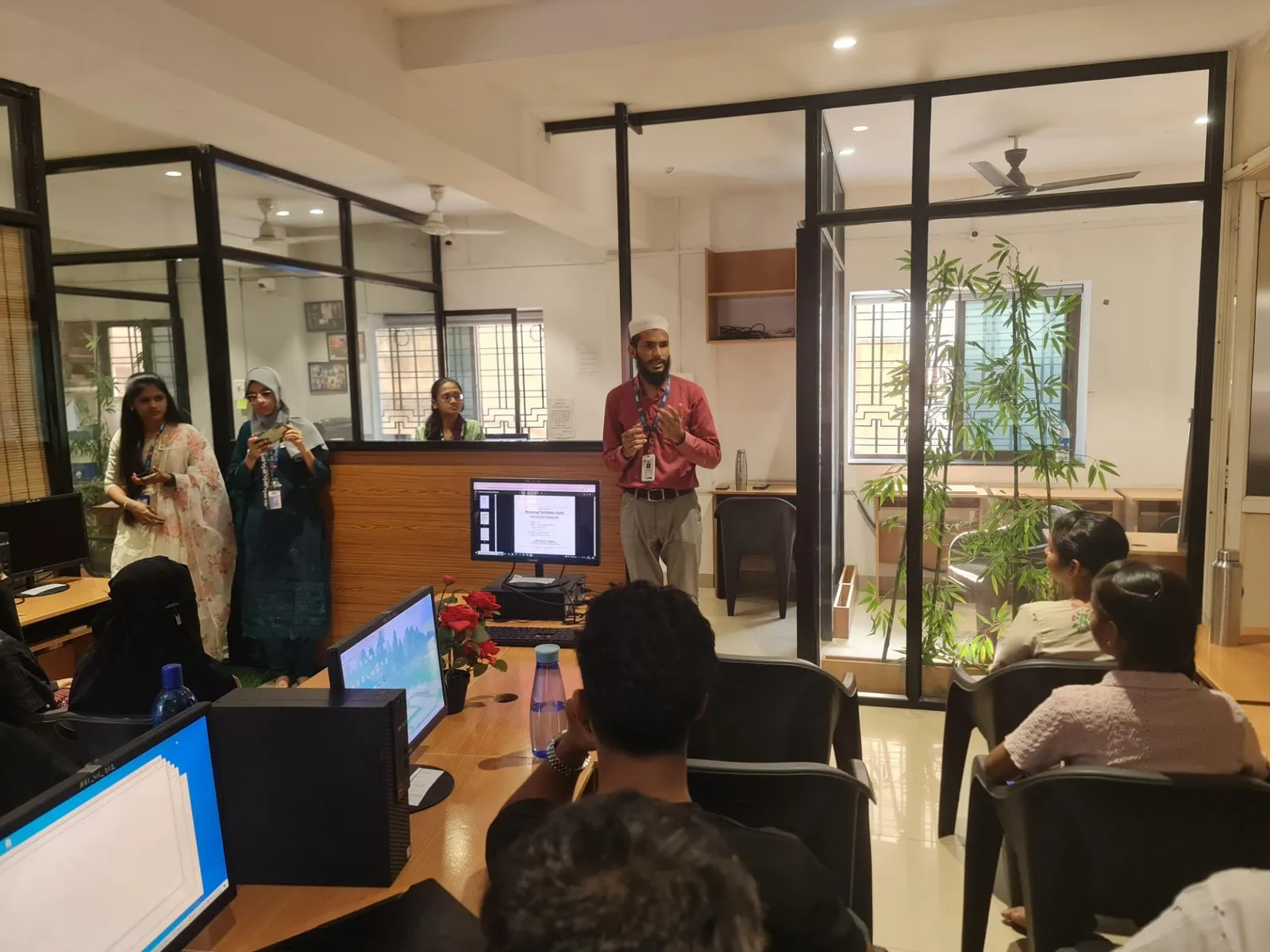
The quality of a 6-month coding course varies enormously. A good course covers: programming fundamentals (variables, loops, functions, object-oriented concepts), at least one applied skill track (Python with projects, or HTML/CSS/JavaScript with a deployed website), version control using Git and GitHub (this is non-negotiable for any IT job), basic SQL for data handling, and a capstone project you build from scratch. What to avoid: courses that only teach theory without projects, courses that cover 10 languages superficially, and courses without placement support or mentor access. At ABC Trainings, our coding courses are project-first — by week 8, students are building and deploying real applications.
Python: The Most Accessible Language for Non-Technical Beginners
Python is the go-to recommendation for arts graduates making the IT switch, and here is why: the syntax is closer to plain English than any other programming language, which means the learning curve for non-technical beginners is significantly lower. You can build useful things in Python within the first two weeks — scripts that automate repetitive tasks, web scrapers, simple data analysis tools. The job roles accessible after Python training include: junior Python developer (₹3.0–4.5 LPA), Python automation tester (₹2.8–4.0 LPA), data analyst with Pandas (₹3.5–5.5 LPA), and Django web developer (₹3.5–5.0 LPA). PayScale India data for Pune confirms these ranges for freshers. Companies like Persistent Systems Pune, Infosys Hinjewadi, and multiple mid-size product companies in Baner and Viman Nagar hire junior Python developers without a specific engineering degree requirement.
Full Stack Web Development: The Fastest Visual Route to IT Employment
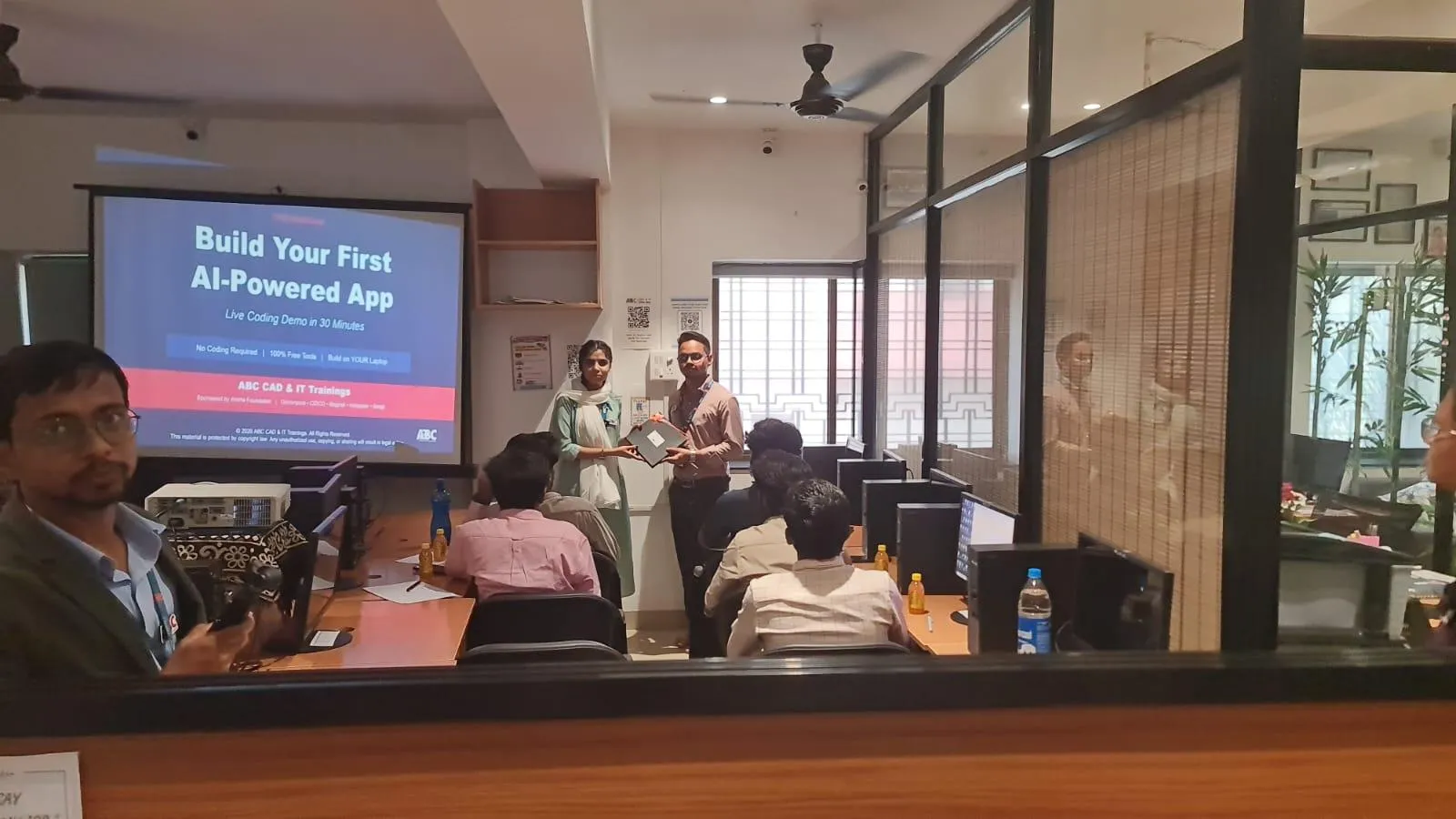
Full Stack Web Development — HTML, CSS, JavaScript, React.js for the front end; Node.js or Python Django for the back end — is the fastest path to a visually demonstrable portfolio. By month 3, a focused student can have a live website deployed on GitHub Pages or a cloud service. Recruiters at IT companies can literally click a link and see your work. This makes portfolio review much faster and is a significant advantage over candidates who can only describe their skills in a resume. Entry-level full stack junior developer salaries in Pune are ₹3.0–5.0 LPA according to AmbitionBox. Front-end developer roles (HTML/CSS/JS/React only) start at ₹2.5–4.0 LPA. The full stack path takes 5–6 months of committed daily study; the front-end-only path takes 3–4 months. Both are achievable for arts graduates who put in consistent effort.
Real Salary Data for Arts Graduates Who Switched to IT in Pune
Real data from placement outcomes at institutes like ABC Trainings: arts and commerce graduates who complete Python or Full Stack courses and build a portfolio of 2–3 deployed projects typically start at ₹2.5–3.5 LPA in their first IT role. Within 12–18 months, with on-the-job experience, those salaries move to ₹4.0–6.0 LPA. By the 3–5 year mark, career-switched developers who continue learning (adding cloud, React, machine learning basics) regularly reach ₹8.0–12.0 LPA. The switch is not instant and the first job usually requires accepting a lower title than your ego wants. But the trajectory over 5 years is significantly better than most arts-degree career paths that do not involve specialized skills. The key insight: your first IT job is not the destination — it is the credential you need to get to the second job.
| Course Track | Duration | Entry Salary (Pune) | Target Roles | Difficulty for Arts Grad |
|---|---|---|---|---|
| Python Basics + Django | 5–6 months | ₹3.0–4.5 LPA | Junior developer, automation tester | Moderate |
| Full Stack (HTML/CSS/JS/React) | 5–6 months | ₹2.5–5.0 LPA | Front-end/full stack junior developer | Low-Moderate |
| Python Data Analysis | 4–5 months | ₹3.0–5.0 LPA | Junior data analyst, BI analyst | Moderate |
| Software Testing (Manual + Selenium) | 3–4 months | ₹2.5–3.5 LPA | QA engineer, test analyst | Low |
What Pune IT Recruiters Actually Look for in Career Switchers
I have talked to hiring managers at Infosys BPO Hinjewadi, Wipro Kharadi, and several Pune startups about what they actually look for in non-CS career switchers. Here is what they consistently say: first, they look at whether you can write working code — not perfect code, but code that runs and solves the stated problem. Second, they look at GitHub — is there evidence that you build things regularly and commit changes? Third, they look at communication — arts graduates often have an advantage here because they write and speak better than many engineering graduates. Fourth, they look at how you explain your problem-solving process, not just the solution. Your arts degree is not a disadvantage in this checklist — it is actually neutral to slightly positive if you combine it with demonstrable coding skills and clear communication.
Is 6 Months Really Enough? Honest Answer from a Trainer
The honest answer: 6 months is enough to be entry-level employable in a junior IT role — if you put in consistent work, build real projects, and target the right job types. It is not enough to be a senior developer, a system architect, or a machine learning engineer. The graduates who succeed fastest are those who: commit to 3–4 hours of coding daily for 6 months (not just attending classes), build 3+ deployed projects visible on GitHub, apply for junior roles aggressively from month 5 onward, and accept that the first job may be a junior QA, IT support, or associate developer role rather than a full developer position. At ABC Trainings Wagholi, our 6-month intensive coding tracks for Python and Full Stack are specifically structured for working adults and arts graduates who need flexibility. Weekend batches, weekday evening batches, and placement support are available. Call +91 7039169629 or WhatsApp 7774002496 to discuss your specific background and career goals before enrolling.
Arts graduates and career changers in Maharashtra looking to switch into IT through a coding course can explore the CMYKPY scheme, which provides stipends of ₹6,000–₹10,000 per month during approved training programs. PMKVY 4.0 has trained 2.1 crore candidates nationally and funds IT and digital skills programs. Ask the ABC Trainings Wagholi team whether your chosen coding course batch is eligible for government stipend support.Get the Career Guidance Brochure + Fees + Batch Dates on WhatsApp
Free 1:1 counselling. Placement track record. CMYKPY/PMKVY eligibility check.
💬 Get Brochure on WhatsApp📞 Call 7039169629About the author: Rahul Patil. 12 yrs experience training engineers across Maharashtra.
Visit Our Centers
- Wagholi (Pune): 1st Floor, Laxmi Datta Arcade, Pune-Ahilyanagar Highway. Call 7039169629
- Hadapsar (Pune HQ): 1st Floor, Shree Tower, opp. Vaibhav Theater, Magarpatta. Call 7039169629
- Cidco (Chh. Sambhajinagar): Kalpana Plaza, opp. Eiffel Tower, N-1 Cidco. Call 7039169629
- Osmanpura (Chh. Sambhajinagar): S.S.C Board to Peer Bazar Road, near Jama Masjid. Call 7039169629
- Sangli: Shubham Emphoria, 1st Floor, Above US Polo Assn., Sangli-Miraj Rd, Vishrambag. Weekend batches available. Call 7039169629
FAQs
Can arts graduates with no math background learn Python and get an IT job in Pune?
Yes. Python's syntax is deliberately close to plain English and does not require advanced mathematics for most entry-level applications — web development, automation scripting, and basic data analysis use arithmetic and logic, not calculus. Arts graduates often bring strong reading comprehension and communication skills that help with understanding documentation and debugging error messages. The math you need for a junior Python developer role (percentages, basic statistics, conditional logic) is well within arts background comfort.
What kind of IT jobs can an arts graduate realistically get after a 6-month coding course?
Realistic first roles for arts graduates after 6 months of coding: junior QA engineer / software tester (₹2.5–3.5 LPA), junior front-end developer (₹2.5–4.0 LPA), junior Python developer at a startup or mid-size company (₹3.0–4.5 LPA), IT support analyst with scripting skills (₹2.2–3.0 LPA), and CRM or data operations associate (₹2.5–3.5 LPA). Avoid applying for senior developer or data scientist roles in the first year — target junior and associate-level titles and build from there.
How long does it take to build a project portfolio good enough to apply for IT jobs in Pune?
With focused daily practice, a B-grade project portfolio (2–3 deployed projects visible on GitHub with README documentation) takes roughly 3–4 months to build after completing foundational coding training. A strong portfolio for a junior full stack developer typically includes one CRUD web application, one API integration project, and one personal or professional tool. For Python, it includes one data analysis notebook, one automation script, and one Django web application. Employers at Pune IT companies look for evidence of real building, not just course certificates.
Which is better for an arts graduate in Pune — Python or Full Stack Web Development?
Python is the better choice if you are interested in data, automation, or back-end development — and if you plan to stay in tech for the long term, Python opens more advanced paths (machine learning, AI, data science). Full Stack is the better choice if you want to see visual results quickly and need a portfolio that is easy for non-technical interviewers to evaluate — anyone can click your deployed website and be impressed. For arts graduates who are still unsure about tech as a long-term career, Full Stack front-end work is often the less intimidating entry point. For those committed to the switch, Python has a higher long-term ceiling.