BIM for High-Rise Towers in Balewadi, Bavdhan and Hinjewadi Pune 2026: Why 40-to-60 Storey Projects Demand Advanced Revit, Navisworks and Wind-Loading BIM Skills
Five years ago, a 25-storey building was considered a tall tower in Pune. In 2026, the city's western corridor - the contiguous stretch from Hinjewadi through Wakad, Baner, Balewadi, Sus, Bavdhan, Pashan and Bhugaon - has more than 60 individual towers above 35 storeys either under construction or in advanced design. A clutch of projects have already crossed 50 storeys (Panchshil Trump Towers, Kohinoor World Towers, Godrej Skyline, ABIL Mountville, Marvel Diva). Several developers have permission to build above 60 storeys under the relaxed FSI provisions in the Pune-Pimpri Chinchwad Metropolitan Region Development Plan and the new High-Rise Building Bylaws 2024.
This is not just a real-estate trend - it is a complete change in how buildings are designed, coordinated and delivered. A 50-storey tower cannot be modeled, clash-checked or scheduled the same way as a 12-storey midrise. The tools, the workflows, and the BIM skills required are categorically different. This article explains what advanced high-rise BIM looks like in Pune in 2026, why developers are paying a steep premium for it, and how a Pune civil or architectural engineer can position themselves to work on these projects.
Why High-Rise BIM Is a Different Discipline
A high-rise building introduces engineering and coordination problems that low-rise BIM workflows simply do not encounter at scale. Floor plate variations across the height of the tower (transitions between podium, refuge floor, plant floor, sky-lobby, and typical residential), structural transfer slabs, post-tensioned floor systems, outrigger and belt-truss systems for lateral stability, double-height fire refuge floors, complex MEP shaft strategies, helipad or BMU loading at the roof, vibration-isolated lift equipment, smoke-control and pressurisation systems, and wind-tunnel-validated facade engineering all interact at every level of the model.
For BIM, this means: dozens of unique floor plans rather than one repeating type, four-to-six structural framing systems coexisting in one model, MEP shafts that have to be coordinated as continuous risers across 60 floors with no clashes, and a sequencing strategy where the lower floors are constructed and occupied before the upper floors are fully designed. Towers are essentially built and modeled vertically in phases - and BIM is the only practical way to keep all of it coherent.
The Advanced BIM Skill Set for High-Rise Work
Pune developers and consultants working on towers above 35 storeys in 2026 have converged on a specific set of advanced BIM skills they look for when hiring.
Worksharing at scale. A high-rise Revit model often touches 40 to 80 active users across architecture, structure, MEP and interiors. Engineers must understand worksets, central files, cloud worksharing on BIM 360 / Autodesk Construction Cloud, model partitioning strategies, and how to keep file size below the 1.0-1.5 GB threshold without sacrificing detail. This is a hands-on skill, not a theoretical one.
Linked-model coordination. Towers above 30 storeys are almost always built as a federated model - architecture as one Revit file, structure split by core/podium/typical/penthouse, MEP split by discipline and by zone. Knowing how to set up shared coordinates, manage transformations, and run a federated Navisworks model with daily refreshed links is basic survival.
Phasing and construction sequencing (4D BIM). Lower floors are handed over for fit-out while upper floors are still being structured. The model has to carry phase data and the project schedule has to be linked to it via Synchro or Navisworks Timeliner. Pune contractors on these jobs - L&T, Tata Projects, Capacite, Afcons, J Kumar - now require BIM coordinators to produce a 4D simulation before each monthly progress meeting.
Wind, seismic and lateral-system coordination. A 50-storey tower has been through a wind tunnel test (CSIR-CBRI Roorkee, IIT Bombay or RWDI's Bangalore lab) and a performance-based seismic analysis. The BIM model has to carry the resulting structural members - outrigger trusses, dampers, shear walls of varying thickness up the height - and make sure they coordinate with architecture and MEP. Engineers need to be comfortable working with structural BIM models exported from ETABS or STAAD Pro and federated into Revit Structure.
Vertical transportation BIM. A tower has 8 to 24 lifts of multiple types (passenger, service, fireman, double-decker, sky-lobby shuttles), each with very specific shaft, machine room, pit and overhead requirements. Otis, KONE, Mitsubishi and Schindler now provide native Revit families for their lift systems and expect coordinators to integrate them precisely.
Facade and curtain-wall BIM. High-rise facades are unitised systems with thousands of unique panels driven by parametric geometry. Familiarity with Dynamo or Grasshopper-Rhino-to-Revit workflows for adaptive facade panel placement is now expected on Bavdhan and Hinjewadi premium projects.
Smoke management and fire-engineering BIM. Pressurisation shafts, refuge area design, fire-ratings, and lift lobby compartmentation all have to be modeled correctly to clear the State Fire NOC. Experienced high-rise BIM engineers in Pune typically also understand IS 16172, NBC 2016 Part 4 and the local high-rise bylaws.
Which Pune Developers and Consultants Are Hiring
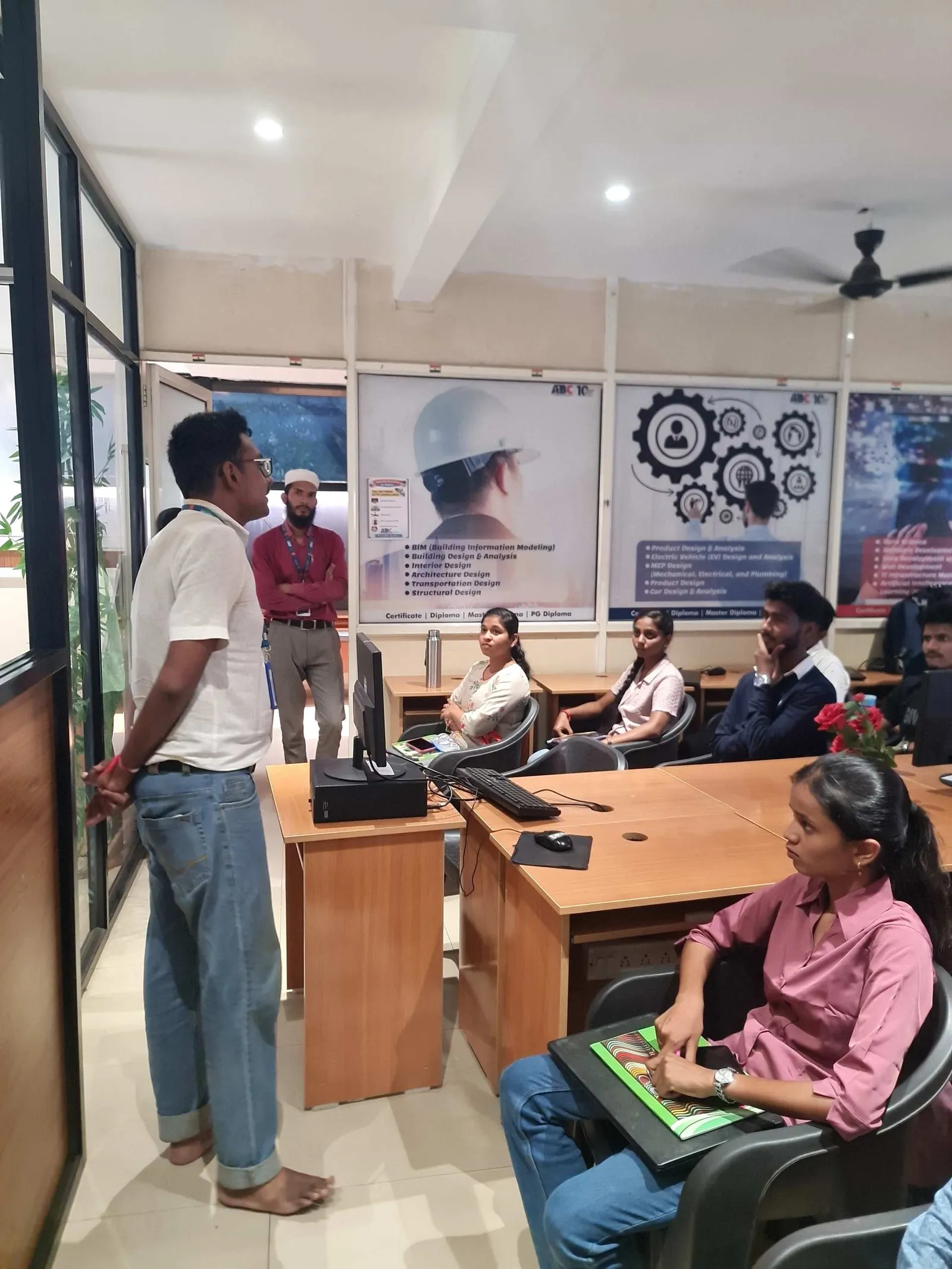
The high-rise BIM hiring pool in Pune in 2026 includes the developer in-house BIM teams of Panchshil Realty, Kolte-Patil Developers, Godrej Properties Pune, Kohinoor Group, Marvel Realtors, Naiknavare Developers, ABIL Group, Goel Ganga Developments, VTP Realty, and Pride Group. On the consultancy side, structural firms Sterling Engineering, J+W Consultants, Buro Happold's India delivery centre, Stup Consultants, Tandon Consultants and Arup's Pune team are continuously hiring high-rise BIM-capable structural engineers. MEP consultants Spectral Services, Voltech, AECOM MEP and Mott MacDonald run large Pune teams. Architects Hafeez Contractor, Sanjay Puri Architects, Edifice Architects, IMK Architects and Sundaram Architects all have growing Pune BIM presences focused on tower work.
Salary Bands for High-Rise BIM Specialists in Pune 2026
A general BIM modeler with 0-2 years on midrise projects in Pune earns Rs. 3 to 5 lakh per annum. The same engineer with verified high-rise project experience earns Rs. 5 to 7 lakh - because developers cannot afford to put junior people on critical-path tower coordination. A BIM coordinator with 3-6 years and at least one delivered tower above 35 storeys earns Rs. 9 to 14 lakh. A high-rise BIM lead or senior coordinator with 7+ years earns Rs. 16 to 24 lakh, with a few specialists at Buro Happold, Arup and AECOM crossing Rs. 30 lakh in 2026. Project BIM managers running the tower across all disciplines for the developer earn Rs. 22 to 38 lakh.
The Realistic Pathway from Standard BIM to High-Rise BIM
An engineer cannot jump directly from a 6-month Revit Architecture course onto a 50-storey project. The route is sequential: first build core competence with Revit Architecture or Revit Structure (3-4 months), then progress to Revit MEP coordination (2-3 months), then to Navisworks federation and clash detection (1-2 months), and finally into a high-rise specialisation module that addresses worksharing, 4D scheduling, vertical transportation BIM, and federated coordination on a real tower dataset (2-3 months). ABC Trainings has built this layered curriculum specifically for Pune's western-corridor hiring market - the only way for a fresh engineer to break into tower work without three years of internship time.
Enrol or Visit ABC Trainings Pune
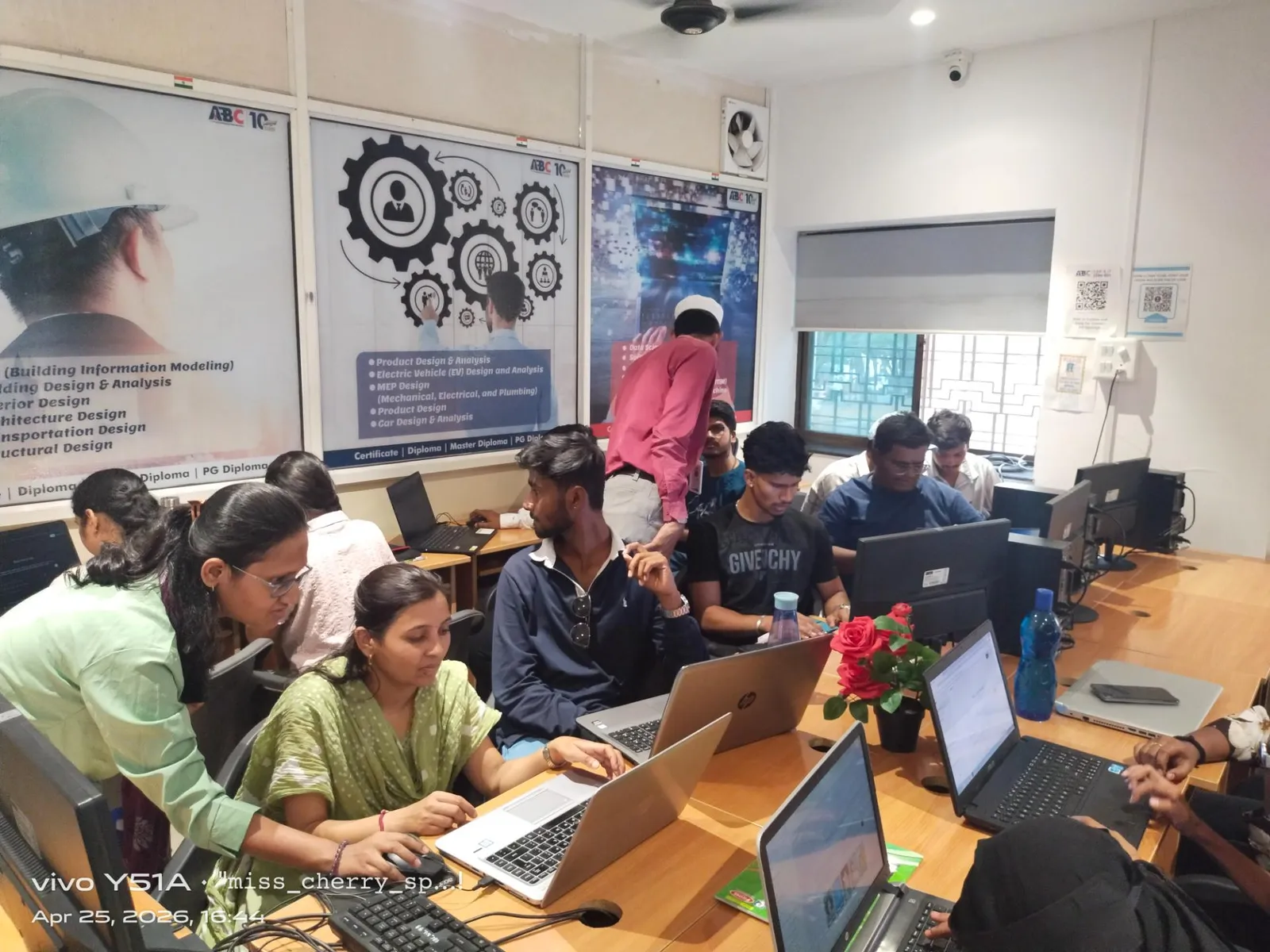
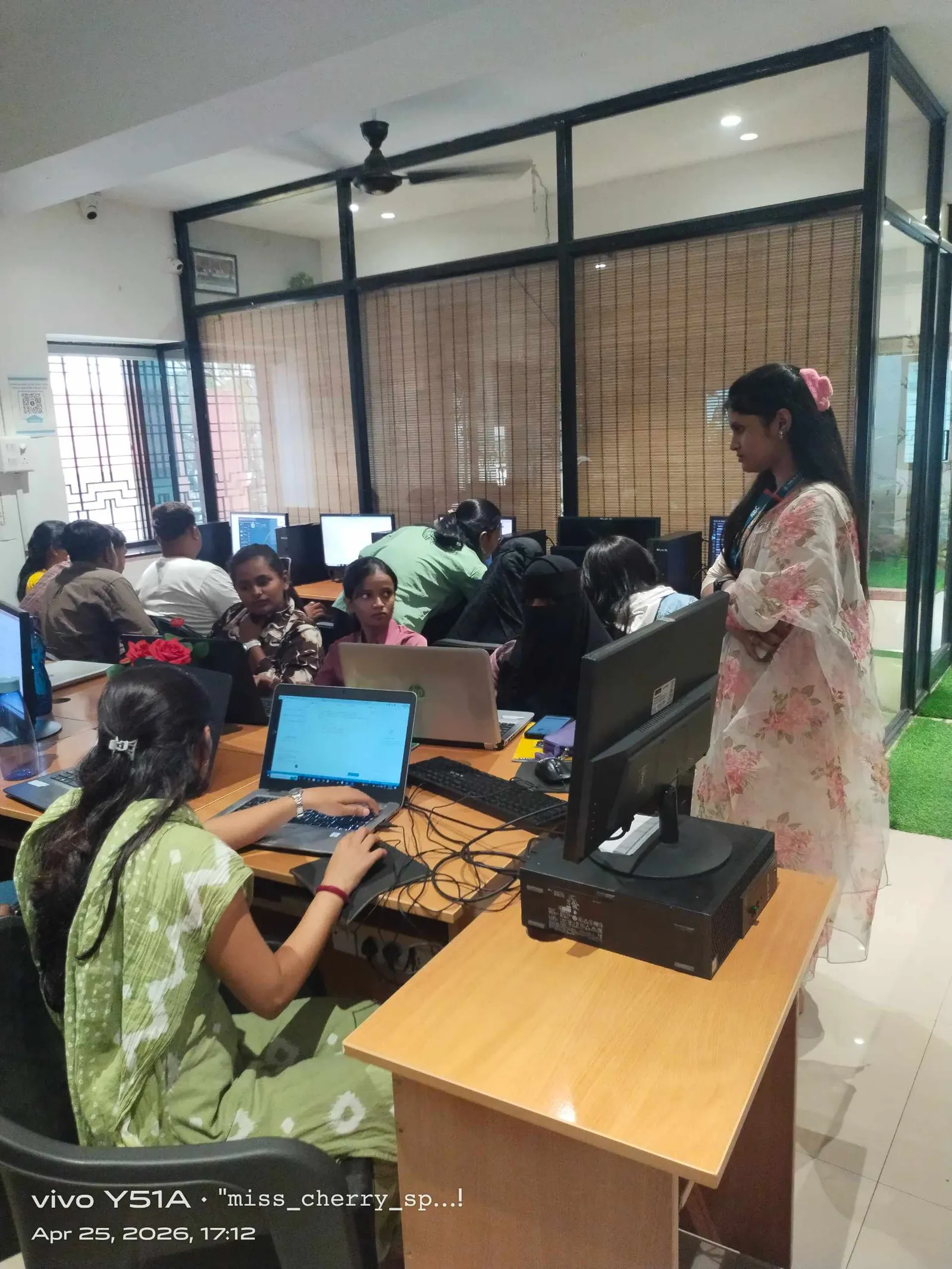
ABC Trainings runs the High-Rise BIM Specialist module from its Wagholi and Hadapsar branches, with classroom sessions, live project work on Pune tower datasets, and a 90-day capstone where students federate and coordinate a 40-storey residential model from architecture through MEP. ABC Trainings is a Government-Affiliated, MSME and ISO 9001:2015 Certified institute serving the entire Pune market - Hinjewadi, Wakad, Baner, Balewadi, Bavdhan, Aundh, Kothrud, Kharadi, Wagholi, Hadapsar, Magarpatta and Kondhwa. To book a counselling call, request a project portfolio sample, or attend the next free demo, contact the institute on WhatsApp at +91 77740 02496 and mention "High-Rise BIM Module."