If you've already spent some time with sketches, pads, pockets, and basic assemblies, the next question is obvious: where does CATIA actually fit in real industry work? CATIA product design applications in India have expanded far beyond classroom demos. In 2026, companies in Pune, Chhatrapati Sambhajinagar, Nashik, Chennai, Bengaluru, and Mumbai use CATIA for production-grade mechanical design, Class-A surfacing, packaging studies, fixture design, sheet metal, and manufacturing-ready documentation. Here's the thing: beginners often think CATIA is just another 3D modeling tool. It isn't. It's a complete product engineering environment, and that's exactly why employers like Tata Technologies, Mahindra Engineering, Bajaj Auto, Bosch, Siemens, and L&T still value CATIA skills for serious design roles.
The video introduces CATIA as a powerful platform used in mechanical, aerospace, automotive, and product design industries. So let's take that one step deeper. This article is for learners who know the interface basics and now want to understand how CATIA is applied in actual Indian engineering workflows, which modules matter most, and what most people don't realize about becoming employable with CATIA in Maharashtra.
Where is CATIA used in India in 2026?
CATIA is heavily used in automotive, aerospace, industrial equipment, tooling, heavy engineering, and consumer product development. In India, the strongest CATIA hiring demand comes from Pune, Chennai, Bengaluru, Hyderabad, and Nashik because these cities have dense manufacturing and engineering service ecosystems.
In Pune alone, automotive and engineering companies such as Bajaj Auto, Tata Technologies, Mahindra Engineering, Bosch, KPIT Technologies, Thermax, and Kirloskar depend on CAD teams that can do more than basic part modeling. They need engineers who can create design intent properly, manage assemblies, generate production drawings, and work with downstream teams. Trust me, that's where CATIA starts separating casual learners from serious professionals.
What CATIA modules matter most for real jobs?
If your goal is employability, you need to think module-wise. CATIA is broad, but industry usually hires around specific workflows.
Part Design
This is still the entry point for most mechanical roles. But at an advanced level, companies expect clean feature trees, logical modeling sequence, proper constraint strategy, and editable design intent. Anyone can make a part. The real skill is making a part that survives revision changes without collapsing.
Assembly Design
In industry, parts rarely exist alone. Assembly Design is where mating logic, product structure, interference understanding, and top-down thinking become important. If you're working on automotive subassemblies, machine design, or equipment packaging, this module matters a lot.
Drafting
Many students underestimate drafting. That's a mistake. Production teams still need accurate 2D drawings with GD&T basics, section views, BOM structure, dimensions, title blocks, and revision handling. What most people don't realize is that drafting quality often decides whether a fresher is trusted on live work.
Generative Shape Design
This is where CATIA becomes powerful for advanced users. Surface modeling is critical in automotive exteriors, plastic parts, trims, housings, consumer products, and aerodynamic forms. If you want to move beyond boxy mechanical parts, GSD is the module that opens better-paying roles.
Sheet Metal Design
Used in enclosures, brackets, cabinets, industrial products, and fabrication-heavy sectors. Companies prefer candidates who understand bend allowances, flattening logic, manufacturability, and drawing extraction from sheet metal models.
How do advanced CATIA users model faster and cleaner?
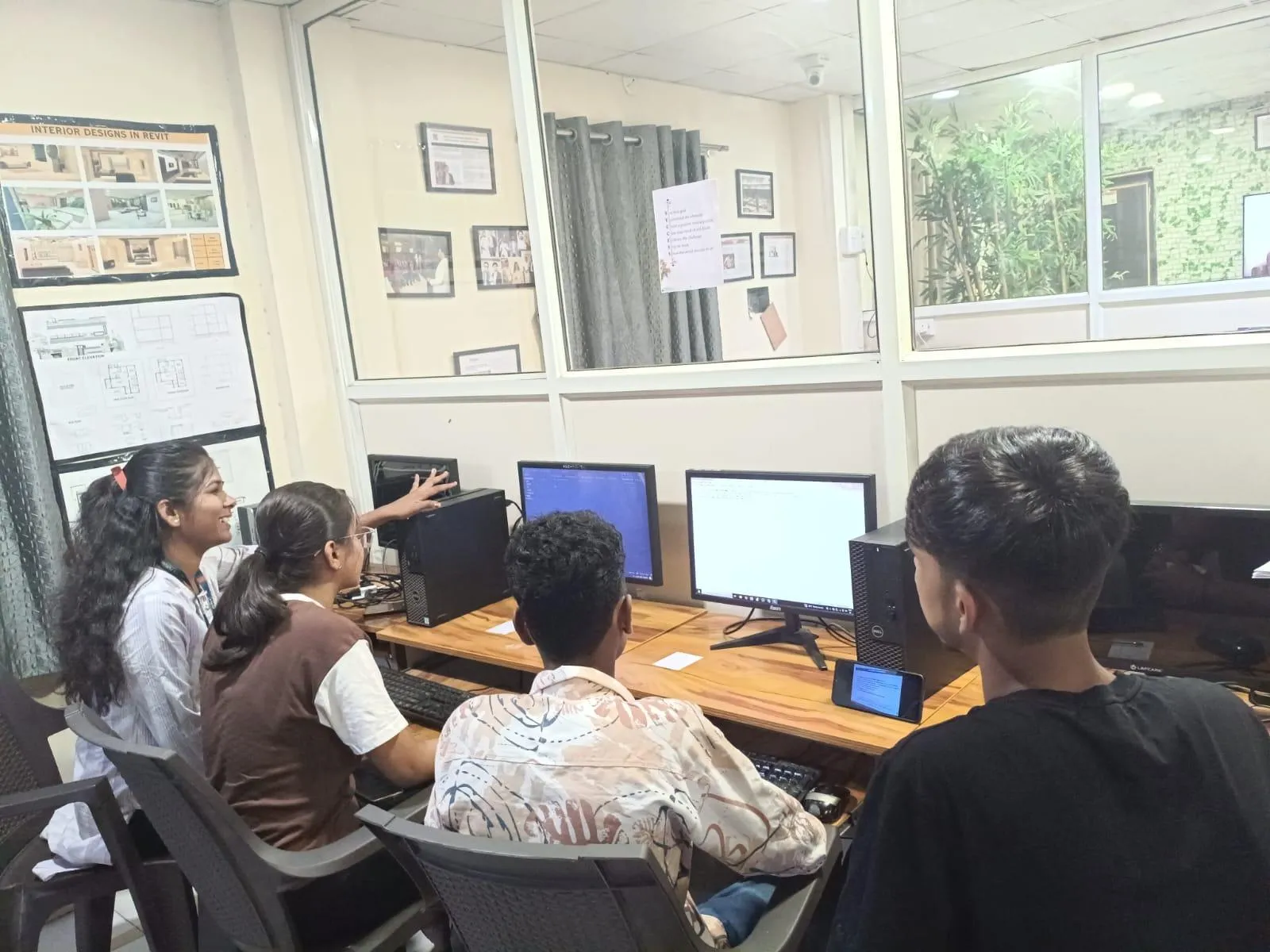
The good news is, speed in CATIA doesn't come from random shortcuts. It comes from structure. Power users follow a repeatable workflow.
First, they build models around design intent. That means your sketch dimensions and constraints reflect how the part may change later. If the mounting hole pattern may shift, don't hard-code everything. Use references smartly.
Second, they keep sketches simple. Overloaded sketches become unstable. A better workflow is to create stable base geometry first, then add controlled features in separate steps. This makes edits easier and debugging faster.
Third, they name features and bodies properly. In training labs, students ignore this. In companies, a messy tree wastes time for the next engineer. On large projects, clean naming is not optional.
Fourth, they use publications, constraints, and reference geometry carefully in assemblies. This improves downstream updates and makes collaboration easier across teams.
And fifth, they check manufacturability while modeling. A model isn't complete just because it looks correct on screen. Can it be machined, molded, welded, bent, assembled, and documented properly? That's the real standard.
Why do automotive and aerospace companies prefer CATIA?
CATIA has stayed strong in automotive and aerospace because it handles complex geometry, large assemblies, and engineering workflows very well. Automotive OEMs and vendors use it for body components, trims, brackets, BIW-related support design, packaging studies, and supplier coordination. Aerospace teams use it for precision-driven assemblies, structural components, and surface-heavy design work.
In Indian hiring markets, CATIA is especially respected when the work involves production intent rather than only concept modeling. That's why firms connected to automotive design, vendor development, and engineering services still shortlist CATIA-trained candidates ahead of generic CAD learners.
What industry settings and habits should serious CATIA learners follow?
If you're practicing CATIA V5 in 2026, don't just learn commands. Learn environment discipline. Set your file organization correctly. Use part numbers and revision naming. Maintain units consistently. Avoid broken links in assemblies. Keep drafts aligned with company-like templates. These habits sound basic, but they're exactly what help freshers adjust faster in real jobs.
Also, practice on realistic components. Model brackets, housings, clamps, covers, weldment support parts, machine elements, and plastic trims instead of only tutorial blocks. If you're targeting companies like Tata Technologies or Mahindra Engineering, your portfolio should reflect actual industry geometry, not only academic exercises.
What salary can CATIA professionals earn in Maharashtra?
For freshers with only basic modeling knowledge, salaries usually start around ₹1.8 lakh to ₹2.8 lakh per year in smaller firms and vendor environments. If you have stronger skills in Part Design, Assembly, Drafting, and some surfacing exposure, entry roles in Pune or Nashik can reach ₹3 lakh to ₹4.2 lakh per year.
After 2 to 4 years, CATIA designers working in automotive, tooling, fixture design, or product engineering commonly earn ₹4.5 lakh to ₹7.5 lakh annually. Advanced surfacing, interior trim design, BIW support roles, or OEM-linked projects can push salaries higher. The exact number depends on your domain knowledge, drawing quality, and your ability to work on change requests without supervision.
How should you learn CATIA beyond the beginner level?
Here's the thing: the best next step after basics is not jumping randomly into every module. Go depth-first. Start with Part Design and Drafting. Then build Assembly Design confidence. After that, choose your specialization based on career goal: surfacing for automotive and product aesthetics, sheet metal for fabrication and industrial products, or manufacturing-oriented modeling for machine design.
A good advanced learning path should include revision-based modeling, parent-child feature understanding, drawing extraction, assembly updates, and error fixing. That's the part many students skip, and then they struggle during interviews. At ABC Trainings, this is exactly where serious learners usually gain confidence because guided practice is focused on job workflows, not just command completion. If you want course details in Maharashtra, call 8698270088 or WhatsApp 7774002496.
Is CATIA still a smart career choice in India?
Yes, especially if you want to work in automotive, aerospace, industrial equipment, or production-oriented product design. CATIA is not the easiest CAD software to master deeply, but that difficulty is also why it keeps its value. The market doesn't reward surface-level software knowledge for long. It rewards engineers who can model accurately, revise quickly, document properly, and think like a design team member.
If you're based in Pune, Chhatrapati Sambhajinagar, or Sangli and you're serious about mechanical design careers, CATIA still offers a strong path in 2026. The key is simple: don't stop at basics. Go deeper, build cleaner workflows, and practice like you're already inside a company environment.
Is CATIA better than SolidWorks for jobs in Pune?
It depends on the industry. For automotive, aerospace, and many OEM or vendor-linked design roles in Pune, CATIA often has stronger demand than SolidWorks. If you're targeting companies such as Tata Technologies, Bajaj Auto, Mahindra Engineering, or Bosch supply-chain projects, CATIA can give you an advantage. For smaller product design firms, both tools may be useful, but CATIA usually stands out in enterprise engineering environments.
Which CATIA module should I learn first after basics?
After basic navigation and simple part creation, focus on Part Design, Assembly Design, and Drafting in that order. These three build your foundation for real job work. Once you're comfortable, move into Generative Shape Design or Sheet Metal based on your career goal. Don't rush into advanced modules without strong fundamentals in revision-friendly modeling.
Can diploma students get CATIA jobs in Maharashtra?
Yes, diploma students can absolutely get CATIA-related jobs if their practical skills are strong. Many firms in Pune, Nashik, Aurangabad region, and industrial belts hire diploma holders for design support, detailing, drafting, and junior CAD roles. Your portfolio, drawing understanding, and ability to handle assemblies matter more than just your degree title. A disciplined project file can impress recruiters more than memorized theory.
What is the fee for advanced CATIA training in Maharashtra?
Fees vary by city, software depth, and whether the course includes projects and placement support. In Maharashtra, advanced CATIA training usually ranges from about ₹18,000 to ₹45,000 depending on modules such as surfacing, assembly, drafting, and sheet metal. Before joining, ask whether the training includes industry projects, interview preparation, and version-specific practice like CATIA V5. For current details, you can contact ABC Trainings at 8698270088 or WhatsApp 7774002496.
Visit Our Centers
Chhatrapati Sambhajinagar
Corporate Office (HQ)
2nd Floor, Kandi Towers, Jalna Road, Amarpreet Chowk, Chhatrapati Sambhajinagar, Maharashtra 431001
Osmanpura Branch
Plot No 14, Shanya Sect, Near Sant Eknath Rang Mandir, Osmanpura, Chhatrapati Sambhajinagar, Maharashtra 431005
CIDCO Branch
Plot No 4, N-3, Cidco, Opp. High Court, Chhatrapati Sambhajinagar, Maharashtra 431003
Pune
Wagholi Branch
1st Floor, ABC Trainings, Laxmi Datta Arcade, Pune - Ahilyanagar Hwy, Wagholi, Pune, Maharashtra 412207
Hadapsar Branch
Bloom Hotel, ABC Trainings 1st Floor, S.no 156/3 Shree Tower Pune - Solapur Rd, Hadapsar, Pune, Maharashtra 411028
Sangli
Sangli Branch
2nd Floor, Vasant Market, Opp. City High School, Sangli, Maharashtra 416416
Start Your Career Journey Today
Join 10,000+ students who transformed their careers with ABC Trainings.
💬 WhatsApp: 7774002496📞 Call: 8698270088