EPLAN for Polytechnic Faculty: 6 Hard Questions Answered (For HODs, Principals and Senior Lecturers Updating Curriculum in 2026) (Updated May 2026)
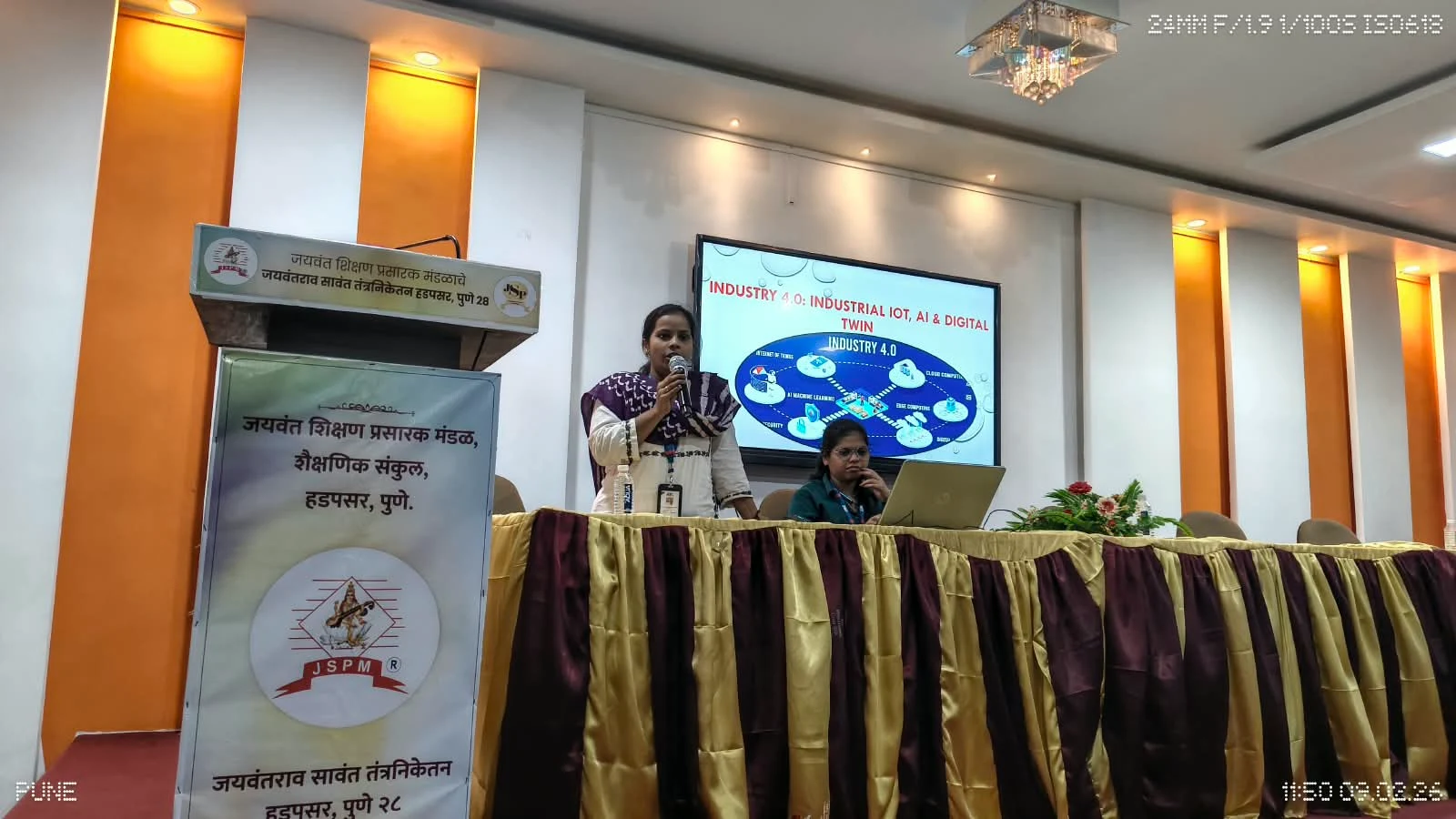
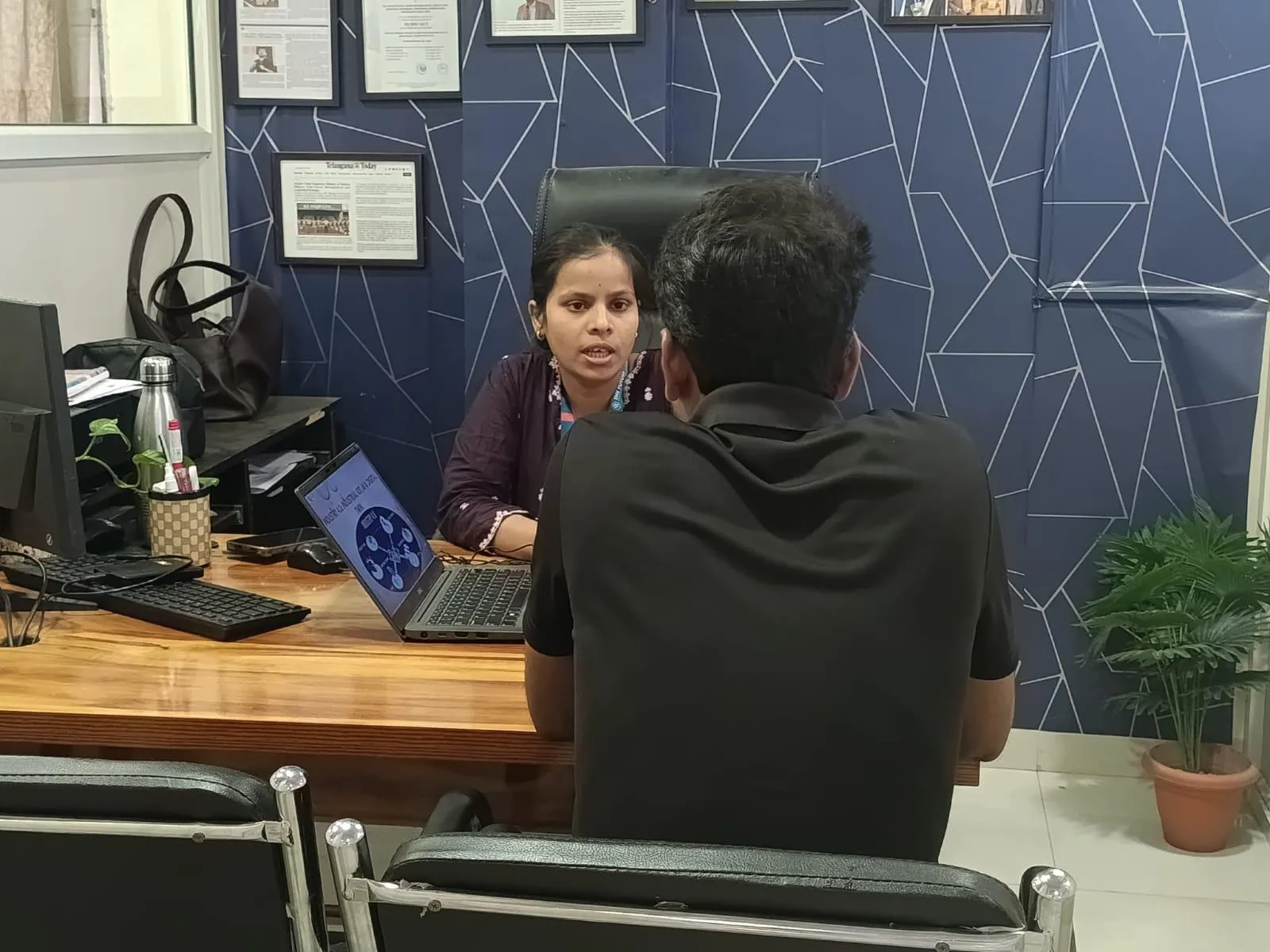
I just delivered the opening keynote at the FDP on ECAD & EPLAN at SYCET Polytechnic, Chh. Sambhajinagar. Forty senior faculty members in the room. The questions I got afterwards were not about EPLAN syntax. They were the harder questions, the ones a HOD asks privately at the end of the day when the visiting speaker is folding up his laptop. How do I teach a tool I haven not mastered myself? We have no time, no budget, no lab licenses, no resources, what now? Is not this just industry hype, our job is fundamentals? Why is closing the industry-academia gap OUR job? This blog is the post-keynote follow-up. It is the answers I gave the SYCET principal and HODs in detail, written for every polytechnic principal, HOD and senior lecturer in Maharashtra trying to update their electrical engineering curriculum in 2026. It is not a marketing post. It is the honest conversation that needs to happen in every polytechnic faculty room this academic year.
- You do not need to master EPLAN to teach it. You need to be one chapter ahead of the student, and honest about learning alongside them. The most powerful thing a student sees is a teacher who is not afraid to learn.
- Real constraints are real: no time, no lab licenses, no resources. But you do not need to overhaul everything. You need one tool, one project, one demo that shows students why it matters.
- Fundamentals are sacred — never let them go. But fundamentals + the current tool is what gets hired. A student who cannot open the software industry uses never gets into the room to show their fundamentals.
- The industry-academia gap is not only your job. But you are the only ones standing where it can be closed. Nobody else touches a hundred future engineers a year.
- Faculty calm is contagious; faculty panic is also contagious. Choose which one you pass on to students about AI, about EPLAN, about the changing job market.
- There is no higher-leverage job in the entire economy than teaching. An engineer builds one machine. A teacher builds the engineers who build a thousand.
Question 1: How Can I Teach EPLAN When I Have Not Mastered It Myself?
This is the question that got asked most often at SYCET, and it is the one that paralyses good faculty. A senior lecturer with 18 years of teaching experience asked me privately at the tea break: "Sir, I have been teaching AutoCAD Electrical for 12 years. I have never opened EPLAN. How can I teach a tool I have not mastered?" Here is the honest answer.
You do not need to be the master. You need to be one chapter ahead.
Faculty often hold themselves to an impossible standard — they feel they need 5 years of industry experience with a tool before they can teach a single class on it. That standard is wrong. The teacher who masters every tool before teaching it never updates the curriculum. The teacher who is willing to learn alongside the student, one chapter ahead, gives students a model of how lifelong learning actually works.
The most powerful thing a student can see
The most powerful thing a student can see is a teacher who is not afraid to learn in front of them. It tells them: this is normal. The world is changing. Their teacher is updating. They should too. The teacher who stops learning teaches students to stop learning. The teacher who keeps learning teaches students that learning never stops.
What this FDP gives you concretely
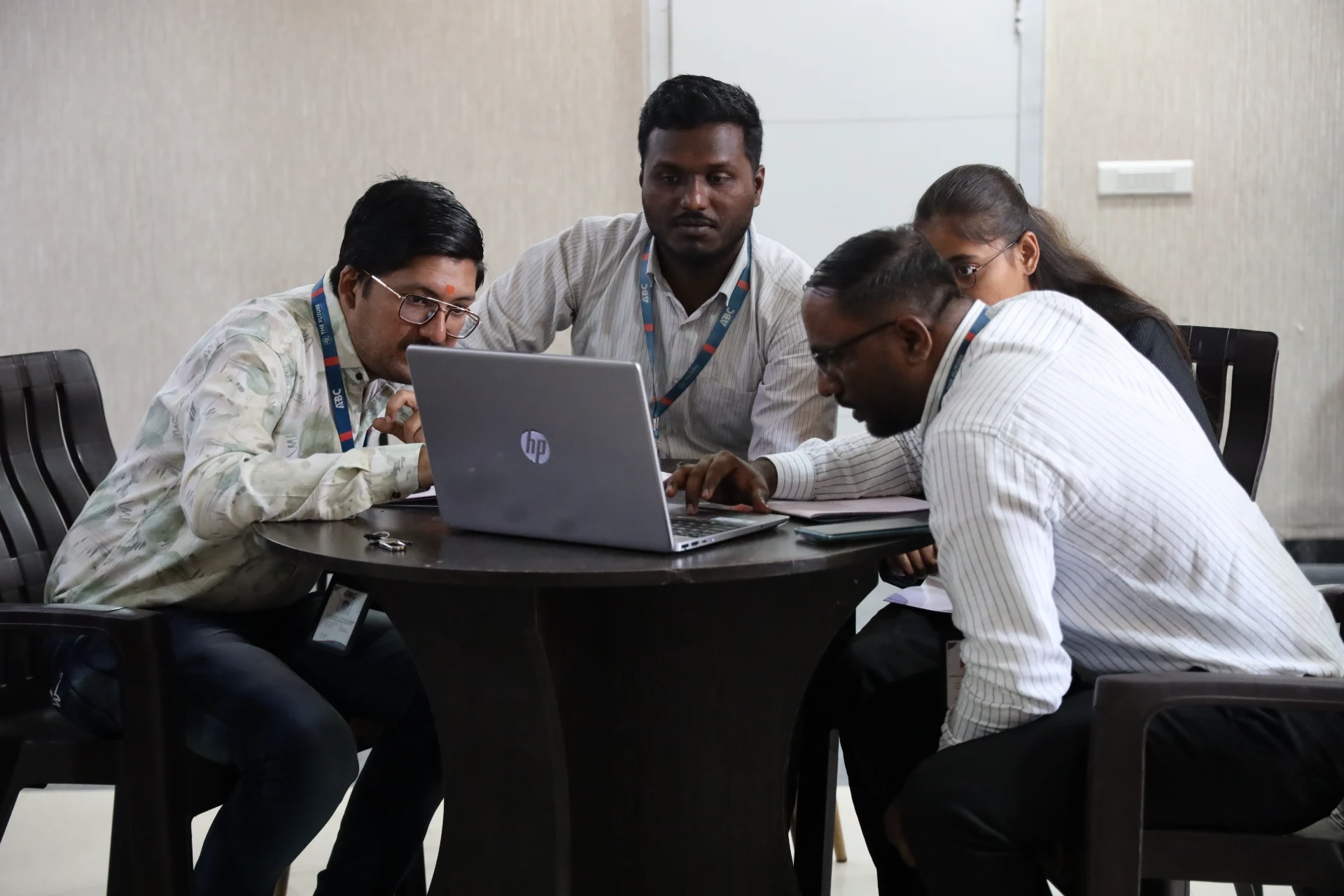
You do not have to start EPLAN from zero alone. Faculty Development Programmes (FDPs) on EPLAN are exactly the mechanism. Two days. Hands-on lab. By the end you have built one simple EPLAN project. Now you are one chapter ahead of any student. You teach the same project to your students the following month. They build it. You learn the next chapter on weekends. You teach it the month after. Continuous one-chapter-ahead teaching.
What ABC Trainings runs for polytechnic faculty
ABC has delivered 240+ FDPs across Maharashtra polytechnics in the last 11 years. The pattern that works: two-day intensive EPLAN P8 fundamentals + lab + project, then ongoing monthly online refresher webinars for the faculty cohort, then a six-month follow-on to make sure the faculty actually integrate EPLAN into their classroom teaching. WhatsApp 7774002496 to request an FDP for your polytechnic.
Question 2: We Have No Time, No Lab Licenses, No Resources. What Now?
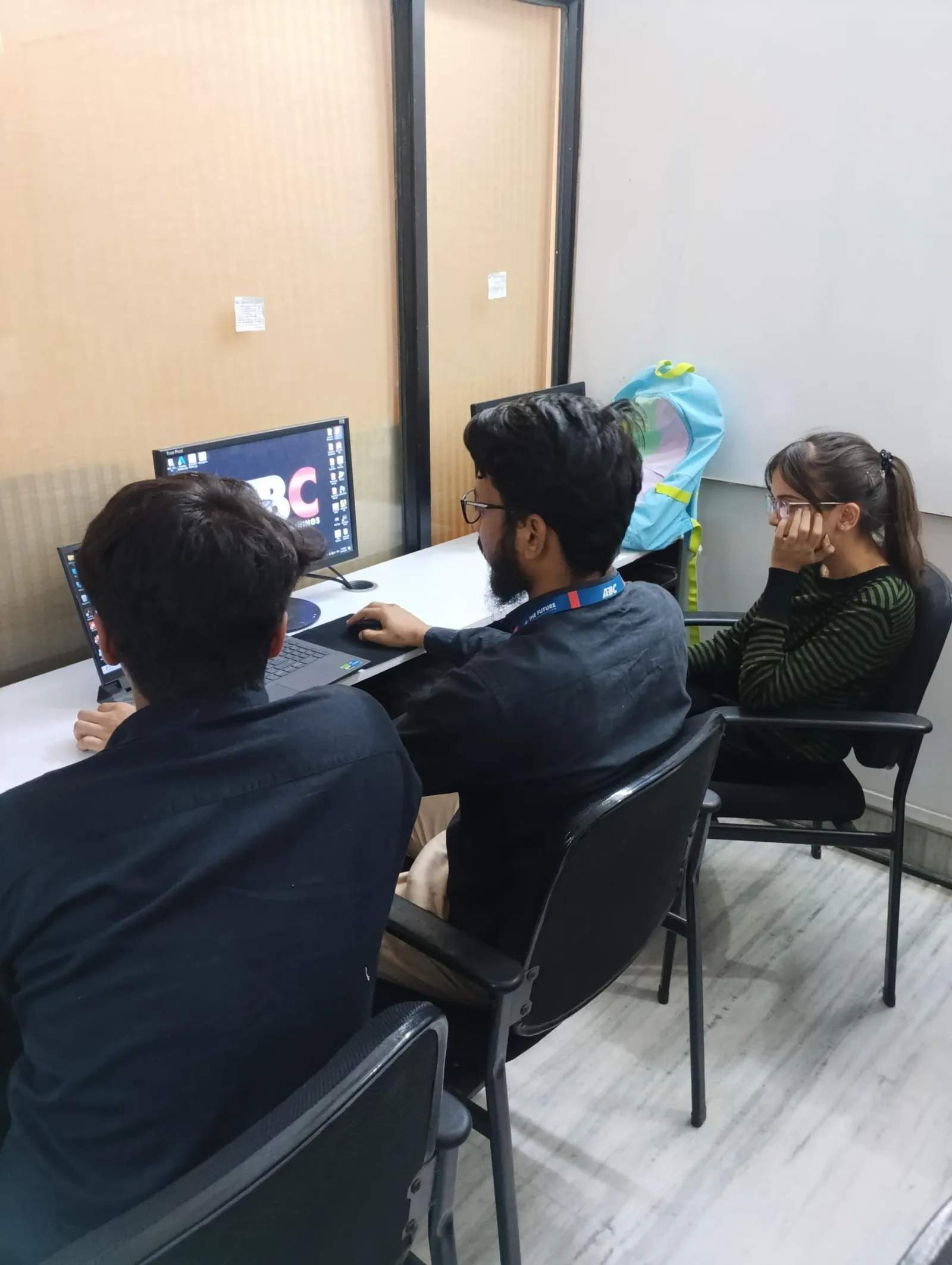
This is the most legitimate constraint question I get, and I will not pretend otherwise. Polytechnic budgets are tight. EPLAN P8 Professional licenses cost ₹1.8 to 4 lakh per seat per year. Faculty time is consumed by attendance, examinations, NBA documentation, internal compliance. The classroom hardware budget cannot suddenly accommodate 30 EPLAN seats. So how do you start?
You do not need to overhaul everything. You need one thing.
The trap is thinking you need to replace the entire curriculum at once. You do not. You need ONE tool, ONE project, ONE demo that shows students why it matters. Pick the highest-leverage software (EPLAN if your placement target is Pune-Chakan; AutoCAD Electrical if MSME and commercial; Siemens TIA Portal if your campus has placement relationships with Bajaj, Forbes Marshall, Cummins). Pick ONE project — a 12-page motor control panel that fits in your second-year practical syllabus. Build that demo for your students. Show them the BOM auto-generation, the wire numbering, the terminal plan. Let them see what they are missing.
Lab licenses — three realistic options
(1) EPLAN P8 Education license. Free for academic institutions if you apply through EPLAN India. Takes 8 to 12 weeks of paperwork. Many polytechnics already qualify but never applied. (2) AutoCAD Education license — free through Autodesk Education community. 5 minute application. Most colleges already have this but faculty do not use it because they were never trained. (3) Open-source alternatives — KiCAD for free schematic work, AutoSCHEMATIC for low-cost panel design. Not industry standard but enough to teach the database thinking that transfers to EPLAN later.
The placement results will argue with management
The biggest budget unlock for tools and faculty FDPs is placement results. Once 5 students from your first EPLAN cohort land at Bajaj, Endurance, Forbes Marshall or Mercedes Chakan tier-1 suppliers, the management releases budget for the next year curriculum upgrade. Start with what this FDP gives you. Let the placement results argue with management for the rest.
Question 3: Is Not This Just Industry Hype? Our Job Is Fundamentals
This question is the most respectful disagreement I get from senior faculty, and the most important to address head-on. A principal of a 60-year-old polytechnic asked me: "Avinash, every five years a new tool comes along and the industry says learn this. We have seen AutoCAD, then AutoCAD Electrical, then EPLAN, then who knows what next. Our job is fundamentals. Once a student knows their fundamentals, they pick up any tool. Why chase the tool?"
Fundamentals are sacred. Never let them go.
The principal is right about fundamentals. A student who does not understand three-phase systems, fault current, contact configuration, panel safety cannot do real engineering work with any software. Software without fundamentals is dangerous — it produces drawings that look right but fail in the factory. Fundamentals are not optional. They are the bedrock.
But fundamentals plus the current tool is what gets hired
Here is the honest disagreement. In 2026, the Pune-Chakan-Hadapsar industrial belt does not interview a student for fundamentals first and software second. They interview for software first — because AI tells them whether the student knows the fundamentals in 12 seconds via a written test. The interview minutes are spent on whether the student can OPEN EPLAN, build a 6-page panel project, generate a BOM, identify a wiring error. A student who cannot open the software industry uses never gets into the room to show their fundamentals. We are not replacing fundamentals. We are translating them into the language industry speaks today.
The tool is not the chase. The tool is the proof.
The student is not learning EPLAN to chase a fashion. They are learning EPLAN because that is the visible proof that they understand industrial electrical design. Without that proof, the brilliant fundamentals stay invisible at the campus interview gate. Add the tool. Keep the fundamentals. Both win.
What the 2026 polytechnic graduate needs
The polytechnic graduate who walks into Bajaj Waluj or Mercedes Chakan in 2026 needs: (1) Deep industrial electrical fundamentals — non-negotiable. (2) EPLAN P8 Professional fluency with one completed portfolio project. (3) AutoCAD Electrical exposure for MSME backup. (4) Siemens TIA Portal PLC basics. (5) Real panel hardware shop exposure. The toolkit is the integration of all five. Fundamentals alone do not get the offer.
Question 4: Students Do Not Want to Learn — They Say It Is All on YouTube and AI
Every faculty member is hearing this from students in 2026. "Why should I attend your lecture, sir? It is all on YouTube. I can ChatGPT the answer faster than you can write it on the board." The faculty room divides into two camps: those who fight the objection (and lose), and those who agree with it (and win).
Do not argue. Agree, then flip.
The trap is to argue that AI is wrong or that YouTube videos miss something. The students are not wrong about information. Information IS free. So agree, then flip the frame.
The flip line
"You are right. Information is free now. Which is exactly why YOU must become valuable. When facts cost nothing, the prize goes to the one who can USE them, JUDGE them, and TAKE RESPONSIBILITY for them. Everyone has Google Maps. It never made anyone a Formula 1 driver. The map is free. The driving is earned. AI can hand you a wiring diagram in seconds. It cannot stand in front of the safety inspector when that panel kills someone. Information is free. Responsibility is priceless."
Then make them do the rep
A coach does not out-talk that objection. They make the student do the rep and feel the gap. Hand the student a 200-page customer specification for an industrial panel. Tell them: ChatGPT this. Get a complete electrical design out of AI in the next hour. Bring it back. When they bring back something incomplete, inconsistent, or wrong on safety, you do not argue. You show them. THIS is the gap. THIS is what your training is for. This is judgement. This is responsibility. This is the part AI cannot give them. Now they want to learn.
Why this matters for your retention rates
Students who feel their teacher is irrelevant in the AI era disengage. Attendance drops. Learning drops. Placement results drop. Students who feel their teacher knows something AI does not — and can show them the gap — re-engage. The single most important faculty skill in 2026 is the ability to acknowledge AI honestly, then show the student where the human gap is.
Question 5: Why Is Closing the Industry-Academia Gap OUR Job?
This is the deepest question, and I want to give the deepest answer. A senior HOD asked me, with real weariness in his voice: "Avinash, you sit on the industry side. Why is this OUR job? Why should we, with no budget, no time, no industry visits, be the ones to close this gap? Industry has the money. Let them train their own engineers."
It is not only your job
The HOD is right that it is not only the faculty job. Industry should fund training. The government should fund FDPs. CSR money should pay for lab licenses. Multiple parties share responsibility for closing the gap. The HOD is not wrong to feel resentful when the burden lands on the faculty.
But you are the only ones standing where it can be closed
Here is the strategic truth. Nobody else touches 100 future engineers a year. The HR manager at Bajaj Auto touches 20 to 30 fresh hires a year through walk-in interviews. The plant manager at Mercedes Chakan touches 40 graduate hires a year. The recruitment consultant at a placement firm touches 200 candidates a year, but only at the moment of placement. YOU touch 100 students for THREE FULL YEARS. You are the longest, deepest, highest-leverage point in the system. The HR manager can only choose from what you produced. The plant manager can only deploy what you trained. Nobody else has the time-on-target you have. That makes it your gap to close, not because it is fair, but because it is geometrically the highest leverage.
The multiplier line
An engineer builds one machine. A teacher builds the engineers who build a thousand. Upgrade one teacher in this FDP and you do not change one career. You change every student that teacher will ever touch over the next 15 years. A doctor saves patients one at a time. You shape hundreds who go out and build the country. There is no higher-leverage job in the entire economy. Do not let anyone — including yourself — call it small.
Question 6: Will AI Replace Us Anyway — Why Bother Updating Curriculum?
The deepest faculty fear in 2026 is not about EPLAN. It is about whether you have a job in 5 years. A junior lecturer asked at the SYCET tea break: "Sir, AI can already teach EPLAN in a YouTube video. AI tutoring apps explain concepts better than I do. Why should I update my curriculum if my job is going away anyway?"
The ATM precedent
Take yourself back to the 1980s. The ATM arrives. Every expert says the same thing: this is the end of the bank teller. A machine counts cash, hands out money, who needs the human? Sound familiar? Here is what actually happened. The number of bank tellers grew for decades after the ATM. Banks opened more branches because they became cheaper to run. The teller job changed: it became about helping people, building trust, advising on products, handling exceptions a machine could not handle. So the ATM did not kill the teller. It killed the teller who only counted cash.
AI and the teacher
AI will not replace teachers. It will replace the teacher whose entire job was delivering information. The teacher who lights curiosity, shapes mindset, builds judgement, notices the student in the back row about to give up, stands in front of a frightened nineteen-year-old and makes them believe they can — that teacher is more valuable than ever, because AI made delivering information free. AI will out-know us by next year. It will never out-care. A machine can deliver a syllabus. It cannot notice the student in the back row about to give up. That noticing is the job that is safe forever.
The choice you are making for students
Your calm is contagious. So is your panic. The students in your classroom are watching how you respond to AI. If you panic, they panic. If you accept, learn and adapt, they accept, learn and adapt. You are not just teaching them EPLAN. You are teaching them how to be a professional in an era of rapid change. That lesson lasts 40 years. The EPLAN lasts 10. You are doing the bigger job whether you realise it or not.
Why an FDP is not a formality
An FDP is not an attendance sheet. It is not a formality. It is the refill. A teacher relevance has an expiry date. The only way to extend it is to keep learning. That is all an FDP really is. You cannot light a fire in a learner if your own learning has stopped. Take the FDP seriously. The next student who walks into your classroom will benefit from it for the rest of their career.
The Deeper Truth: Why You Manufacture Engineers (Not Just Teach Engineering)
The reframe that changed how I think about my work, and how I urge every polytechnic principal to think about theirs. Stop thinking of yourself as someone who teaches electrical engineering. You don not teach engineering. You manufacture engineers. And right now, India is counting on you to ship better ones.
The identity shift
This is not just a clever wordplay. It is a different orientation. A teacher of electrical engineering measures themselves by syllabus coverage, attendance, examination results. A manufacturer of engineers measures themselves by what their graduates can actually DO when they walk into the first day of their first job. The first orientation is process-oriented. The second is outcome-oriented. The second is what industry needs.
What manufacturers of engineers do differently
(1) They obsess over what the OEM HR manager actually tests in the campus interview. (2) They keep their tool list current with what Mercedes Chakan, Bajaj Waluj, Forbes Marshall actually use. (3) They build relationships with named recruiters and arrange industrial visits not as compliance but as career conversion. (4) They invest in their own continuous learning so they can produce graduates who are 6 months ahead, not 6 years behind. (5) They take the FDP seriously because it is the refill for their own engineering manufacturing capacity.
India is counting on you
Maharashtra alone needs to produce 12,000+ hire-ready EPLAN engineers per year just to meet existing demand in the Sambhajinagar-Pune-Chakan belt. The polytechnic system is currently producing about 2,000 to 3,000 job-ready graduates with current toolkits. The gap is roughly 9,000 to 10,000 engineers per year. That gap is real, measurable, and growing because German PLI scheme expansion and EV manufacturing scale-up are creating new demand faster than supply can adjust. Every polytechnic that updates its curriculum closes a part of that gap. Every faculty member who takes an FDP seriously contributes to closing it. The country is literally counting on the faculty in this room.
| Month | Curriculum Action | Investment | Outcome by End-of-Month |
|---|---|---|---|
| Month 1 | Send 4-6 faculty to 2-day EPLAN FDP | ~Rs. 60,000-90,000 total | Faculty are one chapter ahead, have one demo project ready |
| Month 2 | Apply for EPLAN Education license + AutoCAD Education | Rs. 0 (free for academic) | Paperwork in motion, licenses activate by Month 4-5 |
| Month 3 | Pilot 1 third-year practical with EPLAN | Faculty time only | 25-30 students complete first EPLAN project |
| Month 4 | Industry engineer session + panel shop visit | ~Rs. 8,000 visit logistics | Students see real EPLAN-built panels, career interest converts |
| Month 5 | Refine pilot, scale to all third-year sections | Faculty time only | All third-year practicals include EPLAN module |
| Month 6 | Placement preparation + portfolio for grad cohort | Faculty time only | Measure placement improvement at next cycle |
Recommended 6-month curriculum modernisation path for Maharashtra polytechnic electrical engineering departments. Refined across 240+ FDPs delivered by ABC Trainings.
A Concrete 6-Month Curriculum Update Path for Your Department
Here is the concrete 6-month curriculum update path I recommend to every polytechnic HOD I work with. It does not require overhauling everything. It works within existing budget and lab constraints.
Month 1: Faculty FDP
Send 4 to 6 senior faculty members (covering the second and third year electrical engineering practicals) to a 2-day intensive EPLAN P8 FDP. Hands-on lab work. They build one complete 12-page motor control panel project before leaving. Cost: about ₹15,000 per faculty for a residential FDP, often subsidised by ABC Trainings or industry partners. WhatsApp 7774002496 to schedule.
Month 2: Apply for EPLAN P8 Education license
Free for academic institutions. Application through EPLAN India takes 8 to 12 weeks. Start the paperwork in Month 2 so the license activates by Month 4-5.
Month 3: Pilot one third-year practical
Take one existing third-year electrical practical (typically Industrial Automation or Electrical Drawing) and pilot the EPLAN integration. Faculty use the project they built in the FDP as the model. Students build a parallel version. Run as a pilot with one batch — say 25 to 30 students.
Month 4: Industry interaction + first campus visit
Invite a senior engineer from a Pune-Chakan-Waluj panel builder for a 2-hour campus session. Topic: what EPLAN engineers actually do, what the recruitment process looks like, what makes one CV beat another. The session converts student interest into commitment. Mid-month, organise one industrial visit to a partner panel-building shop in Bhosari or Wagholi.
Month 5: Refine + scale to all sections
Based on pilot feedback, refine the practical. Scale from one batch to all third-year sections. Add a 6-week intensive EPLAN module in the existing Industrial Automation course as elective or core.
Month 6: Placement preparation + portfolio assistance
For the graduating cohort that has gone through the pilot, run a 4-week placement preparation: CV building specifically for ECAD/EPLAN roles, portfolio presentation, mock interviews with industry HR. Measure the placement outcome at the next placement cycle.
By Year 2
Industry-current EPLAN integration is part of the standard third-year curriculum. Placement percentages start climbing. Management approves budget for additional licenses and FDPs. The flywheel turns. Maharashtra produces 30 more hire-ready EPLAN engineers per polytechnic per year. Replicate across 50 polytechnics and the gap starts closing.
Get the PLC SCADA & Automation Brochure + Fees + Batch Dates on WhatsApp
Free 1:1 counselling. Placement track record. CMYKPY/PMKVY eligibility check.
💬 Get Brochure on WhatsApp📞 Call 7039169629About the author: Avinash Chate. Founder and President of ABC Trainings. Delivered keynote at SYCET Polytechnic FDP on ECAD & EPLAN, May 2026. Has run 240+ FDPs and workshop sessions at Maharashtra polytechnics over the last 11 years. Advises polytechnic principals and HODs on curriculum modernisation.
Visit Our Centers
- Wagholi (Pune): 1st Floor, Laxmi Datta Arcade, Pune-Ahilyanagar Highway. Call 7039169629
- Hadapsar (Pune HQ): 1st Floor, Shree Tower, opp. Vaibhav Theater, Magarpatta. Call 7039169629
- Cidco (Chh. Sambhajinagar): Kalpana Plaza, opp. Eiffel Tower, N-1 Cidco. Call 7039169629
- Osmanpura (Chh. Sambhajinagar): S.S.C Board to Peer Bazar Road, near Jama Masjid. Call 7039169629
- Sangli: Shubham Emphoria, 1st Floor, Above US Polo Assn., Sangli-Miraj Rd, Vishrambag. Weekend batches available. Call 7039169629
FAQs
How do I teach EPLAN if I have never used it myself?
You do not need to master EPLAN before teaching it. You need to be one chapter ahead of the student and honest about learning alongside them. Send 4-6 senior faculty to a 2-day intensive EPLAN P8 FDP — they will build one complete 12-page motor control panel project before leaving, which becomes the demo they teach to students the following month. Then keep updating one chapter ahead via monthly online refresher webinars. The most powerful thing a student can see is a teacher who is not afraid to learn in front of them.
We have no budget for EPLAN P8 licenses. Are there free options?
Yes. Three options: (1) EPLAN P8 Education license — free for academic institutions, apply through EPLAN India, takes 8-12 weeks. (2) AutoCAD Education license — free through Autodesk Education community, 5-minute application. (3) Open-source alternatives like KiCAD or AutoSCHEMATIC — not industry standard but enough to teach database thinking. Plus, faculty FDPs from ABC Trainings are often subsidised by industry partners or CSR. WhatsApp 7774002496 to discuss options for your polytechnic.
Will AI replace polytechnic faculty teaching electrical engineering?
AI will not replace polytechnic faculty teaching electrical engineering. AI will replace the faculty member whose entire job was delivering information that students can now get from YouTube and ChatGPT. The faculty who lights curiosity, shapes mindset, builds judgement, notices the student in the back row about to give up, and updates their own learning to stay industry-current becomes MORE valuable, not less, because AI made information free and information being free makes capability priceless. The ATM did not kill bank tellers — it killed the tellers who only counted cash.
How long does a typical EPLAN FDP for polytechnic faculty take?
A focused EPLAN P8 fundamentals FDP for polytechnic faculty runs 2 days (16 hours) of intensive hands-on lab work, structured to take faculty from zero EPLAN exposure to a completed 12-page motor control panel project. Format: Day 1 morning fundamentals + environment + first 3-page project, Day 1 afternoon symbol library + parts assignment, Day 2 morning multi-page schematic + cross-references, Day 2 afternoon BOM/terminal plan/cable list generation + portfolio project completion. Faculty leave with a demo project they can teach to students immediately.
Can ABC Trainings deliver an EPLAN FDP at our polytechnic campus?
Yes. ABC Trainings delivers EPLAN FDPs on-campus at polytechnics across Maharashtra. Format: 2 days residential or 4 weekends spread over 2 months. Minimum 8 faculty per FDP, ideal cohort 12-15. Coverage: EPLAN P8 fundamentals + AutoCAD Electrical add-on + curriculum integration workshop + monthly online refresher for 6 months post-FDP. Fees: ~Rs. 12,000-18,000 per faculty depending on cohort size and venue logistics. WhatsApp 7774002496 to request a customised proposal for your department.
My students claim YouTube and AI teach better than I do. What do I say?
Agree with them, then flip the frame. Information IS free now. So flip it: Information being free is exactly why YOU must become valuable. The map is free, the driving is earned. AI can hand you a wiring diagram in 20 seconds but cannot stand in front of the safety inspector when that panel kills someone. Then make them do the rep — hand them a 200-page customer specification, tell them ChatGPT it, bring back the design in an hour. When they bring back something incomplete or unsafe, you do not argue. You show them the gap. This is judgement. This is responsibility. This is what your training is for. Now they want to learn.
How do I show management that updating curriculum is worth the budget?
Three arguments work with management: (1) Placement data — show how many openings at Bajaj, Mercedes, VW, Siemens, Larsen & Toubro require EPLAN P8 in their JD. About 8,000+ open requisitions in the Pune-Sambhajinagar-Chakan belt as of November 2026. (2) Salary uplift for graduates — EPLAN-trained graduates earn Rs. 3.5-4.5 LPA fresher band vs Rs. 2.6-3.0 LPA without EPLAN. (3) Pilot results — run one batch through the EPLAN integration in Year 1, measure placement improvement at the next cycle, present the delta to management. The placement results will argue with management for the rest.
What is the realistic placement uplift from integrating EPLAN into the third-year curriculum?
Realistic placement uplift after one full year of EPLAN integration: 15-25% improvement in placement percentage from the affected cohort, and 25-40% improvement in average first-offer salary. The salary uplift is bigger than the placement-rate uplift because EPLAN-trained graduates qualify for higher-paying tier-1 supplier and OEM roles instead of MSME panel builder roles. Compounding effect: once placement metrics improve, the polytechnic admissions improve in the following year, creating a virtuous cycle. The polytechnics that did this integration in 2024-25 are now placing 70-85% of their electrical cohort within 90 days, versus the Maharashtra polytechnic average of 45-55%.