How Many Hours of Practice Does It Take to Become Job-Ready in Python? (Updated July 2026)
This is the question every Python beginner eventually gets around to asking, and most online resources give an unhelpfully vague answer. So let me be direct: for most engineering graduates in India with no prior programming experience, becoming job-ready in Python takes 300–500 hours of deliberate practice spread over 4–6 months. With NASSCOM and Deloitte projecting 1.25 million AI and data professionals needed by 2027, Python is the single most-demanded programming language on Indian tech job boards — and knowing the real practice requirement saves you months of wasted effort on the wrong path.
- For most Indian engineering freshers: 300–500 hours of deliberate practice over 4–6 months to become job-ready
- Phase 1 (0–100 hrs): syntax, data types, functions, OOP basics — the foundation that everything else builds on
- Phase 2 (100–250 hrs): libraries (NumPy, Pandas, Matplotlib) + one domain track (data analysis OR web dev OR automation)
- Phase 3 (250–400 hrs): 2–3 real portfolio projects that demonstrate problem-solving, not just syntax knowledge
- Infosys, TCS, Wipro and mid-size Pune IT firms hire Python freshers at Rs 3.5–6 LPA; AI/ML roles start at Rs 5–9 LPA
Why Hours Alone Do Not Tell the Full Story — What Deliberate Practice Actually Means
The good news is that Python's syntax is genuinely beginner-friendly — most people can write basic scripts in their first week. The bad news: syntax knowledge and job-readiness are not the same thing. Indian tech recruiters — from TCS and Infosys to Pune-based AI startups in Hinjewadi — test for problem-solving under time pressure, not just ability to type Python code. Deliberate practice means: writing code to solve progressively harder problems (not just watching tutorials), debugging your own code without searching for the answer immediately, and building something that handles real-world edge cases. Every hour of deliberate coding practice is worth roughly five hours of passive tutorial-watching for job preparation purposes.
The Phase-by-Phase Python Practice Roadmap for Indian Job Seekers
Phase 1 (0–100 hours, weeks 1–6): master Python basics — variables, data types, lists, dictionaries, loops, functions, file I/O, and object-oriented programming (classes, inheritance, encapsulation). Use LeetCode Easy problems and HackerRank Python track to test yourself. Milestone: you can write a working Python script from scratch without looking up syntax every five minutes. Phase 2 (100–250 hours, weeks 7–16): pick one domain track. For data science/AI: learn NumPy, Pandas, Matplotlib, Seaborn, and run at least 3 Kaggle datasets end-to-end. For web development: learn Flask or Django and build 2 functional web apps. For automation/scripting: learn Selenium, requests, and BeautifulSoup and automate a real workflow. Phase 3 (250–400 hours, weeks 17–24): build 2–3 portfolio projects that solve a real problem, host them on GitHub, and write documentation for each.
| Phase | Hours | What to Learn | Milestone |
|---|---|---|---|
| Phase 1: Foundation | 0–100 hrs | Syntax, data types, OOP basics | Write scripts without syntax lookup |
| Phase 2: Domain Track | 100–250 hrs | Pandas/NumPy or Flask/Django | Complete 3 guided domain projects |
| Phase 3: Portfolio | 250–400 hrs | 2–3 original projects on GitHub | Recruiters can run your project |
| Phase 4: Interview Prep | 400–500 hrs | DSA, system design basics, mock interviews | Pass technical screening at TCS/startup |
Which Projects Actually Impress Indian Recruiters at TCS, Infosys and Startups
What most people do not realize is that 95% of Python portfolios submitted to Indian companies are nearly identical — a titanic dataset cleaned with Pandas, a basic web scraper, a to-do list Flask app. The projects that actually get callbacks are ones that show domain knowledge + Python, not just Python. For example: a Python script that pulls GST return data and flags discrepancies (finance domain), a Revit API Python macro that automates BIM drawing generation (AEC domain), or a Django app with PostgreSQL that manages inventory for a manufacturing company (industry 4.0 domain). These projects demonstrate that you understand a real industry problem, not just that you completed tutorials.
Real Python Fresher Salaries in Maharashtra in 2026 — What You Are Working Toward
Real 2026 data from AmbitionBox, Glassdoor, and 6figr: a Python fresher at a service IT company (TCS, Infosys, Wipro) earns Rs 3.5–4.8 LPA. At mid-size product companies and startups in Pune's Hinjewadi and Baner zones, Python freshers with strong GitHub portfolios earn Rs 5–8 LPA. Python developers who specialize in data engineering or ML engineering start at Rs 6–10 LPA at companies like KPIT (Pune), Persistent Systems (Pune), and Zensar Technologies (Pune). The TCS 12,000 layoff in July 2025 was concentrated in repetitive service roles, not in Python-based AI/automation roles — the latter are actively growing as companies replace manual processes.
Common Mistakes That Waste Hundreds of Hours of Python Practice
Trust me, these are the time-wasters I see most often. First: staying in tutorial hell — watching 50 hours of YouTube Python videos without writing any code yourself. Tutorials build familiarity, not skill. Second: trying to learn everything before starting projects. You do not need to finish Python 100% before building something. Start projects at hour 80. Third: not using version control — if your code is not on GitHub, recruiters cannot verify it exists. Fourth: practicing only easy LeetCode problems — Indian tech interviews routinely include medium-difficulty algorithmic questions that need consistent practice. Fifth: skipping debugging — the ability to debug a 200-line script under pressure is what separates job-ready from almost-ready.
How ABC Trainings Structures Python Training for Job-Ready Results
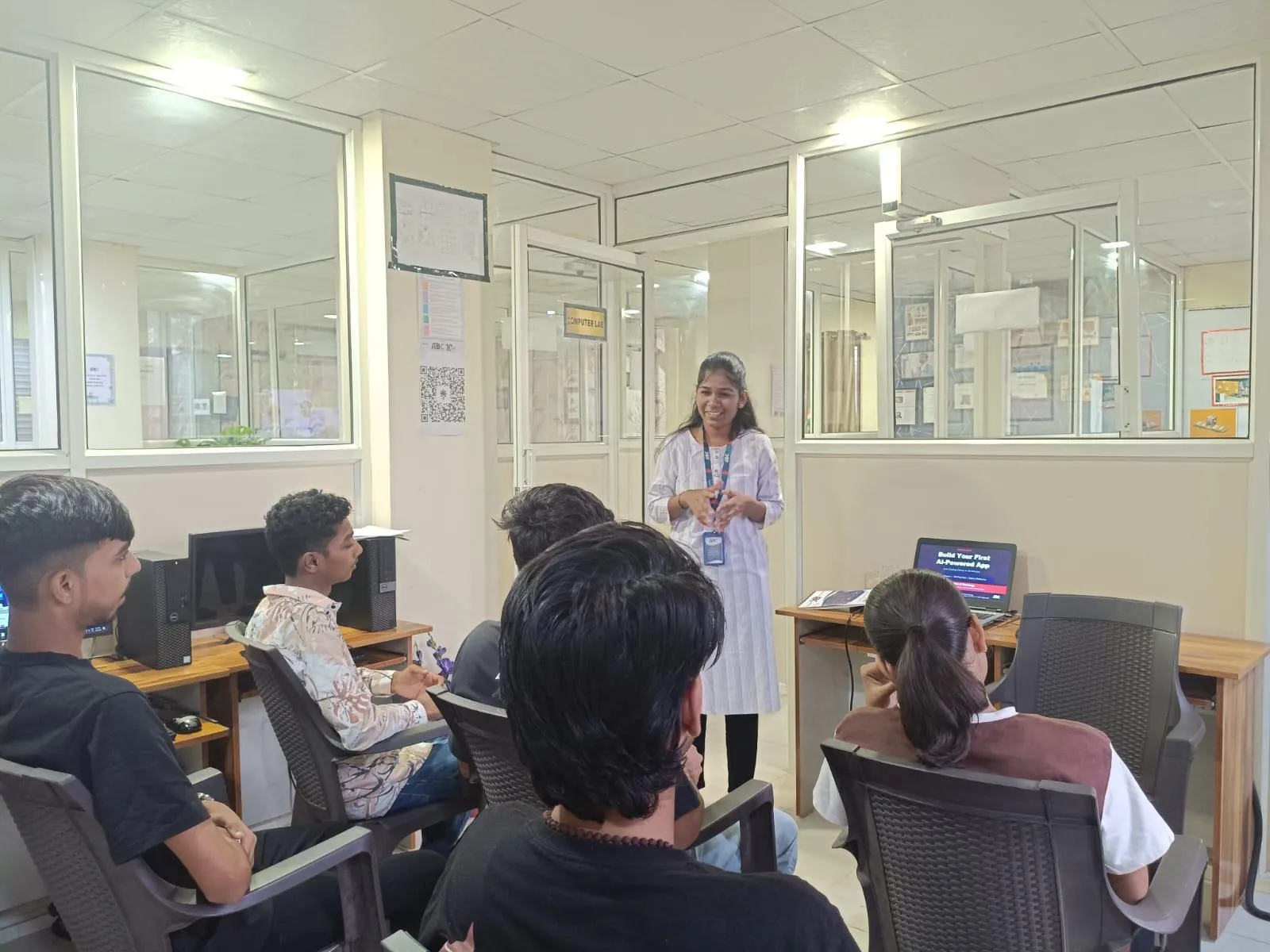
At ABC Trainings, our Python programming course follows a project-first structure: students write code from Day 1 and submit working projects at each milestone. The curriculum covers Python fundamentals, data structures, OOP, NumPy and Pandas for data handling, Flask for web development basics, and a capstone industry project. Our trainers bring experience from Infosys and IT product companies. With centers in Wagholi and Hadapsar (Pune), Cidco and Osmanpura (Sambhajinagar), and Sangli, we run weekend batches suited to final-year engineering students and working professionals looking to transition into Python roles. Call 7039169629 or WhatsApp 7774002496 for the current batch schedule.
Get the AI Powered Application Development Brochure + Fees + Batch Dates on WhatsApp
Free 1:1 counselling. Placement track record. CMYKPY/PMKVY eligibility check.
💬 Get Brochure on WhatsApp📞 Call 7039169629About the author: ABC Trainings Faculty.
Visit Our Centers
- Wagholi (Pune): 1st Floor, Laxmi Datta Arcade, Pune-Ahilyanagar Highway. Call 7039169629
- Hadapsar (Pune HQ): 1st Floor, Shree Tower, opp. Vaibhav Theater, Magarpatta. Call 7039169629
- Cidco (Chh. Sambhajinagar): Kalpana Plaza, opp. Eiffel Tower, N-1 Cidco. Call 7039169629
- Osmanpura (Chh. Sambhajinagar): S.S.C Board to Peer Bazar Road, near Jama Masjid. Call 7039169629
- Sangli: Shubham Emphoria, 1st Floor, Above US Polo Assn., Sangli-Miraj Rd, Vishrambag. Weekend batches available. Call 7039169629
FAQs
How long does it realistically take to learn Python and get a job in India?
For most engineering graduates with no prior coding experience, becoming job-ready in Python takes 300–500 hours of deliberate practice spread over 4–6 months. This includes learning syntax and OOP (100 hours), building domain expertise with libraries like Pandas or Flask (150 hours), completing 2–3 portfolio projects (100 hours), and interview preparation (50–100 hours). Students who practice consistently for 3–4 hours per day can become interview-ready in 4 months.
Is Python enough to get a job at TCS, Infosys or Wipro as a fresher?
Python alone is sufficient to pass TCS National Qualifier Test (NQT) and Infosys Specialist Programmer screening at the entry level — these tests focus on basic programming logic, data structures, and problem-solving. However, for roles above Rs 5 LPA at product companies, you typically need Python plus a domain skill like data analysis (Pandas, Matplotlib), web development (Django, Flask), or automation (Selenium, APIs). The strongest candidates combine Python with domain knowledge specific to their target company's work.
What Python projects should I build for an Indian IT company job application?
The projects that get callbacks at Indian IT companies and startups are ones that solve real industry problems. Strong examples: a sales data dashboard using Pandas and Matplotlib connected to a PostgreSQL database; a Flask web app that handles user authentication and a data model (even for a simple use case); a web scraping tool that collects and structures data from a public source; or an automation script that saves measurable time on a repetitive task. Host each project on GitHub with a clear README that explains the problem it solves, not just the technology used.
Does ABC Trainings offer Python courses with placement support in Pune?
Yes. ABC Trainings offers Python training at our Wagholi and Hadapsar centers in Pune, Cidco and Osmanpura centers in Chhatrapati Sambhajinagar, and our Sangli center. The course is structured to make students job-ready in 4–5 months with portfolio projects included. We assist with resume building, mock technical interviews, and job referrals. Weekend batches are available for working professionals and final-year students. Call 7039169629 or WhatsApp 7774002496 to check the current batch schedule and fees.