If you're stuck between an electrical career and an IT career, industrial automation sits right in the middle and that's exactly why it's such a strong option in India. The primary keyword here is industrial automation career in India, and trust me, this isn't just another trendy recommendation. Companies across Pune, Chhatrapati Sambhajinagar, Nashik, Mumbai, and Sanand want engineers who can handle PLCs, SCADA, HMI, sensors, industrial networks, and plant-level troubleshooting without needing hand-holding. Here's the thing: if you already know the basics of electrical systems, programming logic, or instrumentation, automation gives you a deeper, more practical path with better industry crossover.
What most people don't realize is that automation is no longer limited to one department. A modern plant uses control panels, drives, PLC logic, data logging, alarms, dashboards, remote monitoring, and ERP/MES connectivity together. That means an automation engineer is valuable in manufacturing, process plants, packaging, automotive, food production, pharma, water treatment, and even smart infrastructure. For students and working professionals in Maharashtra, that's a big advantage because you aren't locking yourself into one narrow job track.
Why are students comparing electrical vs IT careers in India?
The confusion is genuine. Electrical looks stable. IT looks high-paying. But when you speak to actual hiring teams, the question isn't only about your degree anymore. It's about whether you can solve real production problems. That's where automation wins.
An electrical-only role may focus on maintenance, panels, motors, switchgear, and site execution. An IT-only role may focus on coding, testing, cloud, support, or web applications. Automation combines hardware understanding with logic-based problem-solving. You'll work with relays, sensors, VFDs, ladder logic, alarms, and industrial communication protocols like Modbus, Profinet, Ethernet/IP, and OPC UA. The good news is, this hybrid profile is harder to replace and easier to justify in a factory budget.
Companies like Bajaj Auto, Mahindra Engineering, Bosch, Siemens, Tata Technologies, Thermax, Kirloskar, and L&T all depend on process efficiency, machine uptime, and production visibility. They don't just need degree holders. They need people who can diagnose why a conveyor stops at random, why a VFD trips under load, why a temperature loop is oscillating, or why a SCADA trend doesn't match the actual field reading.
Why is industrial automation a better long-term career choice in 2026?
Because the demand is driven by business pressure, not hype. Plants are under pressure to produce more, waste less, reduce downtime, improve safety, and collect machine data. Manual systems can't keep up. Semi-automatic systems create bottlenecks. So companies are upgrading.
There are four practical reasons this demand keeps growing:
- Productivity: automated lines run faster and with fewer errors.
- Quality control: repeatability matters in automotive, pharma, and electronics.
- Labor optimization: one skilled engineer can monitor multiple systems.
- Data visibility: management wants live dashboards, alarms, OEE, and traceability.
Here's the thing: every one of these improvements depends on automation engineers who understand both field devices and control logic. If you can commission a PLC, map I/O properly, tune a PID loop, configure an HMI, and troubleshoot communication faults, you'll stay relevant longer than someone who only knows theory.
What advanced automation skills actually matter to employers?
If you already know basic PLC programming, don't stop at start-stop logic and timers. That's entry-level. Power-user workflows are what move your profile from "student" to "hireable."
PLC programming beyond basics
Industry expects structured logic. That means using meaningful tag naming, modular program blocks, interlocks, alarm handling, fault recovery logic, and proper comments. In Siemens TIA Portal V19 or Rockwell Studio 5000, clean architecture matters. A messy ladder program may run, but it becomes a nightmare during troubleshooting.
SCADA and HMI design standards
Don't just make colorful screens. Use ISA-style visual hierarchy, proper alarm priorities, trend screens, navigation consistency, and operator-friendly status indicators. What most people don't realize is that a badly designed HMI can slow down operations even if the PLC logic is perfect.
Drives, instrumentation, and field integration
You should be comfortable scaling analog values, calibrating transmitters, setting VFD parameters, and understanding 4-20 mA, 0-10 V, RTD, thermocouple, encoder, and proximity sensor behavior. This is where electrical and automation truly connect.
Industrial networking and diagnostics
Modern plants don't run on isolated systems. You'll need to read network topology, assign IP addresses, diagnose communication drops, and understand how PLC-SCADA-MES layers talk to each other. Trust me, engineers who can fix communication issues quickly become very valuable on site.
How do professionals work faster in real automation projects?
Let's go deeper into the efficiency tricks professionals use.
- Create reusable templates: motor control blocks, alarm templates, analog scaling blocks, and standard faceplates save hours.
- Use simulation early: before site commissioning, test sequences in a simulated environment to catch interlock mistakes.
- Maintain an I/O checklist: every digital and analog point should be verified with field status, terminal reference, and signal range.
- Version control your logic: keep dated backups before every major change. On live plants, this saves careers.
- Build fault-first diagnostics: instead of only showing machine stopped, show why it stopped.
- Standardize naming conventions: this helps multiple engineers work on the same project without confusion.
These are not glamorous tricks, but they reflect how experienced engineers actually survive deadlines in Pune, Chakan, Ranjangaon, and MIDC plants across Maharashtra.
What salary can you expect in automation jobs in Maharashtra?
Let's keep this realistic. Freshers with practical PLC-SCADA skills in Pune or Chhatrapati Sambhajinagar often start around ₹2.4 lakh to ₹4.2 lakh per year, depending on software exposure, project confidence, and willingness to work on site. If you can handle commissioning, panel understanding, and troubleshooting, salaries move faster.
After 2 to 4 years, many automation engineers reach ₹4.8 lakh to ₹7.5 lakh per year. Engineers working with Siemens, Allen-Bradley, ABB, Delta, Mitsubishi, Wonderware, or Ignition in automotive and process industries can go beyond that. With 5+ years and strong project execution, package levels of ₹8 lakh to ₹12 lakh are realistic, especially in Pune, Mumbai, and large industrial belts.
Compared with generic entry-level electrical maintenance roles or crowded software support roles, automation often gives you a clearer specialist path.
Who should choose automation: electrical students, electronics students, or IT students?
All three can enter, but for different reasons.
- Electrical students: strong fit because you already understand motors, panels, protection, and field wiring.
- Electronics students: great fit for sensors, instrumentation, embedded logic, and control systems.
- IT and computer students: useful if you're interested in SCADA, industrial networking, dashboards, databases, IIoT, and integration.
The good news is, automation doesn't reject your background. It rewards your ability to connect systems. If you can think logically, read industrial drawings, and troubleshoot under pressure, you'll do well.
How can you prepare for automation jobs the right way?
Don't learn randomly from disconnected tutorials. Build job-ready depth. Start with PLC fundamentals, then move into advanced logic design, HMI/SCADA standards, VFD configuration, instrumentation, panel reading, and communication protocols. After that, work on mini-projects like tank level control, conveyor sequencing, batching systems, pump automation, and alarm monitoring.
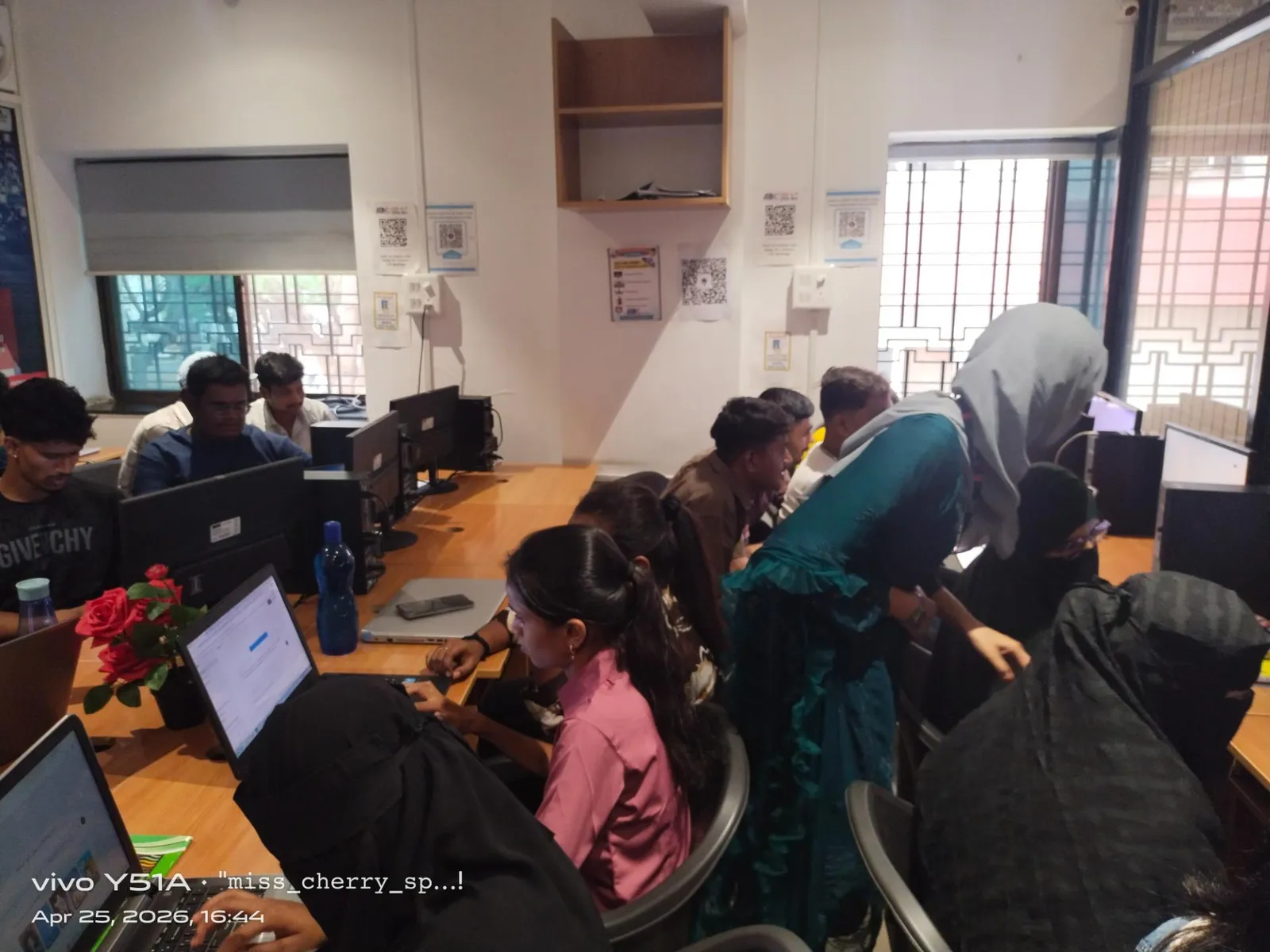
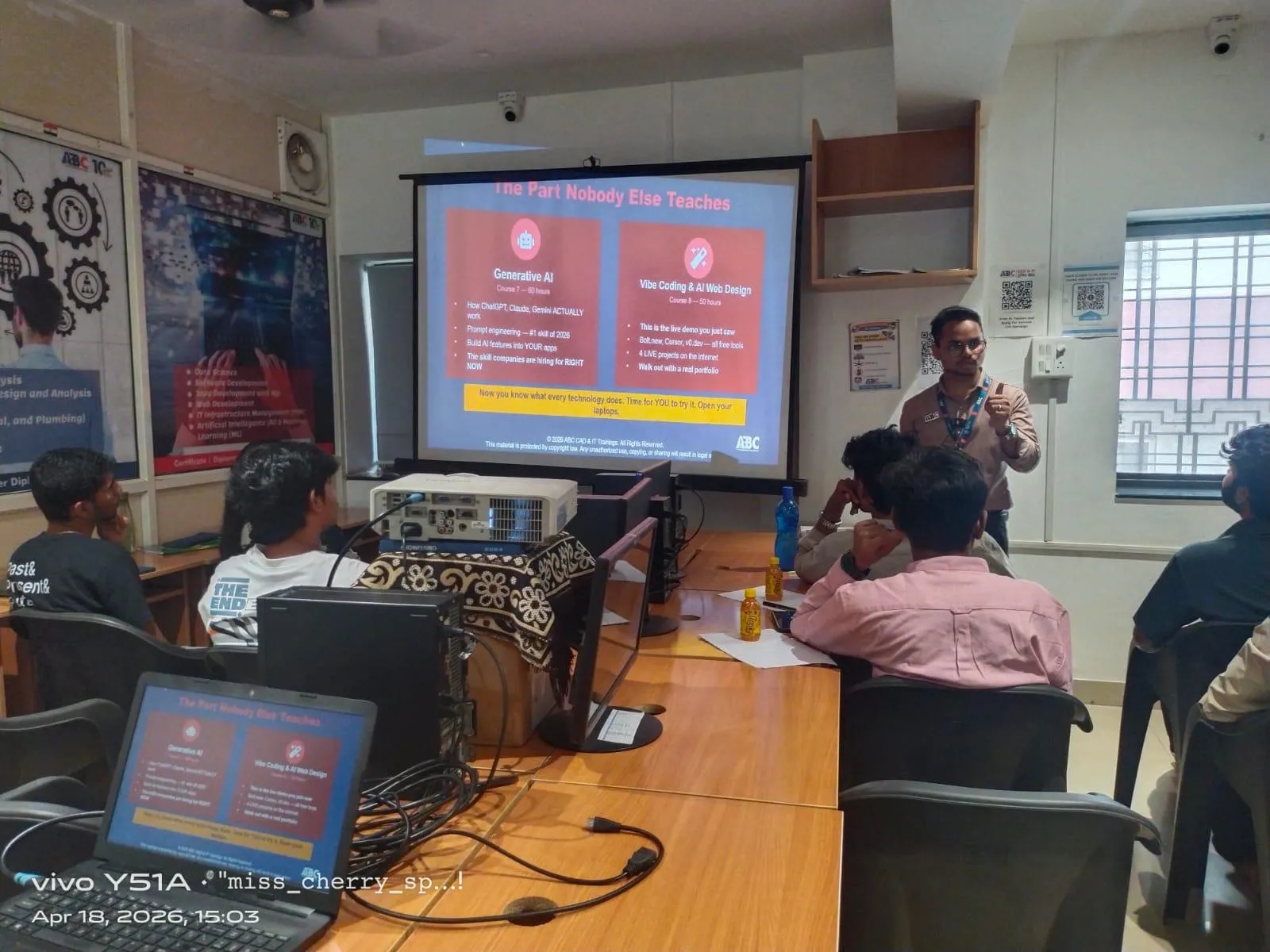
At ABC Trainings, students usually ask whether they need to choose between software and core engineering. My answer is simple: automation lets you use both. If you want practical training in Maharashtra with project exposure, call 8698270088 or WhatsApp 7774002496. One serious course with proper lab work is far more useful than ten random playlists.
And yes, if you're from Hadapsar, Pune, Sangli, or Chhatrapati Sambhajinagar, this field is already relevant around you. Manufacturing isn't slowing down. It's getting smarter.
Is industrial automation better than a pure electrical job in India?
For many students, yes. A pure electrical job may keep you focused on maintenance, installation, or power systems, while automation adds PLCs, SCADA, drives, and process control. That extra layer increases your usefulness in factories and system integrator companies. In Maharashtra's industrial zones, employers often prefer engineers who can handle both electrical understanding and control logic.
Can IT students switch to industrial automation?
Yes, especially if you're interested in logic, dashboards, networks, and industrial software. You'll need to learn sensors, relays, panels, VFDs, and field devices, but your comfort with software can help in SCADA, IIoT, and data integration roles. Many IT-background learners do well once they start thinking in terms of real machines, not just screens. Practical lab exposure is the key.
Which automation software should I learn first for jobs in Pune?
Start with Siemens TIA Portal because it's widely respected and commonly discussed in training-to-job pathways. After that, understanding SCADA, HMI design, VFD setup, and industrial communication makes your profile stronger. If your target companies work with Allen-Bradley, ABB, Delta, or Mitsubishi, learn the logic concepts well so software switching becomes easier. Employers hire problem-solvers, not just button-clickers.
What is the best automation course for freshers in Maharashtra?
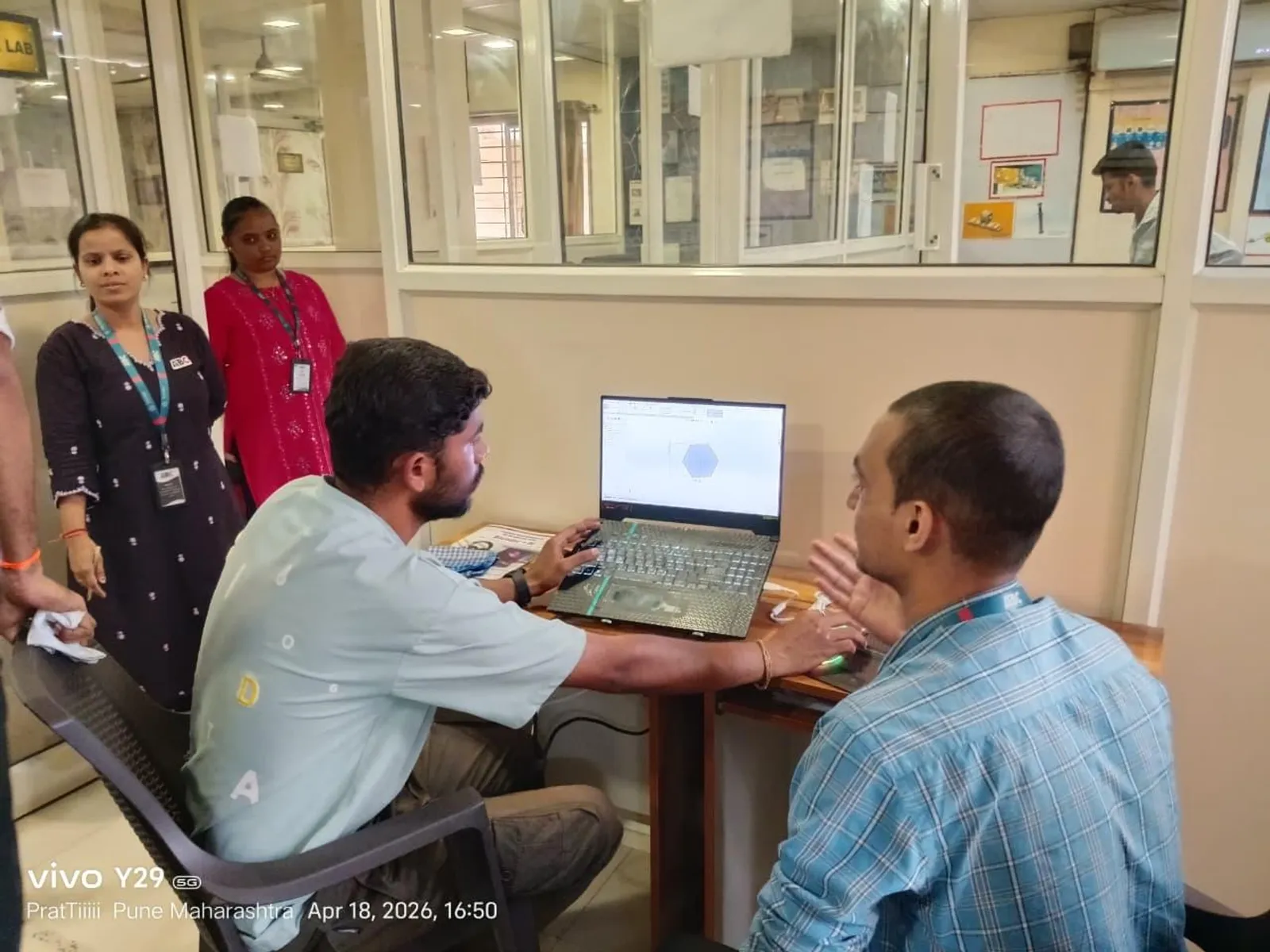
The best course is one that includes PLC, SCADA, HMI, drives, instrumentation, industrial networking, and real troubleshooting practice. Don't choose a course that only teaches theory or basic ladder diagrams. Look for trainer-led sessions, live projects, and placement-focused preparation. ABC Trainings is one option students consider when they want practical automation learning with local support in Maharashtra.
Visit Our Centers
Pune
Wagholi Branch
1st Floor, ABC Trainings, Laxmi Datta Arcade, Pune - Ahilyanagar Hwy, Wagholi, Pune, Maharashtra 412207
Hadapsar Branch
Bloom Hotel, ABC Trainings 1st Floor, S.no 156/3 Shree Tower Pune - Solapur Rd, Hadapsar, Pune, Maharashtra 411028
Start Your Career Journey Today
Join 10,000+ students who transformed their careers with ABC Trainings.
💬 WhatsApp: 7774002496📞 Call: 8698270088