If you're trying to choose the right mechanical engineer career path in India, you'll quickly notice one problem: everyone gives generic advice. One person says go into production, another says quality is safe, and someone else tells you design is the future. Here's the thing — all five major paths can give you a career, but they don't offer the same salary, growth, or work style. If you already know the basics and want a deeper, practical comparison, this guide will help you think like a professional, not just a fresher.

We'll break down the five common domains for mechanical engineers — Production, Manufacturing, Quality, Design, and Administration — and look at what most people don't realize: the day-to-day work, software exposure, salary progression, and how companies in Maharashtra actually hire. Trust me, choosing the right path early can save you two to three years of confusion.
What are the 5 main career paths for mechanical engineers in India?

Most mechanical engineering students in Maharashtra hear these terms in college, but they rarely get a proper industry-level explanation. The five core paths are:
- Production — running machines, shift operations, output planning, downtime control
- Manufacturing — process planning, tooling, plant efficiency, line balancing, industrial engineering
- Quality — inspection, root-cause analysis, documentation, audits, standards
- Design — 2D drafting, 3D modeling, GD&T, assemblies, product development, simulation support
- Administration — planning, coordination, vendor follow-up, ERP support, operations documentation
The good news is, each path has jobs in cities like Pune, Chhatrapati Sambhajinagar, Nashik, Sangli, Kolhapur, and Mumbai. But the skill depth and salary curve are very different.
Which mechanical engineering career path pays the best in India?
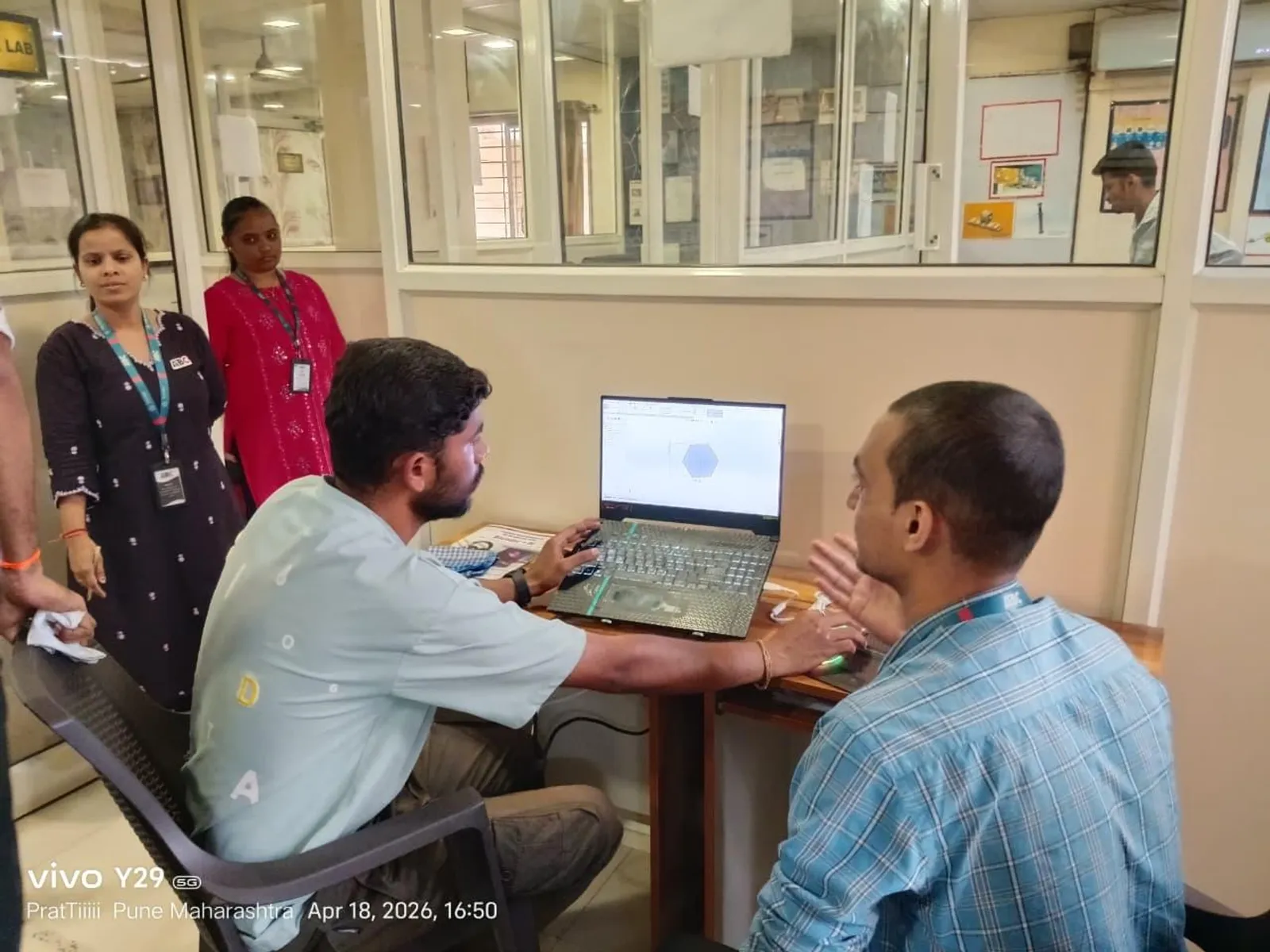
If you're asking purely from a salary and long-term growth angle, design engineering usually has the strongest upside for students who build software skills properly. That's especially true if you learn tools like SolidWorks 2024, CATIA V5, Creo, AutoCAD Mechanical, NX CAD, and understand drawings, tolerances, BOMs, and manufacturing intent.
A typical fresher salary range in 2026 can look like this:
- Production Engineer: ₹1.8 lakh to ₹3.2 lakh per year
- Manufacturing Engineer: ₹2.2 lakh to ₹4 lakh per year
- Quality Engineer: ₹2 lakh to ₹3.8 lakh per year
- Design Engineer: ₹2.8 lakh to ₹5.5 lakh per year
- Administration / Coordinator roles: ₹1.8 lakh to ₹3 lakh per year
At stronger companies or service firms such as Tata Technologies, KPIT Technologies, Mahindra Engineering, L&T, Bosch, Siemens, skilled design candidates can move faster. After 3 to 5 years, a capable design engineer with solid CAD standards and domain knowledge may earn ₹5.5 lakh to ₹9 lakh, while specialized product design or automotive packaging roles can go higher.
Now, that doesn't mean production or quality are bad choices. It means design rewards technical depth and software capability more directly.
Is production engineering a good career for mechanical freshers?
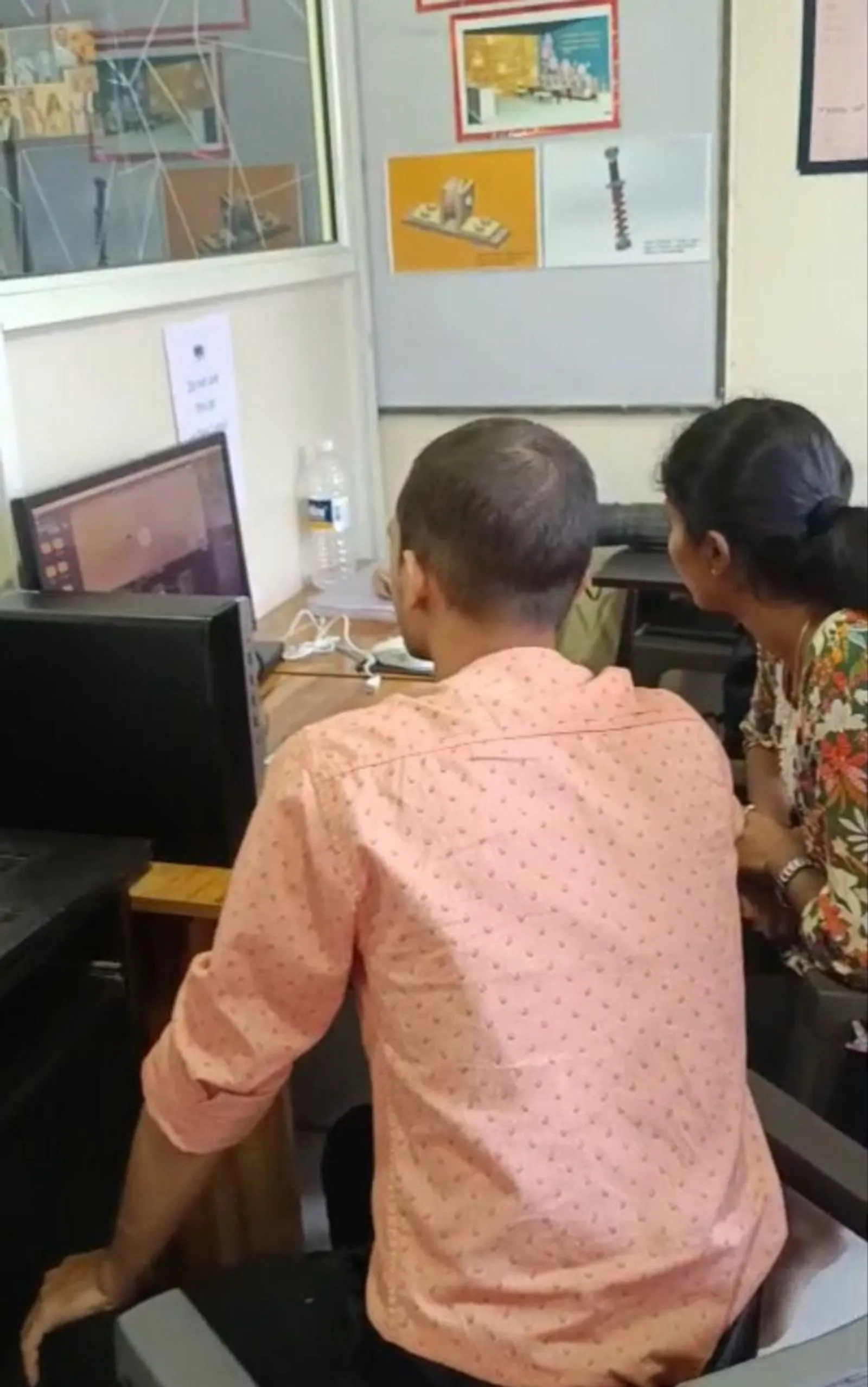
Yes, but you need the right expectations. Production roles are common in plants around Pune, Aurangabad region, Chakan, Waluj, MIDC zones, and Kolhapur. Companies like Bajaj Auto, Kirloskar, Thermax, Bosch, and supplier industries hire production-focused candidates for shop-floor execution.
You'll work on machine loading, output targets, shift reports, manpower coordination, rejection control, and downtime reduction. What most people don't realize is that production teaches discipline, process understanding, and factory behavior very quickly. That's valuable.
But here's the trade-off: the work can be repetitive, shift-based, and physically demanding. Salary growth may be slower unless you move into planning, process improvement, or plant leadership. If you enjoy operations and real-time problem solving, production can suit you. If you want more software-heavy work and office-based technical growth, design may fit better.
How is manufacturing different from production in real jobs?
Students mix these two all the time. Production is about running the line. Manufacturing is about improving the system behind the line.
In manufacturing roles, you'll deal with process sheets, cycle time reduction, fixture planning, line balancing, SOP creation, lean methods, and sometimes CNC process planning. You may also work with cost reduction teams and vendor development.
This path can become strong if you add advanced skills like:
- Process planning documentation
- Basic industrial engineering
- Lean manufacturing and 5S
- PFMEA and control plans
- CNC basics and tooling knowledge
- ERP familiarity like SAP production modules
Trust me, manufacturing becomes much more valuable when you stop presenting yourself as just a plant engineer and start showing measurable improvement results. Even one project like reducing cycle time by 8% or cutting rejection by 3% makes your profile stronger.
Does quality engineering offer stable jobs in Maharashtra?
Yes, quality is one of the more stable paths because every automotive, fabrication, machinery, and process industry needs inspection and compliance. In Maharashtra, quality jobs are common in vendor companies serving Bajaj Auto, Tata Motors, Mahindra, Siemens, L&T, and industrial clusters around Pune and Chhatrapati Sambhajinagar.
Advanced quality work goes far beyond using vernier calipers and filling reports. A serious quality engineer should understand:
- GD&T interpretation
- Root-cause tools like 5 Why and fishbone analysis
- PPAP, APQP, CAPA
- Control plans and inspection planning
- Customer complaint handling
- ISO documentation and audit preparation
The good news is, quality roles can lead to customer quality, supplier quality, and systems auditing. But if you don't build analytical depth, you may get stuck in basic inspection work. That's the difference between a checker and a quality engineer.
Why does design engineering often pay better?
Because design sits close to product value. When a company builds a new machine, component, fixture, enclosure, automotive part, or production system, design work influences cost, manufacturability, assembly, weight, serviceability, and documentation. That's why skilled designers are harder to replace.
Here's where advanced candidates stand out:
- They create clean parametric models, not messy sketches
- They understand assemblies, motion, and interference logic
- They apply GD&T correctly instead of copying symbols
- They prepare manufacturing-ready drawings
- They know sheet metal, weldments, surfacing, or plastics depending on industry
- They coordinate with quality and manufacturing teams
What most people don't realize is that software alone doesn't get you hired. A student who knows SolidWorks commands but can't explain tolerance stack-up or material selection won't impress employers. But a candidate who can model a part, create a drawing, explain fitment, and discuss manufacturing constraints is far more employable.
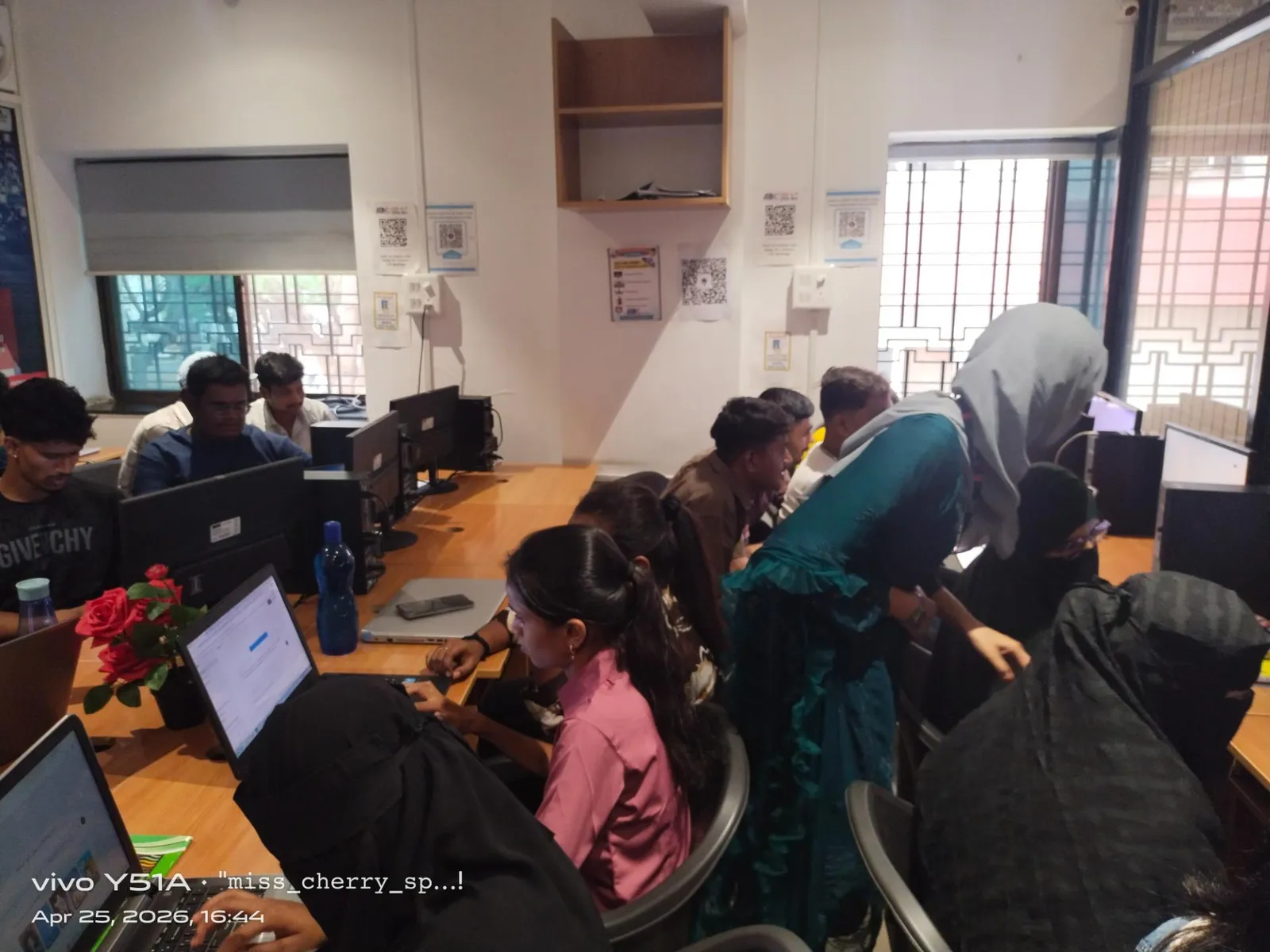
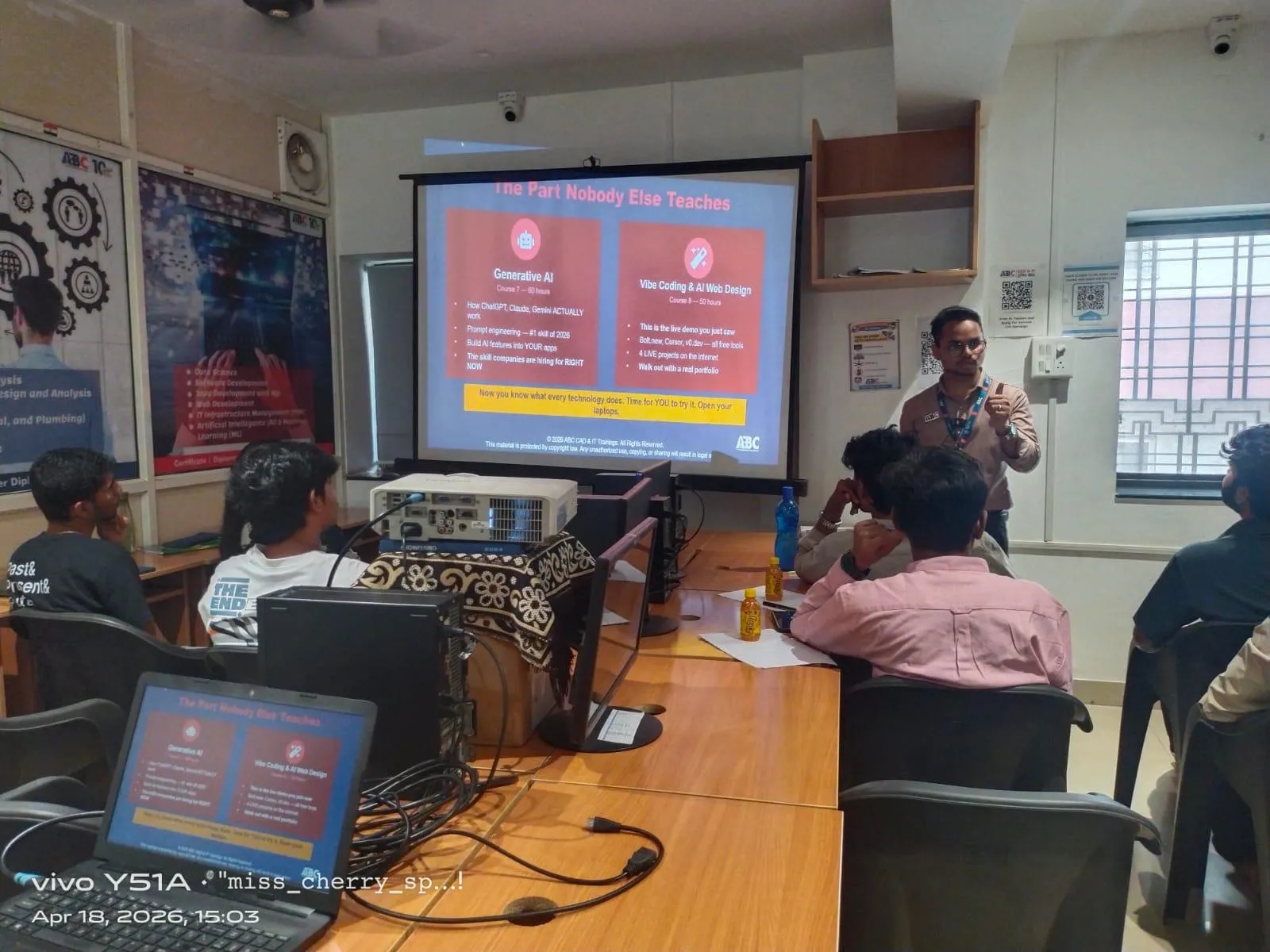
This is why design engineering often becomes the preferred route for students who want higher technical growth. At ABC Trainings, many students ask which mechanical path gives better salary visibility. In most cases, design wins when combined with project work and portfolio quality.
What advanced skills help mechanical engineers grow faster?
No matter which path you choose, power-user skills matter. If you're serious about career growth, build depth in these areas:
1. Drawing interpretation and GD&T
This is non-negotiable. Whether you're in design, quality, or manufacturing, reading drawings correctly changes how employers see you.
2. CAD workflow efficiency
Learn templates, design libraries, configurations, BOM handling, revision control, and drawing automation. These are the details professionals use daily.
3. Cross-functional thinking
A good design engineer understands manufacturing. A good quality engineer understands drawings. A strong manufacturing engineer understands cost and process capability.
4. Portfolio-based proof
Don't just say you know software. Show assembly projects, production fixtures, sheet metal parts, or inspection-based case studies.
5. Communication and reporting
Even in technical roles, you'll need to explain issues clearly to managers, vendors, and clients. Infosys, TCS, and engineering service firms value this more than students expect.
Which path should you choose after mechanical engineering in 2026?
If you enjoy plant activity, can handle shifts, and like operational control, production is practical. If process improvement and systems thinking interest you, manufacturing is stronger. If standards, audits, and defect control appeal to you, quality can be a solid long-term path.
But if you want a skill-based career with better software exposure, stronger salary growth, and opportunities in product companies, vendor industries, and engineering services, design engineering is usually the best option.
That's especially true in Pune, Chhatrapati Sambhajinagar, and Nashik, where companies need CAD-ready mechanical talent. If you're planning your next step and want proper guidance on software, portfolio projects, and job-oriented learning, you can contact ABC Trainings at 8698270088 or WhatsApp 7774002496.
Trust me, don't choose a field just because seniors told you it's safe. Choose the one that matches your strengths, your work style, and the salary path you actually want.
Which mechanical field is best for salary in Maharashtra?
For most students, design engineering offers the best salary upside because it combines software skill, technical depth, and product-level responsibility. Freshers with SolidWorks, CATIA, Creo, and drawing knowledge can start around ₹2.8 lakh to ₹5.5 lakh depending on company and city. In Pune and nearby industrial belts, design roles often grow faster than basic production roles.
Can a mechanical fresher get a design job without experience?
Yes, but only if you have proof of skill. Companies won't hire you just because you attended a CAD class. You need projects, proper drawings, assembly work, and confidence in interviews. A strong portfolio matters a lot for freshers in Maharashtra.
Is quality engineering better than production for long-term stability?
Quality can be more stable because every manufacturing company needs inspection, compliance, and customer quality support. It also offers paths into supplier quality and system audits. Production has more openings, but it can involve shifts and slower salary growth unless you move into planning or leadership roles.
Where can mechanical students in Chhatrapati Sambhajinagar learn job-oriented CAD skills?
Students in Chhatrapati Sambhajinagar often look for training that goes beyond software buttons and focuses on real job use. ABC Trainings helps students build practical CAD, drawing, and project skills for industry roles. For course details, call 8698270088 or WhatsApp 7774002496.
Visit Our Centers
Chhatrapati Sambhajinagar
Corporate Office (HQ)
2nd Floor, Kandi Towers, Jalna Road, Amarpreet Chowk, Chhatrapati Sambhajinagar, Maharashtra 431001
Osmanpura Branch
Plot No 14, Shanya Sect, Near Sant Eknath Rang Mandir, Osmanpura, Chhatrapati Sambhajinagar, Maharashtra 431005
CIDCO Branch
Plot No 4, N-3, Cidco, Opp. High Court, Chhatrapati Sambhajinagar, Maharashtra 431003
Start Your Career Journey Today
Join 10,000+ students who transformed their careers with ABC Trainings.
💬 WhatsApp: 7774002496📞 Call: 8698270088