Stop Chasing Motivation: Why Self-Discipline Is the Real Career Skill for Engineers (Updated June 2026)
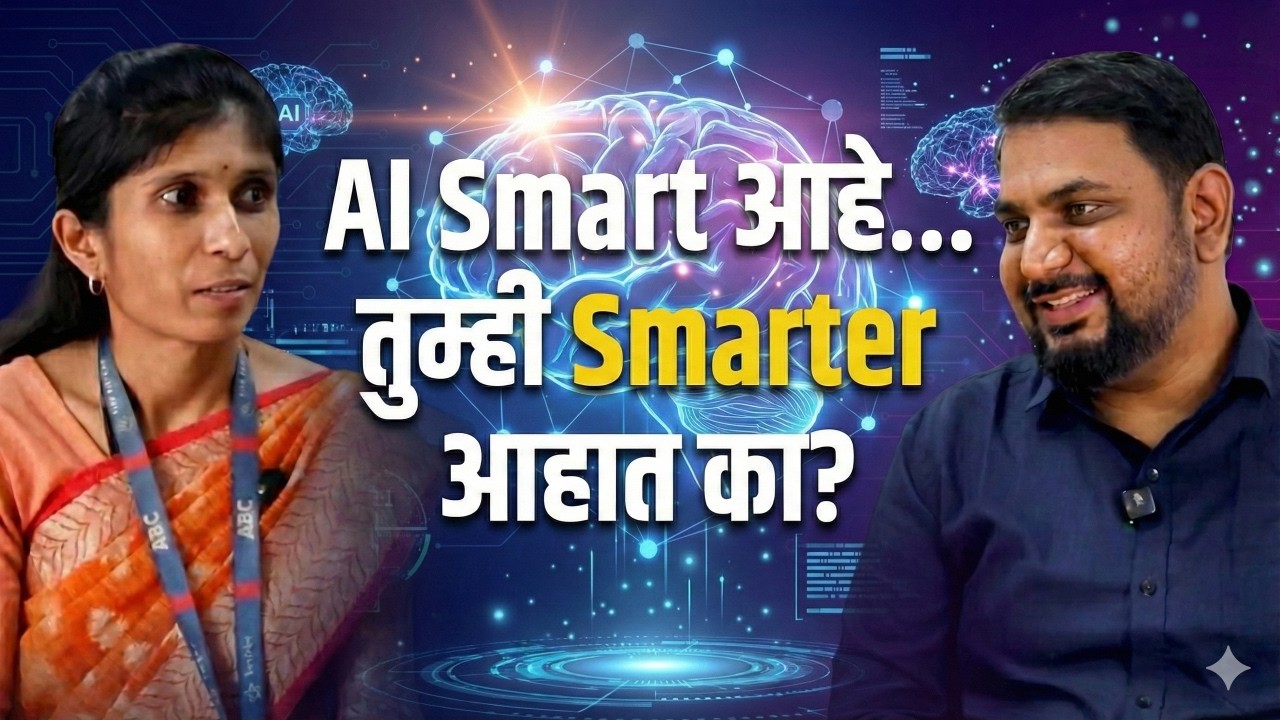
NASSCOM and Deloitte jointly project that India will need 1.25 million AI professionals by 2027 — but the brutal truth is that most engineering students who start an upskilling course drop out within three weeks. It's not a talent problem; it's a motivation problem. Here's the thing: motivation is an emotion — it comes and goes with your mood, your test score, the weather. Self-discipline is a system — it shows up whether you feel like it or not. In this podcast episode, Prof. Kazi Abdul Samad Maheboob from Vishweshwarayya Institute of Engineering and Technology shares hard-won insights from his journey from Lecturer in 2010 to Head of Department in 2022, and what separates engineers who build careers from those who keep waiting to feel ready.
- NASSCOM-Deloitte: India needs 1.25M AI professionals by 2027 — only disciplined learners will grab those roles
- Motivation is an emotion; self-discipline is a system — engineers who show up daily win the career race
- Prof. Kazi went from Lecturer (2010) to HOD (2022) by building consistent daily habits, not waiting for inspiration
- Campus placement rate for your branch matters more than overall college ranking
- An ATKT is not a career death sentence — structured daily revision can turn it around in 6 months
- Mentorship from industry-experienced faculty shortens your career path by years
Why Motivation Fails Engineering Students — and What Replaces It
Every engineering student starts the year saying they will study regularly, practise code daily, or attend every mock placement session. By week three, most have dropped back to cramming before exams. The reason isn't laziness — it's that motivation as a fuel source is inherently depleting. It peaks after a result or an inspiring talk, and crashes during routine effort. Self-discipline, by contrast, is a structured decision you make in advance: I will open my NX CAD software for one hour at 7pm every day, no negotiation. Research on habit formation consistently shows that engineers who attach a skill-building block to an existing routine (after dinner, after morning tea) sustain it far longer than those who rely on feeling inspired. The engineers landing roles at Infosys, Tata Tech, and KPIT right now are not the most talented people in their batch — they are the most consistent.
Prof. Kazi's Framework: The Three Habits of Disciplined Engineers
Prof. Kazi distills disciplined engineering career growth into three habits. First: Patience in leadership — whether in a group project or a workplace team, the engineer who listens before responding and resolves conflict without ego retains their role while the reactive ones burn bridges. Second: Active listening — most students are thinking of what to say next while the professor or interviewer is still talking. The ones who genuinely listen ask better questions, solve problems faster, and get promoted earlier. Third: Consistent conflict resolution — knowing when to escalate a problem versus when to solve it at your level is the skill that determines who becomes a team lead within three years of their first job. These habits sound soft but they are directly correlated with retention and promotion at every Indian IT and engineering company.
| Approach | Motivation-Based | Discipline-Based |
|---|---|---|
| Consistency | Spikes and crashes | Daily, regardless of mood |
| Output | Depends on inspiration level | 1 output per month, every month |
| Portfolio in 6 Months | 0-2 pieces (burst then nothing) | 6 pieces (one per month) |
| Interview Readiness | Unpredictable | Systematic: reviewed and practised |
| Career Outcome | Waiting for the right moment | Creating the right moment daily |
Campus Placement vs Industry Readiness: What No One Tells You
Here's something most college career cells won't say directly: campus placement statistics are often misleading. A college with a 90% placement rate might mean 90% of students who registered with the placement cell received an offer — but the offer might be Rs 2.5L at a BPO, not Rs 6L at a product company. What matters is: what is the placement rate for your specific branch in your target industry? How many students from civil engineering got roles at L&T or AECOM, not just construction supervision roles? How many computer science students got product company roles at Rs 6L+? Industry readiness means having the specific software, portfolio, and communication skills that your target companies test — and campus placement cells rarely train for the specific companies you want, only for the ones that come to campus.
How to Bridge the Industry-Education Gap as a Student
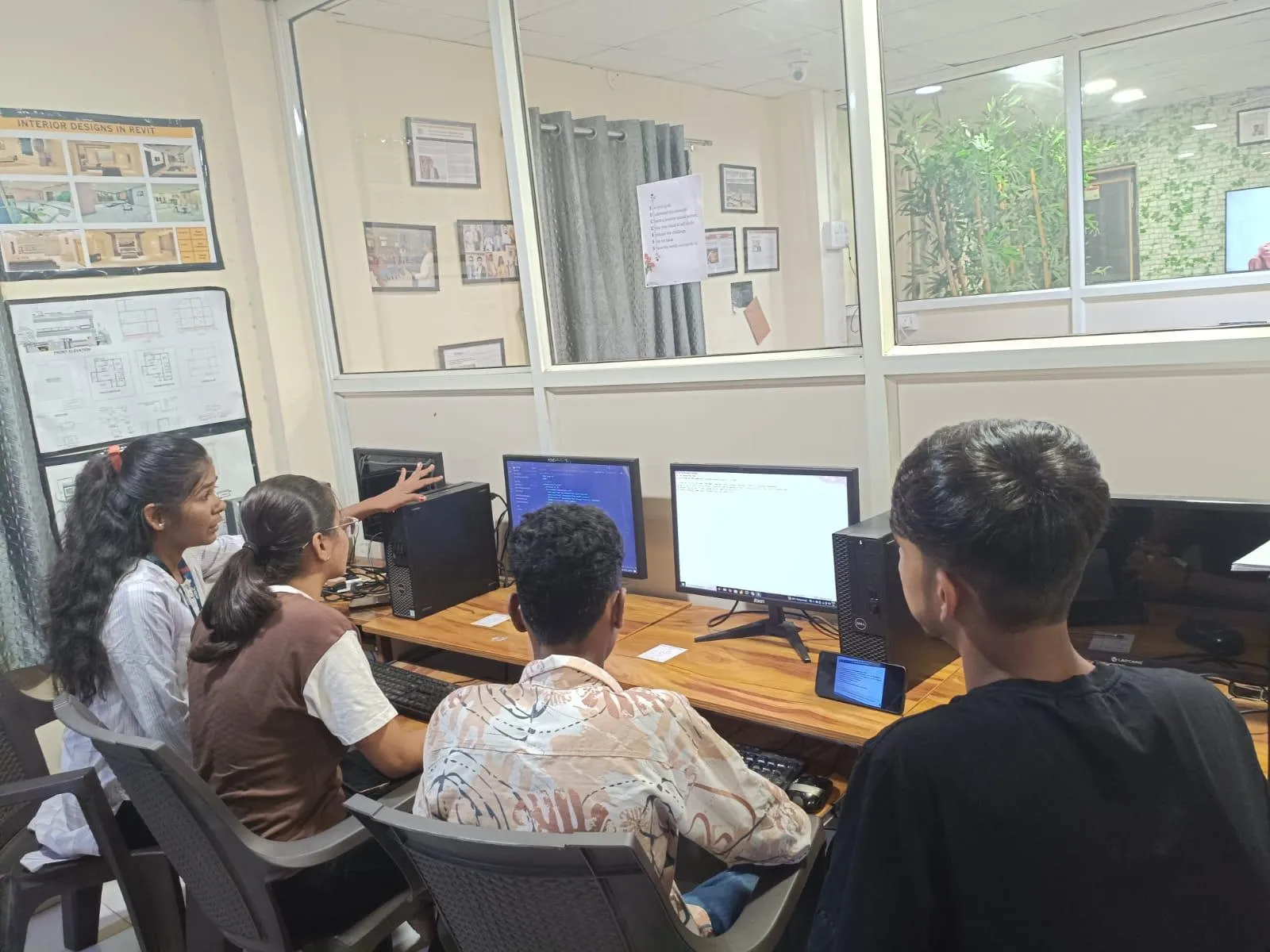
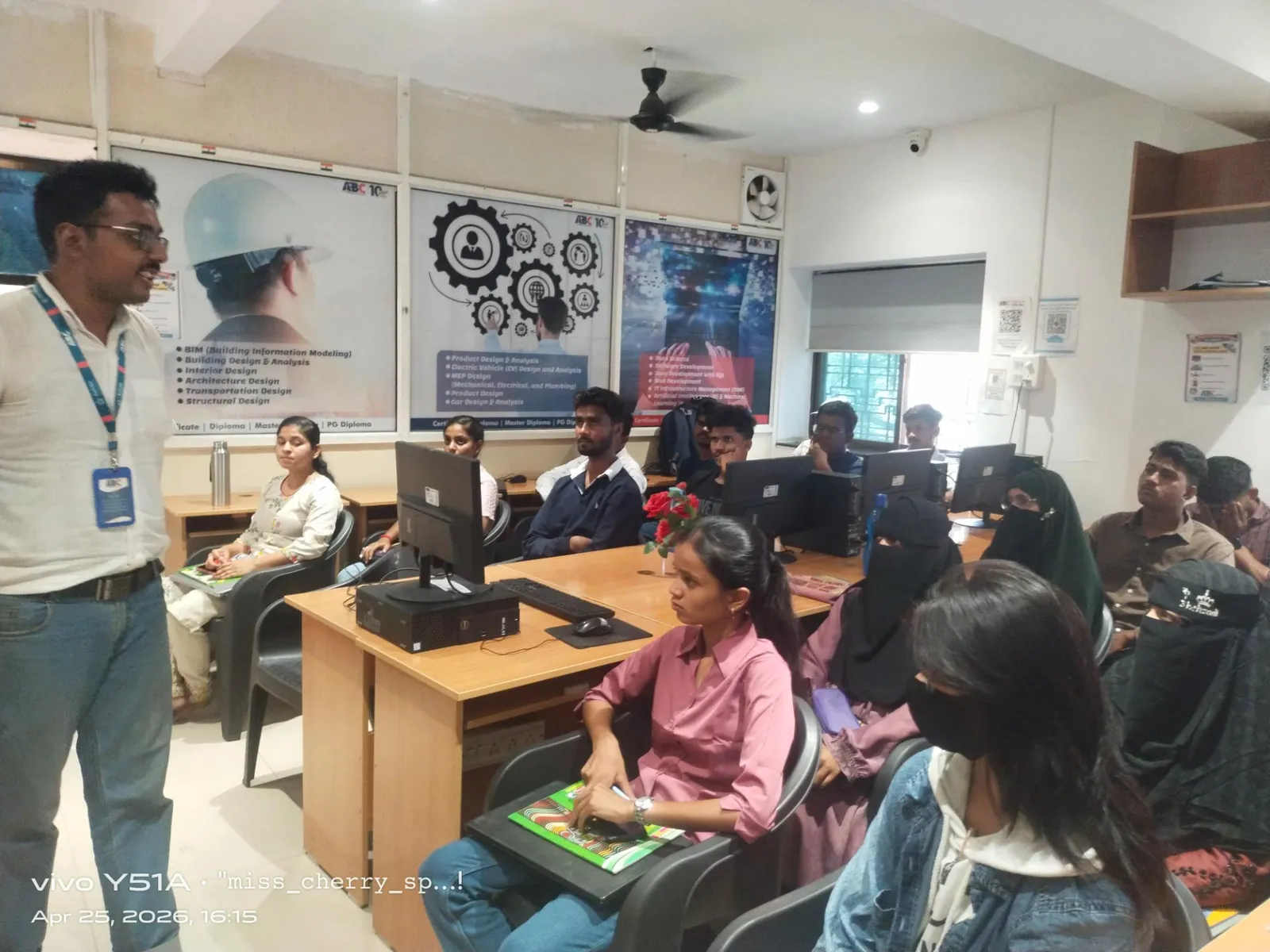
The gap between what engineering colleges teach and what industry requires has never been wider — and AI has made it wider still. Industry now uses Siemens NX, Revit Architecture, Python AI frameworks, and AutoCAD Electrical; colleges still teach dated software and theoretical design principles. The practical bridge: internships (even unpaid, 2-month summer internships at a local engineering company will teach you more than one full semester), open-source contributions (contributing to a GitHub project proves you can read and write real code), industry certifications (Autodesk Certified Professional, Siemens NX certification), and project-backed training courses at institutes like ABC Trainings where faculty bring industry experience into the classroom. Prof. Kazi specifically recommends that students seek faculty with recent industry exposure — not just academic research credentials.
AI and ChatGPT in Engineering Education: Advantage or Distraction?
ChatGPT and AI tools are now embedded in every engineering domain — design engineers use Copilot-style AI to generate G-code; software engineers use GitHub Copilot; civil engineers use AI for structural load calculations. Prof. Kazi's view: AI is a multiplier, not a replacement. An engineer with strong fundamentals who uses AI doubles their productivity. An engineer who uses AI without fundamentals produces plausible-looking but technically wrong outputs — and the errors are harder to catch precisely because they look credible. The discipline you need with AI tools: always verify the output against your own fundamental understanding. Use ChatGPT to draft your email or generate a boilerplate, then review it line by line with your domain knowledge. The engineers who will be replaced by AI are not the ones who use AI — they are the ones who use AI instead of thinking.
Building Your Personal Learning System Even With a Heavy Semester
Here is a personal learning system that works even during an exam-heavy semester. The 1-hour daily block: choose one skill (NX CAD, Python, English communication) and spend exactly one hour on it every day, no more and no less. The weekly review: every Sunday, identify what you completed and what you skipped. If you skipped more than 3 days, reduce the difficulty — go from 1 hour to 30 minutes, or from full exercises to watching one tutorial. The monthly goal: one visible output per month. One completed NX CAD model. One completed Python script. One mock interview recorded and reviewed. One visible output per month compounds dramatically — in 6 months you have 6 portfolio pieces, which is more than 90% of your classmates at the same point in the semester.
From ATKT to 85 Percent: Converting Failure Into Career Momentum
Prof. Kazi's most powerful story from the podcast: a student who accumulated ATKTs in first and second year — sitting at 35% aggregate — who turned it around to finish at 85% in the final year. The method: identifying the three subjects causing the most damage, dropping all social media for a 6-month period, doing 2 hours of focused active practice daily (solving problems, not reading notes passively), and leveraging college tutors rather than self-studying in isolation. An ATKT changes the employer shortlist — some companies filter by aggregate — but it does not close doors permanently. Companies like Wipro, Infosys, and many MIDC manufacturing companies hire on practical skill over academic aggregate for experienced-hire roles. The 3-5 year view is what matters: clear the backlogs now, build the skill, get the first job, and perform. The ATKT becomes irrelevant after 18 months of demonstrated work output.
Mentorship and Long-Term Career Planning for Engineers
Mentorship compresses your learning curve by years. Prof. Kazi describes his own mentor — a senior professor who helped him navigate the transition from industry to academia — as the single most impactful career intervention he received. For engineering students, the best mentors are engineers who have done the specific job you want, 5-7 years ahead of you. They know which skills your target companies actually test (not what the JD says), which colleges and certifications carry weight in their industry, and which mistakes to avoid in the first two years. At ABC Trainings, our faculty include ex-Infosys, ex-Siemens, ex-L&T, and ex-Bajaj Auto engineers who serve as career mentors throughout the training programme — not just as instructors who deliver slides. Call 7039169629 or WhatsApp 7774002496 to speak with a mentor before enrolling.
Get the Career Guidance Brochure + Fees + Batch Dates on WhatsApp
Free 1:1 counselling. Placement track record. CMYKPY/PMKVY eligibility check.
💬 Get Brochure on WhatsApp📞 Call 7039169629About the author: ABC Trainings Faculty.
Visit Our Centers
- Wagholi (Pune): 1st Floor, Laxmi Datta Arcade, Pune-Ahilyanagar Highway. Call 7039169629
- Hadapsar (Pune HQ): 1st Floor, Shree Tower, opp. Vaibhav Theater, Magarpatta. Call 7039169629
- Cidco (Chh. Sambhajinagar): Kalpana Plaza, opp. Eiffel Tower, N-1 Cidco. Call 7039169629
- Osmanpura (Chh. Sambhajinagar): S.S.C Board to Peer Bazar Road, near Jama Masjid. Call 7039169629
- Sangli: Shubham Emphoria, 1st Floor, Above US Polo Assn., Sangli-Miraj Rd, Vishrambag. Weekend batches available. Call 7039169629
FAQs
Why is self-discipline more important than motivation for engineering students?
Motivation is a feeling — it spikes before exams and disappears during routine revision. Self-discipline is a schedule you keep regardless of how you feel. The engineers who land jobs at Tata Tech, Infosys, and KPIT aren't the most talented — they are the ones who practised consistently for 90 days while others waited to feel motivated. One hour daily beats three marathon study sessions per month.
What should engineering students check before taking college admission?
Prof. Kazi recommends verifying three things: (1) placement track record for your specific branch — not college average; (2) whether faculty have recent industry experience, not just academic research; and (3) whether the college has industry tie-ups for internships in your target city. A 60% placement rate for your branch with real companies matters more than the college's overall ranking.
How can an engineering student with ATKT recover their career?
An ATKT is not a career death sentence. Several of Prof. Kazi's students turned 35% ATKT scores into 85% final-year grades through structured revision timetables and a 6-month social media break. The key is isolating the 3-4 subjects causing the most damage and doing 2 hours of daily focused practice rather than passive re-reading. Clear the backlogs, build the skill, get the first job — the ATKT becomes irrelevant after 18 months of demonstrated work output.
How does mentorship help engineering students land better jobs?
A mentor who has done the specific job you want gives you the map instead of letting you navigate alone. They know which skills your target companies actually test, which certifications carry weight, and which mistakes to avoid. At ABC Trainings, our faculty includes ex-Infosys, ex-Siemens, ex-L&T, and ex-Bajaj Auto engineers who serve as career mentors throughout the training — not just course instructors.