Tally GST Jobs in Sangli-Miraj 2026 Placement Guide
Tally GST jobs in Sangli-Miraj are growing for one simple reason: every small business needs someone who can handle billing, GST entries, purchase records, stock, and monthly compliance without creating confusion. If you're a student, job seeker, or even helping in a family business, learning Tally Prime with GST gives you a practical skill that companies can test immediately. Here's the thing: employers in Sangli, Miraj, Pune, and Chhatrapati Sambhajinagar don't care only about certificates. They want someone who can post vouchers correctly, check GST ledgers, reconcile data, and avoid filing mistakes.
That is why this blog is not just about learning software. It's a placement and interview prep guide. You'll see what jobs open up after learning Tally and GST, what companies ask in interviews, what to add to your resume, how to build a simple portfolio, and where to apply for accounting roles in Maharashtra.
Why do small business owners in Sangli-Miraj need Tally and GST knowledge?
Sangli-Miraj has a strong network of traders, retailers, clinics, distributors, transport businesses, manufacturers, agro-related firms, and service providers. Many of these businesses still struggle with day-to-day accounting discipline. Bills get delayed. Purchase entries are incomplete. GST classifications are done carelessly. Stock and ledger balances don't match. What most people don't realize is that this creates job demand for people who can fix the process.
If you're a small business owner, Tally and GST knowledge helps you control cash flow, understand receivables, track payable amounts, and avoid penalties. If you're a job seeker, the same skill makes you useful from day one. You can work as an Accounts Executive, Billing Executive, GST Assistant, Junior Accountant, Back Office Executive, Inventory Accountant, or Office Accountant.
In Sangli-Miraj, entry-level Tally and GST jobs often start around ₹12,000 to ₹18,000 per month. With 1 to 3 years of clean practical experience, many candidates move to ₹20,000 to ₹30,000. In Pune, companies and CA firms may offer ₹18,000 to ₹32,000 for strong candidates. If you add Excel, MIS reporting, and basic payroll, the salary scope improves faster.
What jobs can you get after learning Tally and GST in Maharashtra?
The good news is, you don't need to wait for a big MNC to start your career. Most learners begin with local firms and then move to larger companies or service-based finance teams. Common job roles include:
Accounts Assistant: voucher entry, purchase and sales entry, ledger maintenance, bank reconciliation.
GST Executive: GST data preparation, input-output verification, invoice checking, return support.
Billing Executive: invoice generation, e-way bill support, customer billing, payment follow-up.
Junior Accountant: day book, stock entry, receivables, payables, expense records.
Back Office Accounts Staff: documentation, Excel reports, Tally reports, vendor records.
Later, you can target openings in manufacturing vendors and service companies around Pune and nearby industrial belts where firms connected with Bajaj Auto, Tata Technologies, Mahindra Engineering, Bosch, Siemens, Thermax, Kirloskar, and L&T ecosystems need support staff in accounts, billing, and compliance functions. For larger IT-enabled finance operations, companies such as Infosys, TCS, and KPIT Technologies may prefer broader finance tools too, but Tally and GST still give you a useful base.
What do companies ask in Tally and GST interviews?
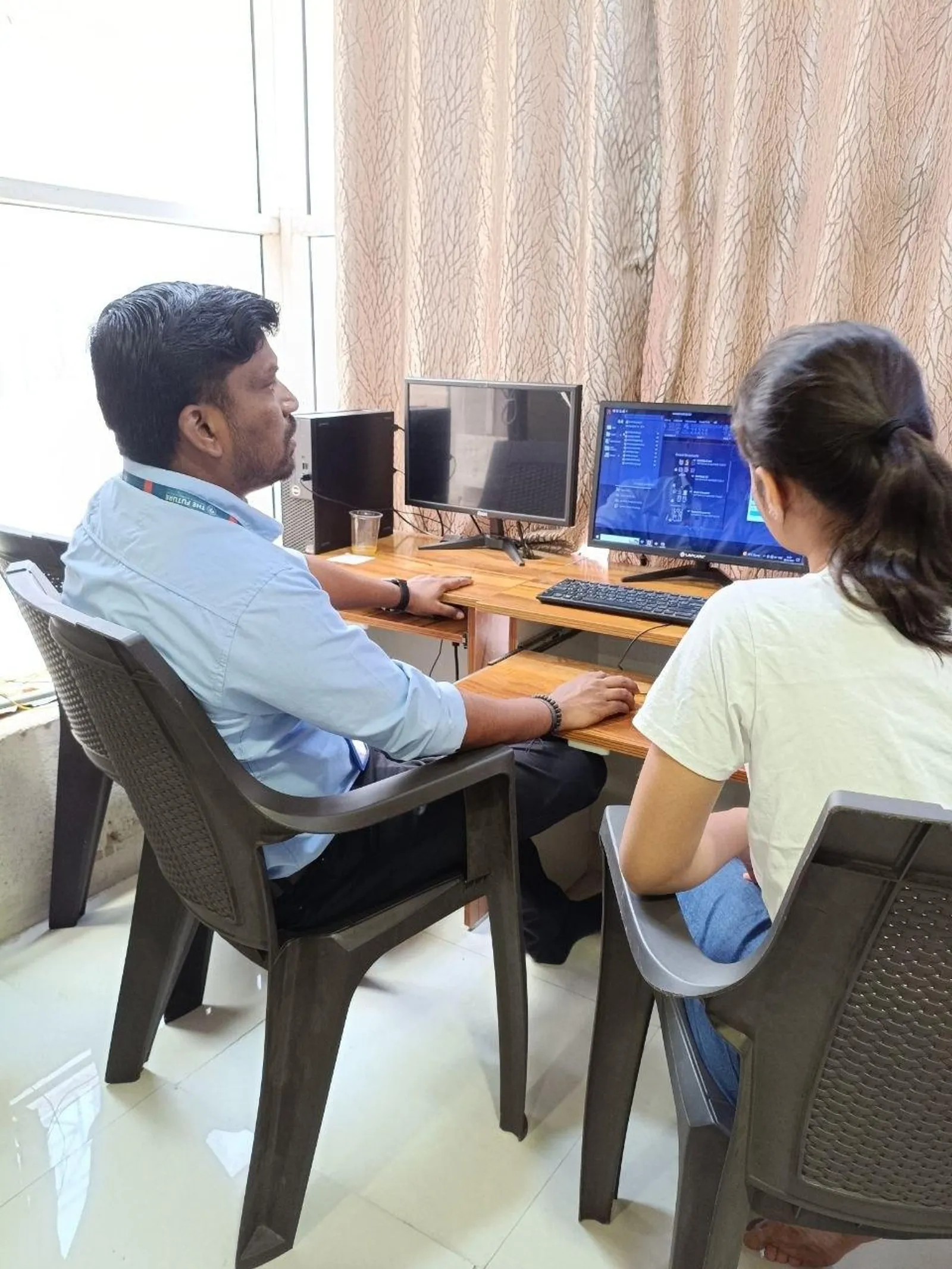
Trust me, most interviews for these roles are very practical. Employers usually want proof that you can handle routine work with fewer errors. They may not ask theory in a fancy way. They will ask what you actually did.
Common Tally interview questions
1. How do you create a company in Tally Prime?
2. What is the difference between a ledger and a group?
3. How do you enter purchase and sales vouchers?
4. How do you record GST in a sales transaction?
5. What is bank reconciliation and how do you do it?
6. How do you check outstanding receivables and payables?
7. How do you manage stock items, units, and godowns?
8. Which reports in Tally Prime do you use daily?
Common GST interview questions
1. What is CGST, SGST, and IGST?
2. When is IGST applicable?
3. What details must be correct on a GST invoice?
4. How do you identify input tax credit issues?
5. What is the difference between B2B and B2C billing?
6. What happens if GST entries are posted in the wrong ledger?
7. What basic checks do you do before return filing?
8. What is an e-invoice and when is it applicable?
A smart interview answer always includes process. For example, instead of saying, “I know GST entry,” say, “I create the party ledger with GST details, select the correct sales ledger, verify tax classification, check invoice value, and review the GST summary before finalizing.” That sounds like someone who's actually worked on the software.
How should you build a portfolio for Tally and GST jobs?
Many students think portfolios are only for designers or coders. That's wrong. For Tally and GST jobs, a portfolio can be simple and still very effective.
Create a small folder with 5 to 7 practical samples:
1. Sample company setup in Tally Prime.
2. Purchase voucher entry with GST.
3. Sales voucher with tax breakup.
4. Stock item creation and inventory report.
5. Bank reconciliation example.
6. Outstanding receivables report.
7. Monthly GST summary screenshot or practice worksheet.
Don't use real confidential business data. Make practice files for a medical shop, trading firm, hardware store, transport office, or distributor from the Sangli-Miraj business context. That's locality-specific and makes your work look relevant. If you're helping your family business, document the workflow you improved: billing speed, stock tracking, ledger cleanup, or GST report checking.
You can carry this portfolio on your phone, laptop, or as printed screenshots in an interview. Here's the thing: when two freshers have the same certificate, the one with practical samples usually gets shortlisted first.
What should you put on your resume for Tally and GST roles?
Keep your resume to one page if you're a fresher. Don't fill it with weak buzzwords. Add only job-relevant points.
Must-have resume sections
Headline: Fresher Accountant | Tally Prime with GST | Billing and Ledger Entry
Skills: Tally Prime 4.x, GST billing, purchase and sales entry, bank reconciliation, inventory basics, Excel, invoice checking, receivables and payables tracking.
Project section: Created a practice trading company in Tally Prime, posted 100+ transactions, generated GST-compliant invoices, prepared receivables and stock reports.
Experience section: If you worked in a shop, office, CA firm, hospital desk, or family business, mention it. Even part-time billing support matters.
Achievements: Reduced billing errors in practice project, maintained daily entries for 30-day simulated accounts cycle, prepared GST summaries.
Add your city clearly: Sangli, Miraj, Islampur, Kolhapur, Pune, or Chhatrapati Sambhajinagar. Recruiters often filter by location first.
Which job portals should you use for Pune and Sambhajinagar companies?
Apply in multiple places, not just one portal. For Tally and GST jobs, local hiring happens fast and often through smaller channels.
Naukri: good for accountant, billing, GST executive, and back office roles in Pune and Sambhajinagar.
Apna: useful for local office jobs, billing jobs, and fresher accountant openings.
Indeed: strong for SME, CA firm, and trading company roles.
LinkedIn: useful for connecting with HR staff, finance managers, and placement leads in Pune.
WorkIndia: good for local office and field-support accounting roles.
Local CA networks and WhatsApp groups: very important in Sangli-Miraj. Many openings are shared informally before they reach big portals.
Search with smart keywords like: “Tally operator Pune”, “GST executive Sambhajinagar”, “junior accountant Sangli”, “billing executive Miraj”, “accounts assistant Kolhapur”, and “back office accountant Pune fresher”.
How can you prepare for placement after a Tally and GST course?
Start with software practice, but don't stop there. You should be able to complete one full business cycle: company creation, ledger setup, stock setup, sales and purchase entries, GST posting, payment entries, bank reconciliation, and reports.
Then practice speaking about your work in simple English and clear Marathi or Hindi. Many interviews in Maharashtra switch between languages. If you understand the process but can't explain it, you'll lose confidence.
At ABC Trainings, students are usually guided to focus on practical files, interview confidence, and job-readiness instead of only classroom completion. If you want course and placement guidance, call 8698270088 or WhatsApp 7774002496.
One more point. If you want better salary growth, pair Tally and GST with Advanced Excel. A lot of Pune employers expect basic reports, filters, VLOOKUP or XLOOKUP understanding, and statement formatting along with accounting work.
Is Tally and GST worth learning if you are a business owner, not a job seeker?
Absolutely. Even if you don't plan to work in a company, this skill saves money and improves control. You'll understand what your accountant is doing, catch mistakes early, manage billing better, and stay more confident during GST-related discussions. For family businesses in Sangli-Miraj, that's a real advantage.
The same training can also become a backup career option. The good news is, one practical skill can help you run your business better and also make you employable in Maharashtra's accounting market. If you want a locally relevant Tally and GST learning path, ABC Trainings can help you understand the right starting point.
Can I get a job in Pune after learning Tally and GST in Sangli?
Yes, you can, provided you build practical skills and not just complete a course. Pune employers usually expect invoice handling, ledger posting, GST basics, bank reconciliation, and Excel support. If your resume shows practice projects and you can answer process-based questions confidently, you can apply for fresher accounting roles.
What salary can a fresher get after a Tally and GST course in Maharashtra?
In Sangli-Miraj and nearby cities, freshers commonly start between ₹12,000 and ₹18,000 per month. In Pune, stronger candidates may get around ₹18,000 to ₹25,000, and sometimes more if they also know Excel and billing operations. Salary depends on your speed, accuracy, city, and interview performance.
Do small business owners really need to learn Tally and GST themselves?
Yes, at least at a working level. You don't need to become a full-time accountant, but you should understand billing flow, GST basics, reports, and common entry mistakes. That helps you monitor staff better, avoid confusion, and make faster business decisions.
What is the best way to prepare for a Tally and GST interview as a fresher?
Practice one complete company file in Tally Prime and be ready to explain every step. Keep screenshots or printouts of vouchers, reports, and GST summaries as your portfolio. Also prepare for basic questions on CGST, SGST, IGST, invoices, bank reconciliation, and stock handling in real business scenarios.
Visit Our Centers
Sangli
Sangli Branch
2nd Floor, Vasant Market, Opp. City High School, Sangli, Maharashtra 416416
Start Your Career Journey Today
Join 10,000+ students who transformed their careers with ABC Trainings.
💬 WhatsApp: 7774002496📞 Call: 8698270088