In today’s competitive job market, thousands of students complete courses, earn certificates, and apply for jobs with high hopes. Yet many of them face the same frustrating outcome: resume rejected.
The harsh reality is that most companies prefer candidates with practical experience rather than just theoretical knowledge. Understanding why this happens can help students prepare better and dramatically increase their chances of getting hired.
This article explains the real reasons employers reject resumes without practical experience and what students can do to overcome this challenge.
1. Companies Need Job-Ready Candidates
Modern companies operate in fast-paced environments. They often prefer candidates who can start contributing immediately rather than spending months learning basic practical skills.
When recruiters review resumes, they typically look for:
Hands-on project experience
Internship work
Real tools used in the industry
Problem-solving ability
Exposure to real work environments
If a resume shows only course completion without real application, recruiters often assume the candidate may require extensive training.
As a result, they move on to applicants who already have some practical exposure.
2. The Gap Between Academic Learning and Industry Needs
Many academic programs focus heavily on theory rather than practical implementation.
Students might learn concepts like:
Programming languages
Networking fundamentals
Software tools
Business concepts
However, companies expect candidates to know how to apply those concepts in real situations, such as:
Building real applications
Working on live datasets
Troubleshooting technical issues
Collaborating with teams on projects
Without practical exposure, students struggle to demonstrate these abilities during interviews.
3. Recruiters Spend Only Seconds on Each Resume
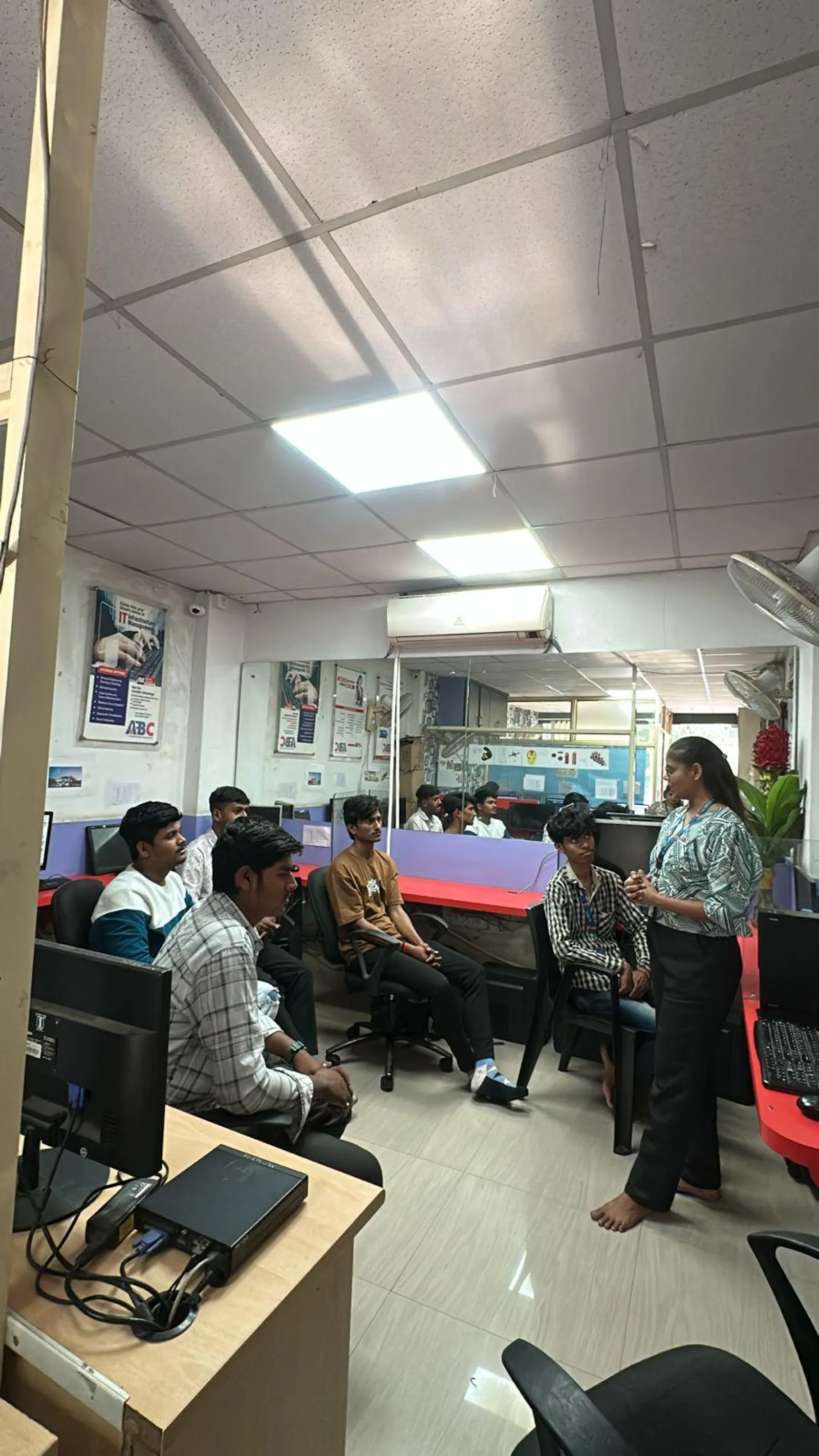
Recruiters receive hundreds of applications for a single job opening.
Studies show that many recruiters spend 6–10 seconds scanning a resume before deciding whether to shortlist it.
During that quick scan, they usually check for:
Projects
Internship experience
Tools used
Industry exposure
Certifications with practical work
If none of these appear, the resume often gets rejected immediately.
4. Practical Experience Shows Real Skills
Certificates show that you completed a course, but practical experience proves that you can actually perform the work.
For example:
Instead of writing:
“Completed Python Course”
A stronger resume would say:
“Developed a Python-based data analysis project using real datasets.”
Practical experience helps demonstrate:
Problem-solving ability
Technical competence
Confidence in tools
Understanding of real workflows
These are qualities employers value far more than theoretical knowledge.
5. Employers Want Proof of Learning
Recruiters often ask candidates questions like:
What projects have you worked on?
What challenges did you face during your project?
How did you solve those problems?
Which tools did you use?
Students without practical experience struggle to answer these questions convincingly.
On the other hand, candidates with project experience can share real examples, which significantly improves their chances of getting hired.
6. The Reality of Entry-Level Jobs
Many job listings say “0–1 years experience required.”
This confuses students because they assume freshers do not need experience.
But in reality, companies expect freshers to have at least:
Internship experience
Training projects
Hands-on tool usage
Industry case studies
These experiences help employers feel confident that the candidate can handle real work responsibilities.
7. Practical Training Builds Confidence
Students who only study theory often feel nervous during interviews.
However, practical training helps students:
Explain concepts clearly
Demonstrate real projects
Solve problems confidently
Understand industry workflows
Confidence plays a major role in interview success.
8. How Students Can Overcome This Problem
The good news is that lack of experience can be fixed.
Students can improve their employability by focusing on practical skill development.
Some effective strategies include:
Work on Real Projects
Create projects that solve real problems. This shows employers you can apply your knowledge.
Join Practical Training Programs
Training programs that include hands-on exercises, assignments, and real projects help students become job-ready.
Build a Portfolio
A portfolio with projects, tools used, and case studies can make your resume much stronger.
Participate in Internships
Even short internships provide valuable industry exposure.
Learn Industry Tools
Companies prefer candidates who already understand commonly used tools and platforms.
9. Why Practical Training Matters Today
The job market has changed significantly in recent years.
Companies now prioritize:
Skills over degrees
Projects over theory
Problem-solving over memorization
Students who invest in practical training and real project experience have a much higher chance of securing good job opportunities.
Start Building Real Skills
If you want your resume to stand out, focus on learning by doing.
Practical knowledge, industry exposure, and project experience will always give you an advantage in interviews.
ABC Trainings is a Government Affiliated Training Company, MSME, ISO certified training institute that focuses on practical learning to help students become job-ready.
Students receive:
Hands-on training
Industry-relevant skills
Real project experience
Career guidance
For course details or counseling:
📞 Call: 7039169629
💬 WhatsApp: 7039169629
Final Thoughts
The harsh truth is simple: companies reject resumes without practical experience because they need candidates who can perform from day one.
But the solution is equally clear.
By gaining hands-on training, working on real projects, and developing practical skills, students can transform their resumes from being ignored to getting shortlisted.
The sooner students start focusing on real-world learning, the faster they move toward successful careers.