VFD Training Course 2026: Variable Frequency Drive Selection, Programming and Troubleshooting for Indian Engineers (Updated July 2026) (Updated July 2026)
Variable frequency drives are in almost every motor system in Maharashtra's factories — conveyors, pumps, fans, compressors, machine tools, and EV manufacturing lines. The AURIC industrial corridor has attracted ₹71,343 crore in investment and created 62,405 jobs, and every new plant there runs VFDs on critical motor loads. Yet most electrical diploma graduates have never configured one. A VFD training course bridges this gap and directly improves your employability in Pune and Aurangabad's industrial belts.
- A VFD (Variable Frequency Drive) controls AC motor speed by varying the frequency and voltage of the power supply — saving energy and enabling precise motion control
- The three dominant VFD brands in Maharashtra factories are ABB, Siemens (SINAMICS), and Allen-Bradley (PowerFlex) — knowing at least one is essential for automation roles
- VFD training covers drive selection, parameter setting, commissioning, PLC integration (via Profibus/Profinet/EtherNet IP), and fault diagnosis
- VFD-trained engineers in Maharashtra earn ₹3.5–16 LPA depending on experience and additional PLC/SCADA skills
- CMYKPY stipend of ₹6,000–10,000 available for eligible students; ABC Trainings covers VFDs hands-on with real drives in the lab
What Is a VFD and Why Every Motor System in India Uses One
A Variable Frequency Drive (VFD) — also called a Variable Speed Drive or inverter — controls the speed of an AC induction motor by varying the frequency (and voltage) of the power it supplies. Instead of running a motor at a fixed 50 Hz (as it comes from the mains supply), a VFD can run it at 25 Hz for half speed, 40 Hz for 80% speed, or any value in between — continuously adjustable under program control.
Why does this matter? Three reasons:
- Energy savings: Motor speed follows load — a centrifugal pump running at 80% speed uses only 51% of the power it would use at full speed (power scales with the cube of speed). Most factories in India see 20–40% energy savings on pump and fan applications after installing VFDs.
- Process control: Conveyors, extruders, and machine tools need precise speed control — a VFD gives you exact, continuously variable speed from 0 to full speed without mechanical gearboxes.
- Motor protection: VFDs provide soft starting (no surge current), overcurrent protection, overtemperature protection, and phase loss detection — extending motor life significantly.
VFD Selection: How to Choose the Right Drive for Your Application
Selecting the right VFD for an application requires knowing four parameters:
- Motor rating: Match the VFD kW/HP rating to the motor nameplate. Always size slightly above (a 5.5 kW VFD for a 5.5 kW motor is fine; a 4 kW VFD is not).
- Application type: Variable-torque loads (centrifugal pumps and fans) need simpler drives; constant-torque loads (conveyors, compressors, cranes) and servo-type loads need drives with vector control capability (higher specification, higher cost).
- Environment: IP20 (panel-mounted) vs IP54 (dusty or wet environments). In Maharashtra's foundries and cement plants, IP54 or higher is mandatory.
- Communication protocol: If the VFD needs to be controlled by a PLC, which fieldbus does your PLC support? Siemens PLCs use Profibus/Profinet; Rockwell PLCs use DeviceNet/EtherNet/IP. Choose a VFD with the matching communication module.
The most widely used VFD brands in Maharashtra factories are: ABB ACS series (ACS550, ACS880) — dominant in process industries, water treatment, and FMCG; Siemens SINAMICS G series (G120, G150) — dominant wherever Siemens PLCs are installed (automotive, heavy engineering); and Allen-Bradley PowerFlex series (PowerFlex 525, 755) — common in automotive plants using Rockwell/Allen-Bradley PLC systems.
| VFD Brand / Model | Communication Protocol | Main Maharashtra Application |
|---|---|---|
| Siemens SINAMICS G120 | Profinet, Profibus DP | Automotive plants (Bajaj, Skoda VW) — TIA Portal integrated |
| ABB ACS550 / ACS880 | Fieldbus option modules (Profibus, EtherNet) | Process industry, water treatment, FMCG (Pune, Nashik) |
| Allen-Bradley PowerFlex 525/755 | EtherNet/IP, DeviceNet | Rockwell PLC plants — conveyors, packaging (Pune MIDC) |
| Danfoss VLT series | Profibus, Modbus | HVAC, pumps, water utilities across Maharashtra |
| Schneider Altivar series | Modbus TCP, EtherNet/IP | Pharma, textiles, general manufacturing SMEs |
VFD Programming and Commissioning: Siemens, ABB and Allen-Bradley
Every VFD brand has a different parameter structure, but the commissioning steps follow a common pattern:
- Motor data entry: Enter the motor's nameplate data into the drive: rated voltage, rated current, rated frequency, rated speed (rpm), rated power. The VFD uses this to optimise its control algorithm for your specific motor.
- Basic parameters: Set acceleration time (how fast the motor ramps from 0 to maximum speed), deceleration time (how fast it ramps down), minimum and maximum frequency, and direction of rotation.
- Control source: Select how the drive receives its speed reference and start/stop command — via analog input (0–10V or 4–20mA from a PLC analog output), via Profinet/Profibus/EtherNet IP fieldbus, or via the drive's built-in keypad.
- Motor tuning (autotune): Modern VFDs run an autotune routine that measures the motor's actual resistance and inductance and tunes the vector control algorithm — critical for precise speed and torque control.
- Test run: Run the motor at low speed (5–10 Hz), verify direction and control response, then gradually increase to full speed.
On Siemens SINAMICS G120: parameters are structured in P-numbers (P0010, P0300, P1120, etc.) and configured in TIA Portal's drive wizard or directly on the BOP (Basic Operator Panel). On ABB ACS drives: parameters are in numbered groups (Group 01 for output data, Group 10 for start/stop, Group 20 for speed reference). The logic is the same — only the menu structure differs.
VFD Troubleshooting: The Most Common Faults and How to Fix Them
VFD fault codes appear as F-codes (Siemens), Fault codes (ABB), or Fault numbers (Allen-Bradley) on the drive display. Here are the most common faults in Maharashtra factory environments and their fixes:
- Overcurrent (F0001 / Fault 2): Motor drawing more current than the drive rating. Causes: acceleration time too short (increase ramp time), motor shaft mechanically jammed (inspect load), VFD undersized for load. Fix: check motor and load, increase acceleration time, verify VFD and motor ratings match.
- Overvoltage (F0002 / Fault 7): DC bus voltage too high during deceleration — motor acting as generator back-feeds into the drive. Fix: increase deceleration time, or add a braking resistor for high-inertia loads (flywheels, fans).
- Ground fault: Current leaking from motor winding to ground. Cause: damaged motor insulation or cable. Fix: megger test the motor and cable, replace if insulation resistance is below 1 MΩ.
- Communication fault (Profinet/Profibus): Drive loses communication with PLC. Cause: cable fault, IP address conflict, PLC programme not sending cyclic data. Fix: check network cable, verify IP configuration, inspect PLC programme's Profinet control block.
- Overtemperature: Drive ambient temperature too high or cooling fan failed. In Maharashtra's summer months, ambient temperatures in panel rooms can reach 45°C — above the typical 40°C drive rating. Fix: add panel cooling, clean drive cooling fins, verify cooling fan is running.
VFD Engineer Salary and Career Scope in Maharashtra 2026
VFD skills are almost always combined with PLC and SCADA knowledge in actual job roles — very few companies hire a dedicated "VFD engineer." Instead, these skills combine into automation engineer, electrical engineer, or maintenance engineer roles. Salary data from Naukri and LinkedIn for Maharashtra roles in Q2 2026:
- Junior Electrical / Automation Engineer with VFD skills (0–2 yrs): ₹3.5–5.5 LPA
- Mid-level Automation / Maintenance Engineer (3–5 yrs, PLC + VFD + SCADA): ₹6–12 LPA
- Senior Automation Engineer / Team Lead (6–10 yrs): ₹12–20 LPA
Engineers who combine VFD knowledge with PLC programming (Siemens TIA Portal) and SCADA earn at the higher end of these ranges because they can handle both the machine control (PLC) and the drive (VFD) integration — a complete automation skillset that most companies prefer in a single engineer rather than two separate specialists.
Which Industries in India Need VFD-Trained Engineers Most?
VFD-trained engineers are needed across all motor-intensive industries in India. In Maharashtra, the highest-demand sectors are:
- Automotive manufacturing (AURIC, Pune MIDC): Conveyors, weld positioners, press feeders, painting booth fans — all VFD-controlled. Bajaj Auto (Waluj), Skoda VW (Shendra), Bosch India (Pimpri) and Endurance Technologies (Waluj) all employ VFD-competent automation engineers.
- Water and wastewater treatment: Maharashtra has large water treatment plants in Pune, Nashik, Aurangabad, and Nagpur — all running VFD-controlled pump and blower systems. Maharashtra Jeevan Pradhikaran (MJP) and municipal utilities hire electrical engineers with VFD experience for O&M roles.
- Pharma and FMCG: Cipla, Sun Pharma, Wockhardt, HUL, Nestle plants in Maharashtra use VFDs on HVAC systems, process pumps, and agitators. FDA-compliant VFD documentation (IQ/OQ/PQ) is a specialised skill in pharma.
- Textiles and packaging: High density of VFD use on spinning, weaving, and packaging line motors — particularly in Solapur, Ichalkaranji, and Nasik.
- Infrastructure and renewable energy: Solar inverter commissioning and wind turbine pitch/yaw control systems both use VFD-derived technology — growing rapidly in Maharashtra.
VFD Training Course at ABC Trainings: Syllabus, Duration and Hands-On Lab
ABC Trainings includes VFD training as a core module in the Industrial Automation and PLC SCADA programme. Here is what the VFD module covers:
- VFD fundamentals: V/F control, vector control, torque control — which mode for which application
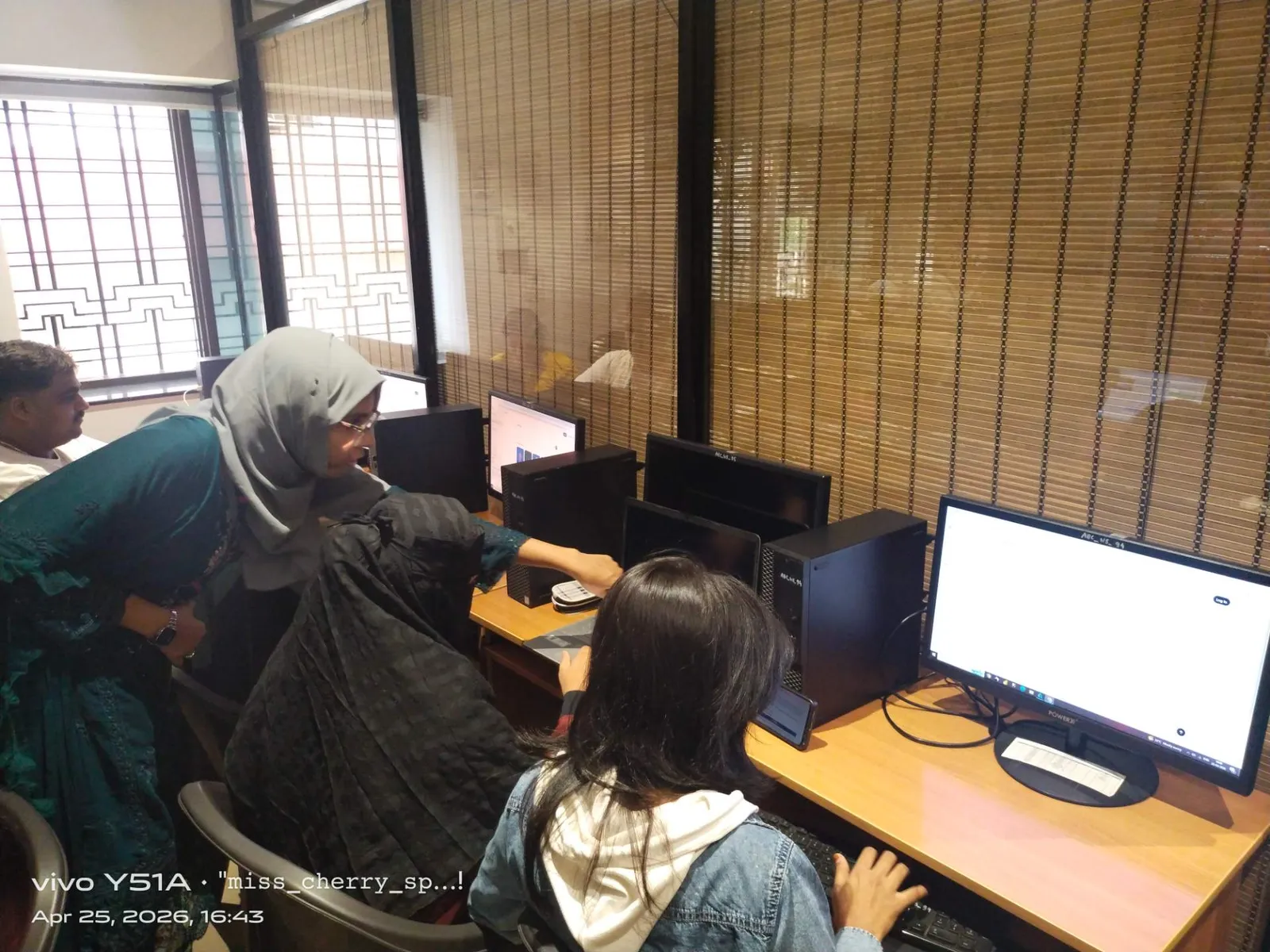
- Hands-on with real drives in the lab: Siemens SINAMICS G120, ABB ACS drives — parameter setting, commissioning, soft-start setup
- PLC-to-VFD integration: Configuring Profinet and Profibus communication between a Siemens S7 PLC and SINAMICS drive in TIA Portal
- VFD fault diagnosis: Simulated fault scenarios in the lab — overcurrent, overvoltage, communication faults — and systematic diagnosis procedures
- Panel wiring: Correct cable routing, EMC/shielding, input filter installation, and safe isolation procedures
The VFD module runs alongside the PLC SCADA programme — because that is how these skills are used in the field. To check batch dates or book a free demo session, call 7039169629 or WhatsApp 7774002496. Centres available at Wagholi, Hadapsar (Pune), Cidco and Osmanpura (Chhatrapati Sambhajinagar).
The Chhatrapati Shivaji Maharaj Kaushalya Vikas Yojana (CMYKPY) provides a government stipend of ₹6,000–₹10,000 toward approved electrical automation and VFD training programmes in Maharashtra. Under PMKVY 4.0, 2.1 crore students nationwide have received training subsidies since 2023. ABC Trainings is MSME-registered and government-affiliated — ask our counsellors about your eligibility for the CMYKPY stipend when you enquire.
Get the Industry 4.0 with AI & Industrial Automation Brochure + Fees + Batch Dates on WhatsApp
Free 1:1 counselling. Placement track record. CMYKPY/PMKVY eligibility check.
💬 Get Brochure on WhatsApp📞 Call 7039169629About the author: ABC Trainings Faculty.
Visit Our Centers
- Wagholi (Pune): 1st Floor, Laxmi Datta Arcade, Pune-Ahilyanagar Highway. Call 7039169629
- Hadapsar (Pune HQ): 1st Floor, Shree Tower, opp. Vaibhav Theater, Magarpatta. Call 7039169629
- Cidco (Chh. Sambhajinagar): Kalpana Plaza, opp. Eiffel Tower, N-1 Cidco. Call 7039169629
- Osmanpura (Chh. Sambhajinagar): S.S.C Board to Peer Bazar Road, near Jama Masjid. Call 7039169629
- Sangli: Shubham Emphoria, 1st Floor, Above US Polo Assn., Sangli-Miraj Rd, Vishrambag. Weekend batches available. Call 7039169629
FAQs
What is a VFD and what is it used for in Indian factories?
A VFD (Variable Frequency Drive) controls the speed of an AC motor by varying the frequency and voltage of the power supply. In Indian factories, VFDs are used on conveyor belts, centrifugal pumps, cooling fans, compressors, machine tools, and EV battery manufacturing lines — almost any application with an AC motor. The main benefits are energy savings (20–40% reduction on pump/fan loads), precise speed control, and motor protection (soft starting, overcurrent protection, phase loss detection).
Which VFD brand should I learn for jobs in Pune and Aurangabad?
For the Pune and AURIC automotive belt, learn Siemens SINAMICS G120 first — it is the most widely used VFD in Maharashtra's Siemens-heavy automotive plants (Bajaj, Skoda VW, Bosch, Mercedes R&D). For water treatment, FMCG, or pharma roles, ABB ACS series drives are the dominant choice. If you are targeting companies using Allen-Bradley PLCs (some Pune MIDC automotive companies), add PowerFlex 525/755. In practice, once you know one VFD family thoroughly, picking up another takes only 2–4 weeks because the concepts are identical — only the menu structure differs.
What salary does a VFD-trained engineer earn in Maharashtra?
VFD skills are almost always combined with PLC and SCADA in actual roles. A junior automation/electrical engineer with VFD training (0–2 years) earns ₹3.5–5.5 LPA in Maharashtra. Mid-level engineers (3–5 years) with VFD + PLC + SCADA earn ₹6–12 LPA. Senior engineers and team leads (6–10 years) reach ₹12–20 LPA. The combined PLC + VFD + SCADA skillset commands the highest salaries because companies prefer engineers who can handle the complete automation system.
How long does it take to learn VFD programming and commissioning?
With hands-on lab training, most engineers can commission a VFD from scratch (motor data entry, parameter setting, PLC integration, autotune, test run) within 4–6 weeks. Fault diagnosis takes longer because it requires encountering real faults — which is why lab training with simulated fault scenarios is important. ABC Trainings covers VFD commissioning and troubleshooting as part of the Industrial Automation programme, with real drives (Siemens SINAMICS, ABB) in the lab. Call 7039169629 to check the next batch date.