Will AI Replace Programmers in India in 2026? An Honest Answer for Developers (Updated July 2026) (Updated July 2026)
TCS announced 12,000 layoffs in July 2025. Infosys announced similar workforce reductions. NASSCOM-Deloitte's 2025 report projects 1.25 million new AI-driven tech roles by 2027 — but the same report notes that a significant share of current entry-level IT roles face automation risk. So the question Indian developers are asking is exactly right: is AI replacing programmers, and am I in the danger zone? Here's the thing — the answer isn't yes or no. It's 'which kind of programmer?' AI is genuinely replacing one type of programmer: the developer whose primary value is translating straightforward requirements into working code, essentially a human code generator. These roles — entry-level feature developers, script writers, basic QA automation roles — are the ones TCS and Infosys cut. They're being done by Copilot, ChatGPT, and Claude now, at a fraction of the cost. But AI is simultaneously creating intense demand for another type of programmer: the engineer who can build with AI, design AI agent systems, debug LLM-powered applications, evaluate model outputs, and maintain AI infrastructure. The 2026 Indian IT market isn't replacing programmers wholesale — it's replacing the floor and raising the ceiling. Here's what that means for your career and what to do about it right now.
- AI is replacing entry-level code-generation roles (TCS 12K cuts are evidence). AI is creating new demand for engineers who build AI systems. The safe zone: agentic development, LLM integration, ML platform engineering, prompt engineering at depth, data engineering. Danger zone: repetitive feature dev, basic QA automation, CRUD app generation. India's AI job market is real — NASSCOM projects 1.25M roles by 2027.
Which Programming Jobs AI Is Actually Replacing in India in 2026
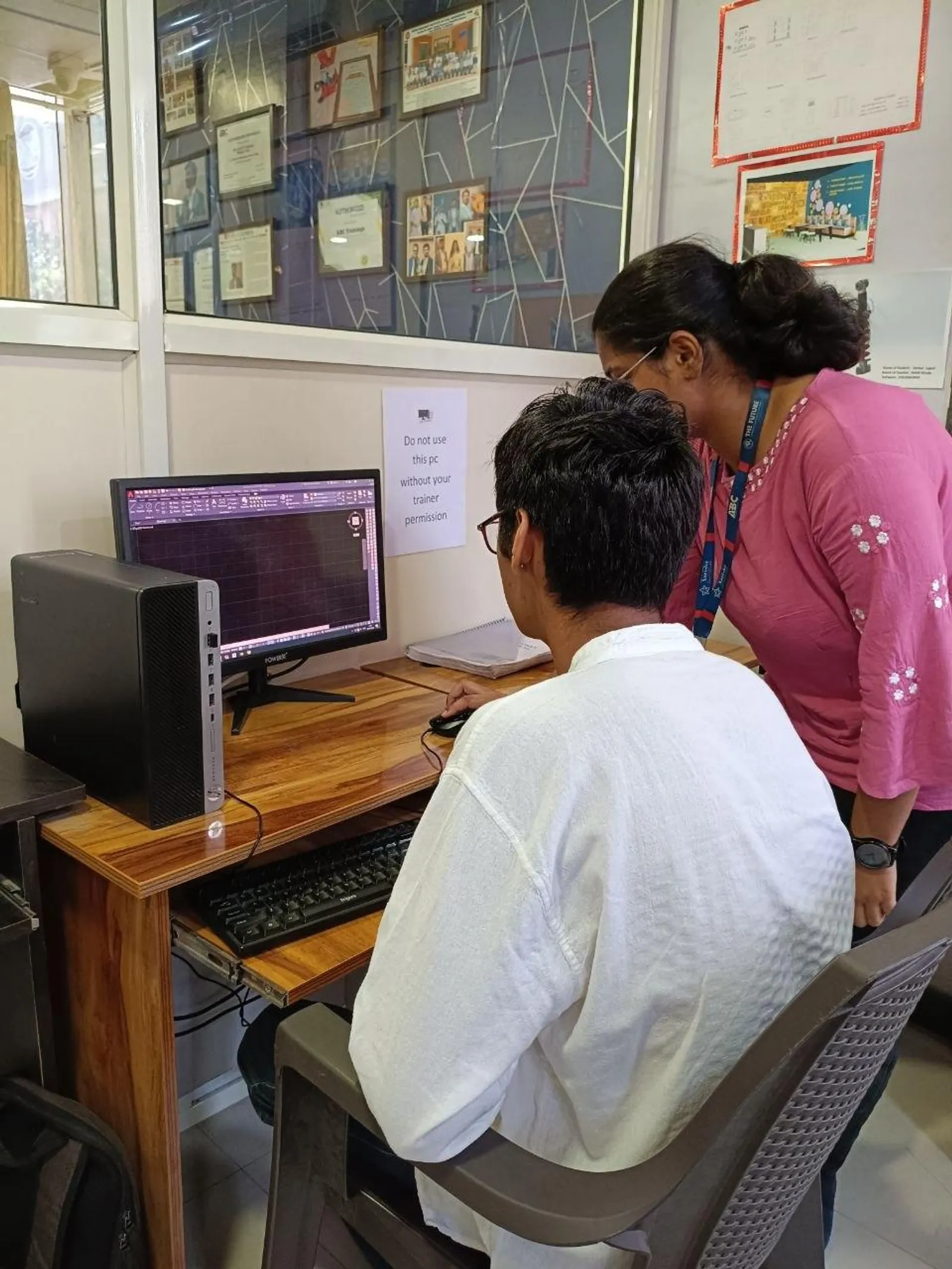
The coding jobs that AI is genuinely replacing or significantly compressing in India in 2026 share a common trait: the primary task is generating working code from well-defined requirements, with minimal judgment about system design, architecture, or debugging complex failures. Specifically at risk: (1) Entry-level feature developers whose job is implementing predefined tickets in existing codebases without architectural ownership. GitHub Copilot and Claude Code handle much of this workflow now. (2) Basic QA automation writers who write Selenium/Playwright scripts for straightforward UI test cases — AI generates these faster and more consistently. (3) SQL report writers at IT services companies who translate business requirements into data queries without systems context — now largely replaceable with natural language SQL tools. (4) CRUD application developers at outsourcing firms who build standard data-entry applications — the bread-and-butter of mid-tier Pune IT services companies — are seeing project budgets shrink as clients get more done with AI-assisted development. This isn't hypothetical: Naukri data shows a 23% drop in entry-level IT job postings in Maharashtra between Q1 2025 and Q1 2026, consistent with the TCS/Infosys workforce reduction announcements.
Which Programming Jobs AI Is Creating Demand For
While AI compresses the bottom of the programmer market, it's creating genuine demand at a different level — for developers who work with AI rather than being replaced by it. The fastest-growing coding job categories in India in 2026: (1) AI/ML Engineer: building, fine-tuning, evaluating, and deploying models. Naukri shows 3.2x more AI/ML engineer postings in Q1 2026 vs Q1 2024. Salaries: ₹10–25 LPA for 2–5 year profiles. (2) Agentic AI Developer / LLM Integration Engineer: building multi-step agent systems using frameworks like LangGraph, CrewAI, and the Anthropic Claude API. Emerging as a distinct role at AI-first startups and forward-thinking product companies. Salaries: ₹12–22 LPA. (3) Data Engineer / MLOps Engineer: building the data pipelines and infrastructure that AI systems run on. High demand at Bangalore/Pune product companies. Salaries: ₹12–28 LPA. (4) AI Product Engineer: full-stack developers who specialise in AI-enhanced product features — RAG systems, AI copilots, intelligent search. Salaries: ₹15–30 LPA. (5) Prompt Engineer (at depth): not superficial prompt writing, but deep-domain specialists who can design evaluation frameworks, optimize context management, and engineer reliable AI system behaviors. Emerging at large enterprise AI deployments.
| Developer Type | AI Risk Level | 2026 Salary | Trend |
|---|---|---|---|
| Entry-level feature dev (outsourcing) | High | ₹3–6 LPA | Declining (TCS 12K cuts) |
| Mid-level full-stack dev | Moderate | ₹8–16 LPA | Flat, skills-dependent |
| AI/ML Engineer | Low | ₹14–25 LPA | Strong growth (3.2x openings) |
| Agentic AI Developer | Very Low | ₹12–22 LPA | Fastest growing new role |
| Data Engineer + MLOps | Very Low | ₹16–28 LPA | Steady high demand |
The TCS and Infosys Layoff Pattern: What the Data Actually Shows
The TCS and Infosys layoff pattern reveals something important about which roles are at risk. TCS's 12,000 layoffs in July 2025 disproportionately hit: entry-level developers with 0–3 years of experience in repetitive development roles; QA automation engineers doing script-based testing; and business-process outsourcing roles that AI-assisted workflows have made redundant. What TCS simultaneously announced: 40,000 new hires in AI-related roles for FY2026, including AI operations, LLM deployment, and enterprise AI integration specialists. The net is not 'IT is declining' — it's 'IT is shifting upmarket.' Infosys's pattern is nearly identical: layoffs at the feature-dev and BPO layer, aggressive hiring for AI engineering, data science, and cloud architecture. For Indian developers watching this, the signal is clear: the roles being eliminated are the ones where the primary deliverable is code-as-output. The roles being created are ones where the deliverable is judgment, system design, and reliable AI behavior.
How Indian Developers Should Future-Proof Their Skills in 2026
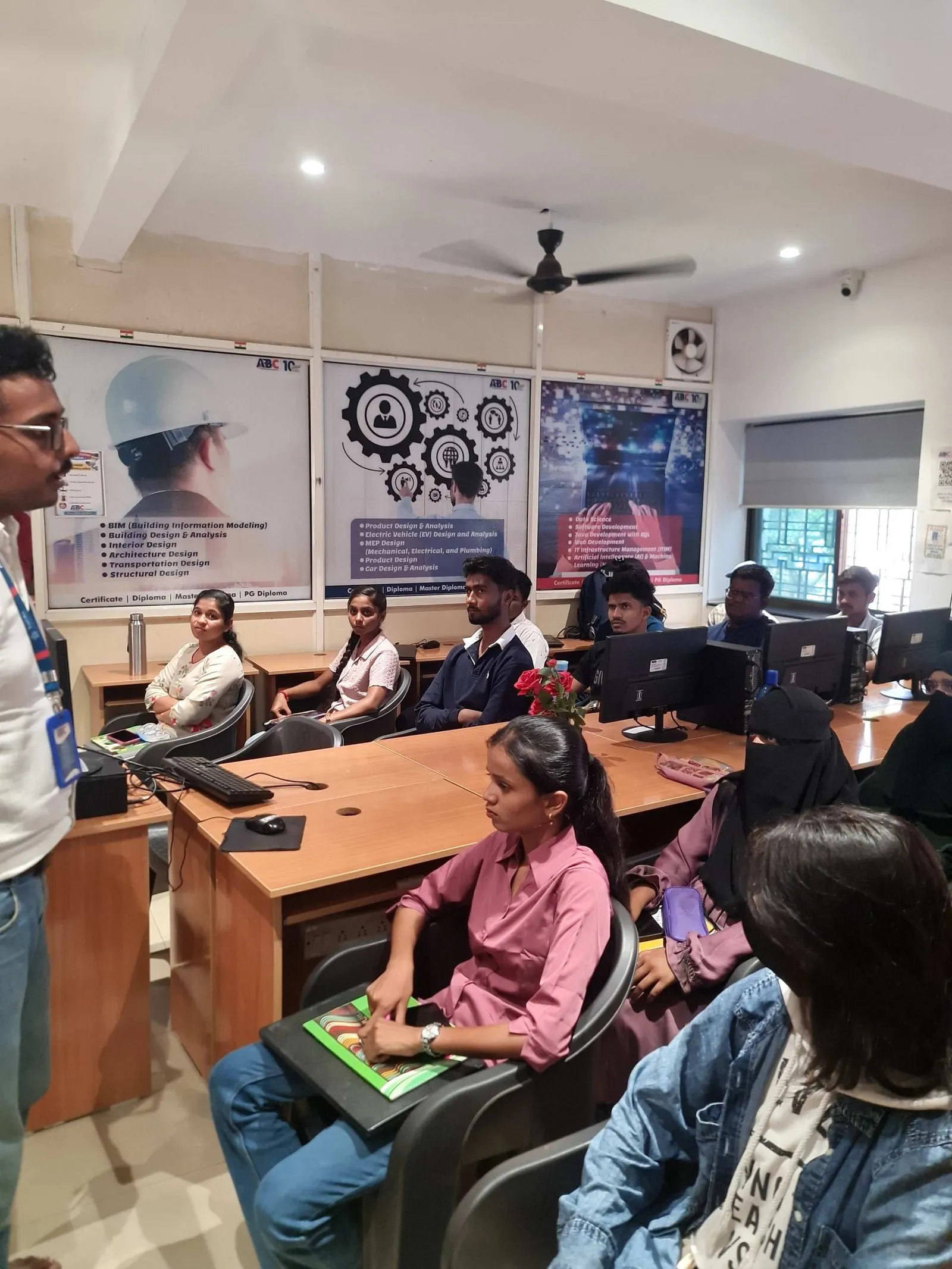
The practical future-proofing strategy for Indian developers in 2026 has three levels, depending on your current seniority. Junior developers (0–3 years): the urgent priority is avoiding the 'vibe coder' trap — don't just use AI to write code for you without understanding it. Build Python fluency, JavaScript depth, and one AI framework integration skill (start with the Anthropic Messages API or OpenAI function calling — pick one and build a project with it). This positions you for the AI integration roles that are hiring. Mid-level developers (3–7 years): the value move is upward into system design, not lateral into the same skills with AI tools layered on. Add either: (a) MLOps/data engineering (if you're backend-oriented), (b) LLM integration and agent development (if you're application-oriented), or (c) cloud architecture with AI service expertise (AWS SageMaker, Azure OpenAI, GCP Vertex AI). Senior developers (7+ years): your architectural judgment is genuinely AI-resistant — double down on it. The emerging opportunity is leading AI adoption within product and engineering teams: defining AI system design standards, evaluating AI tools, and managing the organizational change of AI integration. These are high-leverage, high-compensation roles that require experience AI tools cannot replicate.
The 2026 Salary Reality: AI Engineers vs Traditional Developers
The salary gap between traditional developers and AI-specialist developers in India in 2026 is the clearest market signal of where to invest your skills. Traditional mid-level developer (3–5 yrs, feature development): ₹7–14 LPA — flat to declining compared to 2023. AI/ML Engineer (3–5 yrs): ₹14–25 LPA — growing. Agentic AI Developer (2–4 yrs with portfolio): ₹12–22 LPA — new and growing fast. Data Engineer with ML stack (4–6 yrs): ₹16–28 LPA — steady high demand. Cloud Architect with AI specialization (6–10 yrs): ₹20–35 LPA. The pattern is consistent: the salary premium for AI-adjacent skills is 50–100% above traditional development roles at the same experience level. For Indian developers deciding where to invest their next 6–12 months of learning, the math is straightforward. ABC Trainings' AI Powered Application Development program covers Python, AI API integration, and applied AI development — the practical skill stack for India's 2026 AI job market. CMYKPY ₹6,000–10,000 scheme available for eligible Maharashtra candidates.
CMYKPY scheme ₹6,000–10,000 and PMKVY 4.0 funding available for AI and programming courses at ABC Trainings Hadapsar and Wagholi. Call 7039169629 to check eligibility.Get the AI Brochure + Fees + Batch Dates on WhatsApp
Free 1:1 counselling. Placement track record. CMYKPY/PMKVY eligibility check.
💬 Get Brochure on WhatsApp📞 Call 7039169629About the author: Mohd. Rafique Pasha, Data Science & AI Trainer, ABC Trainings.
Visit Our Centers
- Wagholi (Pune): 1st Floor, Laxmi Datta Arcade, Pune-Ahilyanagar Highway. Call 7039169629
- Hadapsar (Pune HQ): 1st Floor, Shree Tower, opp. Vaibhav Theater, Magarpatta. Call 7039169629
- Cidco (Chh. Sambhajinagar): Kalpana Plaza, opp. Eiffel Tower, N-1 Cidco. Call 7039169629
- Osmanpura (Chh. Sambhajinagar): S.S.C Board to Peer Bazar Road, near Jama Masjid. Call 7039169629
- Sangli: Shubham Emphoria, 1st Floor, Above US Polo Assn., Sangli-Miraj Rd, Vishrambag. Weekend batches available. Call 7039169629
FAQs
Is coding a good career in India in 2026 given AI replacing developers?
Yes, but the 'good career' is now clearly in AI-adjacent development rather than traditional outsourced feature development. The TCS and Infosys layoffs targeted the latter — repetitive code generation roles that AI tools handle efficiently. Coding as a career is growing at the top (AI engineers, agentic developers, data engineers) while shrinking at the bottom (entry-level outsourcing dev). The key is developing skills in the growing segment.
What types of programming are safest from AI replacement in India?
The most AI-resistant programming skills in India in 2026 are: system design and distributed architecture (requires judgment AI lacks), AI/ML engineering itself (you build what's replacing others), data engineering and pipeline design, and security/reliability engineering. Skills most at risk: repetitive feature implementation in well-defined domains, basic test automation scripting, and CRUD application development for standard business processes.
Should I still learn programming in 2026 or switch to AI/data science?
Learn programming AND pivot toward AI/data science rather than switching entirely. The strongest AI engineers in India in 2026 have programming fundamentals (Python, data structures, debugging skills) combined with AI/ML specialisation. Engineers who jumped directly to data science without programming depth typically struggle with production deployment and debugging. The recommended path: solidify Python fundamentals → add AI API integration and LLM tooling → develop ML/data engineering skills in sequence.
Does ABC Trainings offer AI engineering courses for career transition in India?
Yes. ABC Trainings' AI Powered Application Development program at Hadapsar and Wagholi covers Python programming fundamentals, AI API integration, and applied AI engineering — the practical skill stack for transitioning into India's growing AI developer job market. CMYKPY ₹6,000–10,000 scheme and PMKVY 4.0 funding available for eligible candidates. Call 7039169629 or WhatsApp 7774002496.