Deep Learning and Autonomous IT Systems: AI Automation to Self-Healing Infrastructure 2026 (Updated July 2026)
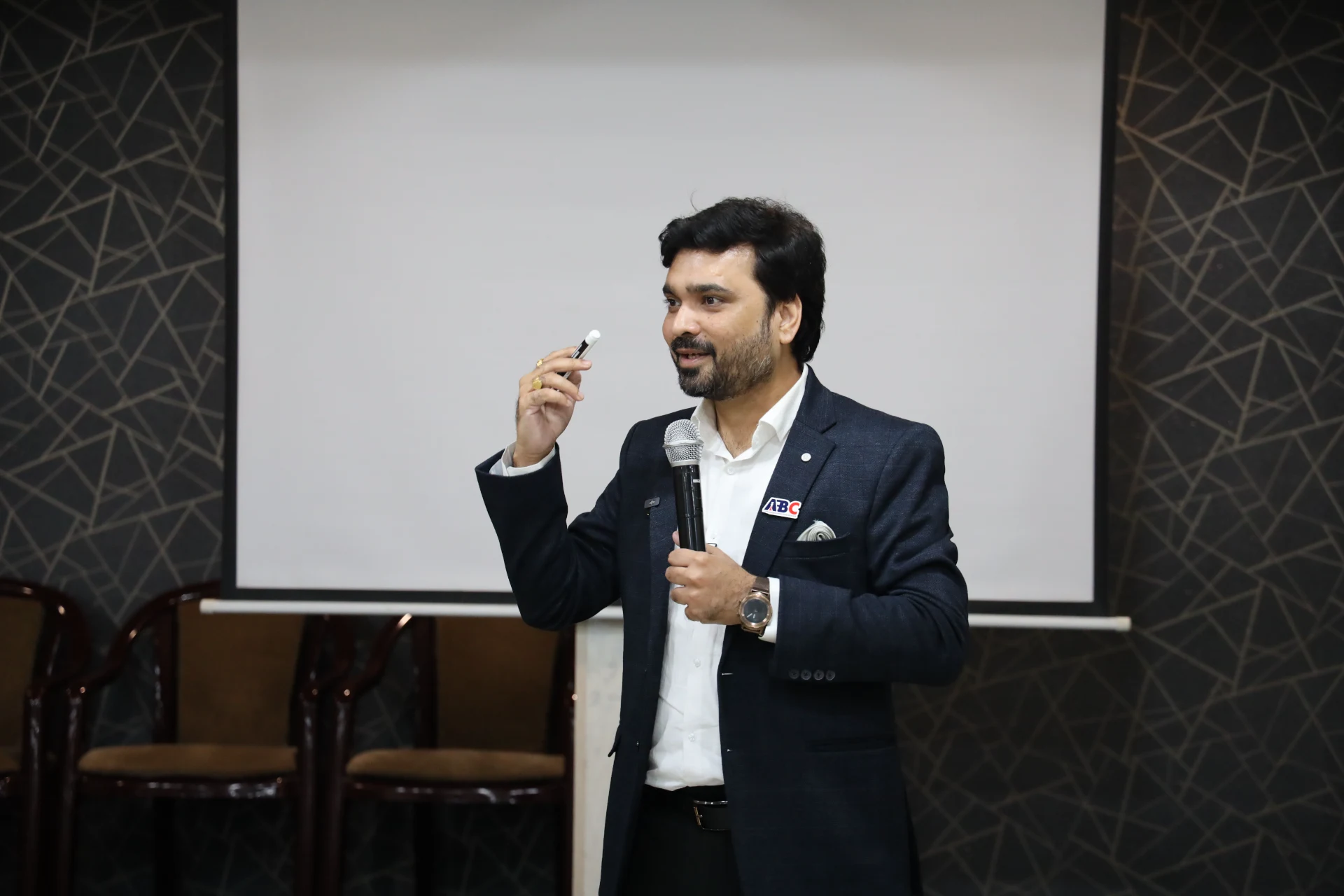
If you want to stay relevant in IT beyond 2026, here's what you need to understand: the industry is moving from automated systems to autonomous systems — and that shift is faster than most people realise. In a recent ABC Trainings live webinar, our instructor walked through exactly how deep learning, edge intelligence, and self-healing infrastructure are changing how modern enterprises run their IT. The NASSCOM-Deloitte 2026 report projects 1.25 million AI and automation professionals will be needed in India by 2027. This blog teaches the concepts from that session, explained clearly for students who want to build a career at the intersection of AI and IT infrastructure.

- Autonomous IT systems use deep learning to detect anomalies, predict failures, and fix issues without human intervention.
- Edge intelligence runs AI directly on devices (routers, sensors, IoT) — reducing latency and cloud dependency.
- Self-healing environments automatically remediate faults, auto-scale resources, and maintain fault-tolerant architectures.
- Key skills: Python → Machine Learning → Deep Learning → Kubernetes + self-healing → AIOps. This is the career stack.
What Are Autonomous IT Systems? From Automated to Truly Self-Managing
In our webinar session, the ABC Trainings instructor explained it clearly: traditional IT relies on pre-programmed automation and manual overhead. In 2025–26, the paradigm is shifting to fully autonomous systems — infrastructure that identifies problems, fixes them, scales itself, and adapts to new conditions without anyone being paged at 2am. The progression is: manual operations → automated scripts → fully autonomous AI-managed infrastructure. Companies using modern Kubernetes clusters, serverless platforms, and AI-powered monitoring tools (infrastructure-as-code environments) are already deploying these systems. The instructor described it as moving from "reactive" (fixing what broke) to "proactive" (preventing breaks before users are impacted). If you're learning IT right now, understanding where this transition is headed is your biggest career advantage.
Deep Learning in IT Automation: How AI Replaces Manual Monitoring
Deep learning is the engine powering IT automation in 2026. As covered in the webinar session, deep learning models (built on artificial neural networks — think of neurons connected just like in the human brain) are trained to understand the "normal rhythm" of an IT environment. They analyse logs, metrics, and network flows simultaneously. When something deviates, the AI detects it faster than any human could. Key techniques from the session: supervised and unsupervised learning algorithms (ANN, Random Forest, KNN), multivariate analysis correlating thousands of matrices simultaneously to find root causes, and anomaly detection that goes far beyond simple threshold alerting. Deep learning is an advanced part of machine learning — the same progression you follow in training: Python → Machine Learning → Deep Learning. AI models don't just count alerts; they understand behaviour patterns. That's what makes AIOps different from traditional monitoring tools.
| Skill Layer | What It Covers | Tools |
|---|---|---|
| Python Basics | Scripting, automation, data handling | Python 3, NumPy, Pandas |
| Machine Learning | Supervised/unsupervised algorithms | Scikit-learn, XGBoost |
| Deep Learning | Neural networks, ANN, anomaly detection | TensorFlow, PyTorch |
| AIOps | Log intelligence, self-healing monitoring | Dynatrace, Splunk, DataDog |
| Kubernetes + IaC | Self-healing deployments, infrastructure-as-code | K8s, Terraform, Ansible |
Edge Intelligence: Processing AI on Devices, Not Just the Cloud
Edge intelligence means running AI models directly on edge devices — routers, sensors, IoT systems — instead of sending all data to the cloud. The instructor in the webinar explained why this matters: processing power distributed to the edge enables real-time decision making without cloud dependency. Latency drops dramatically. For IT systems in factories, hospitals, or financial environments where milliseconds matter, edge AI isn't optional — it's the architecture. Edge intelligence is also key for cybersecurity: identifying unusual login patterns, detecting infected devices, blocking suspicious network flows — all in real time, without sending data to a central server first. Edge-first thinking is a major 2026 career differentiator for IT professionals moving into infrastructure roles.

Self-Healing IT Environments: When Systems Fix Themselves Automatically
This was one of the most discussed topics in the ABC Trainings webinar. Self-healing IT environments are systems that automatically identify and fix issues before users are impacted. The instructor gave concrete examples: auto-scaling resources when traffic spikes (no human intervention), automated remediation scripts that restart failed services, fault-tolerant architectures that reroute traffic around broken nodes. What does this mean in practice? Reduced downtime. Lower operational costs. Fast incident response. Less manual monitoring. Kubernetes self-healing applications are a key example — pods that fail are automatically replaced. Infrastructure-as-Code environments that can redeploy from a known good state in minutes. For Indian IT companies serving global clients, self-healing capabilities are rapidly becoming a baseline expectation, not a premium offering.
AI-Driven Security Automation: Detecting and Blocking Threats in Real Time
The webinar covered how AI-driven security automation works alongside edge intelligence. Advanced neural networks learn the "normal" behaviour of users, applications, and network flows. When behaviour deviates — a login from an unusual location, a data exfiltration pattern, a compromised device — the AI detects and responds. The instructor gave specific examples: identifying unusual login patterns (protecting banking and enterprise systems), auto-blocking suspicious IP addresses, isolating infected devices on the network. Multiple scanning systems work in parallel. In a real enterprise environment like those at Infosys, TCS, or KPIT, thousands of events per second are analysed. Deep learning handles this volume; humans can't. NASSCOM reports that cybersecurity AI adoption among Indian enterprises grew 48% in 2025-26, making AI security skills one of the highest-valued additions to any IT resume.
Predictive Maintenance: How Deep Learning Prevents IT Outages Before They Happen
Predictive maintenance is deep learning applied to hardware health. The webinar instructor explained: a deep learning model forecasts hardware failure — disk issues, memory degradation, CPU anomalies, network congestion — weeks in advance. Traditional IT is reactive: the disk fails, you scramble. Predictive maintenance is proactive: the AI sees the disk degrading 14 days before failure and schedules replacement during a maintenance window. This matters enormously for Indian IT environments supporting manufacturing (Bajaj Auto, Tata Tech, L&T) and banking clients. The models are trained on historical hardware telemetry data. Multivariate analysis correlates disk read speeds, temperature trends, error rates, and SMART data to predict the exact failure window. Companies using predictive IT maintenance report 60–70% reduction in unplanned downtime. For freshers learning Python and ML, predictive maintenance is an accessible first real-world AI project.
Career Skills for Autonomous IT in 2026: What You Need to Learn
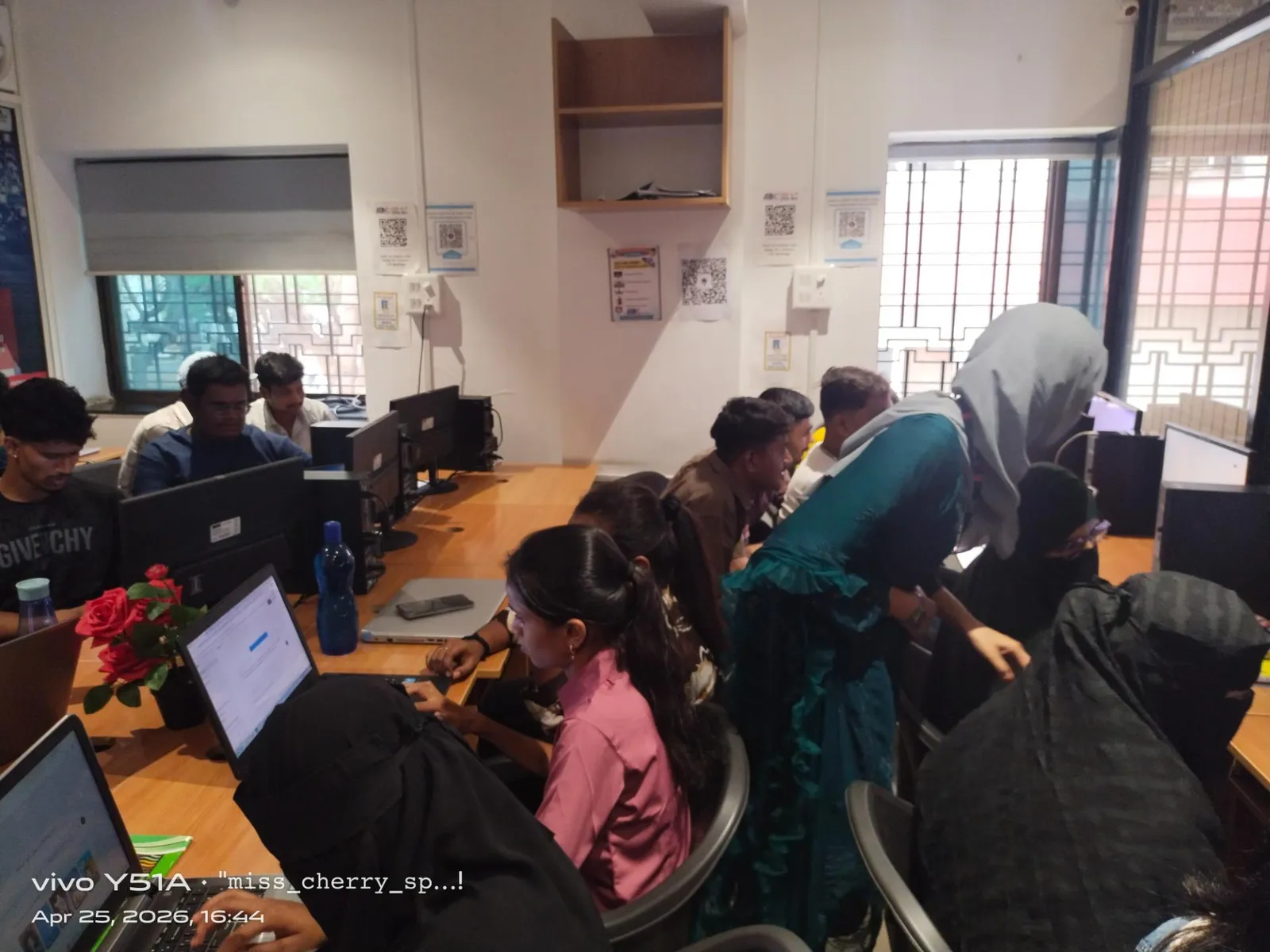
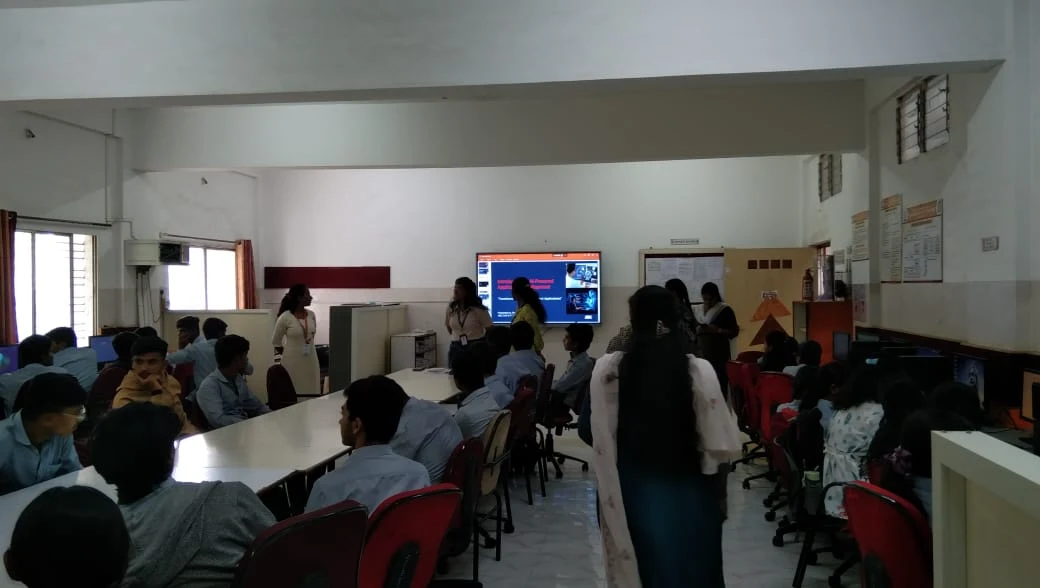
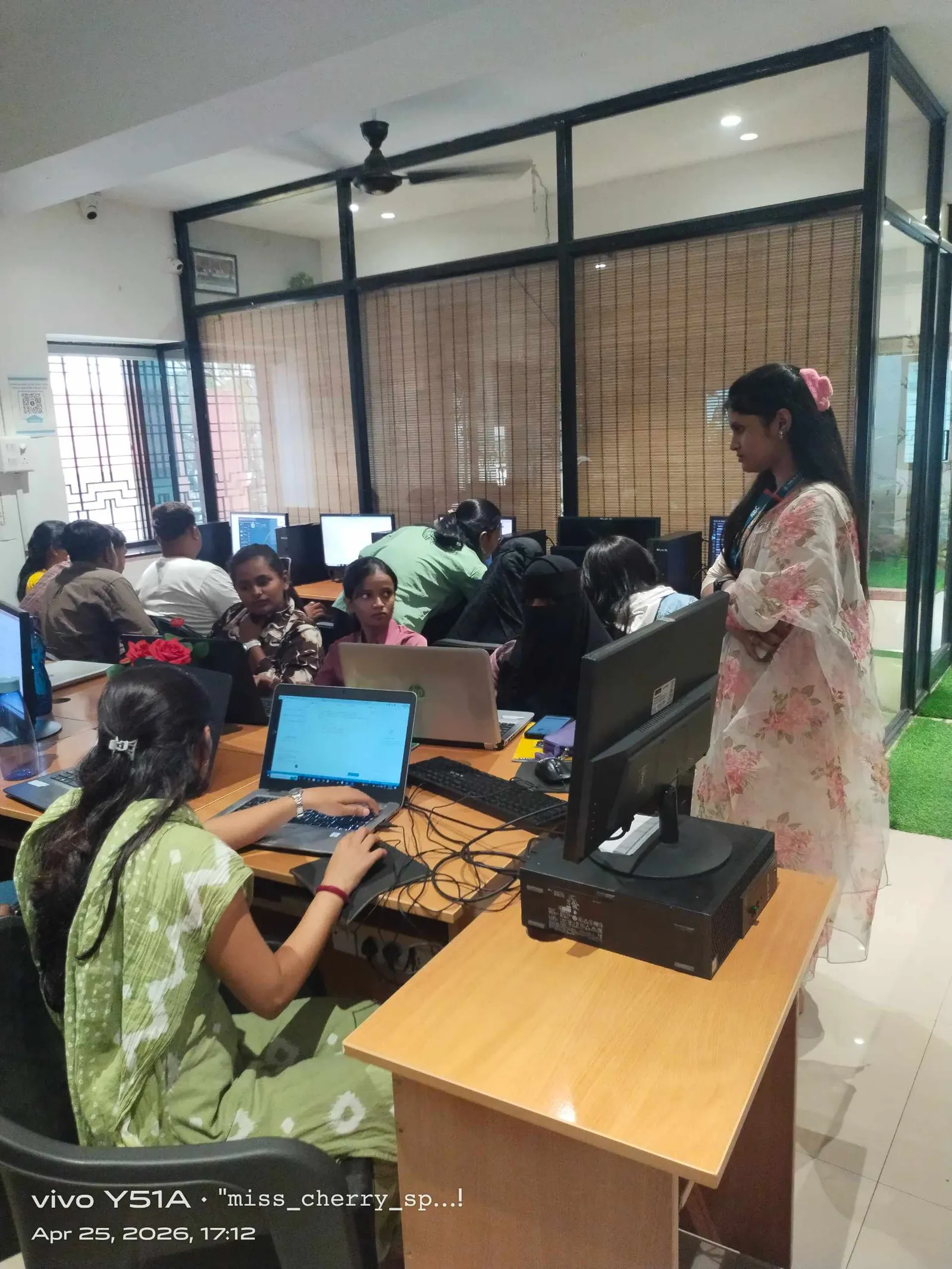
Based on what our instructor covered in the webinar, here's the skills roadmap for autonomous IT in 2026: Start with Python (the foundation for all AI/ML work in IT). Move to Machine Learning fundamentals (supervised, unsupervised, basic neural networks). Advance to Deep Learning (ANN, CNNs for log analysis, LSTMs for time-series prediction). Learn Cloud + DevOps foundations (Kubernetes, serverless, infrastructure-as-code). Add AIOps tools (Dynatrace, DataDog, Splunk with ML, or open-source alternatives). Understand edge computing fundamentals and IoT platform basics. For Indian freshers from any IT background — graduates from Pune, Nashik, or Sambhajinagar — this stack is learnable in 6–12 months with structured training. The good news is that TCS, Infosys, Wipro, and KPIT are all building autonomous infrastructure teams right now. ABC Trainings' AI Powered Application Development program covers Python, ML, and deep learning foundations that feed directly into these roles. Call 7039169629 to learn about the next batch.
Get the IT & Data Science Brochure + Fees + Batch Dates on WhatsApp
Free 1:1 counselling. Placement track record. CMYKPY/PMKVY eligibility check.
💬 Get Brochure on WhatsApp📞 Call 7039169629About the author: Rutuja Maske, Electrical & Automation Trainer, ABC Trainings.
Visit Our Centers
- Wagholi (Pune): 1st Floor, Laxmi Datta Arcade, Pune-Ahilyanagar Highway. Call 7039169629
- Hadapsar (Pune HQ): 1st Floor, Shree Tower, opp. Vaibhav Theater, Magarpatta. Call 7039169629
- Cidco (Chh. Sambhajinagar): Kalpana Plaza, opp. Eiffel Tower, N-1 Cidco. Call 7039169629
- Osmanpura (Chh. Sambhajinagar): S.S.C Board to Peer Bazar Road, near Jama Masjid. Call 7039169629
- Sangli: Shubham Emphoria, 1st Floor, Above US Polo Assn., Sangli-Miraj Rd, Vishrambag. Weekend batches available. Call 7039169629
FAQs
What is the difference between automated and autonomous IT systems?
Automated IT systems follow pre-programmed rules and scripts — they react to known situations. Autonomous IT systems use AI (especially deep learning) to learn patterns, predict problems, make decisions, and self-heal without any pre-written script. The difference is adaptability: automated systems break when something unexpected happens; autonomous systems learn and adjust. The transition from automated to autonomous is what our ABC Trainings webinar covered in depth.
Do I need to know cloud computing before learning deep learning for IT?
You don't need cloud expertise first. The best starting point is Python, then Machine Learning basics, then Deep Learning. Cloud knowledge (Kubernetes, serverless, IaC) comes later in the stack and makes more sense once you understand what AI can do in an IT environment. ABC Trainings' AI Powered Application Development program starts from Python and builds up systematically.
Is Python enough to start a career in AIOps or autonomous IT?
Python is the foundation — absolutely essential. But for AIOps and autonomous IT careers, you'll need Python plus ML/DL libraries (TensorFlow or PyTorch), understanding of monitoring tools (Splunk, DataDog, Dynatrace), and basic Kubernetes knowledge. Python alone qualifies you for automation scripts, not full AIOps engineering. Plan for 6–12 months of structured learning beyond basic Python.
Which Indian companies are hiring for autonomous IT and AIOps roles in 2026?
TCS, Infosys, Wipro, and HCL have large AIOps and autonomous infrastructure practices. KPIT (Pune) and Tata Tech are building AI-driven IT operations for automotive clients. Honeywell, Siemens, and Bosch use autonomous IT for their industrial operations. Startups in Pune, Bangalore, and Hyderabad building IIoT platforms are aggressive hirers. Entry-level AIOps roles in Pune start at ₹5–₹8 LPA for candidates with Python + ML + cloud basics.